


Coffee, tea and ready-to-drink beverages cover a wide range of preparation methods and sales channels.
An iced coffee prepared at a café counter has different packaging requirements from a bottled cold brew produced in batches. Freshly brewed iced tea may be served immediately, while a ready-to-drink tea product may need to remain sealed during refrigerated storage and distribution.
COPAK supplies clear PET cups and PET cans for cafés, tea shops, beverage chains, foodservice businesses, beverage producers, distributors and private-label projects.
PET cups support freshly prepared iced coffee, iced tea and made-to-order cold beverages. PET cans create a sealed format for cold brew coffee, ready-to-drink tea, milk-based coffee beverages and refrigerated grab-and-go products.
The packaging format should be selected according to the beverage formula, filling temperature, preparation method, closure requirement, storage condition and expected sales channel.
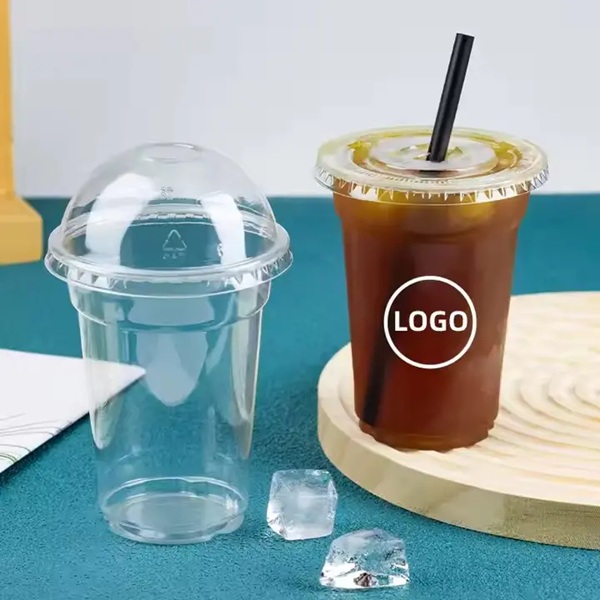
Packaging Requirements Vary Across Coffee, Tea and RTD Products
Coffee and tea beverages cannot be treated as one uniform product group.
A packaging range may need to support:
- Iced Americano
- Iced latte
- Iced cappuccino-style drinks
- Cold brew coffee
- Nitro-style coffee concepts
- Flavored coffee beverages
- Plant-based coffee drinks
- Freshly brewed iced tea
- Black tea
- Green tea
- Herbal tea
- Fruit-infused tea
- Milk tea
- Lemon tea
- Ready-to-drink coffee
- Ready-to-drink tea
- Functional and flavored cold beverages
Each product may react differently during brewing, cooling, filling, sealing and storage.
Coffee products may contain oils, milk, plant-based ingredients, foam or flavor syrups. Tea products may be affected by brewing strength, suspended ingredients, color changes and prolonged exposure to light or oxygen.
RTD beverages require close control of the complete process. The container alone cannot determine product stability or shelf life.
Two Packaging Formats for Different Beverage Operations
COPAK offers two main PET packaging directions for coffee, tea and RTD beverages:
- PET cups for freshly prepared and takeaway cold drinks
- PET cans for sealed, refrigerated and ready-to-drink products
The two formats may be used within the same beverage business.
A café can serve made-to-order iced coffee in PET cups and place pre-filled cold brew products in PET cans inside a refrigerated display. A tea chain can use PET cups for customized drinks and PET cans for seasonal or grab-and-go tea products.
The preparation method should guide the packaging decision.
PET Cups for Freshly Prepared Iced Coffee and Tea
Clear PET cups are suitable for cafés, coffee shops, tea houses, restaurants, bakeries, beverage chains and takeaway businesses.
The clear cup wall allows customers to see the beverage color, ice level, milk layer, foam and added ingredients. This can be valuable for iced lattes, layered coffee drinks, fruit teas and visually distinctive seasonal products.
PET cups can be considered for:
- Iced Americano
- Iced latte
- Cold brew served over ice
- Iced mocha
- Flavored iced coffee
- Plant-based iced coffee
- Iced black tea
- Iced green tea
- Lemon tea
- Peach tea
- Fruit-infused tea
- Milk tea
- Tea with foam or cream toppings
- Seasonal café beverages
COPAK provides clear PET cold beverage cups in different sizes and shapes, with compatible flat and dome lid options for selected cup series. Custom printing is also available for selected products.
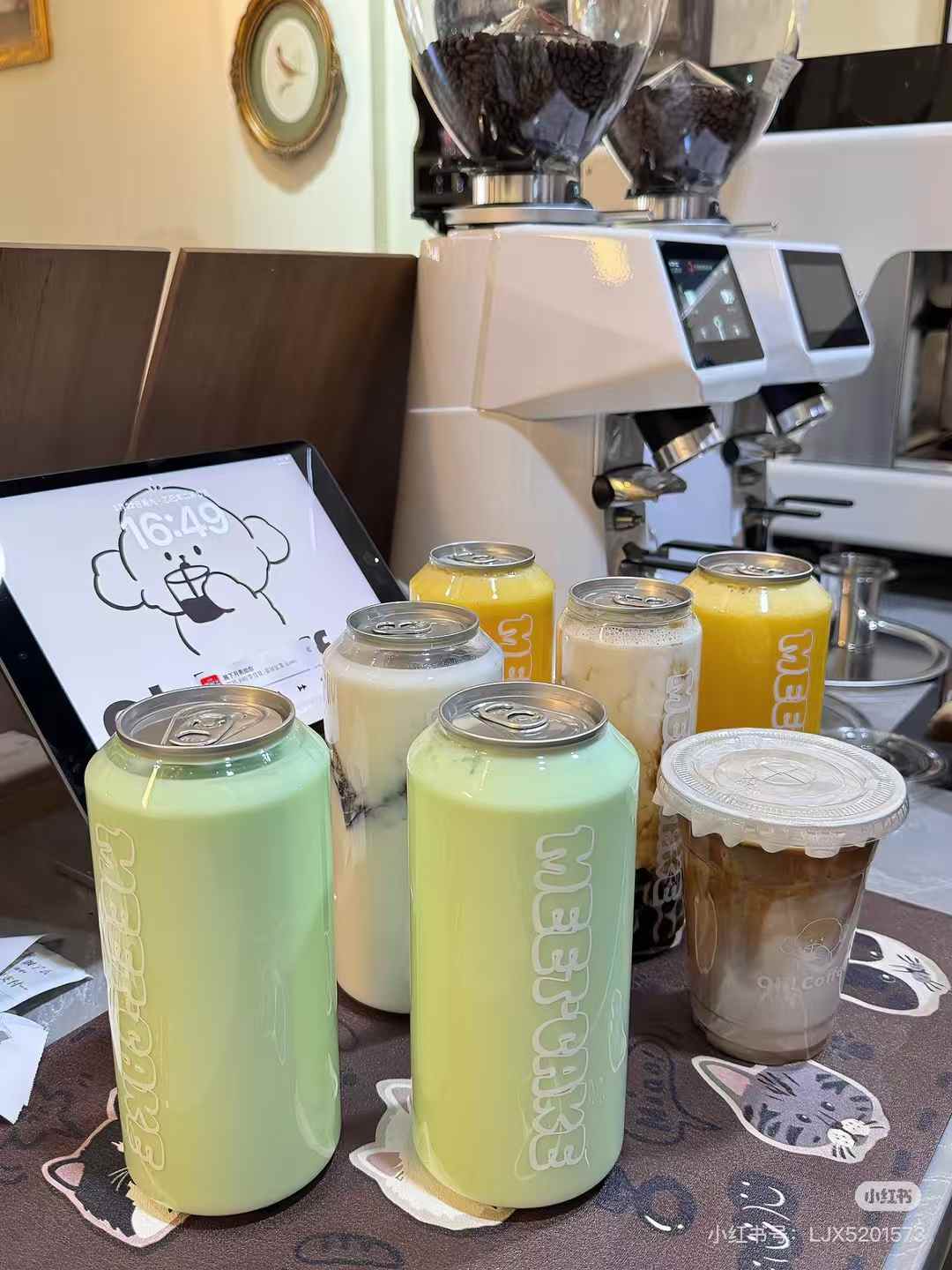
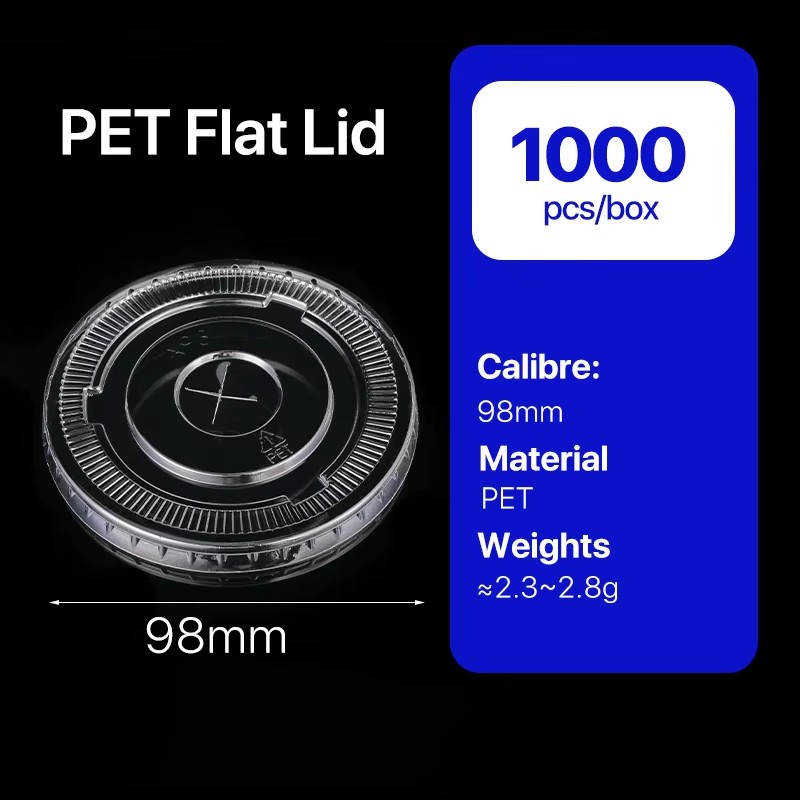
Flat Lids for Standard Cold Drinks
Flat lids provide a compact format for iced coffee, clear tea and other beverages filled below the cup rim.
They may suit products that:
- Are served with a standard straw
- Use a direct-drinking lid design
- Do not require space for high toppings
- Need a compact takeaway profile
- Are prepared quickly during busy service periods
- Need to fit standard drink carriers
The cup diameter and lid specification must be checked as a matched combination.
A lid should not be selected only because it appears to have the same nominal diameter. Actual fit should be confirmed with samples from the selected product series.
Dome Lids for Foam, Cream and Toppings
Dome lids create additional space above the cup.
They can be considered for:
- Iced coffee with whipped cream
- Coffee drinks with cold foam
- Tea with cheese foam or cream topping
- Drinks containing fruit pieces
- Dessert-style café beverages
- Promotional drinks with decorative finishes
The lid opening should match the intended drinking method. A standard straw opening may not be suitable for large fruit pieces or thick toppings.
Testing should use the actual beverage configuration, including ice and toppings.
Clear Cups for Layered Beverage Presentation
Many cold coffee and tea products rely on visual contrast.
A clear PET cup can display:
- Espresso and milk layers
- Coffee foam
- Tea color
- Fruit pieces
- Ice distribution
- Cream or cheese foam
- Syrup gradients
- Plant-based milk combinations
The product should remain visually consistent during the expected serving period.
Some beverages naturally separate after standing. Packaging cannot prevent separation caused by the recipe itself. The formulation, mixing method and serving instructions should be evaluated by the beverage operator.
PET Cans for RTD Coffee and Tea
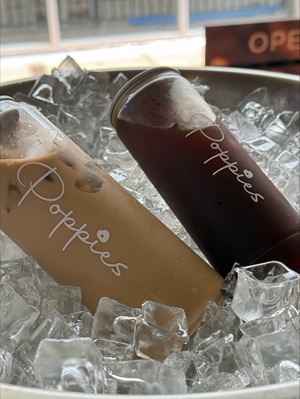
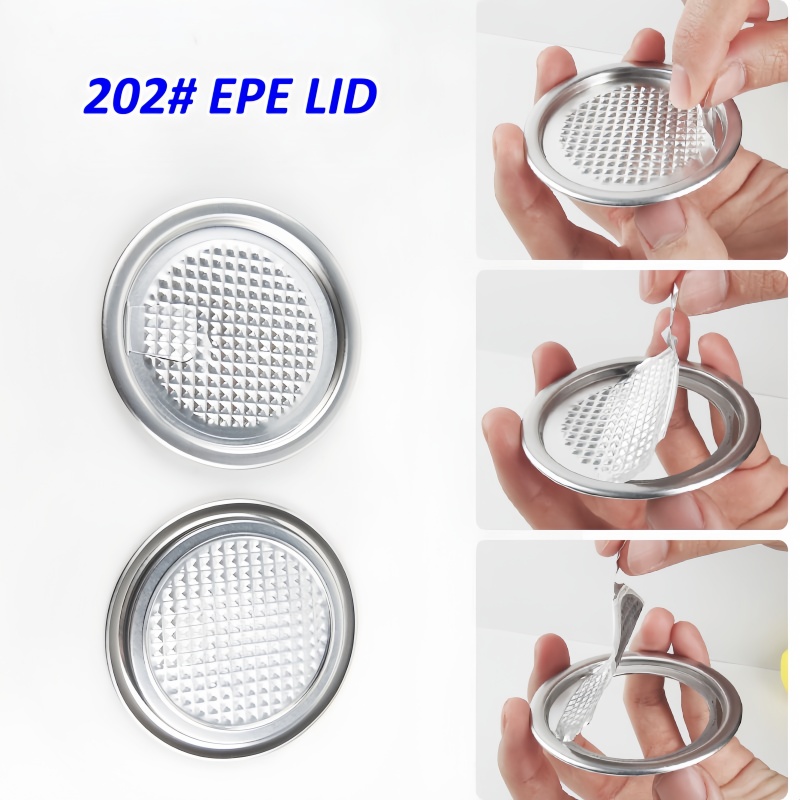
COPAK PET cans combine a transparent PET body with an easy-open aluminum lid. The company’s product range includes PET can formats presented for coffee, tea, juice, milk tea and other beverages.
This format can be considered for:
- Cold brew coffee
- Chilled black coffee
- Iced latte beverages
- Plant-based coffee drinks
- Flavored coffee beverages
- Ready-to-drink black tea
- Ready-to-drink green tea
- Lemon tea
- Fruit tea
- Milk tea
- Herbal tea beverages
- Café grab-and-go products
- Event beverages
- Seasonal drink collections
- Private-label RTD products
The transparent can body gives customers a direct view of the drink while the easy-open lid creates a sealed can-style presentation.
PET cans may be used in café refrigerators, branded display cabinets, event service areas and controlled beverage production environments.
The final application must be confirmed using the actual beverage, filling method and storage conditions.
What Does RTD Mean in Packaging?
RTD means ready to drink.
An RTD beverage is supplied in a finished form that does not require brewing, mixing or preparation by the customer before consumption.
RTD does not automatically mean that the product is shelf-stable at room temperature.
An RTD product may be:
- Produced for refrigerated storage
- Prepared for short-term café display
- Manufactured for cold-chain distribution
- Processed for a longer commercial shelf life
- Sold through convenience or foodservice channels
The intended storage and distribution model should be defined before packaging is selected.
A container that suits a refrigerated café product may not automatically suit a product intended for long-distance ambient distribution.
Coffee Formula Considerations
Coffee packaging decisions should consider more than beverage volume.
Black Coffee and Cold Brew
Black coffee and cold brew may appear simple because they contain fewer visible ingredients. Their flavor and aroma may still be affected by processing, oxygen exposure, filling conditions and storage time.
The beverage producer should evaluate:
- Brewing method
- Filtration
- Cooling time
- Filling temperature
- Headspace
- Closure process
- Refrigerated storage
- Expected consumption period
The packaging supplier can provide the container and closure, but the beverage producer must validate the finished packed product.
Milk-Based Coffee
Milk-based coffee requires close attention to formulation, hygiene and temperature control.
Products may include:
- Dairy milk
- Oat beverages
- Soy beverages
- Almond beverages
- Cream
- Sweeteners
- Flavor concentrates
These ingredients may affect separation, sediment, flavor stability and storage requirements.
The packaging should be tested as part of the complete beverage system. Container selection cannot replace microbiological, process or shelf-life validation.
Coffee with Foam
Foam can affect filling accuracy and required headspace.
If a freshly prepared drink is served in a PET cup, the cup and lid should provide enough room for the intended foam level.
If a coffee beverage is filled into a PET can, the filling process should control foam before sealing. Unstable foam may interfere with fill consistency and closure operations.
Tea Formula Considerations
Tea beverages vary according to leaf type, extraction method, flavor ingredients and processing conditions.
Clear Brewed Tea
Black, green and herbal teas may be packaged in PET cups for immediate service or PET cans for selected RTD projects.
The operator should evaluate:
- Brewing concentration
- Cooling method
- Tea sediment
- Color stability
- Sweetener
- Acidity
- Flavor additions
- Storage temperature
- Expected display time
Fruit and Lemon Tea
Fruit tea and lemon tea may contain juice, fruit concentrate, pulp or small fruit pieces.
The container opening, straw and filling process should match the largest ingredient in the final product.
PET cans may be suitable for filtered or controlled formulas. Large fruit pieces may interfere with filling and drinking through an easy-open lid.
Milk Tea
Milk tea can be served freshly in PET cups or developed as a sealed RTD product.
Freshly prepared milk tea normally requires a cup and lid system suited to the serving method. RTD milk tea requires separate assessment of formula, process, filling hygiene, sealing and cold-chain requirements.
The same container should not be assumed to perform identically across every milk tea formula.
Filling Temperature Must Be Defined
COPAK PET cups and PET cans in this application are primarily positioned around cold beverage uses.
Standard cold beverage PET packaging should not automatically be treated as suitable for hot filling, pasteurization, retort processing or another high-temperature process.
The buyer should provide:
- Beverage temperature at filling
- Temperature after brewing or extraction
- Cooling method
- Time between cooling and filling
- Time between filling and sealing
- Storage temperature
- Distribution conditions
- Any planned heat treatment
A hot beverage should not be poured into a cold-drink PET package without confirming material and process suitability.
If heat treatment is part of the production plan, the container, lid, seal and full process need separate technical validation.
Oxygen, Aroma and Headspace
Coffee and tea quality can be influenced by contact with oxygen.
The degree of sensitivity depends on the recipe, processing method, storage period and distribution model.
Buyers should consider:
- Air incorporated during mixing
- Headspace after filling
- Time before sealing
- Closure consistency
- Storage duration
- Refrigerated or ambient distribution
- Frequency of opening during service
A clear PET container alone does not establish the required oxygen protection for a specific beverage.
Products with strict aroma or oxidation requirements should undergo packaging and shelf-life tests under their actual commercial conditions.
Light Exposure and Clear Packaging
Clear PET packaging improves product visibility, but it also allows the beverage to remain visible to surrounding light.
This may be useful for showing:
- Coffee color
- Milk and espresso layers
- Tea clarity
- Fruit infusion
- Product consistency
- Portion size
Some formulas may change when exposed to prolonged light.
The beverage producer should evaluate the product under its actual display conditions, including refrigerator lighting, store lighting, transportation and storage duration.
Labels, printed areas, shrink sleeves, cartons or controlled display conditions may be used when a product requires reduced light exposure.
Carbonated and Nitrogen-Infused Beverage Projects
A PET can should not automatically be treated as suitable for every carbonated or pressurized beverage.
Carbon dioxide, nitrogen infusion and other pressurized filling processes create different technical requirements from still coffee or tea.
Projects involving carbonation or internal pressure should confirm:
- Container pressure suitability
- Lid specification
- Seaming compatibility
- Filling process
- Internal pressure under storage
- Transportation conditions
- Required product tests
The buyer should state clearly if the planned beverage is carbonated, nitrogen-infused or otherwise pressurized.
Only a container and closure combination confirmed for that process should be used.
Packaging Does Not Establish Shelf Life
The container is one part of an RTD beverage system.
Product shelf life may be affected by:
- Beverage formula
- Water quality
- Brewing and extraction process
- Acidity
- Sugar content
- Dairy or plant-based ingredients
- Filling hygiene
- Cooling method
- Closure integrity
- Oxygen exposure
- Light exposure
- Storage temperature
- Distribution conditions
COPAK can provide PET cups, PET cans, lids and sealing solutions. The beverage producer remains responsible for validating product safety, quality and shelf life.
No shelf-life period should be assigned only from the packaging material or container appearance.
PET Cup or PET Can: Which One Should You Choose?
The choice should follow the beverage operation.
Choose PET Cups When:
- Drinks are prepared after ordering
- Ice is added at the service counter
- Customers select milk, syrup or toppings
- The beverage is consumed shortly after preparation
- Several serving sizes are required
- Flat or dome lids are preferred
- The product is mainly sold for takeaway or delivery
- The business operates as a café or tea shop
Choose PET Cans When:
- Drinks are filled before the customer orders
- Products are displayed in a refrigerator
- A sealed grab-and-go format is needed
- Drinks are produced in planned batches
- The brand wants a can-style opening experience
- The product is sold through events or retail-style channels
- A controlled sealing process is available
- The project includes a private-label RTD range
Using both formats can help a beverage company separate made-to-order service from pre-filled sales.
Selecting the Right Capacity
Capacity should be based on the finished beverage and operating method.
For PET cups, buyers should consider:
- Beverage volume
- Ice volume
- Milk and syrup additions
- Foam level
- Toppings
- Required headspace
- Lid profile
- Cup-holder fit
- Serving price
- Menu size structure
For PET cans, buyers should consider:
- Target net fill
- Required headspace
- Foam during filling
- Product expansion under storage
- Can and lid specification
- Sealing machine setup
- Carton arrangement
- Refrigerator shelf dimensions
Actual filling tests should be completed before the final size is approved.
PET Can Sealing Equipment
PET cans with aluminum easy-open lids require compatible sealing equipment.
COPAK offers PET can sealing machine options alongside its PET can products.
The buyer should confirm:
- PET can dimensions
- Lid specifications
- Required production output
- Manual, semi-automatic or automatic operation
- Available factory space
- Power and utility requirements
- Product changeover needs
- Operator training
- Cleaning procedure
- Seal inspection method
- Maintenance plan
The PET can, lid and sealing machine should be tested together.
A successful empty-container sealing trial does not replace a production trial using the actual beverage and filling conditions.
Takeaway, Refrigerated Display and Distribution
Coffee, tea and RTD products may pass through several handling stages.
The complete pack should be assessed for:
- Lid retention
- Seal consistency
- Cup rigidity
- Condensation
- Stability in drink carriers
- Refrigerator placement
- Carton arrangement
- Movement during delivery
- Cold-chain handling
- Customer opening experience
PET cup tests should reproduce the expected use in cafés, takeaway bags and delivery vehicles.
PET can tests should reproduce the planned filling, sealing, refrigeration, carton packing and transportation process.
Custom Printing and Beverage Branding
COPAK offers custom printing for selected PET cup products. PET can projects may also use labels, stickers or sleeve-based decoration according to project requirements.
Branding options may include:
- Company logo
- Coffee or tea variety
- Flavor name
- Milk or plant-based ingredient identification
- Seasonal design
- Preparation date area
- QR code
- Product instructions
- Social media information
- Promotional graphics
- Private-label branding
Clear areas can be retained to show the beverage.
A balanced layout can present the brand without covering the coffee color, tea clarity or layered ingredients that make the product visually distinctive.
Artwork should be reviewed on the actual container shape before production.
Packaging Solutions for Different Business Models
Coffee Shops
PET cups support made-to-order iced coffee, lattes and seasonal cold drinks. PET cans can be used for pre-filled cold brew and selected refrigerated products.
Tea Shops
PET cups support customized iced tea, fruit tea and milk tea. PET cans can support filtered tea products and planned grab-and-go ranges.
Café Chains
Standardized cup diameters, matching lids and consistent printing can simplify packaging management across different stores.
Restaurants and Bakeries
PET cups can extend takeaway beverage service. PET cans can create a prepared beverage range for display refrigerators.
Beverage Manufacturers
PET cans can support selected RTD coffee and tea projects when the formula, filling process, seal and storage requirements have been validated.
Hotels and Event Businesses
PET cups can serve freshly prepared cold beverages. PET cans can support branded event drinks, welcome beverages and promotional products.
Packaging Distributors
A coordinated range of PET cups, lids, PET cans and sealing equipment can support both foodservice customers and beverage-production clients.
Private-Label Brands
Clear PET cans, custom decoration and sealed RTD formats can support coffee, tea and beverage concepts developed for specific retail or hospitality channels.
Information Buyers Should Prepare
COPAK can provide a more relevant recommendation when the buyer supplies detailed project information.
Prepare the following:
- Beverage name and type
- Coffee, tea or RTD classification
- General formula description
- Presence of dairy or plant-based ingredients
- Presence of pulp, foam or particles
- Carbonated or non-carbonated status
- Nitrogen-infused or non-pressurized status
- Target filling volume
- Actual filling temperature
- Required PET cup or PET can
- Preferred lid or closure
- Required production quantity
- Manual or automated filling method
- Sealing equipment requirement
- Storage temperature
- Expected distribution method
- Custom printing or labeling needs
- Target market
- Sample requirements
Changes to the beverage formula, filling temperature, container, lid or sealing process may require a new validation test.
Why Choose COPAK?
COPAK supplies food and beverage packaging products including PET cups and PET cans. Its current product range includes clear cold beverage cups, flat and dome lids, custom-printed cup options, PET cans with easy-open aluminum lids and PET can sealing equipment.
Buyers can discuss several connected parts of the packaging project with one supplier:
- Clear PET cold beverage cups
- Multiple cup sizes and shapes
- Flat lids
- Dome lids
- Custom-printed PET cups
- Transparent PET beverage cans
- Easy-open aluminum lids
- Label and decoration options
- PET can sealing equipment
- Sample evaluation
- Export packaging
The final recommendation can be adjusted according to beverage type, filling method, closure, order quantity and target market.
Compatibility should be confirmed using samples and the actual beverage before mass production.
Build the Package Around the Beverage Process
Fresh café drinks and RTD products should not be packaged in the same way without considering how they are prepared and sold.
PET cups are suited to made-to-order iced coffee, iced tea, customized drinks and takeaway service.
PET cans provide a sealed and distinctive format for cold brew coffee, ready-to-drink tea and selected refrigerated beverage ranges.
Share the beverage formula, filling temperature, sales channel, storage method and branding requirements with COPAK. The team can help compare PET cups, PET cans, lids and sealing options for the project.
FAQ
Are PET cups suitable for iced coffee?
Yes. PET cups can be used for cold coffee beverages such as iced Americano, iced latte and cold brew served over ice. The cup size and lid should match the beverage, ice level and drinking method.
Can COPAK PET cups be used for iced tea?
COPAK PET cold beverage cups can be considered for iced tea and other cold drinks. The selected cup and lid combination should be tested with the final product.
Which lid is suitable for an iced latte?
A flat lid may suit an iced latte filled below the rim. A dome lid may be more suitable when the drink includes cold foam, whipped cream or decorative toppings.
Are PET cans suitable for cold brew coffee?
PET cans may be considered for chilled cold brew projects. The beverage producer should validate filling, sealing, oxygen exposure, refrigeration and expected shelf life using the finished product.
Can PET cans be used for RTD tea?
PET cans can be considered for selected ready-to-drink tea products. The formula, filling method, closure integrity, light exposure and storage conditions should be tested before commercial production.
Can milk-based coffee be packed in PET cans?
Selected milk-based coffee products may use PET cans, but packaging alone does not establish product safety or shelf life. Formula, processing, filling hygiene, sealing and cold-chain conditions require validation.
Are PET cans suitable for hot-filled coffee or tea?
Standard cold beverage PET cans should not automatically be treated as suitable for hot filling. The actual filling temperature and heat process must be reviewed before packaging is approved.
Can PET cans be used for carbonated coffee or tea?
Do not assume that every PET can is suitable for pressure. Carbonated or nitrogen-infused projects require confirmation of the container, lid, seaming process and pressure conditions.
Does a PET can require a sealing machine?
A PET can used with an aluminum easy-open lid requires compatible sealing equipment. COPAK offers PET can sealing machine options for different project requirements.
Does clear PET packaging protect coffee and tea from light?
Clear PET packaging keeps the beverage visible. Products that are sensitive to prolonged light exposure should be tested under their planned storage and display conditions.
Can PET cups be printed with a café logo?
COPAK provides custom printing for selected PET cup series. The artwork, print area, colors and order requirements should be confirmed before production.
How should a buyer select the correct cup size?
Calculate the beverage, ice, milk, foam and topping volume, then leave enough space for the selected lid and expected handling conditions.
Can PET cups and PET cans be used by the same coffee brand?
Yes. PET cups can support made-to-order drinks, while PET cans can support pre-filled cold brew and refrigerated RTD products.
Should samples be tested before mass production?
Yes. Samples should be tested using the actual beverage, filling temperature, lid or seal, storage method and transportation conditions.
Post time: Jul-22-2026