


Juice and smoothie packaging must match the beverage, filling process and sales channel.
A light fruit juice, a thick smoothie and a drink containing fruit pulp place different demands on the container, lid and serving method. Cup capacity alone is not enough to determine whether a packaging format is suitable.
COPAK supplies clear PET cups and PET cans for juice bars, smoothie shops, cafés, beverage chains, foodservice businesses, distributors and private-label beverage projects.
PET cups support freshly prepared drinks, takeaway service and flexible lid selection. PET cans create a sealed, ready-to-go format for refrigerated displays, events and branded beverage collections.
The packaging system can be selected according to the beverage’s viscosity, fruit content, serving volume, filling temperature, closure method and transportation requirements.
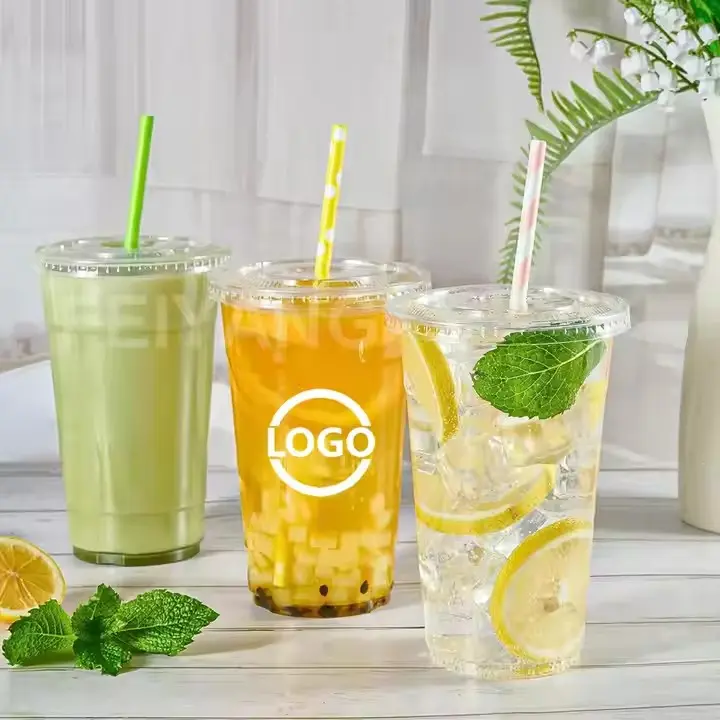
Packaging Requirements for Juice and Smoothie Products
Juice and smoothie businesses often manage several drink formats within the same menu.
A packaging range may need to handle:
- Clear fruit juice
- Cold-pressed juice
- Vegetable juice
- Fruit and vegetable blends
- Thick smoothies
- Protein smoothies
- Yogurt-based drinks
- Milk-based fruit beverages
- Juice with pulp
- Drinks containing seeds or small fruit pieces
- Frozen or partially blended beverages
- Freshly prepared takeaway drinks
- Refrigerated ready-to-go products
Each drink behaves differently during filling, closing, drinking and transportation.
A thin juice may flow easily through a standard drinking opening. A thick smoothie may require a larger straw opening or a dome lid. Drinks containing pulp, seeds or fruit pieces require enough clearance for filling and consumption.
The buyer should evaluate the beverage and packaging together rather than selecting a cup or can only by appearance.
Two PET Packaging Formats from COPAK
COPAK offers two main packaging directions for juice and smoothie applications:
- PET cups for freshly prepared, takeaway and made-to-order drinks
- PET cans for sealed, refrigerated and ready-to-go beverages
Both formats provide a clear view of the drink, but they serve different operating models.
PET Cups for Fresh Juice and Smoothies
Clear PET cups are suitable for juice bars, smoothie shops, cafés, restaurants, fitness centers, food courts and takeaway beverage businesses.
The transparent cup wall allows customers to see the beverage color, consistency and ingredients. This is useful for products built around fresh fruit, vegetable blends, layered recipes or visible inclusions.
PET cups can be considered for:
- Fresh orange juice
- Apple juice
- Watermelon juice
- Lemonade
- Mixed fruit juice
- Green juice
- Vegetable blends
- Mango smoothies
- Berry smoothies
- Protein shakes
- Yogurt smoothies
- Milkshakes
- Frozen fruit drinks
- Smoothie bowls in suitable cup formats
COPAK supplies PET cups in multiple capacities and top diameters. Matching lid options can be selected according to the beverage and serving method.
Flat Lids for Standard Juice Service
Flat lids create a compact package for fruit juice, vegetable juice and other drinks with a relatively fluid consistency.
Depending on the selected lid design, the drink may be served with a straw or through a direct-drinking opening.
Flat lids are commonly considered when:
- The drink has a light or medium consistency
- The product does not extend above the cup rim
- Compact stacking and takeaway handling are important
- A simple, clean presentation is preferred
The exact cup and lid combination should be confirmed before ordering.
Dome Lids for Smoothies and Topped Drinks
Dome lids provide additional space above the cup.
They are useful for smoothies, milkshakes and blended drinks finished with whipped toppings, fruit pieces, granola or decorative ingredients.
A dome lid may be more suitable when:
- The drink is filled above the normal cup line
- A thick straw is required
- Toppings need visible space
- The product is designed for immediate consumption
- The presentation is part of the customer experience
The opening size should be checked against the straw diameter and the largest ingredient expected to pass through it.
Selecting a Straw Opening
Smoothies often require a wider drinking path than standard juice.
The correct opening depends on:
- Beverage viscosity
- Pulp level
- Seed content
- Size of fruit particles
- Straw diameter
- Drinking temperature
- Expected drinking time
A straw that works with clear juice may not work well with a dense fruit smoothie.
Testing should use the finished beverage rather than water alone.
PET Cans for Ready-to-Go Juice Products
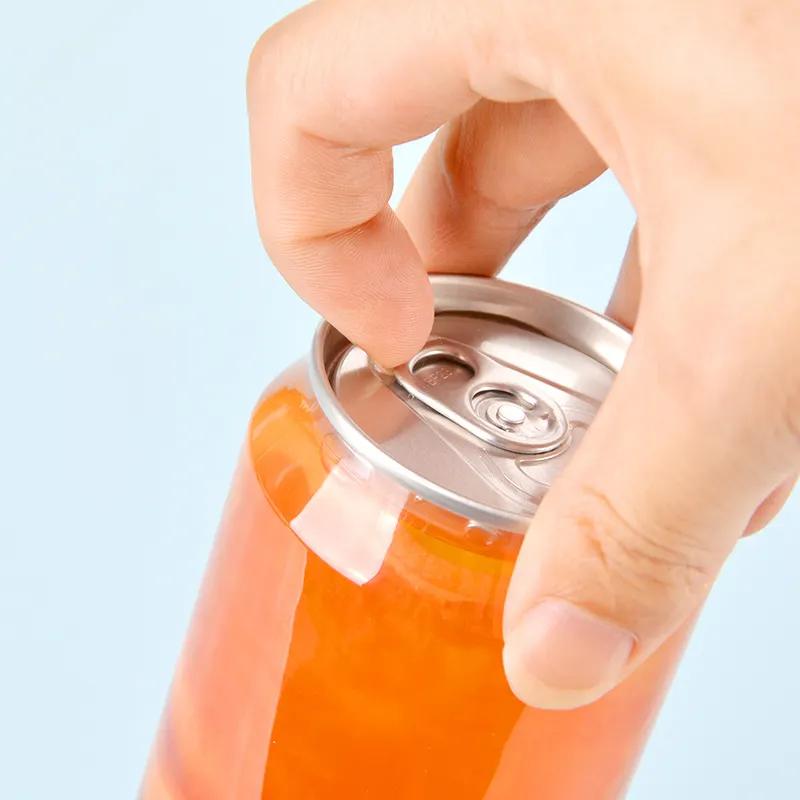
COPAK PET cans combine a transparent PET body with an easy-open aluminum lid.
This format gives juice brands the visual clarity of transparent packaging and the familiar opening experience of a can. It can be used to create a more distinctive presentation for refrigerated and ready-to-go drinks.
PET cans can be considered for:
- Chilled fruit juice
- Mixed juice beverages
- Lemonade
- Fruit tea and juice blends
- Vegetable juice
- Coconut-based drinks
- Protein beverages
- Light smoothies
- Promotional beverages
- Event drinks
- Café grab-and-go products
- Private-label beverage collections
The transparent body displays the natural color and texture of the beverage. This can support product identification in refrigerators, display cabinets and branded content.
The suitability of a PET can should still be confirmed against the actual beverage formula and filling process.
Can Thick Smoothies Be Packed in PET Cans?
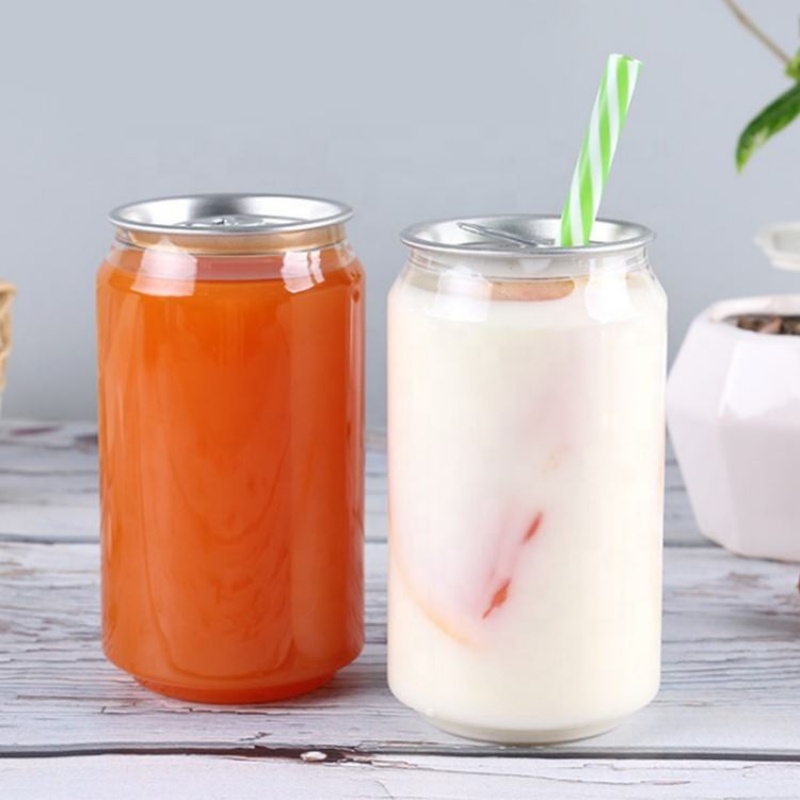
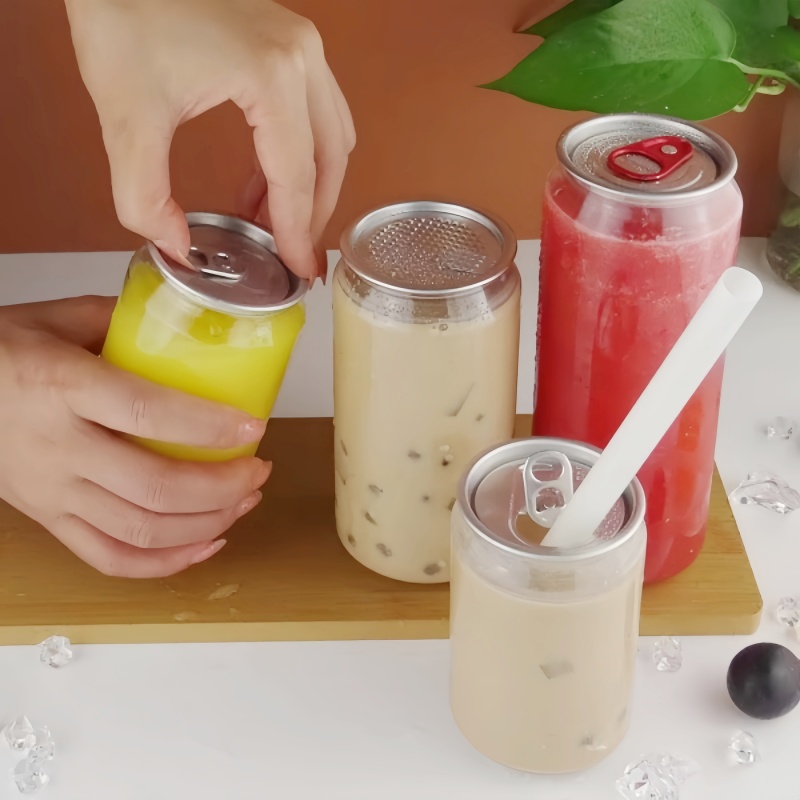
PET cans may be used for selected smoothie products, but not every smoothie is equally suitable.
A dense smoothie containing large fruit pieces, seeds, ice fragments or fibrous ingredients may be difficult to drink through an easy-open can lid. Product residue may also remain inside the container if the formula is extremely thick.
Before choosing PET cans for smoothies, buyers should evaluate:
- Finished viscosity
- Particle size
- Pouring behavior
- Drinking experience
- Lid opening size
- Filling accuracy
- Product separation during storage
- Cleaning and hygiene controls during filling
Light smoothies and drinkable fruit blends are generally easier to package in a can-style format than spoonable or highly viscous products.
The final decision should be based on filling and consumption trials using the actual recipe.
PET Cup or PET Can: Which Format Fits the Product?
The correct format depends on where and how the beverage is prepared and sold.
PET Cups Are Better Suited to:
- Drinks prepared after the customer orders
- Juice bars and smoothie shops
- Products served immediately after blending
- Thick smoothies that require wide straws
- Drinks with toppings or visible fruit pieces
- Menus with several cup sizes
- Takeaway and delivery orders
- Businesses using flat or dome lids
PET Cans Are Better Suited to:
- Drinks prepared in planned production batches
- Refrigerated grab-and-go products
- Sealed juice concepts
- Café display refrigerators
- Events and promotional programs
- Private-label beverage lines
- Brands seeking a differentiated package
- Products filled through a controlled sealing process
Some beverage businesses use both formats.
PET cups can support fresh, made-to-order smoothies, while PET cans can support pre-filled juices placed in a refrigerator for faster service.
This approach allows the packaging format to follow the preparation method instead of forcing every beverage into the same container.
Filling Temperature Must Be Confirmed
PET cups and PET cans should not be selected without checking the filling temperature.
Standard cold beverage packaging should not automatically be treated as suitable for hot filling. Elevated temperatures may affect container shape, closure performance and handling.
Buyers should provide COPAK with:
- Actual filling temperature
- Beverage temperature after processing
- Cooling method
- Time between filling and sealing
- Storage temperature
- Transportation conditions
If the beverage involves hot filling, pasteurization, retort processing or another heat treatment, the complete packaging process must be assessed separately.
The container, lid and sealing process should be confirmed for the intended conditions before commercial production.
Packaging Does Not Determine Shelf Life by Itself
The shelf life of a juice or smoothie cannot be established from the container alone.
Shelf life may be affected by:
- Beverage formulation
- Acidity
- Sugar content
- Fruit and vegetable ingredients
- Processing method
- Filling hygiene
- Closure integrity
- Oxygen exposure
- Storage temperature
- Light exposure
- Distribution conditions
Packaging tests should be completed as part of the beverage producer’s own product validation process.
COPAK can provide the PET container and matching closure solution, while the beverage manufacturer remains responsible for confirming that the complete packed product is suitable for its intended shelf life and market.
Clear Packaging for Product Presentation
Juices and smoothies are strongly influenced by color and texture.
A clear package allows customers to see:
- Natural fruit colors
- Vegetable blends
- Layered smoothie recipes
- Seeds and fruit particles
- Product consistency
- Portion size
- Freshly prepared ingredients
This visibility can support display in juice bars, cafés, refrigerators and retail counters.
Clear packaging may not be appropriate for every light-sensitive formula. Products that can change under prolonged light exposure should be evaluated under their real storage and display conditions.
Labels, sleeves, cartons or controlled refrigerator lighting may form part of the final packaging plan.
Capacity Selection for Juice and Smoothies
The stated liquid volume is only one part of size selection.
A smoothie may occupy a different amount of space after blending because of foam, trapped air, ice and fruit solids. A cup selected only according to the recipe’s liquid ingredients may leave too little filling clearance.
The buyer should consider:
- Final beverage volume after blending
- Foam generated during preparation
- Ice content
- Pulp and fruit solids
- Toppings
- Required headspace
- Lid profile
- Drinking method
- Cup-holder dimensions
- Serving price and portion strategy
For PET cans, the buyer should also consider the relationship between filling volume and required headspace before sealing.
Actual filling trials are recommended before the final capacity is approved.
Closure and Sealing Selection
The closure is a functional part of the packaging system.
For PET cups, COPAK provides matching lid options for selected cup series, including flat and dome designs. Cup diameter and lid specifications should be checked together.
For PET cans, the PET body, aluminum easy-open lid and sealing equipment need to operate as one system.
The buyer should confirm:
- Can opening specification
- Aluminum lid specification
- Sealing machine compatibility
- Production speed
- Changeover requirements
- Seal inspection process
- Operator training
- Cleaning and maintenance arrangements
COPAK can also provide sealing equipment for PET can projects.
The machine should be selected according to the can size, production volume and required level of automation. A sealing trial should be completed before regular production begins.
Takeaway and Delivery Performance
Juices and smoothies may be carried by hand, placed in bags, transported by delivery riders or stored in refrigerated vehicles.
The complete pack should be evaluated for:
- Lid retention
- Seal consistency
- Cup rigidity
- Resistance to accidental opening
- Stability inside a cup holder
- Compatibility with carrying trays
- Carton packing arrangement
- Refrigerated handling
- Condensation
- Movement during delivery
Smoothies can be heavier than clear juice because of fruit solids, yogurt, ice and other ingredients.
A cup and lid combination that performs well with water should still be tested with the finished smoothie.
Delivery testing should reproduce the expected journey, handling time and storage temperature as closely as practical.
Custom Printing and Brand Presentation
COPAK offers clear and custom-printed PET packaging options.
Custom printing can help juice and smoothie businesses present a consistent identity across stores, events, delivery orders and retail channels.
Possible design elements include:
- Brand logo
- Product name
- Flavor identification
- Ingredient message
- Measurement marks
- Promotional artwork
- Seasonal graphics
- QR codes
- Social media information
- Drinking instructions
- Private-label branding
Selected PET cup series can support multicolor printing. PET cans may also be developed with labels, printed stickers or shrink-sleeve decoration according to the project.
Artwork should be reviewed against the container shape and visible product area. Heavy decoration may reduce the visual benefit of a clear package, while a carefully positioned design can preserve product visibility.
Packaging for Different Juice and Smoothie Businesses
Juice Bars
PET cups support quick filling, multiple serving sizes and immediate consumption. Flat lids can be used for many fluid juices, while dome lids support blended drinks and toppings.
Smoothie Shops
Clear PET cups allow customers to see color, texture and layered ingredients. Wide openings and compatible straws should be selected for thick formulas.
Cafés and Restaurants
PET cups can support made-to-order drinks. PET cans can be used for pre-filled juice products stored in refrigerated display areas.
Fitness Centers and Health-Focused Businesses
PET cups may be used for freshly blended protein drinks and smoothies. PET cans can create a sealed format for selected ready-to-go beverages.
Beverage Chains
Standardized cup diameters, coordinated lids and consistent printing can simplify packaging management across several locations.
Beverage Producers
PET cans may support planned filling and sealing operations for chilled juice and drinkable smoothie products. Formula, process and shelf-life testing remain necessary.
Packaging Distributors
A coordinated range of PET cups, lids, PET cans and sealing equipment allows distributors to serve both foodservice and small beverage-production customers.
Private-Label Brands
Custom decoration, clear packaging and different container formats can support branded juices, promotional beverages and seasonal product collections.
Information to Prepare Before Requesting a Quotation
Accurate project information helps COPAK recommend a more suitable packaging combination.
Buyers should provide:
- Beverage type
- Ingredient list or general formula description
- Juice, smoothie or blended beverage classification
- Product viscosity
- Pulp, seeds or particle size
- Target filling volume
- Actual filling temperature
- Required cup or can format
- Preferred lid or sealing method
- Straw diameter, when applicable
- Manual or automated filling process
- Required sealing equipment
- Estimated order quantity
- Custom printing requirements
- Target market
- Storage conditions
- Transportation method
- Required samples
The product should be tested again if the recipe, filling process, closure or container size changes.
Why Choose COPAK for Juice and Smoothie Packaging?
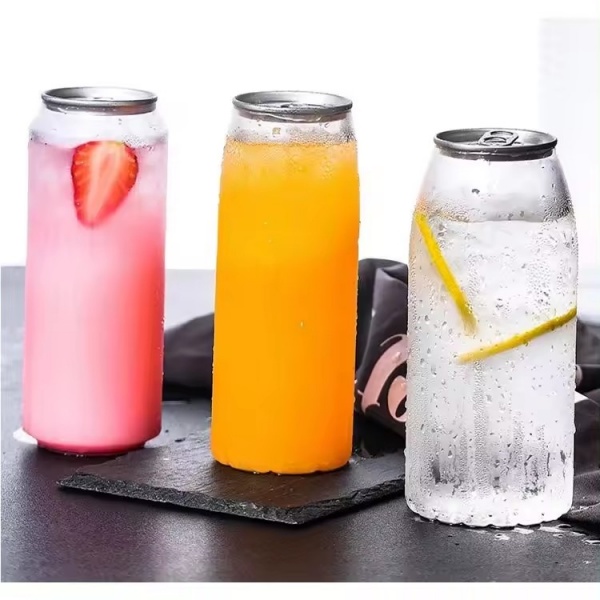
COPAK supplies PET cups, PET cans and related closure options for cold beverage applications.
The available packaging range allows buyers to source several connected components through one supplier, including:
- Clear PET cups
- PET cups in multiple capacities
- Flat lids
- Dome lids
- Custom-printed PET cups
- Transparent PET cans
- Aluminum easy-open lids
- Labels and decorative options
- PET can sealing machines
- Sample support
- Export packaging
COPAK can recommend packaging according to the beverage format, capacity, closure method and purchase volume.
Final compatibility should be confirmed through samples and actual filling tests before mass production.
Build a Packaging System Around the Beverage
Juice and smoothie packaging should be selected around the finished product, not around a container image alone.
PET cups provide a practical format for fresh preparation, thick smoothies, takeaway service and flexible lids.
PET cans provide a sealed and distinctive option for chilled juices, drinkable blends and ready-to-go beverage programs.
Share your beverage type, viscosity, filling volume, temperature, closure method and branding requirements with COPAK. The team can help compare suitable PET cups, PET cans, lids and sealing options for your project.
FAQ
Are PET cups suitable for smoothies?
Yes. PET cups are widely used for cold smoothies and blended beverages. The cup capacity, lid design, straw opening and filling clearance should match the finished drink.
Which lid is better for smoothies?
A flat lid may suit a smoothie filled below the cup rim. A dome lid is useful when the drink includes whipped toppings, fruit pieces or additional ingredients above the normal fill line.
Can COPAK PET cups be used for fruit juice?
COPAK PET cups are designed for cold beverage applications, including juice. The final cup and lid combination should be tested with the actual beverage and filling conditions.
Can juice cups be printed with our logo?
Yes. COPAK offers custom printing for selected PET cup series. Artwork, colors, printing area, quantity and production requirements should be confirmed before ordering.
Are PET cans suitable for cold-pressed juice?
PET cans may be considered for chilled juice projects. The beverage producer should confirm filling hygiene, sealing integrity, storage conditions and required shelf life through product testing.
Can thick smoothies be packed in PET cans?
Selected drinkable smoothies may be suitable. Very thick products or drinks containing large particles may be difficult to fill or consume through an easy-open can lid. Testing with the finished recipe is required.
Do PET cans require a sealing machine?
Yes. PET cans used with aluminum easy-open lids require compatible sealing equipment. COPAK can provide PET cans, lids and related sealing machine options.
Can standard PET packaging be used for hot filling?
Suitability must be confirmed according to the actual container and process. Standard cold beverage PET cups and cans should not automatically be treated as hot-fill packaging.
How should I select the correct cup size?
Calculate the finished volume after blending, including foam, ice, fruit solids and toppings. Leave enough filling clearance for the selected lid.
Can one lid fit several cup capacities?
Some cup series may share the same top diameter and lid. Compatibility depends on the selected product series and should be confirmed before ordering.
Should we test samples before mass production?
Yes. Samples should be tested with the actual beverage, filling temperature, lid, straw, sealing process and transportation method.
Does clear PET packaging protect juice from light?
Clear PET packaging provides strong product visibility, but the beverage remains visible to light. Light-sensitive products should be evaluated under the intended storage and display conditions.
Can PET cups and PET cans be used in the same product range?
Yes. PET cups can serve freshly prepared beverages, while PET cans can be used for sealed and ready-to-go products. Using both formats can help a brand support different sales channels.
Post time: Jul-22-2026