



The better format for your beverage depends on your priorities. Both pet cans vs pet bottles use the same plastic, so shape and structure drive the real differences. This guide compares shelf life, sustainable packaging benefits, convenience, cost, and best uses. You will find a clear framework to choose the right pet bottle packaging or can.
Key Takeaways
- ☑ PET cans keep carbonated drinks fizzy and stack well for stores.
- ☑ PET bottles let you reseal and store drinks for later.
- ☑ Both options are recyclable and light, which saves energy and money.
PET Cans vs PET Bottles: Key Differences
Both packaging formats begin with the same plastic resin. This plastic offers excellent clarity and barrier properties. The core differences come from molding and structure. This material comparison helps you choose suitable pet bottle packaging for your beverage product. Understanding these distinctions guides your selection process.
How PET Cans Are Made
Cans start as injection-molded preforms. These plastic preforms undergo heating and stretching. A blowing process transforms them into cylindrical shapes. Trimming removes excess material. The result is a smooth, stackable container. PET cans work well for single-serve applications. Sizes cover a wide range for single-serve applications. Custom sizing meets specific product volume needs. Clear transparent finishes showcase the contents. Custom printed designs strengthen brand identity on shelves. The cylindrical shape allows efficient stacking for retail displays. Consumers find cans easy to grip and carry. This format suits on-the-go consumption and single servings. The lack of a threaded neck simplifies the design and reduces production steps.
How PET Bottles Are Made
Bottles rely on blow molding with a threaded neck. This neck accepts resealable closures. Multi-serve formats become practical for consumers. People enjoy portion control and storage convenience. The same variety of sizes applies. Custom sizing remains available. Clear transparent containers display product appeal. Custom printed designs support brand marketing goals. The threaded neck enables a tight seal. This extends product freshness after opening. This format works well for larger volume servings. Consumers can close and store the remaining contents easily. This resealability reduces waste and improves convenience.
Product Protection and Shelf Life
Barrier Performance and Carbonation
PET provides excellent barrier properties for oxygen and light. This plastic material protects beverage contents from external elements. Aluminum cans offer a near-airtight seal. PET bottles add resealability to the barrier equation. Each format delivers distinct protective advantages.
| Format | Best For | Key Strength |
|---|---|---|
| PET Cans | Carbonated drinks, energy drinks | Near-airtight seal, carbonation retention |
| PET Bottles | Juices, iced coffee, water, smoothies | Resealability, multi-serve freshness |
Sustainable PET Bottle Packaging and Cans
| Material | EPA estimated recycling rate |
|---|---|
| PET bottles | 23.2% |
| Aluminum | 36.9% |
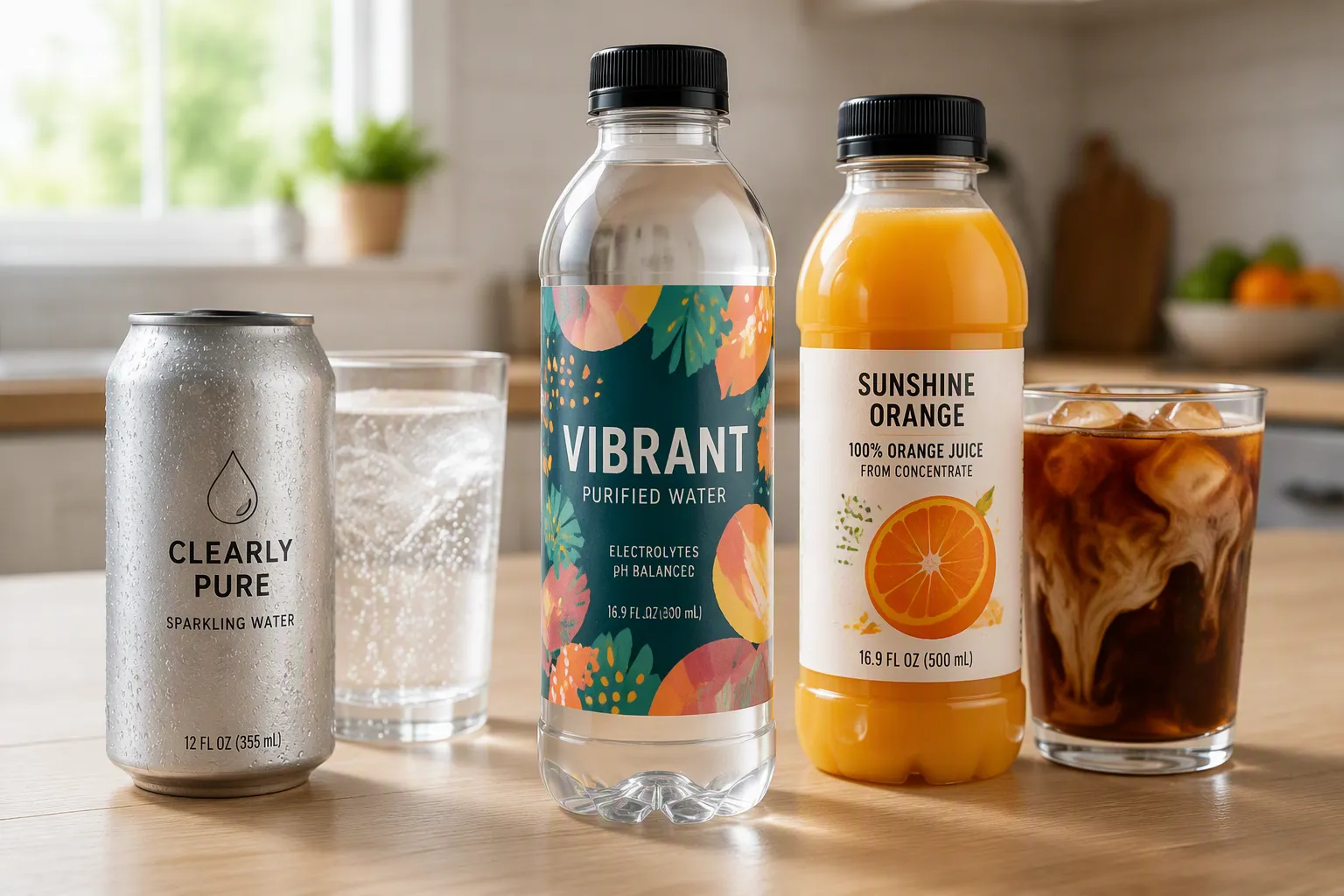
Best Use Cases by Beverage Type
FAQ
How do the formats differ for carbonation retention?
Cans provide a near-airtight plastic seal that preserves gas pressure effectively. This design keeps carbonated drinks fresh throughout storage and distribution.
What sustainability benefits do these packaging options offer?
PET beverage bottles offer sustainability advantages over aluminum cans in energy, water, and waste reduction.
What sealing speeds can I expect for PET containers?
Fully automatic high-speed sealers are capable of high throughput. Equipment is built with food-grade stainless steel for safety.
Post time: Sep-20-2026