


In the hyper-competitive world of beverage retail, the battle for consumer attention is won or lost in milliseconds. As we move deeper into the 2020s, the traditional dominance of aluminum and glass is being challenged by a disruptor that combines the best of both worlds: the PET Can.
For beverage brands—from craft sodas and sparkling waters to cold brew coffees and functional energy drinks—packaging is no longer just a vessel; it is the primary marketing tool. But how exactly does making the switch to clear, polyethylene terephthalate (PET) cans translate into hard sales figures?
At COPAK, we have analyzed market trends, consumer psychology, and supply chain logistics to answer the defining question of the year: In what ways will PET cans ignite beverage sales?
This comprehensive guide explores the visual, logistical, and sustainable advantages that make PET cans the catalyst for the next generation of beverage growth.
1. The “See-Through” Advantage: Visual Transparency as a Sales Trigger
The most immediate answer to how PET cans ignite sales lies in a simple psychological truth: Consumers trust what they can see.
For decades, the beverage industry hid its products behind aluminum walls. While effective for branding, it disconnected the consumer from the sensory experience of the drink itself. PET cans shatter this barrier.
The Psychology of “Appetite Appeal”
When a customer walks down a supermarket aisle, they are bombarded with colors and logos. A clear PET can offers something different: the product itself.
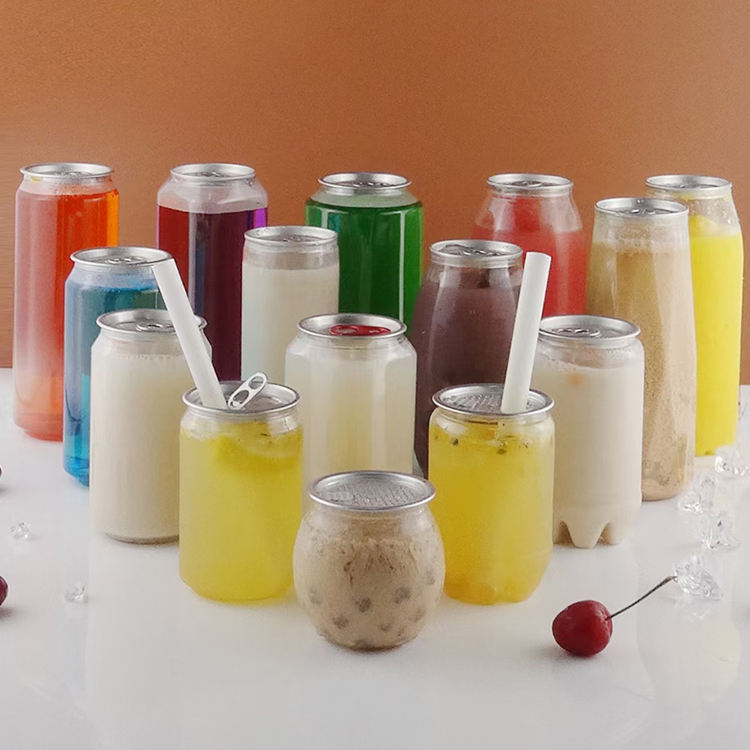
- Texture and Color: For vibrant products like fruit-infused sparkling waters, cold-pressed juices, or nitro-infused coffees, the rich colors and textures are the selling point. A PET can allows the vibrant red of a strawberry soda or the creamy cascade of a nitro coffee to act as the advertisement.
- The Carbonation Effect: Seeing the bubbles rise in a carbonated beverage creates an immediate subconscious thirst response. It signals freshness and effervescence in a way a static image on an aluminum can never could.
Shelf Differentiation
In a “sea of sameness” where aluminum cans dominate the shelf, a clear can is a visual disruption. Studies in retail psychology suggest that distinctive packaging shapes and materials capture the eye faster than standard formats. By adopting PET cans, brands automatically differentiate themselves as premium, modern, and transparent—literally and figuratively.
2. Marketing Flexibility: A Canvas for Creativity
While the transparency is the star, the marketing potential of the PET can extends far beyond just being clear. It offers a unique hybrid of labeling and direct-view marketing that ignites sales through versatility.
The “No-Label” Look
Many premium brands are opting for minimal labeling—perhaps just a small transparent sticker or direct print—to let the liquid shine. This aligns with the “clean label” trend in food and beverage, where consumers associate minimal packaging design with natural, healthy ingredients.
Interactive Experiences
PET cans allow for unique engagement strategies. Brands can print on the back of a label placed on the inside of the can (visible only through the liquid or after drinking), creating a “discovery” moment for the consumer. This gamification of packaging encourages repeat purchases and social media sharing—key drivers for Gen Z and Millennial demographics.
3. Logistical Efficiency: Boosting Margins to Fuel Sales Growth
Sales aren’t just about revenue; they are about profitability. One of the most significant ways PET cans ignite business growth is by reducing the cost of goods sold (COGS) through superior logistics.
The Weight Advantage
Shipping liquids is expensive. Shipping heavy packaging materials is wasted money.
- Glass vs. PET: Glass is heavy and fragile. A standard glass bottle can weigh 200g+, whereas a PET can of similar volume might weigh only 20g-30g.
- Fuel Savings: This drastic reduction in weight allows brands to ship more product per truckload, significantly lowering fuel costs and carbon emissions per unit. These savings can be reinvested into marketing campaigns to drive top-line sales.
Eliminating “Breakage Loss”
For brands currently using glass, breakage during transport and retail handling is a constant drain on profit. PET is virtually shatterproof. It survives drops in the warehouse, bumps on the conveyor belt, and fumbles by the consumer. By eliminating product loss due to breakage, brands immediately improve their bottom line and retailer relationships. Retailers prefer stocking products that don’t create cleanup hazards in aisle 4.
4. Supply Chain Resilience: Avoiding the Aluminum Trap
The beverage industry has faced significant headwinds recently due to fluctuations in aluminum supply and pricing. Geopolitical tensions and raw material shortages have occasionally left small-to-mid-sized beverage brands without cans, halting their sales entirely.
PET offers a stable alternative. As a PET manufacturer, COPAK controls production timelines with greater flexibility than massive aluminum smelting operations.
- Inventory Security: Diversifying packaging to include PET cans insulates a brand from single-material market crashes.
- Speed to Market: We can often produce and ship PET can orders with shorter lead times than aluminum suppliers, allowing brands to launch seasonal flavors or respond to viral trends faster. Being the first to shelf ignites sales.
5. The Sustainability Narrative: Winning the Eco-Conscious Shopper
A common misconception is that plastic is always the enemy. However, in the context of the circular economy and carbon footprint, PET cans offer a compelling narrative that, when communicated correctly, drives sales among eco-conscious consumers.
Highly Recyclable (The “rPET” Revolution)
PET (Polyethylene Terephthalate) is the most recycled plastic in the world. Unlike multi-layer pouches or mixed-material cartons, PET cans enter a well-established recycling stream.
- Circular Economy: At COPAK, we are committed to closing the loop. PET cans can be recycled back into new PET cans or fiber.
- Lower Energy Production: Manufacturing a PET can requires significantly less energy (and thus produces fewer greenhouse gases) than smelting aluminum or melting glass.
Resealability and Food Waste
While standard PET cans use aluminum Easy-Open Ends (EOE), innovation is moving toward resealable options or caps. However, even in standard formats, the durability of PET means consumers can toss a drink in a bag without fear of shattering, reducing food waste caused by packaging failure.
6. Technical Superiority: Preserving Flavor to Ensure Repeat Purchases
A first sale is driven by marketing; the second sale is driven by quality. If the beverage tastes flat or oxidized, the customer won’t come back. This is where modern PET technology ignites long-term sales retention.
Barrier Technologies
Early plastic containers struggled with gas permeability—CO2 getting out, or Oxygen getting in. Today, COPAK utilizes advanced barrier technologies (such as multi-layer structures or scavengers) that rival glass.
- Carbonation Retention: Our PET cans are engineered to hold carbonation pressure, ensuring that the soda or sparkling water has that critical “bite” upon opening, even after months on the shelf.
- Flavor Protection: Oxygen barriers prevent oxidation, which is critical for sensitive beverages like wine, craft beer, and juices. By guaranteeing product integrity, PET cans protect the brand’s reputation.
BPA-Free and Food Safety
Modern consumers are hyper-aware of chemical leaching. Our PET cans are produced in strict compliance with food safety standards, are BPA-free, and do not impart any “metallic” taste to the beverage—a common complaint with some aluminum cans. The result is a purer taste profile that wins blind taste tests.
7. Versatility Across Beverage Categories
Finally, PET cans are igniting sales because they are not limited to one vertical. They are crossing boundaries:
- Craft Beer: Showcasing the hazy color of an IPA.
- RTD Cocktails: Mimicking the look of a highball glass.
- Energy Drinks: Standing out with neon colors in a crowded fridge.
- Cold Brew Coffee: Highlighting the rich, dark texture.
- Kombucha: Allowing customers to see the sediment and authenticity of the ferment.
This versatility means that a single co-packer or brand house can utilize PET cans across multiple product lines, streamlining their operations and creating a cohesive “family” look on the shelf.
The Future is Clear
The question is no longer if PET cans will impact the market, but how fast brands will adapt to seize the opportunity.
PET cans ignite beverage sales by:
- Capturing Attention: leveraging transparency for maximum shelf appeal.
- Reducing Costs: cutting shipping weight and breakage losses.
- Ensuring Quality: utilizing advanced barriers to preserve taste.
- ** offering Resilience:** providing a stable alternative to volatile aluminum markets.
For beverage manufacturers looking to disrupt the status quo and connect with consumers on a sensory level, the PET can is the vehicle of the future.
Ready to Ignite Your Sales?
At Copark, we specialize in high-quality, customizable PET can solutions tailored to your unique beverage requirements. Whether you are launching a new sparkling juice or repackaging a classic craft soda, our engineering team is ready to help you make the clear choice.
Contact us today at to request a sample kit and see the difference for yourself.
Post time: Dec-23-2025