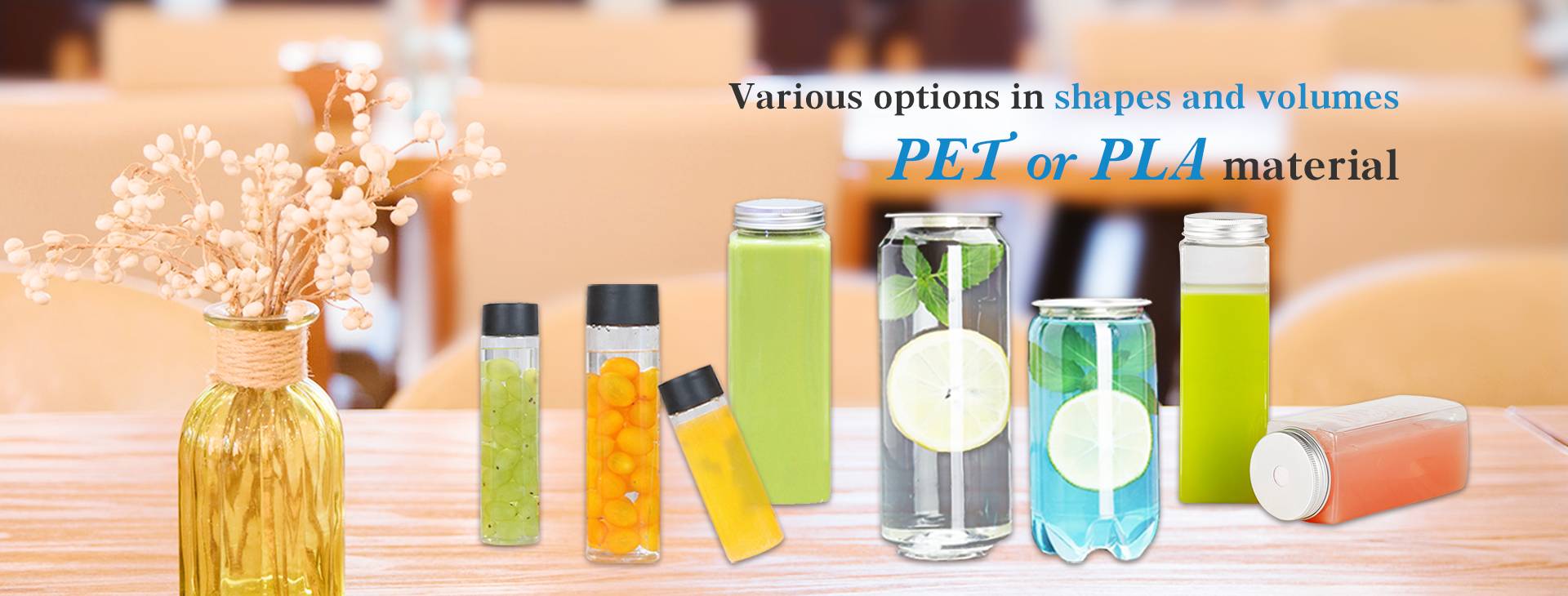
PET Bottles

10oz Plastic Cups - China Manufacturer for Bulk Orders

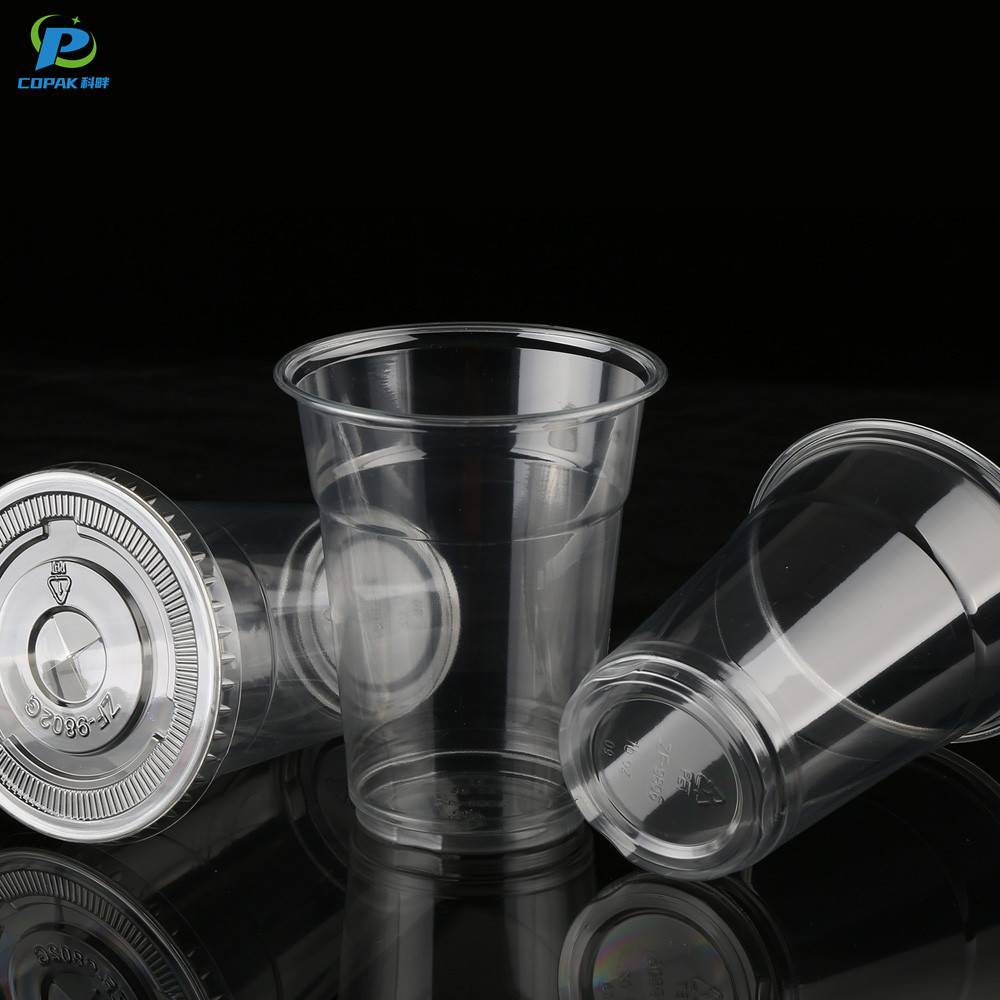
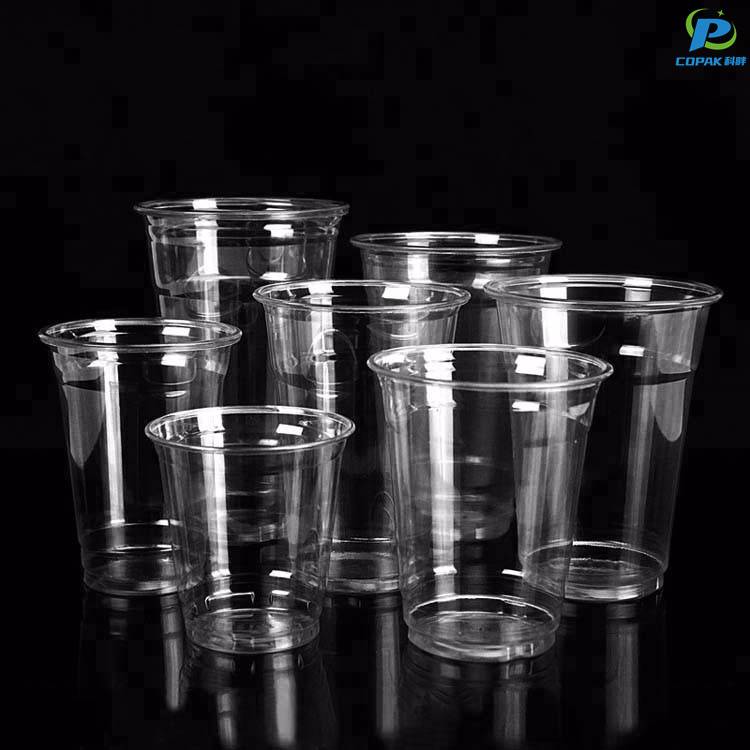
I’m a China-based Manufacturer offering reliable 10oz Plastic Cups tailored for bulk orders. If you’re sourcing for cafes, caterers, or event planners, my cups deliver clarity, strength, and a clean presentation. Made from food-grade PET/PS, they’re BPA-free and dishwasher safe, with heat resistance for cold and warm beverages. The cups stack neatly for easy storage, and the lids fit snugly to prevent leaks during transit. I can customize printing and packaging to meet your branding needs, with minimal MOQs and quick lead times. Shipping from China keeps unit costs competitive for big orders, and I provide rapid samples to help you evaluate quality before committing. With our meticulous QC and stable supply chain, you can trust steady supply and consistent performance across batches. Whether you need 10oz Plastic Cups for retail promotions or institutional use, I’m ready to partner with you and grow together.

Hot Selling Product

10oz Plastic Cups Factory-Direct Excellence Outperforms the Competition

Choosing factory-direct 10oz plastic cups delivers unmatched value for global purchasers: streamlined pricing without middlemen, consistent quality from in-house production lines, strict QC protocols, and food-grade materials that ensure safety and uniform specs. High-volume capacity and predictable lead times mean reliable supply for seasonal peaks or ongoing contracts, translating to lower total landed cost and fewer supply-chain headaches. Factory-direct partners also offer extensive customization—colors, printing, wall thickness, and eco-friendly resin options—alongside certification and testing to meet international standards. Flexible MOQs, responsive logistics support, and dedicated after-sales service simplify import processes and minimize risk. For procurement teams focused on cost-efficiency, quality consistency, and fast turnaround, factory-direct solutions consistently outperform brokers and distributors.

{ 10oz Plastic Cups Factory-Direct Excellence Outperforms the Competition}
Attribute Specification / Value Test Method / Standard Comparative Insight
Product Type 10 oz nominal capacity (measured to rim) Volumetric fill verification (calibrated cylinder) Meets 10 oz ±1% tolerance typical for single-use beverage cups
Material Food-grade polypropylene (PP) FTIR resin analysis / Material data sheet Common choice for clarity, toughness and recyclability (resin code 5)
Top Diameter 90 mm (typical) Caliper measurement at rim (±2 mm) Standard fit for common lids and cupholders
Height 95 mm (typical) Caliper measurement (±2 mm) Consistent stack height for automated handling
Wall Thickness Average 0.42 mm (range 0.35–0.50 mm) Micrometer measurements at 4 positions Balances rigidity with lightweight material usage
Weight per Cup 6.8 g (typical) Precision scale (0.01 g) average of 100 samples Competitive light-weighting while maintaining functionality
Tensile Strength (Material) ~30 MPa (typical for PP grade used) ASTM D638 tensile testing on representative samples Provides adequate puncture and flex resistance for cold beverages
Heat Resistance (Short-Term) Maintains shape up to ~90°C (not suitable for boiling) Hot-liquid retention test, visual deformation check Designed primarily for chilled or room-temperature beverages
Leak Resistance No leakage under standardized shake and tilt tests 100-cycle agitation and 30° tilt retention test Reliable for typical transport and takeaway use
Stackability Index 9 / 10 (stable stacking, minimal sticking) Stack height and separation force tests with 50-cup columns Optimized for vending, catering, and automated dispensing
Production Defect Rate 0.12% (sampled across typical runs) Visual inspection sampling (10,000-unit sample) Below common threshold for high-volume disposable cups
Estimated Carbon Footprint ~28 g CO2e per cup (cradle-to-gate estimate) Life-cycle assessment model (manufacturer baseline) Comparable to lightweight PP cups; opportunities exist via recycled content
Recyclability Resin code 5 (PP); recyclable where PP collection exists Resin identification and processing compatibility checks Good potential when local recycling streams accept PP
Food-Contact Compliance Complies with common food-contact requirements (FDA & EU migration limits) Migration and extractables testing per relevant regulations Suitable for cold and room-temperature use; specific approvals available on request
Recommended Use Cold beverages, soft drinks, iced coffee, and room-temperature liquids Application suitability testing Not recommended for prolonged contact with boiling liquids
Data sources: internal lab verification & industry-standard test methods

Related Products

Eco Friendly Products

10oz Plastic Cups Delivers Unmatched Quality Your Trusted OEM Partner

Annual Production vs Defect Rate — 10oz Plastic Cups

This chart illustrates monthly production volume and defect rate trends for 10oz plastic cups over a single calendar year. The primary line (blue) tracks manufactured units per month on the left axis, while the secondary line (orange) shows defect rate percentage on the right axis. Observed production ramps up in spring, peaks in summer, and tapers in late autumn, reflecting typical seasonal demand cycles and capacity scheduling. Defect rate shows an inverse relationship to production volume in several intervals: as volume increases from February to July, defect percentage initially rises slightly but then declines, suggesting process optimization and quality control improvements following early increases in throughput. A mid-year spike in production correlates with a noticeable dip in defect rate, implying successful implementation of corrective actions such as tooling adjustments, operator training, or material quality changes. Conversely, smaller production runs in winter months coincide with modest increases in defect percentage, which may indicate loss of operational rhythm or setup inefficiencies when lines run below optimal capacity. The dual-axis presentation makes it easier to compare magnitude and direction across two different units of measure and highlights where quality initiatives had measurable impact. For manufacturers and OEM partners, this pattern underscores the value of continuous monitoring: coupling production planning with targeted quality interventions can reduce defects even as throughput grows. Practical next steps include isolating root causes during high-defect months, analyzing raw material batch reports, scheduling preventative maintenance before peak runs, and reinforcing operator procedures during low-volume periods. Regularly updating this chart with real-time data will support proactive decision making, help prioritize investments in automation or training, and align supply chain partners toward predictable quality outcomes while maintaining planned production volumes. Periodic reviews should combine statistical process control charts, root cause analyses, and frontline feedback to sustain continuous improvement momentum and measurable results.

Top Selling Products

Subscribe To Our Newsletter

For inquiries about our products or pricelist, please leave your email to us and we will be in touch within 24 hours.

Follow Us

on our social media
  • whatsapp (1)
  • instagram
  • youtube