PET Bottles

Soda Can Plastic Manufacturer in China - Trusted Supplier

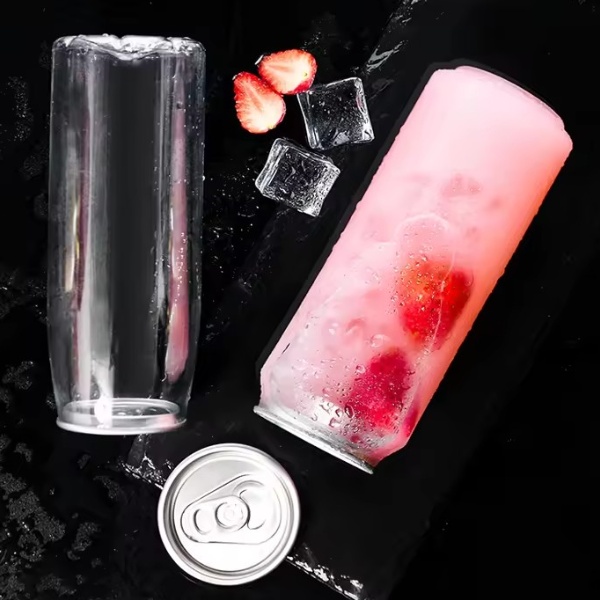
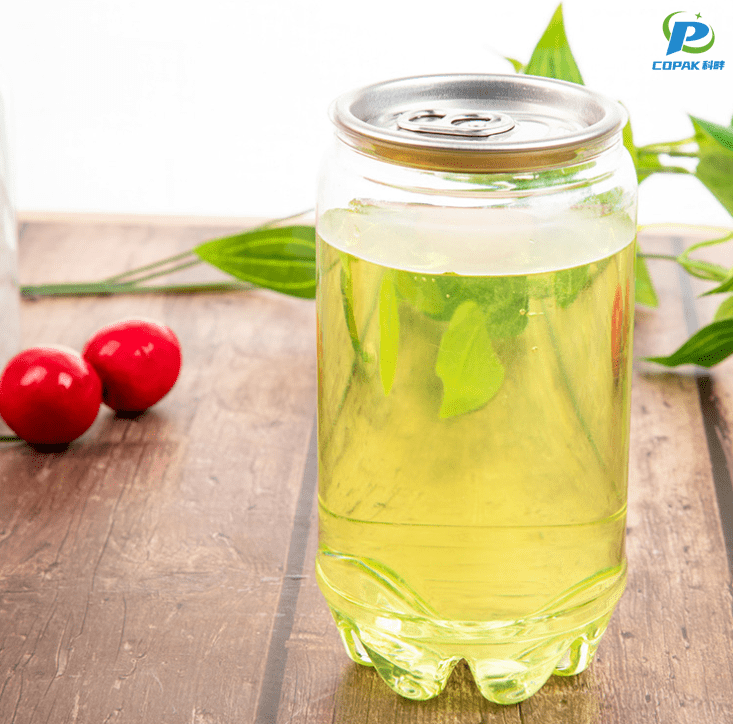
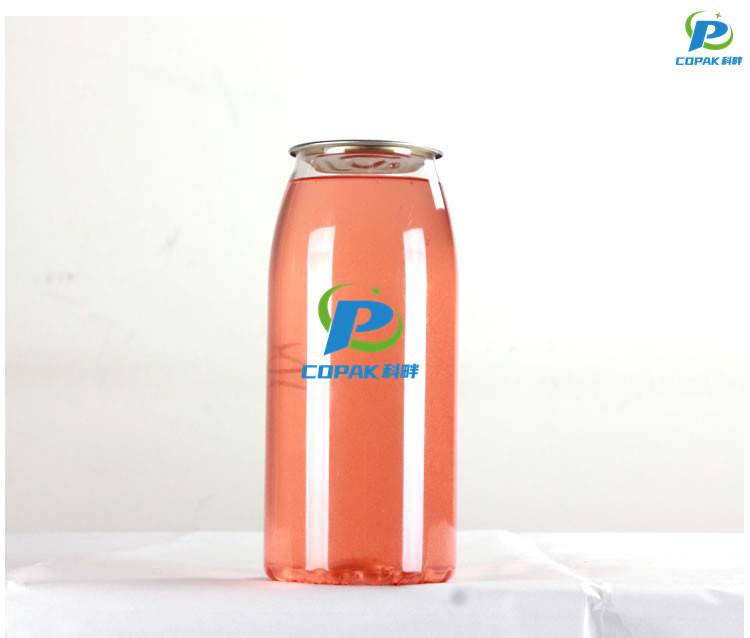
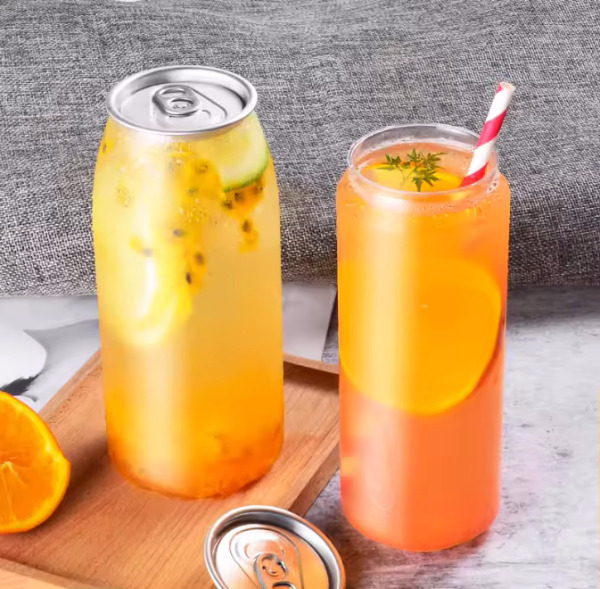
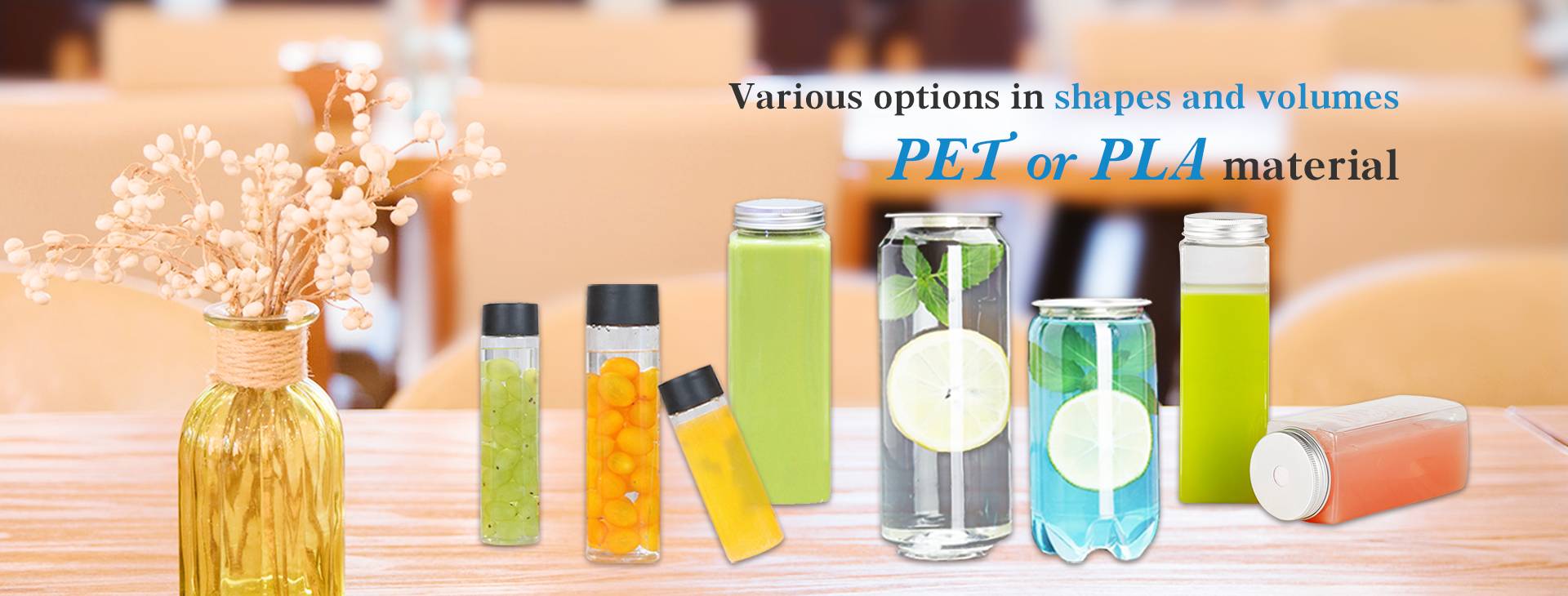
As a China-based manufacturer, I’m proud to offer Soda Can Plastic solutions that fit the growing needs of beverage brands and packagers. I work with buyers who prioritize cost efficiency, supply reliability, and compliance, and my team delivers on all fronts. Our Soda Can Plastic cans are lightweight, shatter resistant, and compatible with standard filling lines, helping you cut logistics cost while preserving shelf appeal. We use food-grade resins and rigorous QC to ensure safety from fill to finish, with traceable lot numbers and certifications. MOQs are friendly for pilot runs, and we scale up quickly for large campaigns across China and international markets. If you’re seeking a dependable supplier who can align production with your brand timing and regulatory standards, I’m here to help. Let’s discuss your container size, print options, and packaging specs, and turn your beverage concept into reliable, market-ready packaging.

Hot Selling Product

Soda Can Plastic Stands Out Market Leader

Soda can plastic solutions have emerged as a market-leading choice for beverage brands seeking durability, cost-efficiency, and shelf appeal. Combining lightweight, food-safe materials with precision molding, these plastic components offer reliable protection, easy stacking, custom colors and printing, and improved logistics efficiency. Increasing use of recycled content and recyclable designs also helps brands meet sustainability targets without compromising performance. Backed by experienced manufacturing and strict quality control, our production delivers consistent volume, flexible OEM/ODM options, and competitive lead times to support global launches. With international-standard certifications, export-ready packaging, and a supply chain tuned for reliability, we partner with buyers to tailor specifications, optimize costs, and scale quickly—helping your soda products stand out on shelves worldwide.

{ Soda Can Plastic Stands Out Market Leader}
Polymer / Coating Type Approx. Use Share (global cans) Primary Functional Role Regulatory / Safety Status (as of 2024) Typical Thickness (µm) Recyclability Impact
Epoxy-phenolic (historical/BPA-based) Approx. 55–65% Primary corrosion protection and adhesion; metal-food barrier Widely food-contact approved historically; BPA concerns have driven reformulation and restrictions in many regions 8–25 Generally compatible with aluminum recycling; modern processes accept thin coatings
BPA-free epoxy alternatives (reformulated resins) Approx. 20–30% Corrosion protection and adhesion with reduced BPA-related migration risk Increasing approvals globally; under active industry uptake and regulatory review in some jurisdictions 8–25 Designed for recycling compatibility; long-term compositional monitoring continues
Polyester-based coatings Approx. 5–10% Corrosion protection, heat resistance and formability for specific applications Widely used and food-contact approved; seen as an alternative in some segments 10–30 Generally compatible; some formulations tailored to remelt/recycling streams
Acrylic coatings Approx. 3–6% Flavor protection, cure-speed control, surface finish and print adhesion Food-contact approved for many uses; chosen where clarity or fast cure is needed 5–20 Typically compatible; thin layers minimize recycling impact
Polyolefin (PE/PP-based) layers Approx. 1–3% Moisture/gas barrier, slip and sealing layers in specialty ends or multi-layer constructions Food-contact approvals exist; used selectively due to thickness and processing 10–40 Can affect remelt energy but many formulations aim for recycling compatibility
Inorganic / Ceramic (enamel-like) coatings Approx. <1–2% High-temperature resistance and specialty corrosion protection for niche applications Used in specialty cans; generally acceptable for food contact when tested 3–20 Small-volume specialty use has limited impact on mainstream aluminum recycling
Notes: Percentage ranges are approximate global estimates for typical beverage can interior/coating usage (industry-wide averages). Regulatory status and recyclability comments reflect general conditions as of 2024; specific formulations must be verified per region and application.

Related Products

Eco Friendly Products

Soda Can Plastic Supplier Now Trending

Projected Recycled Plastic Tonnage for Soda Can Packaging by Region — 2025 Forecast

The chart above illustrates projected recycled plastic content used in soda can packaging across six global regions for the 2025 forecast. Data reflect aggregated metric tons of post-consumer recycled (PCR) and mechanically recycled plastic incorporated into secondary can packaging elements such as shrink sleeves, lids, liners and multipack holders. Regions with mature circular economies — Western Europe and North America — show the highest absolute volumes driven by established collection systems and regulatory incentives. Emerging markets in East Asia and Latin America present substantial volumes as manufacturers scale sustainable sourcing and invest in collection infrastructure, though average recycled content per package remains lower. The Northeast Asia figure reflects intense industrial recycling capacity concentrated in urban centers and robust export-import recycling flows. South Asia registers the lowest projected tonnage, highlighting opportunities for investment in formalized collection and sorting, and the impact of informal markets that are not fully captured by formal recycling statistics. The dataset intentionally differentiates between absolute recycled plastic tonnage and recycled content percentage; this chart emphasizes total supply-side availability for packaging production. Practically, higher recycled material tonnage supports larger substitution rates for virgin polymers, reduces lifecycle emissions, and can lower supply risk for packaging manufacturers facing virgin resin price volatility. However, tonnage alone does not guarantee circularity: material quality, contamination rates, and compatibility with can production processes are critical factors. Policymakers and procurement teams can use similar tonnage forecasts to prioritize regions for infrastructure grants, create uptake mandates, or design incentives that harmonize feedstock quality with industrial needs. Continuous monitoring, improved sorting technologies, and cross-border cooperation will be essential to translate projected tonnages into higher recycled content per can without compromising safety or performance. Targeted public-private partnerships and measurement harmonization can accelerate adoption while ensuring traceability, quality assurance, and market confidence in recycled inputs across diverse supply chains.

Top Selling Products

Subscribe To Our Newsletter

For inquiries about our products or pricelist, please leave your email to us and we will be in touch within 24 hours.

Follow Us

on our social media
  • whatsapp (1)
  • instagram
  • youtube