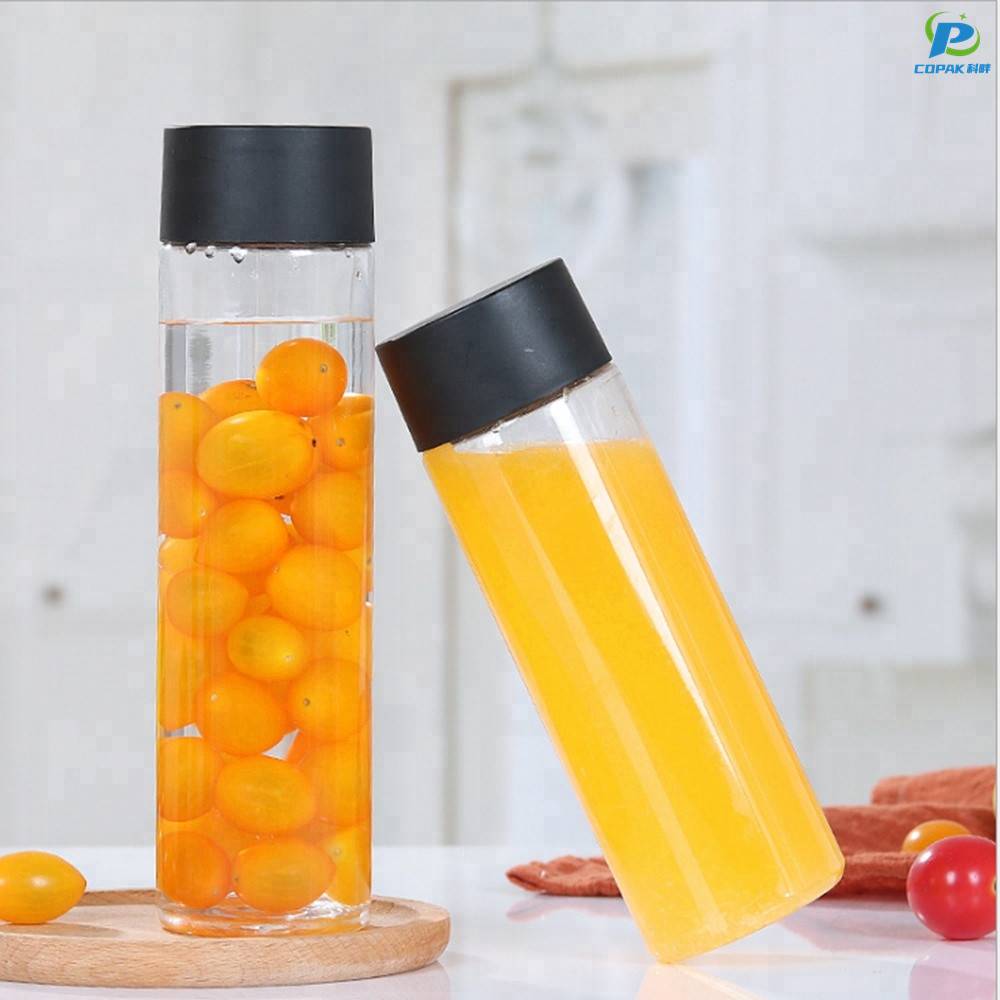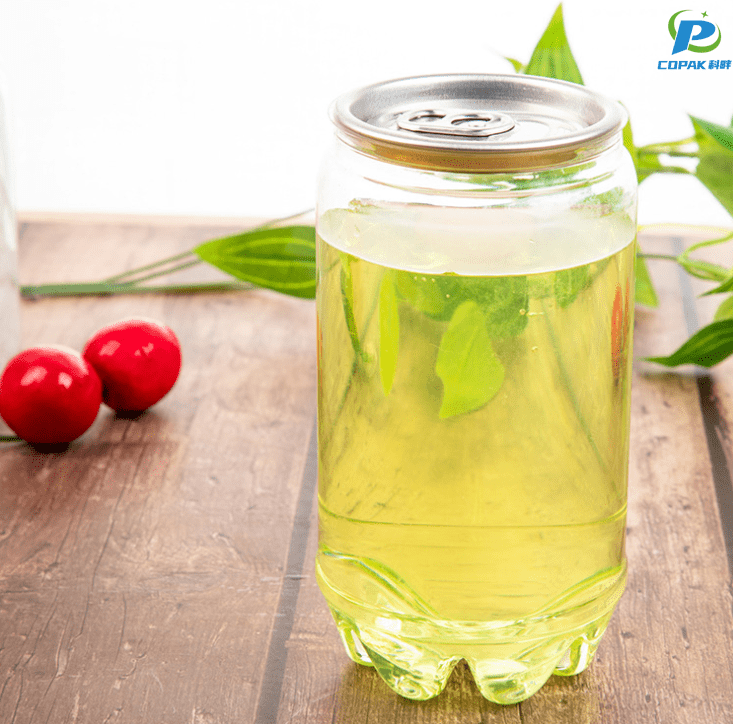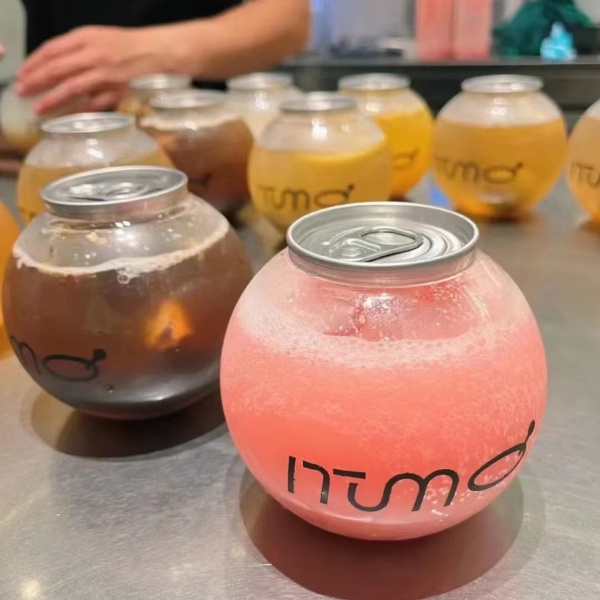
PET Bottles

20 Oz Plastic Cups With Lids - China Manufacturer

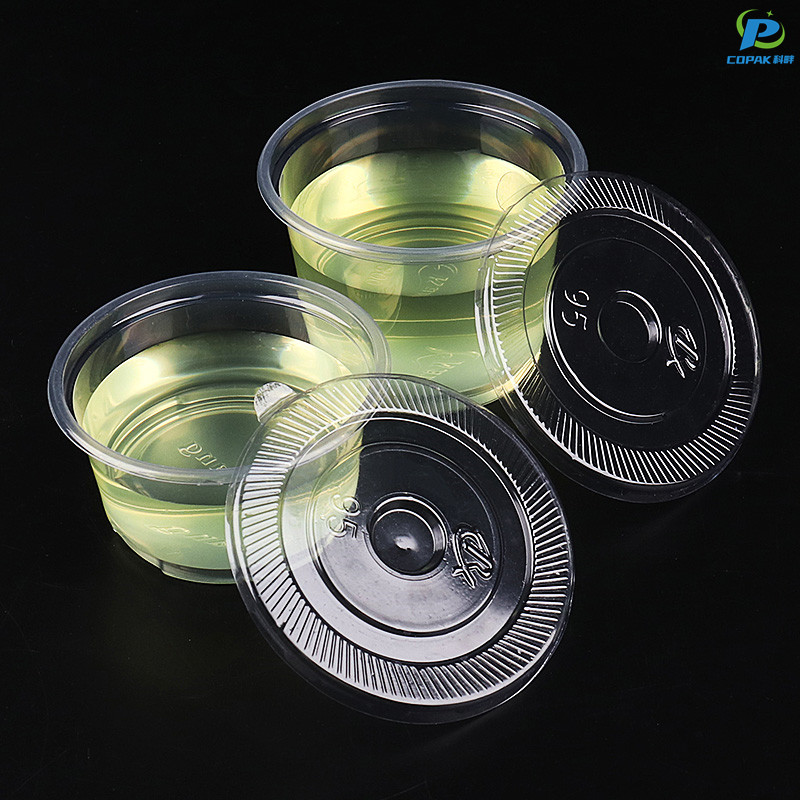
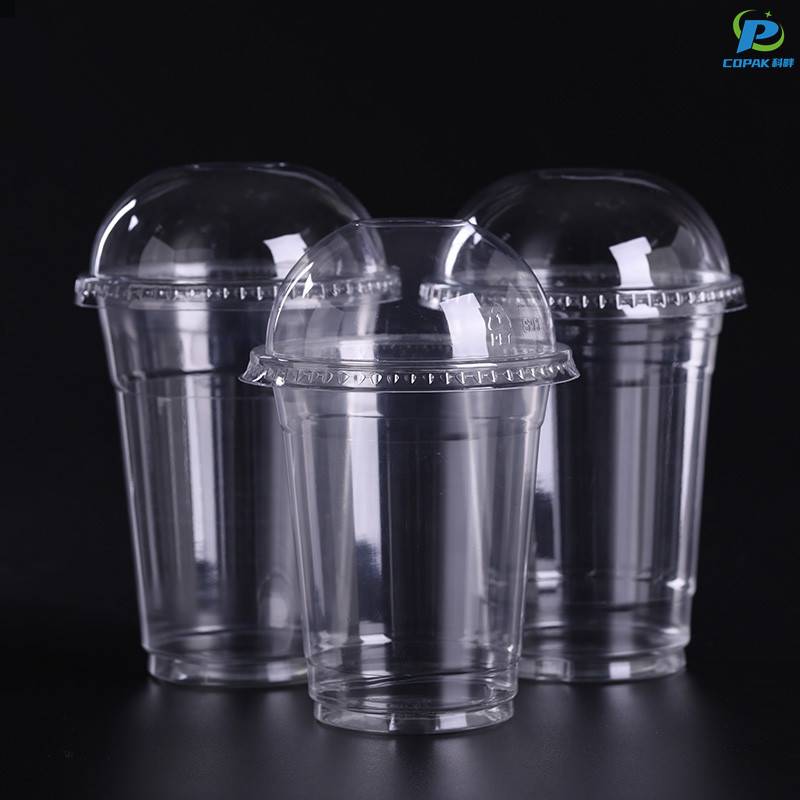
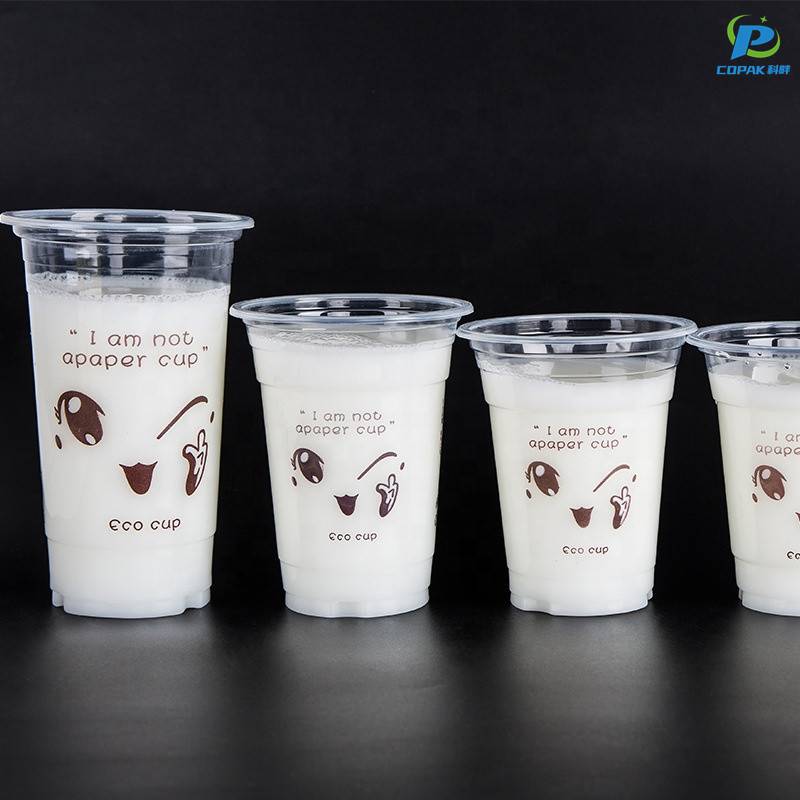
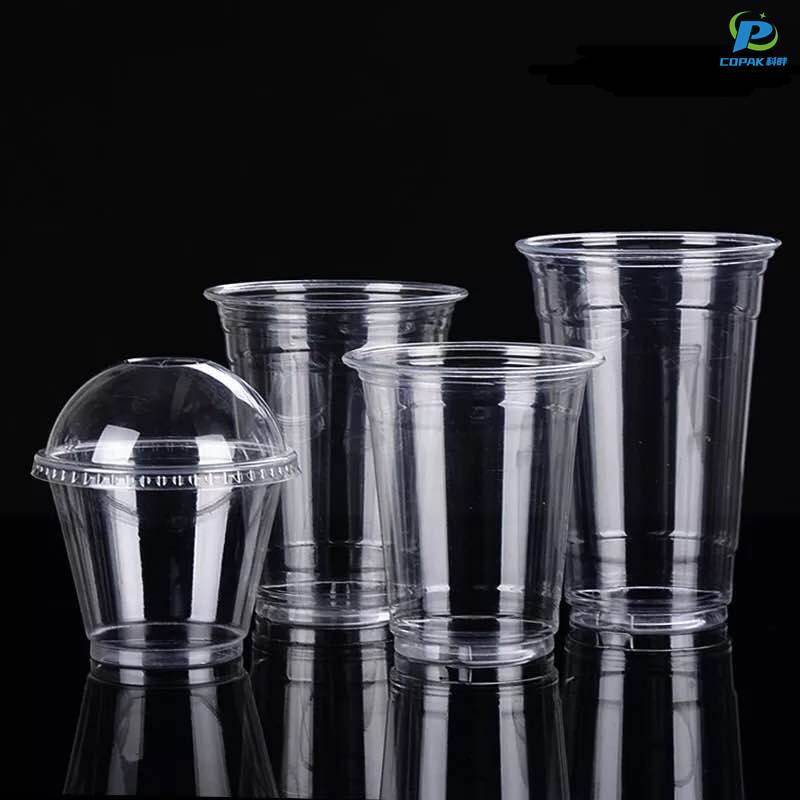
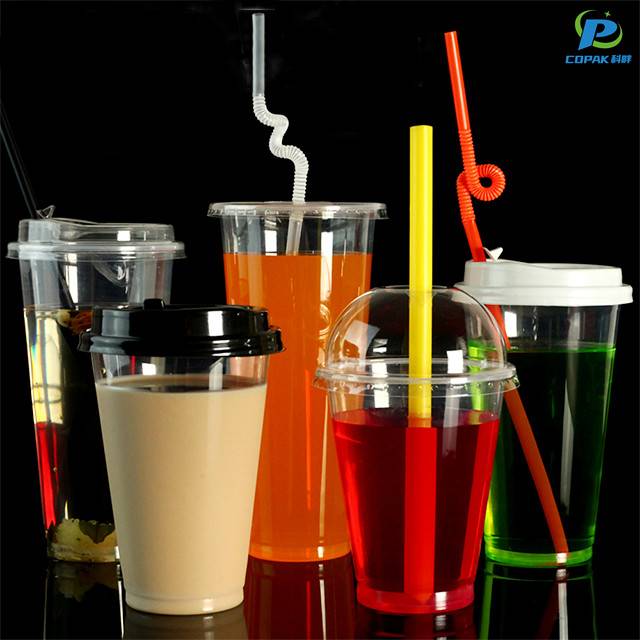
From China, I’m a dedicated manufacturer offering 20 Oz Plastic Cups With Lids for foodservice, events, and retailers. I deliver clear, sturdy cups with leak-proof lids, ideal for cold drinks, iced coffee, smoothies, and take-away. Made with food-grade plastic, BPA-free, and designed for high-volume use. I can customize with your logo, lid color, and packaging—MOQ-friendly for trials and scalable for mass orders. Fast production lead times, reliable on-time shipping, and full OEM/ODM support. Documentation available to meet your compliance needs. We ship worldwide, focusing on meeting China-based manufacturing requirements with global buyers. Our cups are stackable and recyclable where possible, reducing warehousing costs. If you’re a B2B purchaser seeking a dependable supply partner, I’d love to discuss your specs and provide samples and competitive pricing.

Hot Selling Product

20 Oz Plastic Cups With Lids Industry Leaders Sets the Industry Standard

20 oz plastic cups with lids have become the benchmark for beverage packaging worldwide. Engineered for clarity, strength and stackability, modern designs offer leak-resistant snap lids, straw and sip options, and compatibility with PET, PP or compostable PLA materials for cold drinks, smoothies and iced coffee. Buyers prioritize consistent wall thickness, optical clarity for product display, certified food-safe compositions (FDA/EU) and stringent QC processes that guarantee each shipment meets specifications. Global purchasers look for reliable supply chains, flexible customization and sustainability: scalable MOQs, full-color printing or labeling, private-label solutions, and eco-conscious material choices to reduce environmental impact. Transparent certifications, lab reports, efficient logistics and competitive pricing make sourcing predictable and scalable—ensuring brands can meet consumer demand with quality, compliance and timely delivery.

{ 20 Oz Plastic Cups With Lids Industry Leaders Sets the Industry Standard}
Attribute Industry‑Average / Typical Value Measurement / Notes
Nominal capacity 20 fl oz (≈ 591 mL) Standard declared volume at brim; manufacturing tolerance applies.
Primary materials (market mix) PET ≈ 60%, PP ≈ 30%, PLA ≈ 10% PET favored for clarity; PP for heat tolerance; PLA for industrial compostable options.
Typical assembled mass (cup + lid) 14 g (range 12–18 g) Dependent on material and lid design; lightweight designs prioritize material reduction.
Wall thickness (cup body) Average 0.30 mm (typical range 0.20–0.40 mm) Blow‑molding or thermoforming process dependent; affects rigidity and clarity.
Common lid types (distribution) Dome straw ≈ 55%, Flat sip ≈ 35%, Snap-on ≈ 10% Choice driven by beverage type (carbonated, iced, smoothies) and user preference.
Leak resistance (dome/flat lids) Rating 0–10: avg ≈ 8.0 Measured in standard fill + agitation tests; seal geometry and snap fit dictate performance.
Transparency (light transmittance) PET clear variants ≈ 85–92% Measured as % visible light transmission; affects product display quality for cold beverages.
Thermal / temperature guidance Recommended: -10°C to +60°C; not for sustained hot (>70°C) PP variants have higher hot-liquid tolerance than PET; check material data sheets for specific use.
Microwave-safe Typically: No (PET); Some PP variants: Yes Confirm by material—PET will deform; PP engineered grades may be microwave-compatible.
BPA / regulated chemical compliance BPA-free: industry standard (nearly universal for beverage cups) Material selection and regulatory statements drive consumer safety claims.
Food-contact certification prevalence FDA compliance: ~100% of industry leaders; EU food contact: ~95% Represents percentage of product lines carrying formal regulatory compliance documentation.
Estimated carbon footprint (cup + lid) Typical range 70–110 g CO2e; average ≈ 90 g CO2e Life‑cycle estimate includes polymer production and basic processing; varies with material and recycling assumptions.
Recyclability (technical vs real recovery) Technical recyclability: PET/PP recyclable; Real-world recovery (PET cups) ≈ 20–35% (avg ~28%) Low real recovery due to contamination, local infrastructure and mixed materials (lid separability).
Compostability (where applicable) PLA options: industrially compostable; market share ≈ 8–12% Compostable variants require industrial composting (EN 13432/ASTM D6400) to break down properly.
Production tolerance (dimensional) Typical ±1–2 mm on critical dimensions Controls for lid fit and stackability require tighter QC on rim and height.
Average final inspection defect rate Median ≈ 0.8% (range 0.3%–1.5%) Includes flash, warpage, poor lid fit and cosmetic issues; varies by process control.
Stackability (static stacked height) Stable stacks: up to ~40 cups; compression safety depends on stacking spacer design Stackable design reduces transport cost but requires grip geometry to avoid sticking.
Recommended storage shelf life 2–5 years (ambient, dry conditions) Avoid prolonged UV exposure and extreme heat to prevent brittleness or deformation.
Primary end‑use distribution Quick‑service restaurants ≈ 45%, beverage chains ≈ 25%, events/catering ≈ 20%, retail ≈ 10% Indicative market allocation for 20 oz cups across common sectors.

Related Products

PET Cups

20 Oz Plastic Cups With Lids in 2025 Winning in 2025

Search Interest vs Unit Shipments for 20 oz Plastic Cups with Lids — Monthly (2025)

This line chart presents two related data dimensions for 20 oz plastic cups with lids across each month of 2025: an indexed online search interest (left axis, 0–100) and estimated unit shipments measured in thousands (right axis). The search interest index rises steadily from January (28) through a strong spring increase peaking in May (78), indicating heightened consumer attention likely tied to seasonal demand and promotional activity. Unit shipments follow a similar but smoother trajectory, climbing from 55k units in January to a high of 165k in August, reflecting production and distribution ramp-ups that lag search signals by a few weeks to a couple months. A secondary search peak appears in August (80) that aligns with the shipment maximum, suggesting successful conversion of interest into orders during late-summer events and back-to-school periods. After August both metrics decline—search interest drops to 60 in September and settles around 35 in December, while shipments ease to 75k by year-end—highlighting a normalization of demand. Key operational insights: monitor search interest as an early indicator for adjusting production schedules; a sustained rise in search index over two consecutive months typically precedes a shipment uptick. Inventory buffers should be increased ahead of peaks (April–August) to avoid stockouts and lost sales, and promotional spend might be shifted earlier in the cycle to convert surging interest into purchases. Finally, the divergence between the sharp search spikes and smoother shipment curve underscores lead-time constraints in supply chains—shortening lead times or holding strategic safety stock can improve responsiveness when consumer interest surges unexpectedly.

Top Selling Products

Subscribe To Our Newsletter

For inquiries about our products or pricelist, please leave your email to us and we will be in touch within 24 hours.

Follow Us

on our social media
  • whatsapp (1)
  • instagram
  • youtube