



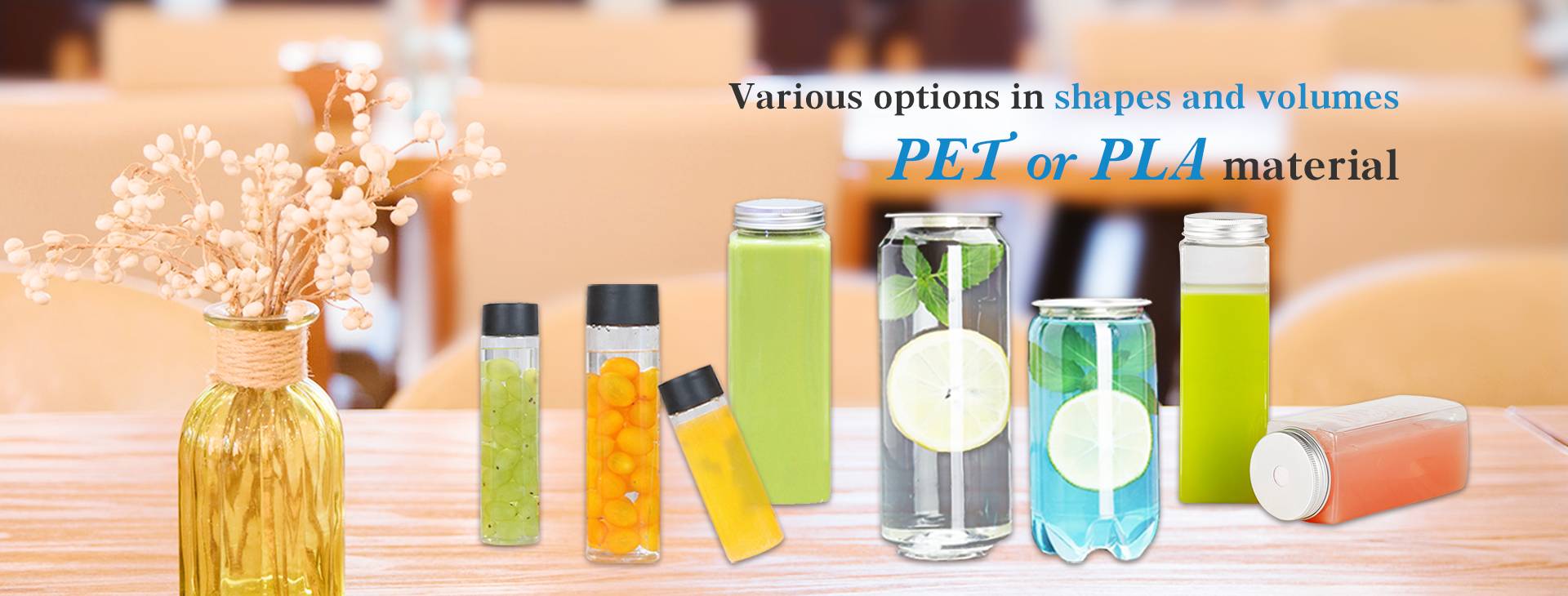
Round PET Container - China Manufacturer for Reliable Packaging
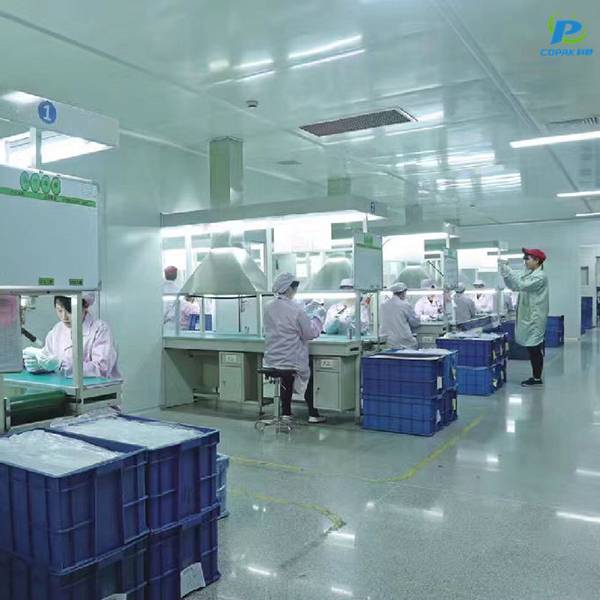
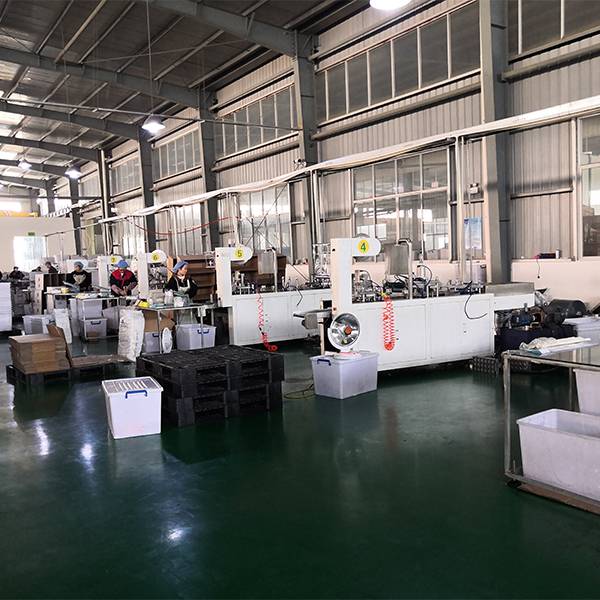
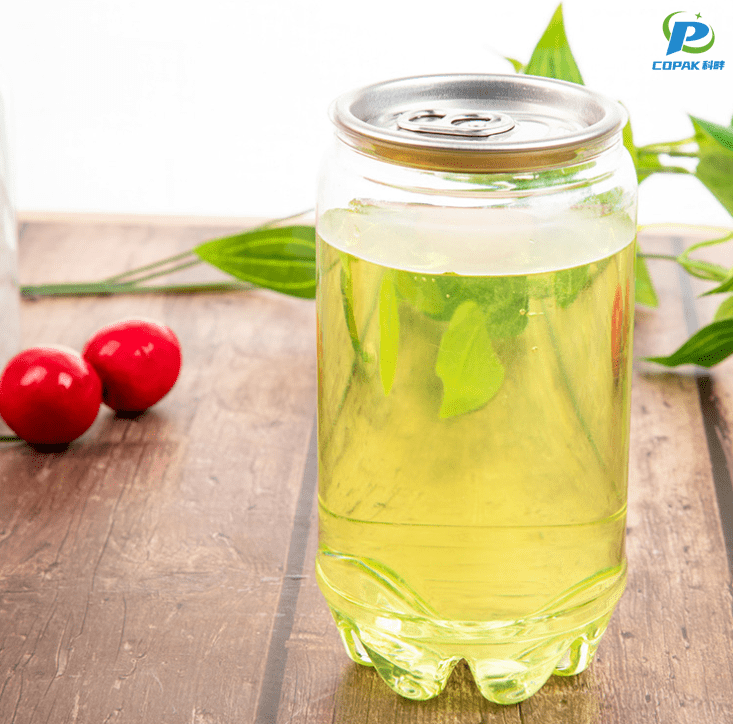
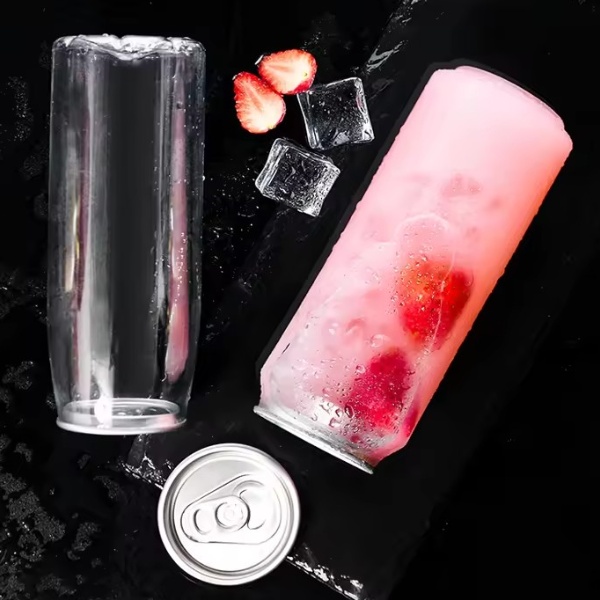
From my factory in China, I am proud to offer a reliable Round PET Container that meets high standards for food-grade packaging. As a Manufacturer with years of experience, I design these containers to be lightweight, shatter-resistant, and easy to stack on shelves. The Round PET Container comes in multiple sizes, 30ml to 500ml, with airtight caps and tamper-evident seals. I customize label windows, colors, and thread types to fit your brand. My manufacturing process uses BPA-free PET and strict QC checks to ensure consistent wall thickness and clarity. For B2B buyers, I provide fast lead times, bulk pricing, and flexible packaging options, including MOQ and palletized shipping. Whether you're packing cosmetics, sauces, creams, or pharmaceutical products, this container preserves product integrity while reducing total cost per unit. If you are sourcing from a China Manufacturer, you can count on me for support, quick samples, and scalable supply. Turn your packaging into a measurable advantage with my Round PET Container.


Round PET Container Pioneers in the Field Global Reach
As pioneers in round PET container innovation with a truly global reach, we combine advanced production technology and strict quality controls to deliver lightweight, crystal-clear, food-grade containers that meet diverse market demands. Our solutions include a wide range of sizes and neck finishes, high-clarity and barrier options, customized decoration and labeling, and environmentally friendly choices such as PCR blends and fully recyclable designs—ideal for beverage, food, personal care and household products. Global buyers benefit from scalable manufacturing capacity, competitive pricing, reliable lead times and internationally recognized certifications, backed by experienced sourcing support and flexible OEM/ODM capabilities. Whether you need tailored specifications, on-time bulk shipments or compliance-ready packaging for multiple markets, we are ready to streamline your supply chain and help turn product concepts into market-ready packaging.
{ Round PET Container Pioneers in the Field Global Reach}
Regional snapshot of common round PET container use-cases, recycling context and core material properties (font: 12pt)
| Region | Typical Container Formats | Predominant Applications | Recycling / Collection Level | Notable Regulatory Focus | Key Material Properties (PET) |
|---|---|---|---|---|---|
| Europe | Round bottles (carbonated & still beverages), jars, wide-mouth food tubs, thermoformed clamshells | Beverages, ready-meals, personal care, household chemicals | High (robust collection & sorting infrastructure) | Deposit-return schemes, EPR, recycled-content mandates for food-contact packaging | Density: 1.38 g/cm³ Tg ≈ 67 °C Tm ≈ 250–260 °C Recycling code: 1 |
| North America | Beverage bottles, jars, thin-wall containers, pharmaceutical vials | Soft drinks, water, food packaging, OTC & pharma | Medium–High (curbside variability by jurisdiction) | State-level EPR initiatives, recyclability labeling, food-safety certification | Density: 1.38 g/cm³ Tg ≈ 67 °C Tm ≈ 250–260 °C Good barrier with coatings/blends |
| East & Southeast Asia | Bottles (various sizes), thin-wall thermoforms, condiment jars | Beverages, instant foods, sauces, single-serve packaging | Medium (rapid expansion of industrial recycling & sorting plants) | Waste-import bans, local recycling targets, incentives for rPET uptake | Density: 1.38 g/cm³ Tg ≈ 67 °C Tm ≈ 250–260 °C Easy to thermoform and blow-mold |
| South Asia | Small-format beverage bottles, jars, multipackables | Bottled drinks, edible oils, consumer goods | Low–Medium (significant informal collection sector) | Emerging EPR, waste-management pilot programs, packaging reduction drives | Density: 1.38 g/cm³ Tg ≈ 67 °C Tm ≈ 250–260 °C High tensile strength for thin walls |
| Latin America | Beverage bottles, personal care containers, food jars | Soft drinks, water, personal care, edible oils | Medium–Low (collection varies; informal & formal mix) | Growing DRS pilots, recycling targets and public–private partnerships | Density: 1.38 g/cm³ Tg ≈ 67 °C Tm ≈ 250–260 °C Compatible with mechanical recycling |
| Middle East & Africa | Large water bottles, detergent containers, bulk jugs | Bottled water, household chemicals, bulk liquids | Low (infrastructure development ongoing) | Focus on basic waste management, pilot recycling hubs, import/export controls | Density: 1.38 g/cm³ Tg ≈ 67 °C Tm ≈ 250–260 °C Durable for transportation & storage |
| Oceania | Beverage bottles, food jars, small household containers | Beverages, food, household products | Medium (DRS in parts of region; strong municipal programs) | Deposit schemes, national recycling targets, emphasis on rPET use | Density: 1.38 g/cm³ Tg ≈ 67 °C Tm ≈ 250–260 °C Well-suited to blow-molding |
Related Products


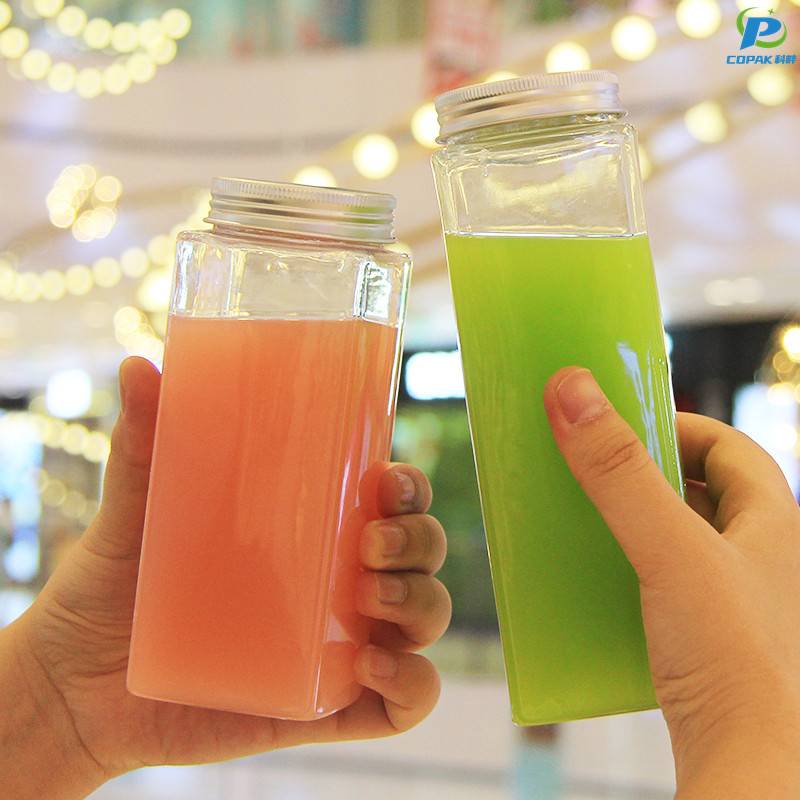

Round PET Container Factory Is The Best
Top Selling Products





- Related Blog
- Reviews
- Reviews
