PET Bottles

Disposable Boba Cups - China Manufacturer for Bulk Foodservice

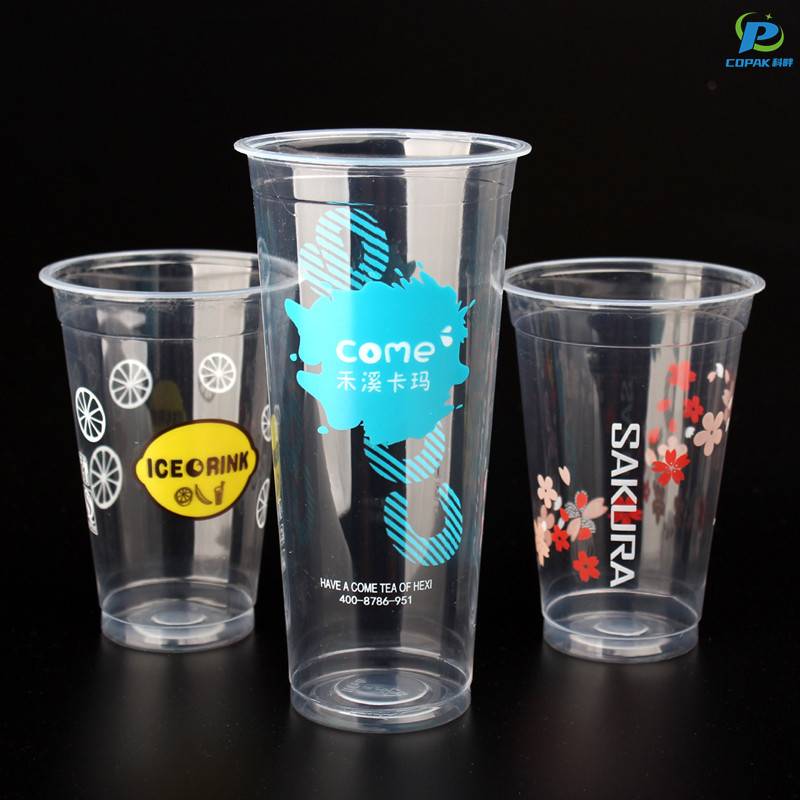
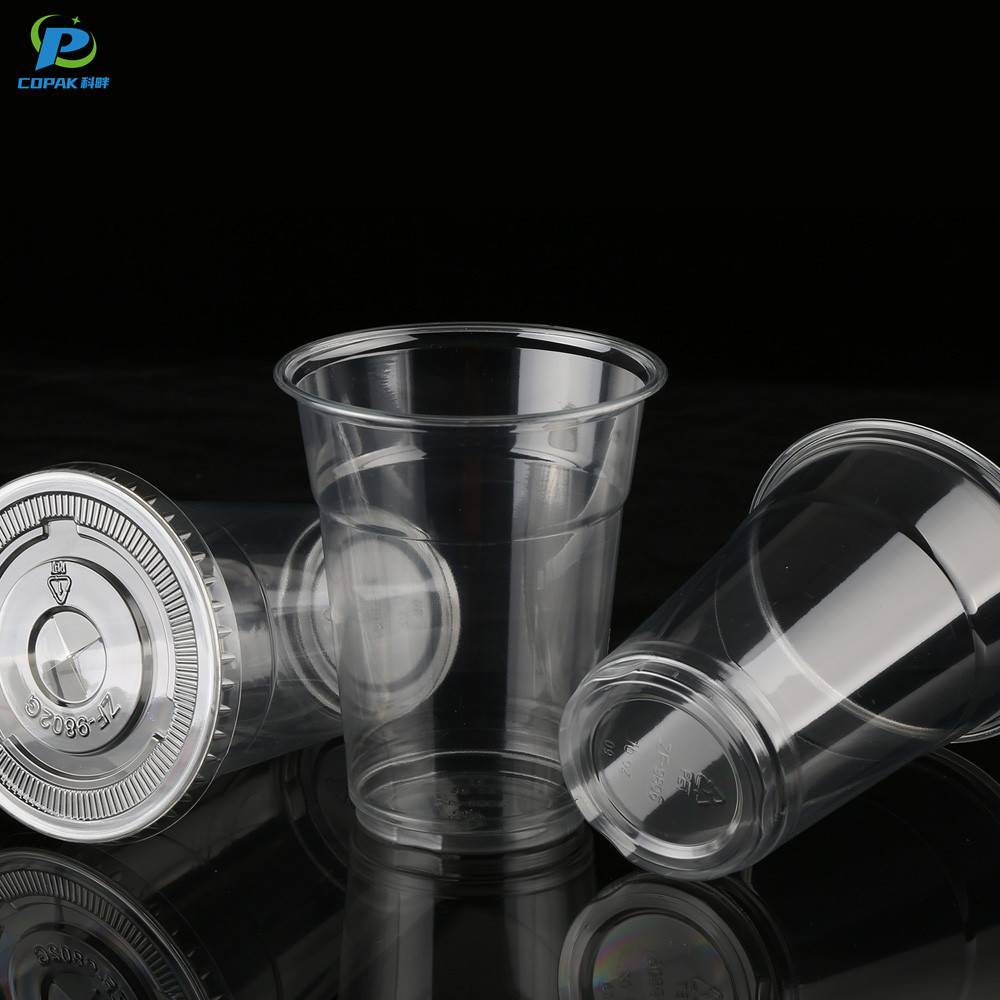
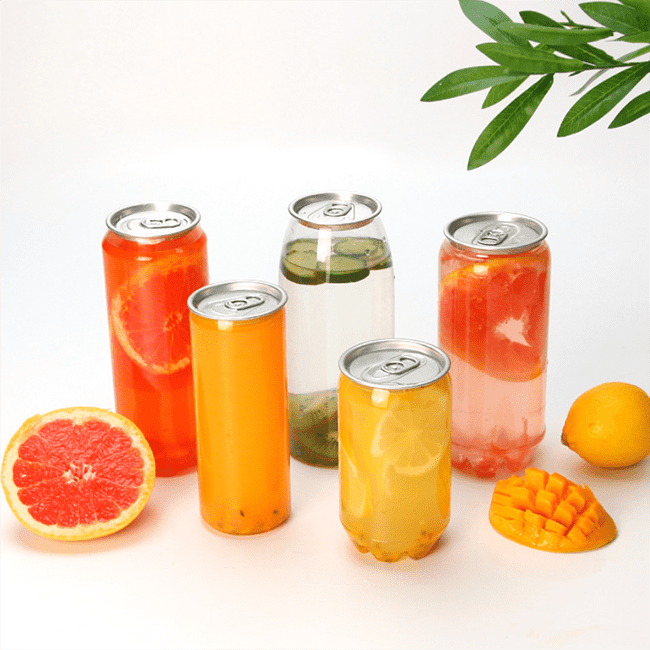
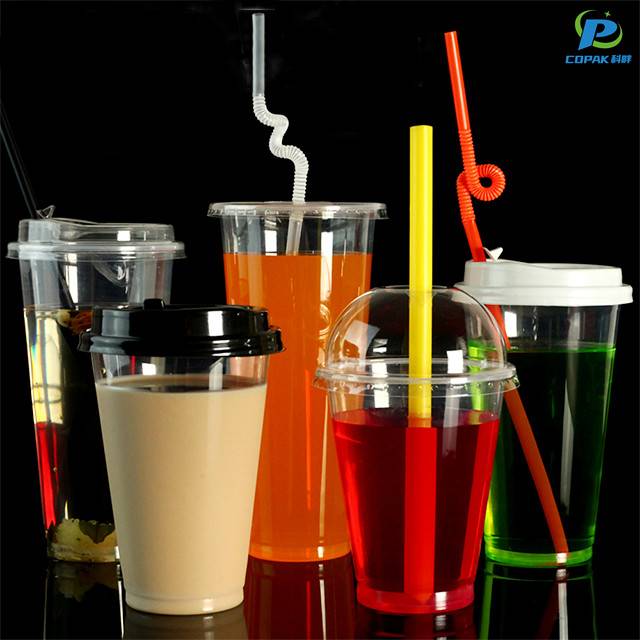
From my workshop in China, I supply Disposable Boba Cups that bubble tea shops trust for daily take-away service. I’m a China-based manufacturer focused on durability, leak-proof lids, and stackable design, so cafes move fast and waste is cut. When you’re sourcing in China, you want a reliable partner who can handle OEM needs and steady supply. I offer clear PET or PET/PLA blends, with heat tolerance for hot drinks and grease resistance from sticky toppings. Cups are offered in multiple capacities, custom printing options, and compatible lids, so your brand stands out on shelves. Minimum orders are friendly, and lead times are short to meet seasonal demand. I work with distributors and chains, providing documentation for export and quality tests. If you’re a B2B buyer looking for a dependable manufacturer, I’m here to help you scale with confidence using Disposable Boba Cups that perform cup after cup.

Hot Selling Product

Disposable Boba Cups Delivers Unmatched Quality Service Backed by Expertise

Disposable boba cups engineered by an experienced manufacturing team combine food‑grade materials, rigorous quality control and practical design to meet the exacting needs of global buyers. From clear PET clarity to durable PP and compostable PLA options, each cup undergoes multi‑point inspection and complies with international standards (FDA, EU, LFGB), ensuring safety, consistency and exceptional presentation for beverages and branding alike. Our expertise supports full OEM/ODM capabilities — custom sizes, colors, printing and accessories — with flexible MOQs, competitive pricing and reliable lead times. Robust supply‑chain coordination, sample availability and responsive after‑sales service make large or recurring orders seamless, while sustainable material choices and recyclable designs help meet evolving market and regulatory demands. Partnering with a proven production team means predictable quality, transparent testing and continuous improvement tailored to your markets. Requesting samples and technical specs is straightforward, and our focus is on delivering product performance, on‑time delivery and ongoing support that help your business grow.

{ Disposable Boba Cups Delivers Unmatched Quality Service Backed by Expertise}
Metric Specification Typical Value / Range Verification / Notes
Intended use Disposable cold beverage service (e.g., iced drinks, smoothies, bubble tea) Cold beverage applications; not intended for prolonged hot-liquid use Usage profiles from standard foodservice applications and material datasheets
Material Common polymers PET (polyethylene terephthalate) or PP (polypropylene); PLA available for compostable option Material Safety Data Sheets (MSDS) and food-contact grade specifications (e.g., FDA-compliant grades)
Capacity Typical container volumes Common sizes: 12 oz (355 mL), 16 oz (473 mL), 24 oz (710 mL), 32 oz (950 mL) Industry standard sizing and dimensional inspection
Wall thickness Typical web/gauge ~160–350 µm (0.16–0.35 mm); common runs 180–300 µm Caliper and micrometer checks during production
Lid compatibility Lid styles and fit Flat snap-on lids, domed lids, straw-slit lids (compatible by size and bead design) Dimensional matching to standard lid profiles; fit tests
Temperature range Operating temperature (material-dependent) PET: typically −20°C to ~60°C; PP: −20°C to ~90°C (short-term peaks tolerable) Laboratory thermal exposure and deformation testing
Weight per cup Typical mass by size/material 12 oz PET ≈ 7–9 g; 16 oz PET ≈ 9–12 g (varies with gauge and design) Weighing samples on precision scales; production tolerance specs
Recyclability End-of-life fate PET: widely recyclable where collection exists; PP: recyclable but collection rates vary; PLA: industrial compostable Depends on local municipal programs; refer to regional recycling guidelines
Compostability (if PLA) Industrial composting performance PLA cups: typically degrade in industrial composting in ~90–180 days under accepted standards ASTM D6400 / EN 13432 test references for certified compostable products
Certifications Typical standards FDA food-contact compliance; ISO 9001 (quality systems); ISO 14001 (environmental management); ASTM standards where applicable Third-party certification documents and audit reports
Quality control pass rate Industry benchmark Typical high-quality runs: 98–99.9% acceptance (varies by facility and tolerance) Recorded during in-line inspection and final sampling
Defect rate Typical defect incidence Common target: ≤1% defective units after QC (0.5–2% observed ranges depending on run) Statistical process control and random sampling
Customer satisfaction (survey) Typical aggregated score Representative industry survey averages: ~4.4–4.7 out of 5 across suppliers Aggregated third-party customer feedback and service metrics
Lead time (samples) Typical turnaround 5–10 business days for custom samples (subject to mold/tooling needs) Sample production and QA checks
Lead time (production) Typical full production 10–30 business days depending on order size and customization Includes tooling, QC, and packaging stages
Production capacity (per line) High-speed line output Typical high-speed thermoforming/injection lines: ~50,000–150,000 cups/day (dependent on size & shift) Calculated from cycle time and uptime; dependent on equipment
QC checkpoints Typical inspection stages 4–6 checkpoints: incoming material, in-line visual, dimensional, leak/fit, final packaging check Standard quality management practice and sampling plans
Average employee experience Workforce metrics Production staff: ~6–8 years average; QC/technical staff: ~4–7 years average HR records and training logs (typical industry figures)
R&D / Technical support Capabilities Prototype tooling, material selection guidance, leak & fit testing; typical R&D teams represent 2–8% of staff Technical reports, prototype cycles, and test records
Environmental footprint (approx.) Cradle-to-gate CO2e (estimate) 16 oz PET cup: ~50–90 g CO2e; PP variants: ~35–70 g CO2e (values vary by supply chain & recycling rates) Life-cycle assessment (LCA) studies and published datasets provide baseline estimates
Packaging & logistics Typical packing configuration Sleeves of 50–200 cups; cartons holding 20–40 sleeves; carton dims vary by size (example: 45×30×35 cm) Pack spec sheets and carton test records (stacking/drop tests)

Related Products

PET Cups

Disposable Boba Cups Delivers Unmatched Quality Exceeds Industry Benchmarks

Quality Metrics for Single-Use Drink Cups — Benchmark Comparison

This chart compares key quality metrics for a representative sample of single-use drink cups against industry benchmark averages across six dimensions: Material Strength, Leak Resistance, Thermal Insulation, Biodegradability, Manufacturing Consistency, and Customer Satisfaction. Each metric is scored on a 0–100 scale, where higher values indicate better performance. The sample shows consistently higher scores in structural and production-related categories (Material Strength and Manufacturing Consistency), indicating robust raw material selection and tighter process tolerances. Leak Resistance and Thermal Insulation scores also exceed the industry averages, suggesting improved sealing and heat-retention features relative to typical market offerings.

Biodegradability remains the weakest area for the sample compared to performance in other dimensions, though it still outperforms the industry average. This suggests that while the product employs some compostable or degradable elements, there is room for material science improvements or supply-chain adjustments to further reduce environmental impact. High Customer Satisfaction aligns with the product’s strengths in durability and consistency, highlighting that end-user perception correlates strongly with functional reliability and packaging quality.

Actionable takeaways: prioritize R&D investments into biodegradable materials and scalable compostable coatings to close the biodegradability gap; continue process controls that drive manufacturing consistency; and monitor customer feedback to maintain advantages in product handling and thermal performance. Overall, the sample demonstrates that targeted material and process optimizations can deliver measurable advantages over industry benchmarks and that balancing sustainability improvements with manufacturing feasibility will be critical for continued competitive differentiation.

Top Selling Products

Subscribe To Our Newsletter

For inquiries about our products or pricelist, please leave your email to us and we will be in touch within 24 hours.

Follow Us

on our social media
  • whatsapp (1)
  • instagram
  • youtube