



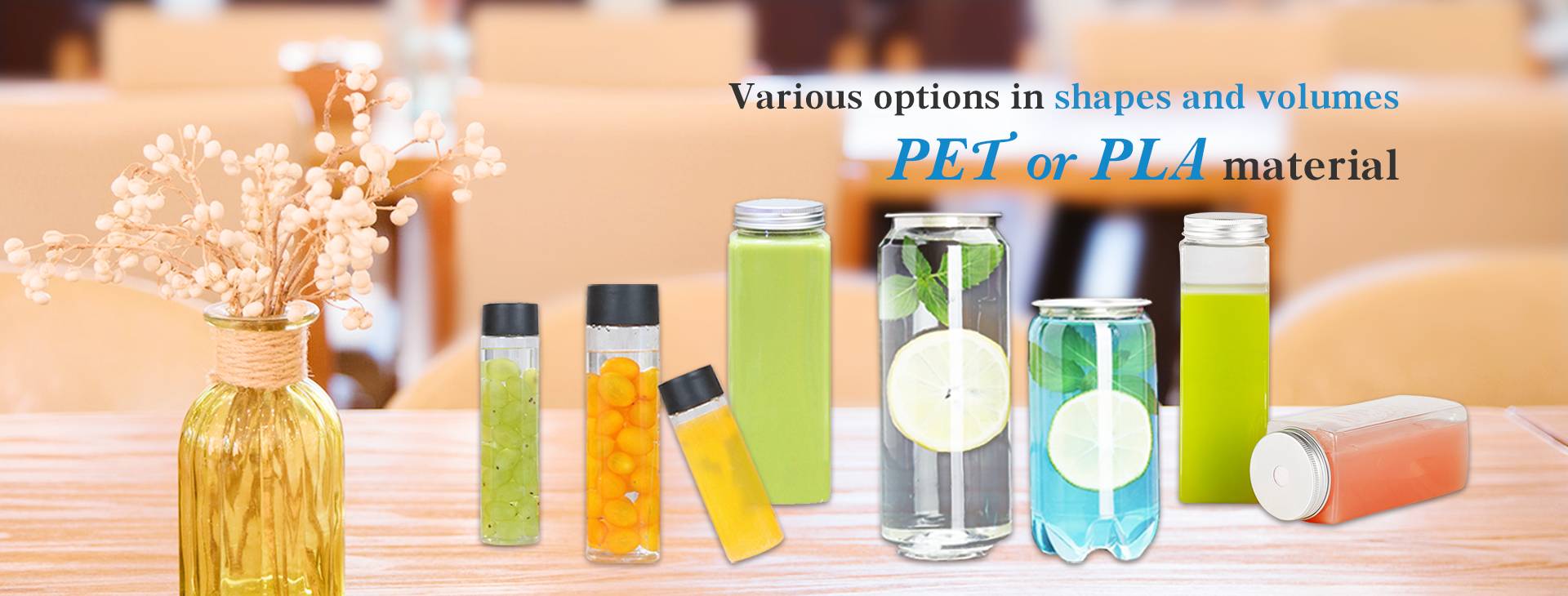
Round Juice Bottles - China Manufacturer for Beverage Packaging
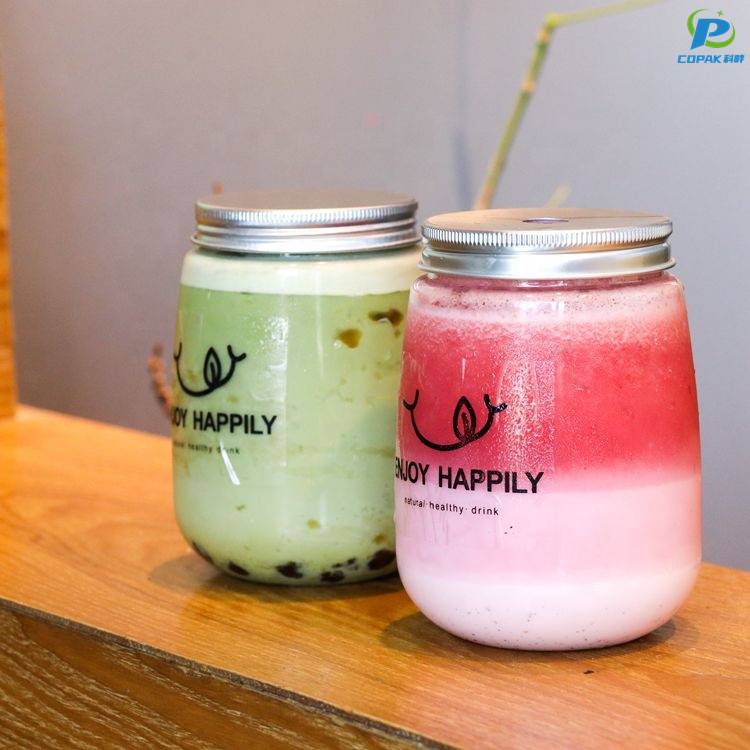
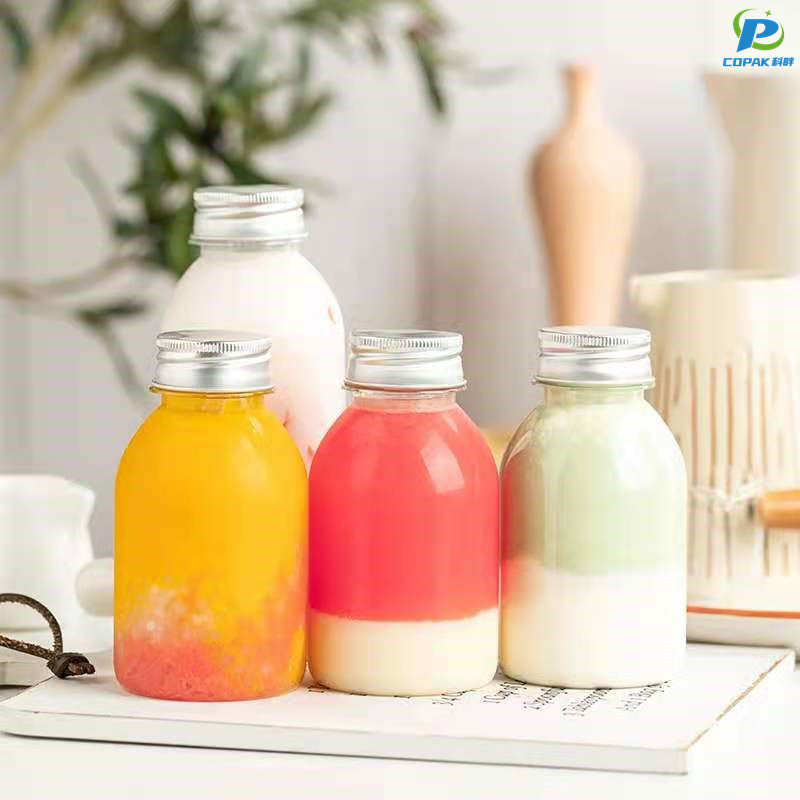
I’m a China-based manufacturer and I know how important reliable packaging is for food and beverage brands. Our Round Juice Bottles are crafted from high-quality PET, designed for easy labeling, secure caps, and stackable storage. I’ve worked with numerous buyers to optimize fill lines, reduce breakage, and cut shipping costs with lightweight but durable walls. Whether you need standard or custom colors, volumes, or neck finishes, I can tailor the Round Juice Bottles to your exact spec. My team offers quick lead times, competitive prices, and scalable production for bulk orders, plus flexible OEM/ODM services to fit your brand. With strict quality control and compliance to food-contact standards, you can trust these bottles in China or worldwide. If you’re sourcing directly from a manufacturer who understands demand cycles and import paperwork, I’m here to help you simplify procurement and speed your time-to-market. Let’s discuss your project and sample requests today.

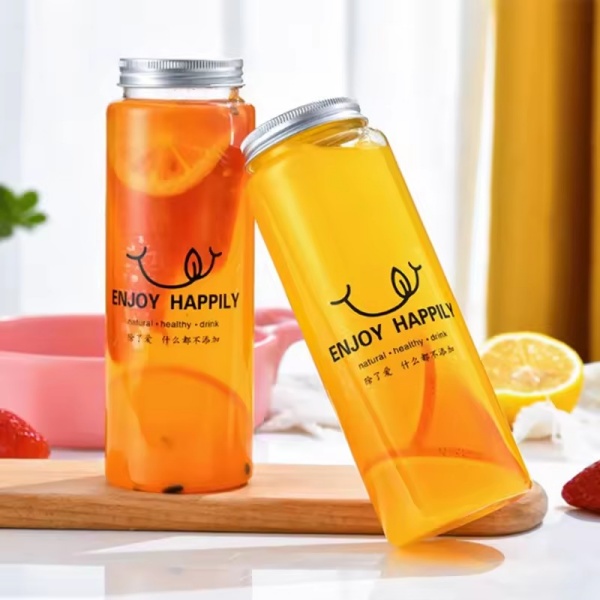
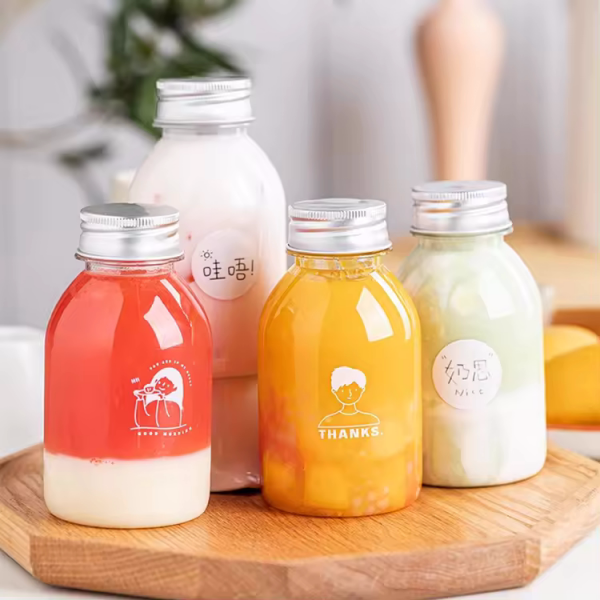
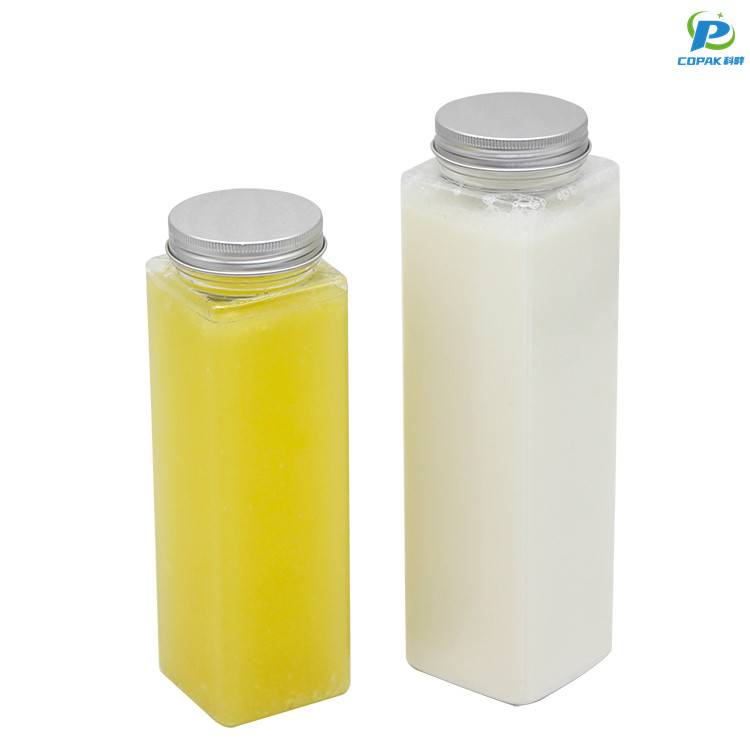
Round Juice Bottles Pioneers in the Field Manufacturers You Can Rely On
Round juice bottles manufactured by a Shanghai-based packaging specialist are setting the standard for beverage presentation and supply reliability. Combining advanced injection and blow-molding lines with rigorous food‑safety controls, these round bottles deliver consistent wall thickness, perfect neck finishes and excellent clarity for product visibility. Options include lightweight PET, recyclable alternatives and tailored barrier solutions to preserve flavor and extend shelf life, while in-line printing and label-friendly surfaces support premium branding. Global buyers value a partner who balances innovation with dependable logistics: flexible MOQs, customizable capacities and neck sizes, strict pre-shipment inspection and experience with international export regulations ensure predictable lead times. Sustainable material choices, cost-efficient tooling and responsive planning mean manufacturers in this region can scale with your business—making them an ideal source for beverage companies seeking quality, consistency and worldwide delivery.
| Specification | Typical Values / Description | Industry Range | Notes |
|---|---|---|---|
| Application | Bottling of still juices, nectars, cold-pressed juices, smoothies and RTD fruit blends. | — | Formulation pH and particulate content influence material choice. |
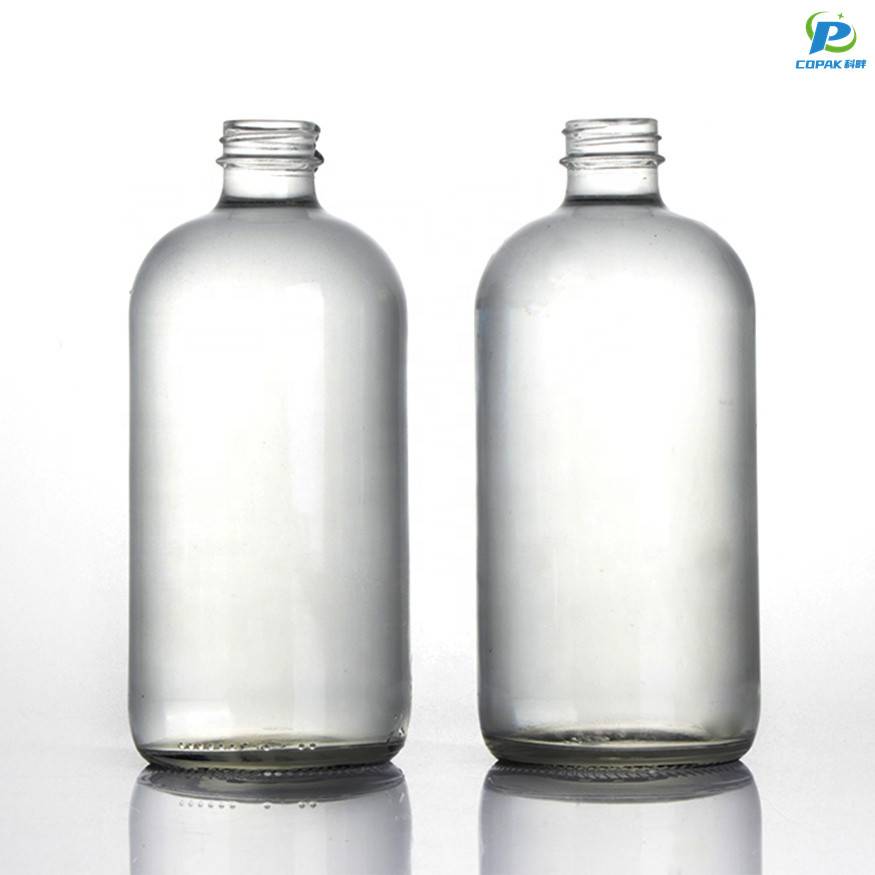
| Primary Materials | Soda-lime glass (clear/colored), food-grade PET (biaxially oriented), and specialty borosilicate for hot-fill applications. | Glass / PET / Borosilicate | Material selected for barrier, weight, recyclability and thermal process. |
| Common Capacities | 150 ml, 250 ml, 330 ml, 500 ml, 750 ml and 1,000 ml formats used in retail and foodservice. | 150–1000 ml | 250–500 ml most prevalent for single-serve juices. |
| Neck & Finish | Screw-cap finishes (28 mm variants common for PET), wide-mouth finishes for smoothies; glass finishes tailored per closure specification. | 28 mm / 38 mm / Wide | Neck finish critical for sealing and automated filler compatibility. |
| Manufacturing Process | Injection stretch blow molding (PET); blow-and-blow or press-and-blow (glass); cold-fill and hot-fill compatible options. | ISBM / P&B / B&B | Process chosen based on material and throughput requirements. |
| Typical Line Output | Production lines span laboratory-scale to high-speed; PET high-speed lines reach tens of thousands bottles/hour; glass IS units vary by machine and cavity count. | ~1,000–36,000 bottles/hour | Actual throughput depends on machine configuration, cavity count and bottle shape. |
| Wall Thickness | Glass bottles commonly 2.0–5.0 mm; PET bottles typically 0.25–0.6 mm depending on weight optimization. | Glass 2.0–5.0 mm; PET 0.25–0.6 mm | Thickness affects strength, thermal resistance and transport weight. |
| Typical Empty Weight | 250 ml glass: ~150–220 g; 500 ml glass: ~250–400 g. PET 250–500 ml: ~10–35 g depending on lightweighting. | PET 10–35 g; Glass 150–400 g | Weights vary with design features (handles, shoulders) and safety factors. |
| Dimensional Tolerances | Critical neck finish tolerance tight (typically ±0.05–0.2 mm); body dimensions ±0.5–2.0 mm depending on spec. | Neck ±0.05–0.2 mm; Body ±0.5–2.0 mm | Tolerances validated by CMM or dedicated gauging fixtures. |
| Barrier / OTR | Glass: near-impermeable for oxygen; PET: oxygen transmission rate varies with grade and coatings; barrier coatings or EVOH layers used for extended shelf life. | PET OTR ~0.5–5 cc/m²·day (approx.) | Hot-fill products often use thicker PET or special coatings to maintain shelf life. |
| Thermal Resistance | Glass tolerates pasteurization and high-temperature processes; PET variants available for hot-fill (up to ~85–95°C for short cycles). | Glass high; PET up to ~85–95°C (hot-fill grades) | Borosilicate used when extended thermal shock resistance required. |
| Food Safety & Certifications | Compliance with widely-adopted food contact regulations and standards (e.g., FDA food-contact guidance, EU food contact framework); quality systems like ISO 9001 and food safety management standards commonly implemented. | ISO 9001 / ISO 22000 / HACCP | Certs and testing (migration, extractables) typically available on request for specific SKUs. |
| Surface Finish & Decoration | Silk-screen printing, hot stamping, full-body shrink-sleeves, cold-end coatings, and PVD or vacuum coatings for metallic effects. | Multiple options | Decoration choice impacts recyclability path (e.g., sleeves vs direct printing). |
| Recycled Content & Recycling | Glass is fully recyclable with high closed-loop potential; PET supports post-consumer recycled (PCR) content—typical PCR levels vary regionally and by product specification. | PCR commonly 10–50% (varies) | Local recycling infrastructure strongly affects achievable recycled content. |
| Tooling & Lead Times | Standard SKU lead times short; custom mold/tooling for blow molds or injection molds typically requires multi-week lead times with prototype cycles. | Tooling 8–16 weeks (typical) | Expedited programs and sample runs are often available for new product launches. |
| Quality Assurance Tests | Dimensional gauging, visual inspection, pressure/vacuum testing, leak testing, drop and shock tests, migration and residual monomer analysis for polymers. | In-line & lab tests | Batch certificates and test reports commonly provided for food-contact batches. |
| Sustainability Metrics (Examples) | Regional recycling recovery rates and energy use per kg vary; manufacturers commonly report recycled content, recyclability and CO2 intensity metrics per SKU when requested. | Recycling recovery (region): Glass 60–90% / PET 25–65% | Metrics should be validated per region and production process. |
| Typical Closures | Tamper-evident screw caps, sports caps with spouts, induction liners for vacuum seal, and crown caps for specialty glass bottles. | Screw / Sport / Crown | Closure compatibility must be verified for automated capping lines and product viscosity. |
Related Products
22oz 660ml empty ketchup Mustard Mayo Salad sauce squeeze bottle PET Sauce packing Plastic Bottles
Read More


Round Juice Bottles Pioneers in the Field Supplies the World\u2019s Top Brands
Top Selling Products





- Related Blog
- Reviews
- Reviews
