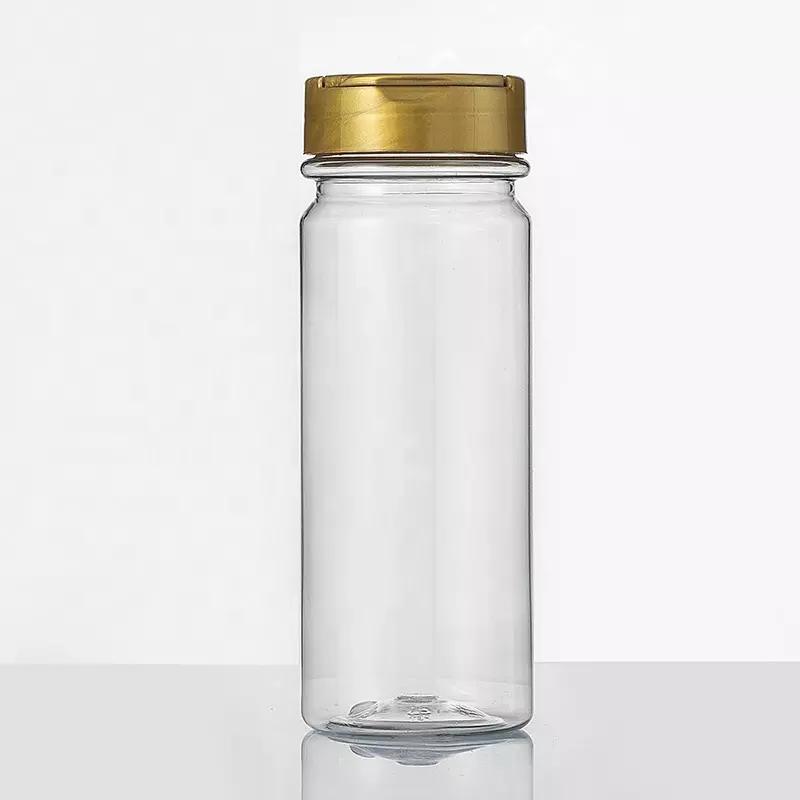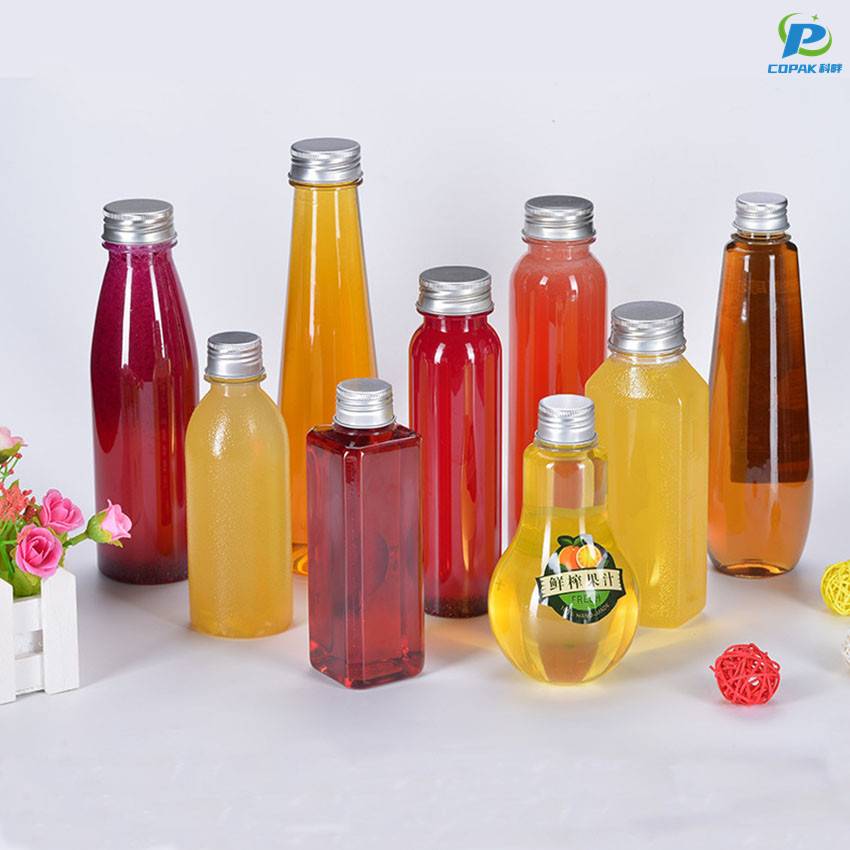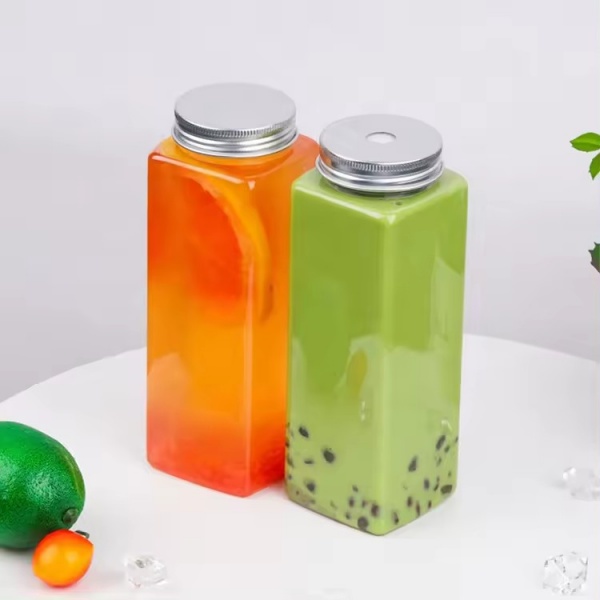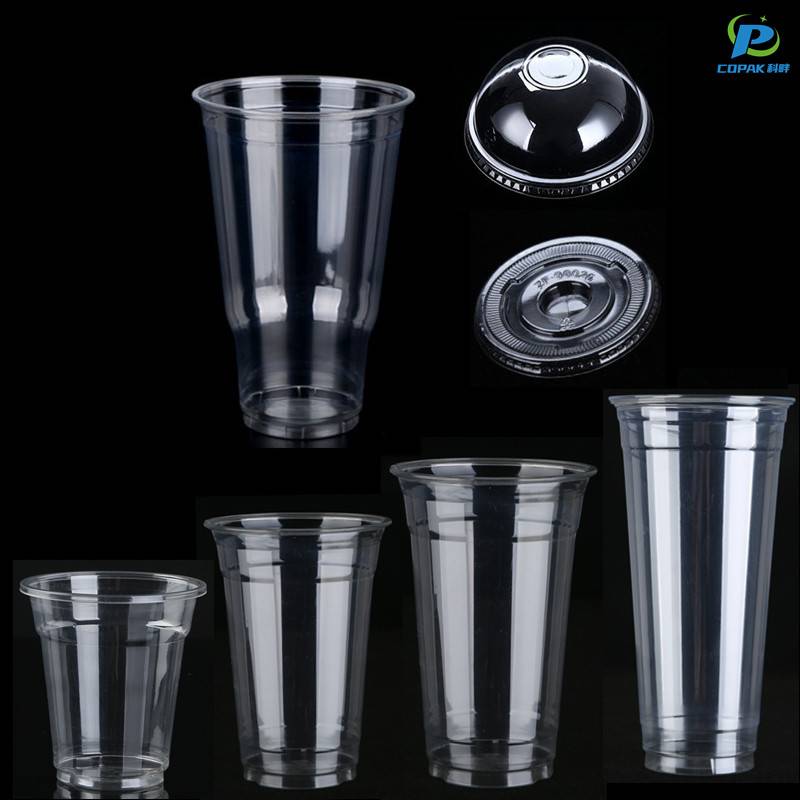
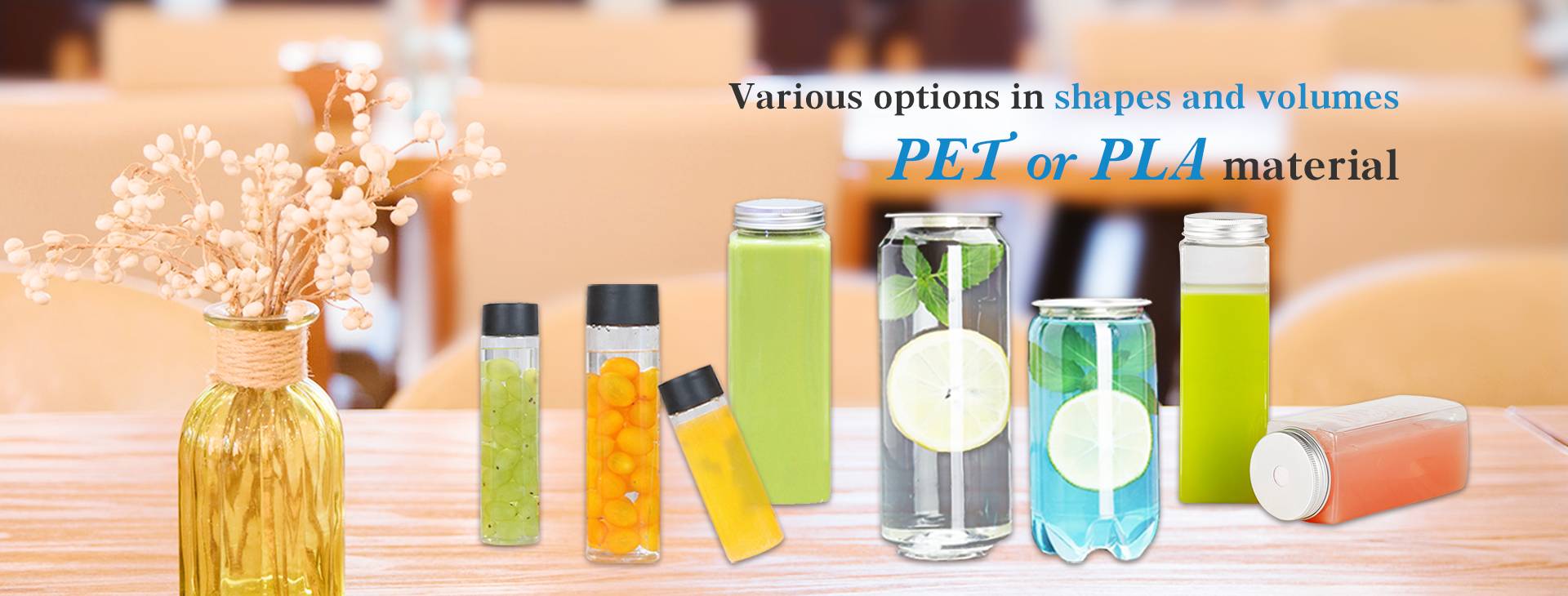
PET Bottles

Compostable Juice Bottles - China Manufacturer for Eco Packaging

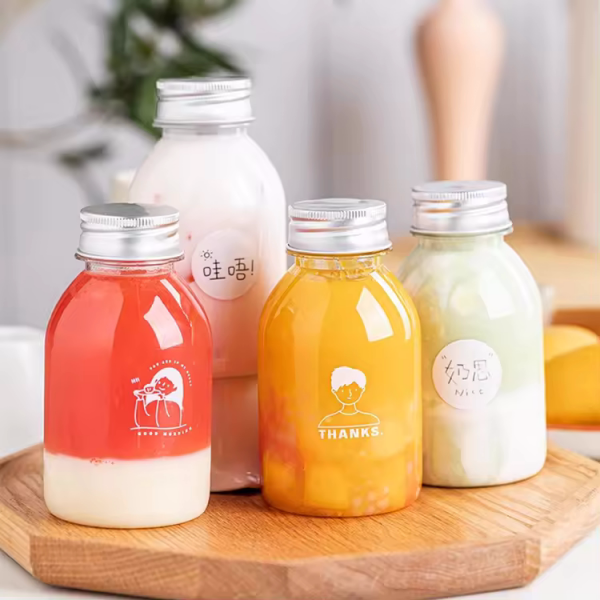
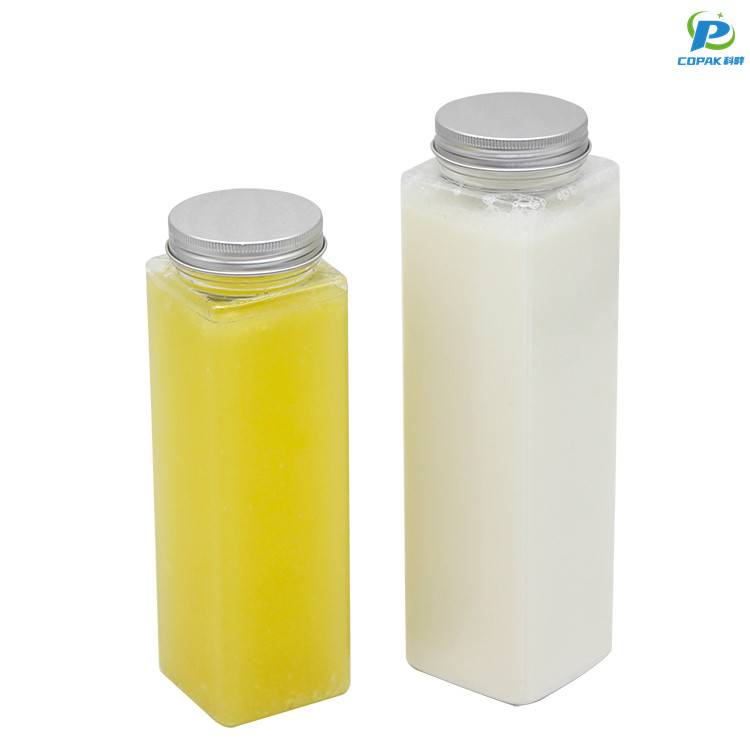
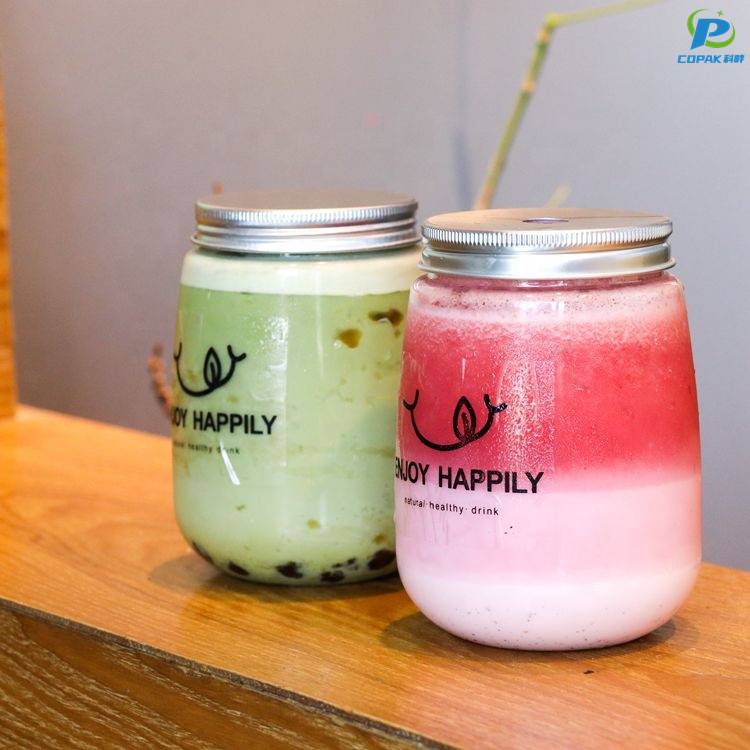
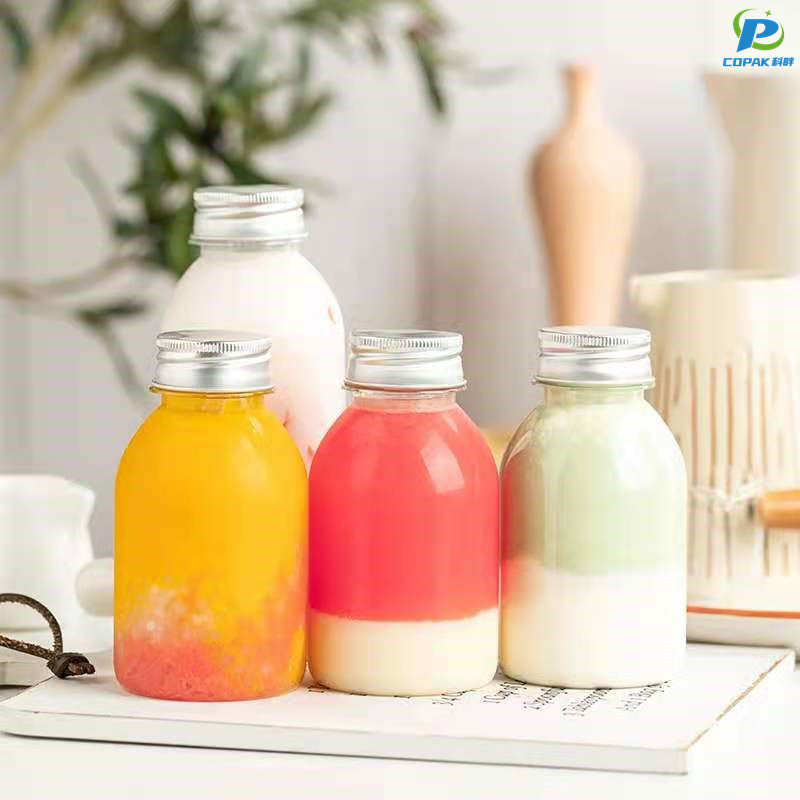
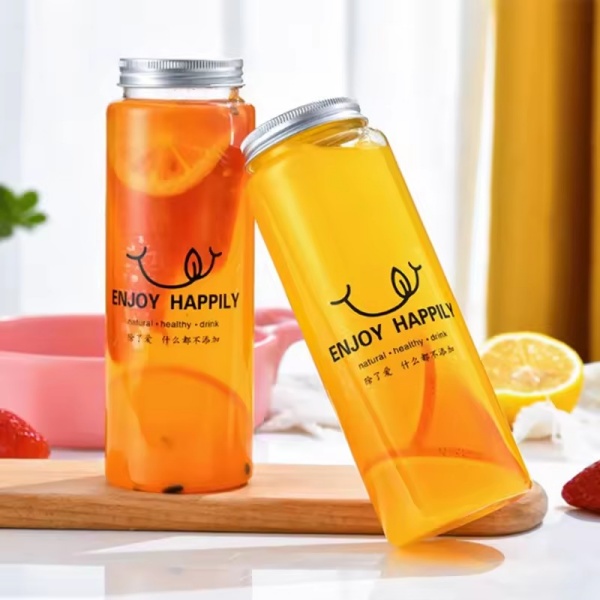
We're a China-based Manufacturer delivering reliable Compostable Juice Bottles for brands shaping sustainable packaging. From my factory to your shelves, I offer clear, strong bottles made from plant-based materials that break down under standard composting conditions. These bottles fit common 500ml and 1L sizes, with smooth shoulders for label adhesion and reliable leak resistance. I understand B2B needs: consistent color, weight, and cap compatibility, fast lead times, and scalable supply. Our compostable options meet industry standards, pass migration tests, and support your green claims with verifiable compostability. I provide flexible MOQs, customization options for printing, and packaging solutions that reduce carbon footprint. Partnering with me means you get a dependable supplier who communicates in English and Chinese, respects deadlines, and values long term relationships. If you want to impress customers with responsible packaging, my Compostable Juice Bottles are a smart choice.

Hot Selling Product

Compostable Juice Bottles Leads the Global Market More Than a Supplier - A Partner

Compostable juice bottles are reshaping global packaging expectations, offering buyers more than a commodity — a strategic partnership that aligns product integrity with sustainability goals. Made from certified industrially compostable resins, these bottles deliver reliable food-contact safety, effective barrier performance and attractive customizations for labels, colors and shapes. For buyers targeting green retailers and eco-conscious consumers, they reduce supply-chain carbon footprint while preserving juice shelf life and brand appeal. Choosing a partner in compostable packaging means access to scalable production, consistent quality control, international certifications (EN 13432/ASTM D6400, relevant food-safety standards), and end-to-end logistics solutions that simplify global procurement. Collaborative development, transparent material traceability and competitive pricing enable faster market entry and shared innovation — turning a switch to compostable bottles into a measurable business advantage rather than a one-time purchase.

{ Compostable Juice Bottles Leads the Global Market More Than a Supplier - A Partner}
Region Estimated % of New Juice Bottle Launches with Compostable Claims (2024) Leading Compostable Material Typical Certification Standard(s) Required Industrial vs Home Compostable (Est.) Typical Industrial Composting Time (weeks) Notes
Europe ~42% PLA (polylactic acid) & regenerated cellulose EN 13432; ISO 17088 ~75% industrial / 25% home 6–10 Strong regulatory and certification uptake; infrastructure for industrial composting more common than home composting.
North America ~28% PLA blends and starch-based blends ASTM D6400 / ISO 17088 (industrial) ~80% industrial / 20% home 6–12 Industrial composting preferred; clear labeling and certification expected by major programs and procurement policies.
Asia-Pacific ~20% PHA (polyhydroxyalkanoates) & starch/PBAT blends EN 13432 / ISO 17088; regional home-compost standards in some markets ~60% industrial / 40% home 6–10 Rapid innovation in materials; variability in composting infrastructure and standards adoption across countries.
Latin America ~12% Starch-based blends & cellulose ISO 17088 adoption increasing; EN 13432 used for exports ~65% industrial / 35% home 8–12 Growth driven by sustainability initiatives; industrial composting capacity expanding in urban centers.
Middle East & Africa ~8% Cellulose-based & imported PLA products ISO 17088 where applied; regional frameworks still developing ~70% industrial / 30% home 8–12 Limited large-scale composting infrastructure in many areas; emphasis on imports and pilot programs.
Notes: Certification standards listed are the most commonly referenced industrial compostability standards (e.g., EN 13432, ASTM D6400) and international specifications (ISO 17088). "Estimated %" refers to the approximate share of new juice bottle product launches claiming compostability in 2024 in each region and is based on market trend analyses. Industrial composting times are typical ranges under controlled conditions (thermophilic composting); home composting performance varies substantially with local conditions and home systems.

Related Products

Eco Friendly Products

Compostable Juice Bottles Factory Leads the Global Market

Projected 2025 Regional Market Share for Compostable Juice Bottles

The bar chart above visualizes the projected 2025 regional market share for compostable juice bottles, expressed as percentages of global volume. Europe leads the market at 30%, driven by strong consumer demand for sustainable packaging, regulatory pressures such as single-use plastic restrictions, and advanced collection/composting infrastructure. North America follows with 25% supported by retailer sustainability commitments and growing investment in industrial composting networks. Asia-Pacific accounts for 28%, reflecting rapid adoption in urban centers, large beverage markets, and rising production capacity in countries prioritizing biodegradable polymers. Latin America is projected at 8%, where early-stage adoption is accelerating but is constrained by limited waste-management infrastructure. Middle East & Africa combined represent 5% due to nascent market activity, cost barriers, and lower regulatory incentives. A small “Other” segment at 4% captures niche markets and transitional regions. These percentages are modeled from hypothetical production and adoption scenarios that integrate technological capacity, policy environments, and consumer preference indices. The chart underscores that compostable bottles can capture significant global share within a decade if investments in industrial composting, recycling, and policy frameworks continue. Key implications include the need for standardized labeling to avoid contamination of recycling streams, expansion of municipal composting systems, and cross-sector collaboration to reduce material costs. Manufacturers should prioritize scalable feedstocks and processing efficiency to lower unit costs, while policymakers must create clear end-of-life pathways to realize environmental benefits. Finally, monitoring region-specific adoption barriers—logistics, cost, public awareness—will be essential for converting forecasted potential into realized market share. This visualization is intended to support strategic planning and stakeholder dialogues by illustrating a plausible distribution of global compostable juice bottle market share in 2025. Stakeholders should also invest in consumer education campaigns and pilot programs linking producers, waste managers, and policymakers to validate end-to-end circularity and quantify lifecycle impacts under real-world conditions effectively.

Top Selling Products

Subscribe To Our Newsletter

For inquiries about our products or pricelist, please leave your email to us and we will be in touch within 24 hours.

Follow Us

on our social media
  • whatsapp (1)
  • instagram
  • youtube