



Kraft Paper Bowl - China Manufacturer for Eco Packaging Solutions
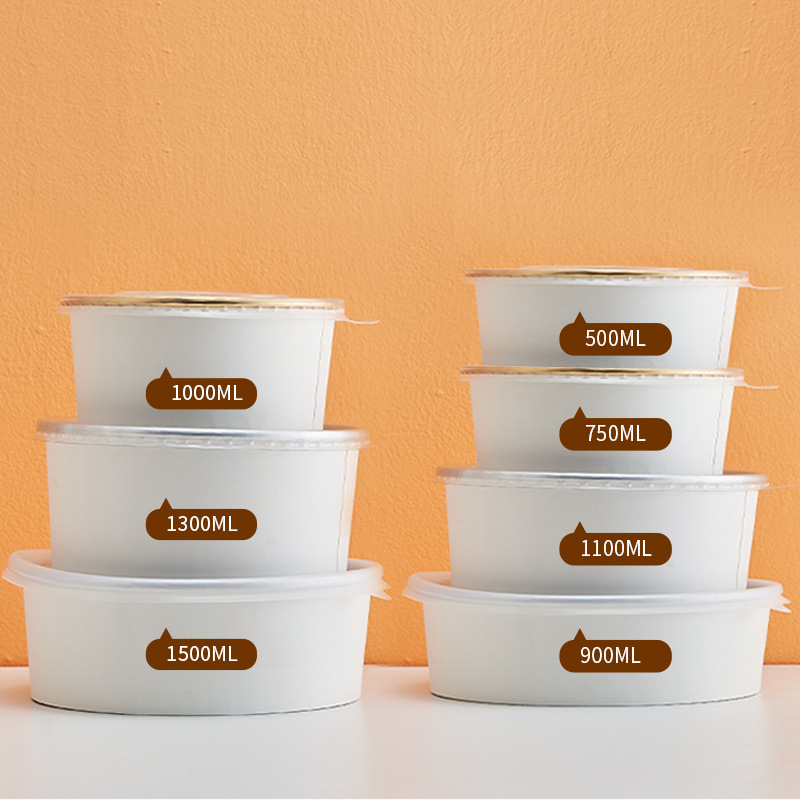
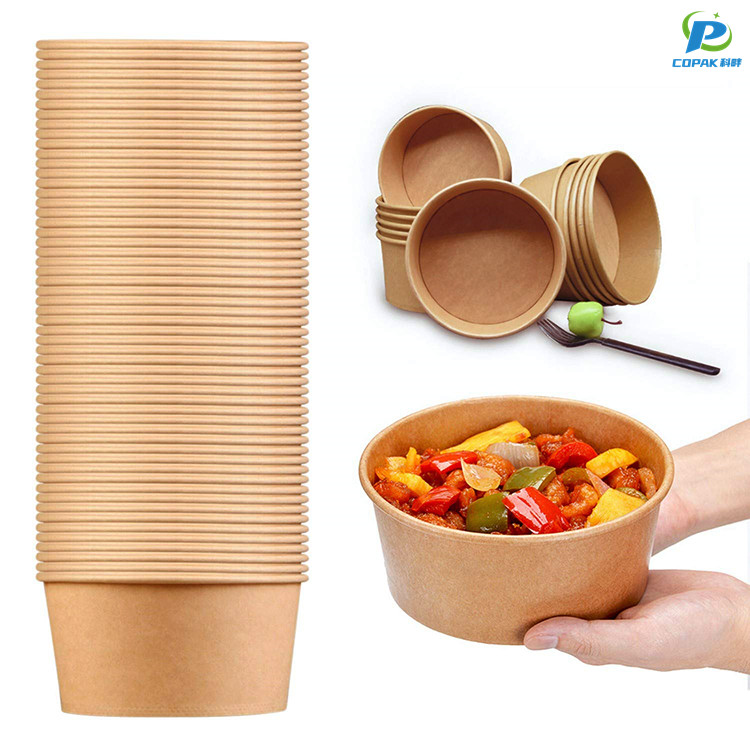
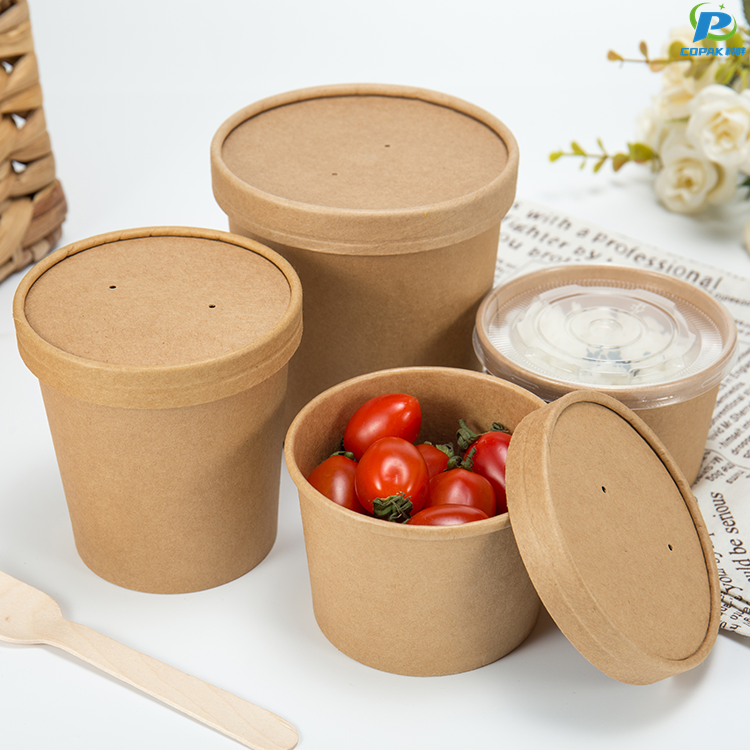
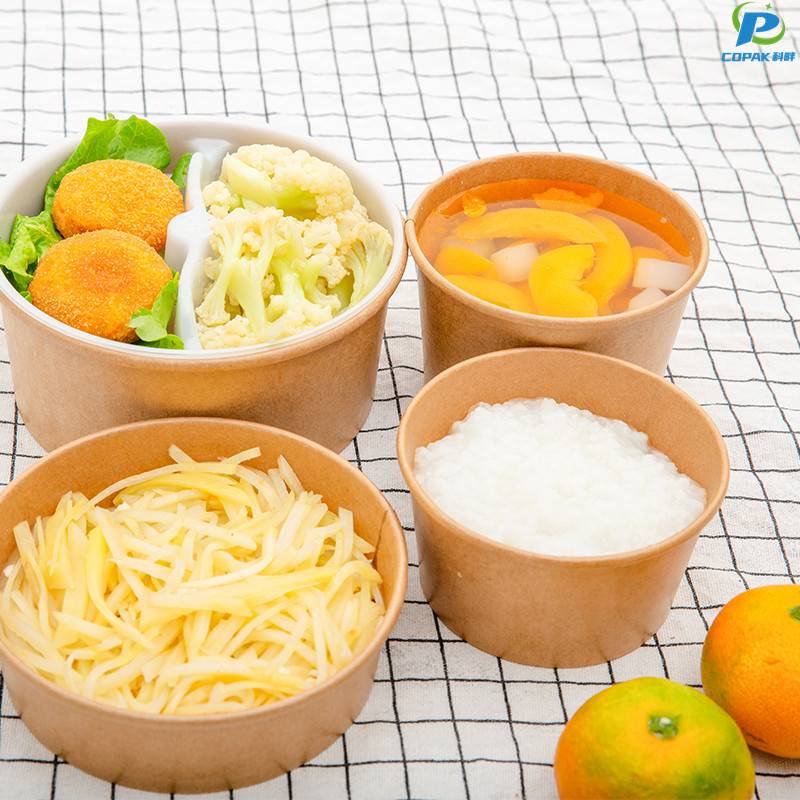
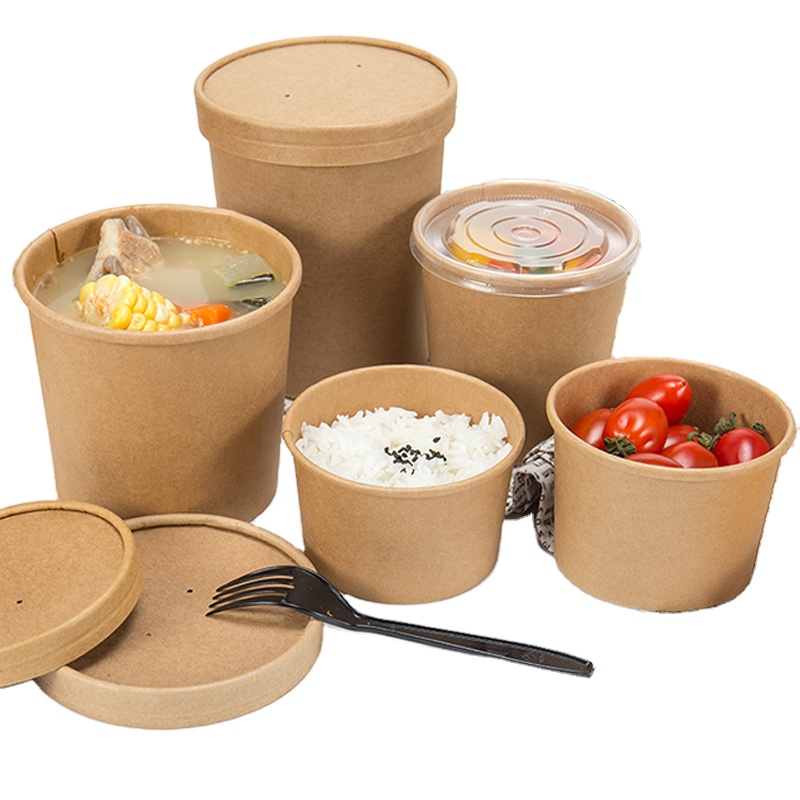
At our factory, I am proud to offer Kraft Paper Bowl solutions that fit modern takeout and catering needs. As a China-based Manufacturer, I know what B2B buyers want: reliability, sustainable materials, and smooth supply. Our Kraft Paper Bowl is made from sturdy, food-grade kraft paper, grease-resistant and leak-proof, perfect for hot and cold dishes. I can customize size, print logos, and offer bulk packaging to suit your operation. From initial order to shipment, I keep things simple with short lead times, scalable production, and competitive pricing. We use safe inks and comply with FDA standards, so you can pass audits with ease. Whether you run a restaurant group, a cloud kitchen, or a catering service, our bowls stack neatly, ship compactly, and boost your brand image. If you’re sourcing in China or searching for a dependable supplier, I’m here to help you grow your business.

Kraft Paper Bowl Manufacturer Industry Leaders
As an industry leader in kraft paper bowl manufacturing, we deliver durable, food-safe and compostable bowls tailored for global foodservice, retail and private-label brands. Our product range features grease-resistant, PE-free barrier options, precise sizing and full-color printing to meet branding needs, all produced under strict quality controls and recognized safety standards to ensure consistent performance across high-volume runs. Global buyers benefit from competitive pricing, flexible minimums, reliable lead times and experienced export logistics that simplify sourcing. We offer OEM/ODM services, rapid prototyping and technical support to optimize packaging performance while prioritizing sustainable materials and regulatory compliance for markets worldwide.
| Profile | Region | Estimated Annual Capacity (tons/year) | Main Materials | Certifications & Compliance | Primary Applications | Manufacturing Technologies | Sustainability Features | Avg Lead Time (weeks) | Export Regions | Production Lines | QC Targets | R&D Focus | Typical Year Established |
|---|---|---|---|---|---|---|---|---|---|---|---|---|---|
| North America — Large-scale | North America | 60,000 | Unbleached virgin kraft; recycled blends; PE/PLA barrier options | FSC Mix, ISO 9001, ISO 14001, FDA (food contact), BRCGS | QSR packaging, retail-ready bowls, frozen meals | High-speed die-cutting, thermoforming, extrusion coating, inline printing | Compostable PLA coatings, chlorine-free pulping, up to 40% recycled content | 6–8 | North America, Europe, LATAM | 10 | Moisture ≤6%; Leak-free ≥99%; Coating uniformity ±5% | Barrier kraft coatings; compostable adhesives; grease resistance | 1988 |
| Europe — Eco-focused | Western & Northern Europe | 25,000 | Recycled kraft, uncoated options, starch-based barriers | FSC Recycled, EN 13432 compostability, ISO 14001, EU food contact | Premium cafes, organic food takeaway, retail packaging | Cold-press forming, water-based barrier coating, digital printing | Industrial compostability, ≥60% recycled content, chlorine-free processes | 4–6 | Europe, Middle East | 6 | Recycled fiber ≥60%; EN 13432 compostability; Moisture ≤7% | Water-based barriers; recycled fiber strengthening; LCA studies | 1995 |
| China — High-volume Exporter | China | 120,000 | Recycled kraft, semi-bleached kraft, PE/PLA coatings | ISO 9001, FSC Controlled Wood, FDA, BSCI/SMETA | Bulk retail bowls, private labels, export foodservice | Continuous high-speed forming, extrusion coating, flexo printing | Rising recycled content, energy efficiency upgrades, PLA adoption | 5–7 | North America, Europe, APAC, Africa | 18 | Leak-free ≥98%; Dimensional tolerance ±2mm; Moisture ≤6% | Scale-up biodegradable coatings; cost-optimized formulations | 2002 |
| India — Cost-competitive Regional Supplier | India & South Asia | 30,000 | Semi-bleached kraft, recycled blends, economical laminates | ISO 9001, FSSAI (local food compliance), select FSC | Local QSR chains, street food packaging, retail | Flexo printing, die-cutting, extrusion lamination | Growing recycled input, basic effluent treatment, cost-focused sourcing | 3–5 | South Asia, Middle East, Africa | 8 | Leak-free ≥97%; Dimensional ±3mm; Moisture ≤7% | Cost-effective coatings; wastewater reduction | 1999 |
| Southeast Asia — Emerging Sustainable Hubs | Southeast Asia | 15,000 | Virgin kraft blends, sugarcane bagasse fiber blends | FSC Mix, local food contact approvals, selected ISO 14001 | Hospitality, island resorts, takeaway bowls | Small-batch thermoforming, niche printing, cold-press | Use of agricultural residues (bagasse), focus on compostability | 4–6 | APAC, Australia | 4 | EN 13432 (for bagasse blends); Moisture ≤8%; Leak-free ≥96% | Bagasse processing; low-energy drying | 2010 |
| Japan/Korea — Technical Specialty Producers | Japan & Korea | 8,000 | High-strength unbleached kraft; specialty barrier coatings | ISO 9001, JAS, FDA, HACCP | Microwaveable bowls, premium instant meals, engineered barriers | Precision thermoforming, multilayer coatings, in-line vision systems | High material efficiency, advanced wastewater treatment, recyclable designs | 6–10 | Asia, Europe (specialty) | 3 | Microwave integrity ≥99%; Dimensional ±1mm; Moisture ≤5% | Microwave-safe barriers; thin-film biodegradable coatings | 1982 |
Related Products
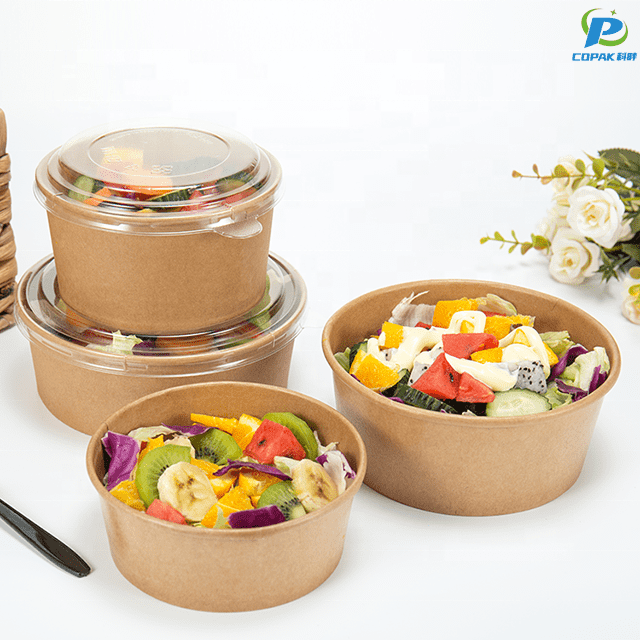


Kraft Paper Bowl Factory in 2025
Top Selling Products



- Related Blog
- Reviews
- Reviews
