



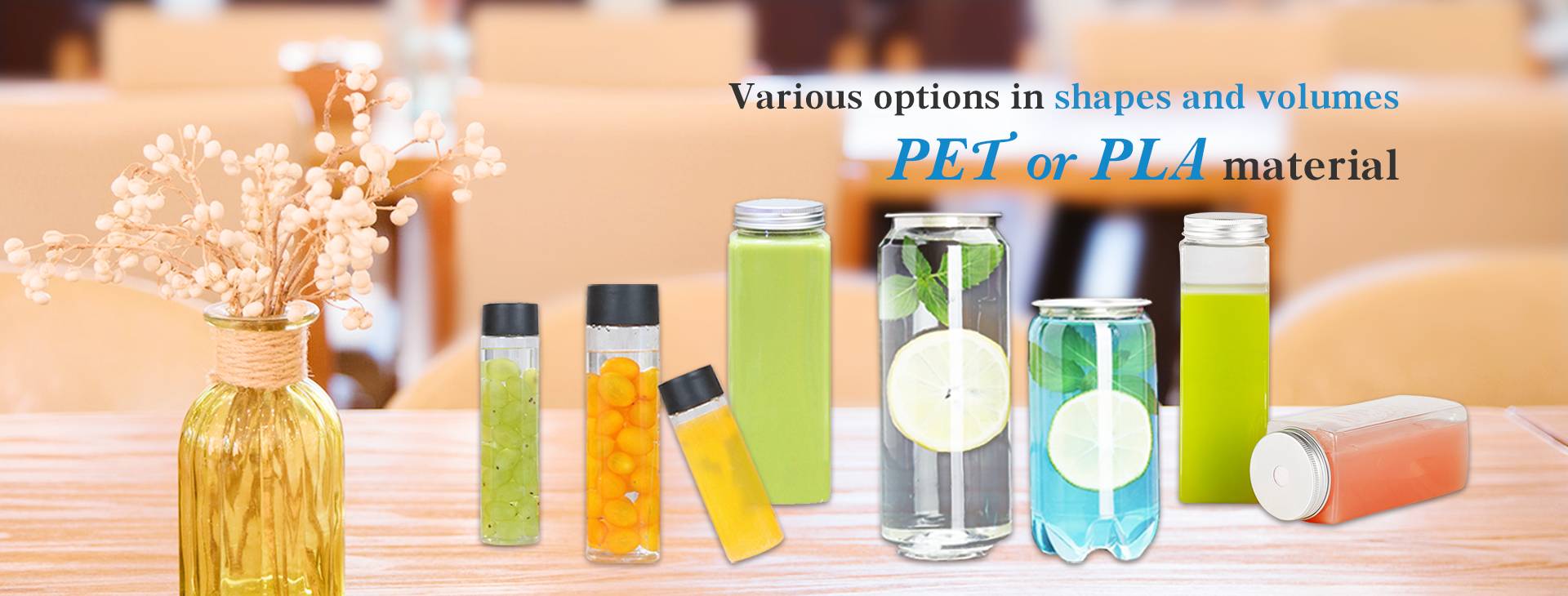
PETE Plastic Containers Manufacturer in China
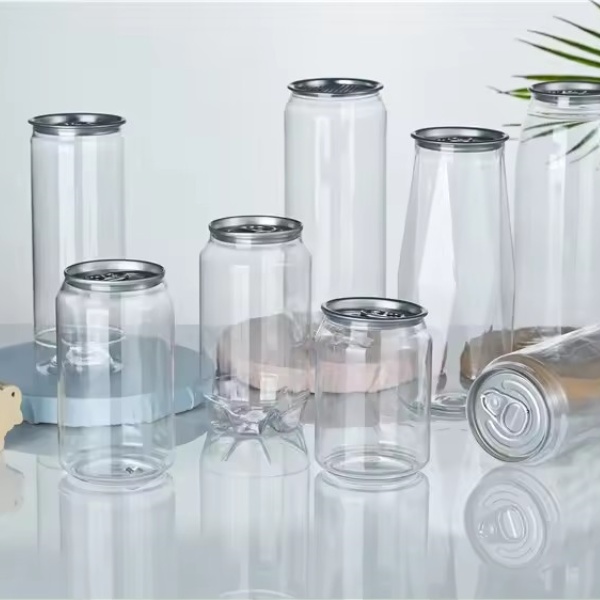
From my workshop in {China}, I’m the {Manufacturer} who stands behind every batch of {PETE Plastic Containers}. I design and produce these containers for food, beverage, and cosmetic lines with tight tolerances, leak-proof caps, and crystal-clear clarity. We sell direct to B2B buyers and can customize sizes, neck finishes, lids, and labeling to fit your needs. Using food-grade PETE resin and proven sealing systems, my containers resist impact and chemicals while staying light on cost and weight. I offer quick quotes, scalable MOQs, and short lead times, with options for OEM printing and tamper-evident seals. My goal is to help you reduce total cost per unit while improving shelf appeal. If you’re sourcing in {China} or looking for a reliable {Manufacturer}, you’ll find my team responsive and ready to support your growth. Send me your specs and I’ll tailor a solution and send samples fast.

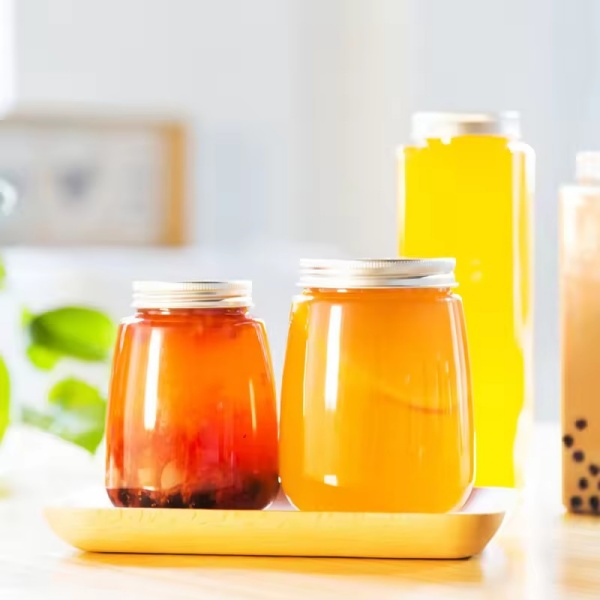
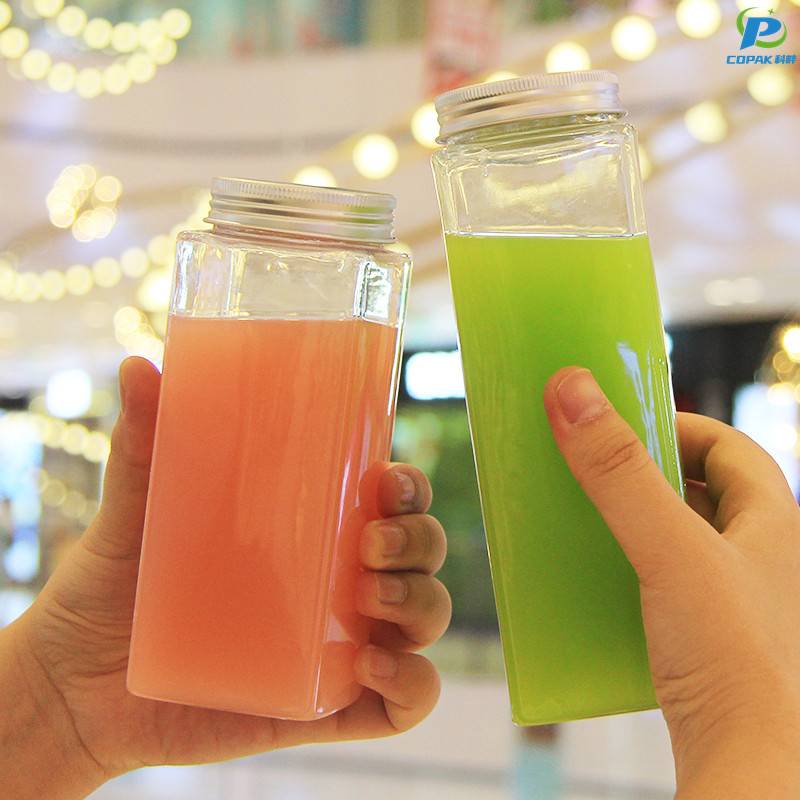
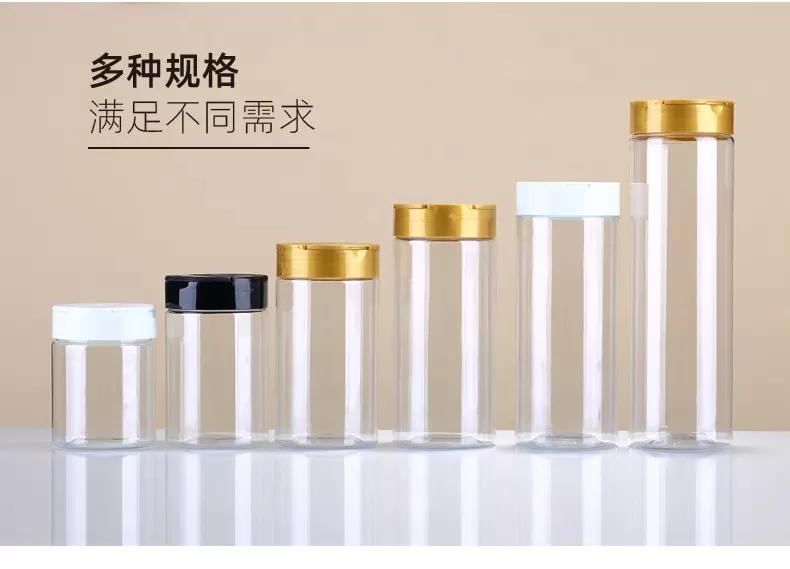
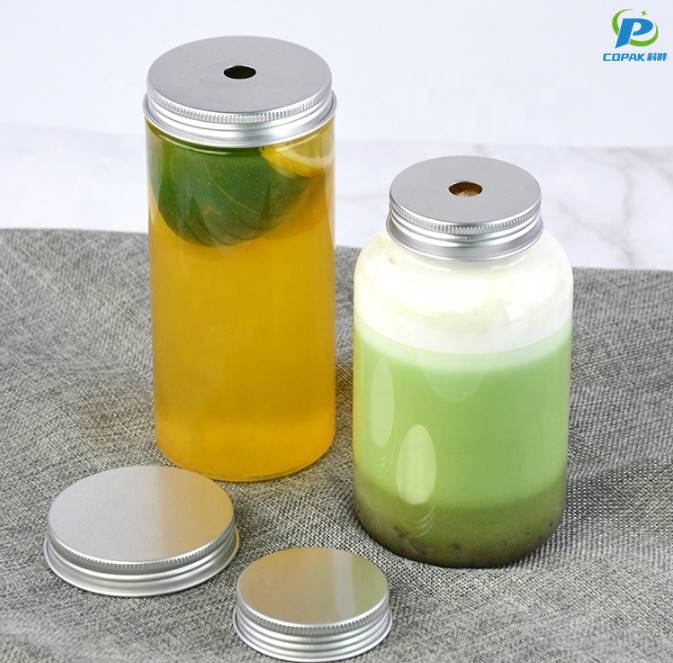
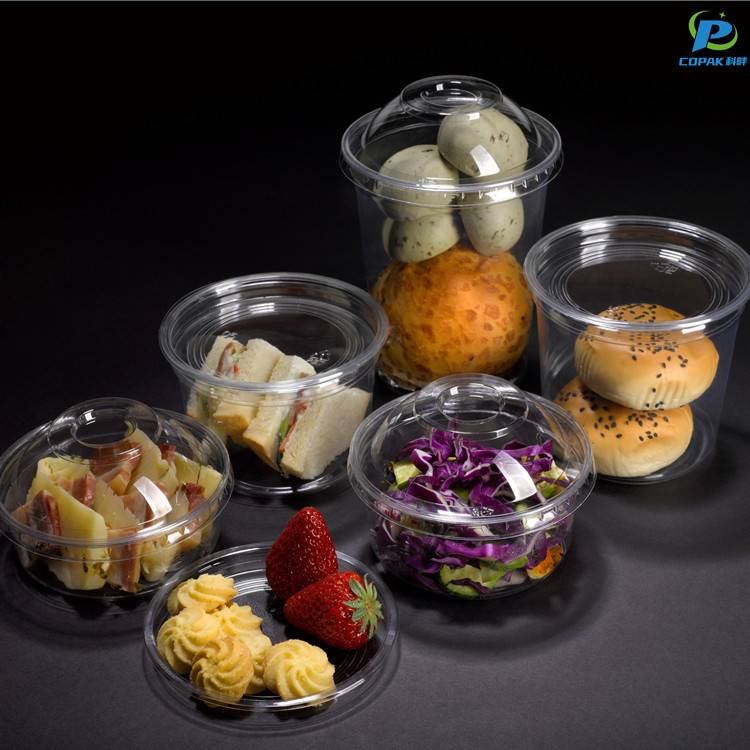
PETE Plastic Containers Ahead of the Curve Factory-Direct Excellence
High-quality PETE plastic containers combine crystal clarity, lightweight durability and excellent food-contact safety, making them ideal for beverages, sauces, cosmetics and household products. Factory-direct manufacturing ensures consistent quality through precision molding, rigorous inline inspection and compliance with global food-contact standards (FDA, EU) and ISO quality systems. The recyclable nature of PETE supports sustainability goals while maintaining superior barrier and display properties. For global buyers, factory-direct sourcing delivers clear advantages: competitive pricing, predictable lead times, flexible MOQ and full customization for shapes, colors and labeling. Reliable production capacity, lab-tested quality and coordinated logistics simplify cross-border procurement and reduce total landed cost. Explore factory-direct PETE solutions to streamline supply chains, enhance product presentation and meet evolving sustainability requirements.
{ PETE Plastic Containers Ahead of the Curve Factory-Direct Excellence}
| Container Type | Typical Volume Range (mL) | Wall Thickness (mm) | Material Grade | Density (g/cm³) | Melting Point (°C) | Tensile Strength (MPa) | Barrier Performance (O₂ / H₂O) | Recyclability Code | Common Applications | Typical Colorability | Regulatory Notes |
|---|---|---|---|---|---|---|---|---|---|---|---|
| Clear PET Bottle | 250 – 2000 | 0.25 – 0.50 | Amorphous PET (high clarity) | 1.38 | ~250 | 55 – 75 | Moderate / Low | 1 | Water, still and carbonated beverages, juices | Clear to lightly tinted; pigmentable | Suitable for food/beverage use when processed with food-contact compliant additives and hygienic handling |
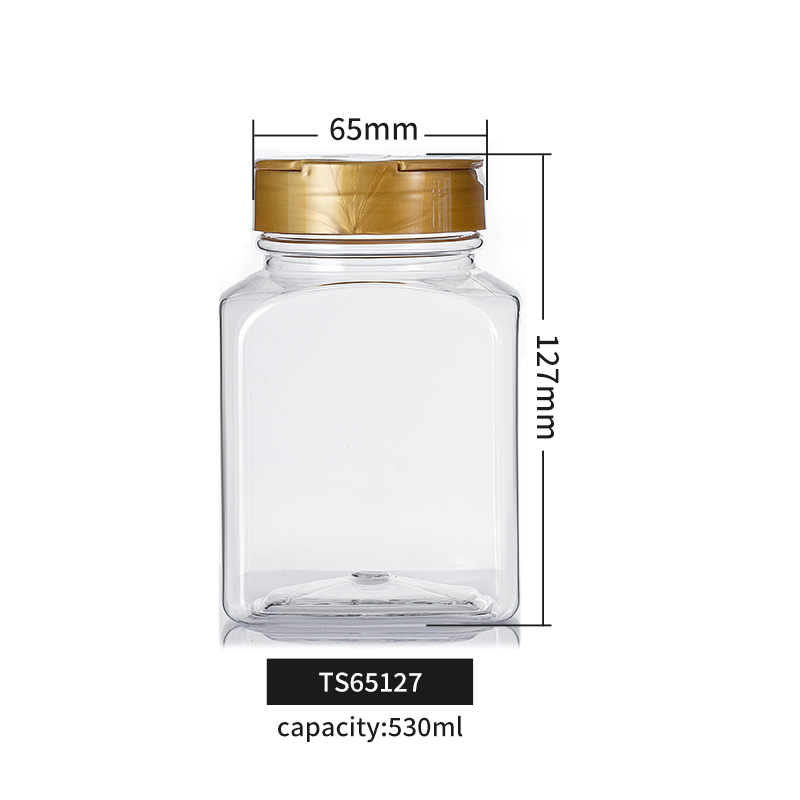
| PET Jar (Solid Foods) | 50 – 1000 | 0.5 – 1.5 | PET / Modified PET (enhanced formability) | 1.38 | 245 – 260 | 50 – 70 | Moderate / Low | 1 | Dry foods, sauces, spreads, pantry goods | Easily colored or printed; opaque or translucent options | Appropriate for direct food contact when produced with approved additives and validated processes |
| APET Clamshell (Produce) | Equivalent 100 – 1500 | 0.4 – 0.8 | APET (amorphous PET) | 1.38 | ~250 | 60 – 80 (oriented parts higher) | Moderate / Low | 1 | Fresh produce, bakery, display-ready packaging | Typically clear for visual merchandising; tinted possible | Suitable for food contact when formed and filled under sanitary conditions |
| Cosmetic Pump Bottle | 15 – 500 | 0.8 – 2.0 | PET or coated PET for improved solvent resistance | 1.38 | ~250 | 55 – 75 | Variable; coatings improve barrier/solvent resistance | 1 | Lotions, serums, personal-care products | Wide color range; pearlescent and opaque finishes achievable | Compatible with topical cosmetic formulations when additives are selected for compatibility |
| Pharmaceutical-Style Sample Vial | 2 – 100 | 1.0 – 3.0 | High‑purity PET | 1.38 | ~250 | 60 – 80 | Moderate; moisture ingress managed by sealing | 1 | Non‑sterile sample containers, external or laboratory use | Clear or amber for light-sensitive contents | Intended for non-sterile use unless subjected to validated sterilization and quality controls |
| Thermoformed Tray (Ready Meals) | Equivalent 200 – 1500 | 0.3 – 1.2 | PET / Heat-set PET for higher temperature resistance | 1.38 | ~250 (service temp increased by heat-set) | 50 – 70 | Moderate; heat-setting improves dimensional stability | 1 | Ready meals, ovenable trays (when heat-set), takeaway packaging | Colored, printed, or metallized for enhanced barrier | Suitable for hot-fill or reheating when heat-set and validated for intended temperature profiles |
Related Products


PETE Plastic Containers For the Current Year More Than a Supplier - A Partner
Top Selling Products






- Related Blog
- Reviews
- Reviews
