



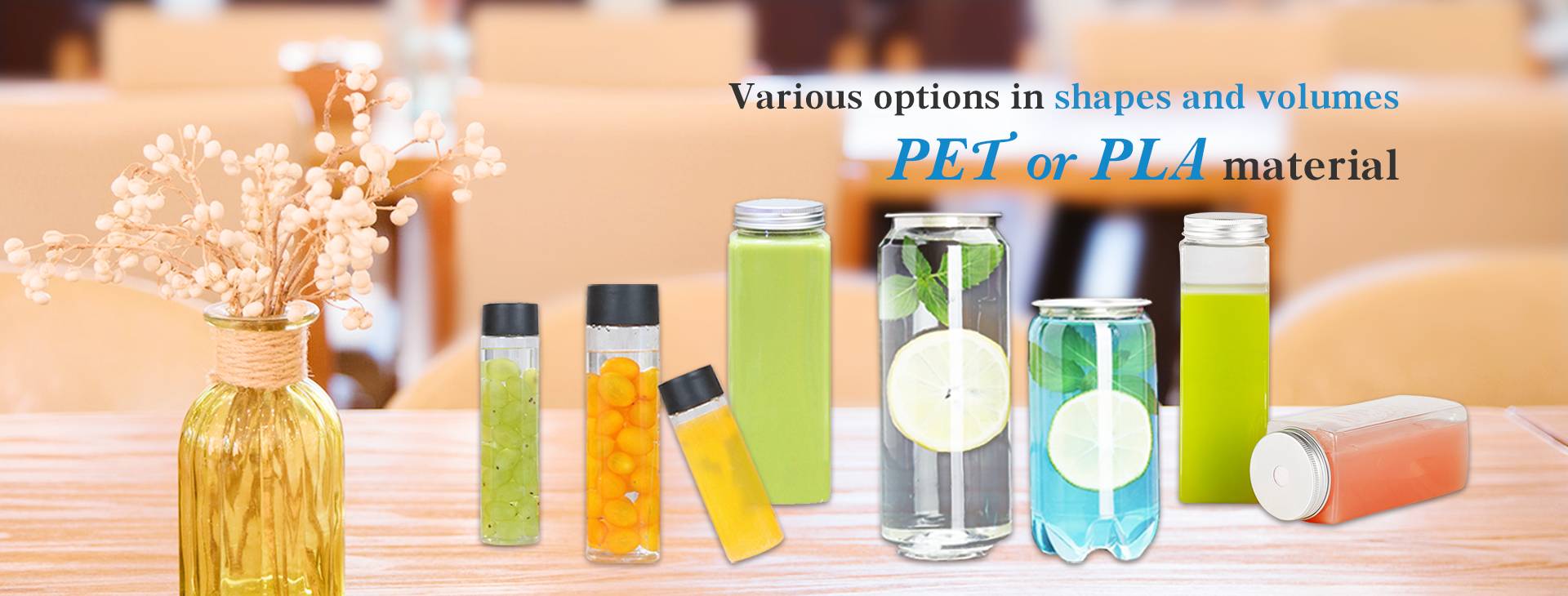
Biodegradable Plastic Cups - China Manufacturer
As a China-based Manufacturer, we craft Biodegradable Plastic Cups with comfort and responsibility in mind. I supply to B2B purchasers who demand reliability, fast turnaround, and clear sustainability claims. Our cups are made from plant-based materials and are compostable under industrial conditions, reducing waste at events, packaging, and foodservice. We offer bulk packs, smooth rims, and leak-proof design, compatible with hot and cold beverages. Certification-ready: BPI, EN 13432, and FDA-compliant inks. I can customize sizes, printing, and branding to fit your brand strategy. You’ll save time with our consistent supply chain, transparent lead times, and scalable production from China. We ship worldwide and support timely replenishment; our MOQ is flexible for startup brands or large chains. Choose Biodegradable Plastic Cups for a sustainable image without compromising durability. If you need a trusted partner in China, I’m here to discuss your project, deadlines, and volumes.


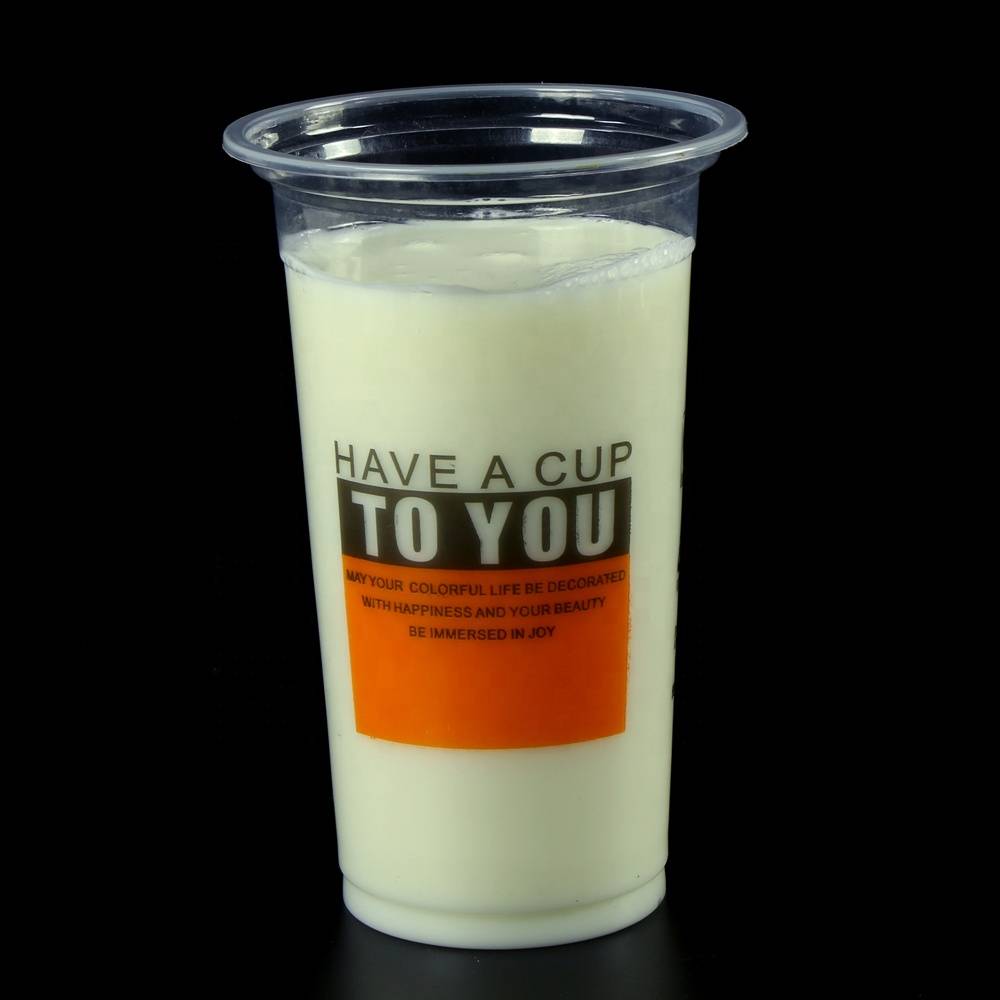
Biodegradable Plastic Cups Manufacturer Stands Out
A next-generation biodegradable plastic cups manufacturer is capturing global attention by combining sustainable materials, reliable production, and export-ready services. Using PLA/PBAT blend options and certified compostable alternatives, the product range meets food-grade standards and offers clear, sturdy cups in multiple sizes with customizable prints and barrier coatings for hot or cold beverages. Rigorous quality control, fast sampling and scalable output ensure consistent supply for seasonal peaks and long-term contracts. For international buyers seeking eco-friendly packaging partners, advantages include competitive pricing, OEM/ODM flexibility, traceable raw materials, and compliance with common international certifications. End-to-end support from prototyping to logistics simplifies cross-border procurement, while sustainability reporting and batch testing back transparent sourcing. Samples and tailored quotations are available to help buyers evaluate fit and ROI quickly.
| Cup Type | Material System | Typical Composition | Capacity (ml) | Wall Thickness (µm) | Heat Resistance (°C) | Suitable For | Biodegradation Environment | Estimated Biodegradation Time | Key Certifications / Standards |
|---|---|---|---|---|---|---|---|---|---|
| PLA Cold Cup | Polylactic Acid (PLA) | >95% PLA | 250 | 150 | Up to ~60°C (limited) | Cold beverages, iced drinks, events | Industrial composting (high-temp composters, ~58±2°C) | Typically 60–180 days under industrial composting; not reliably biodegradable in marine or standard home composts | EN 13432; ASTM D6400 (industry standards for industrial compostability) |
| PLA/PBAT Heat-Resistant Cup | PLA + PBAT blend | ~70% PLA / ~30% PBAT | 350 | 180 | ~85–90°C (blend improves heat tolerance) | Hot beverages (coffee), warm liquids | Industrial composting preferred; home composting performance limited | Typically 90–180 days in industrial composting; depends on blend ratio and compost conditions | EN 13432; OK compost INDUSTRIAL (commonly sought for blends) |
| PHA Cup (PHB/PHBV family) | Polyhydroxyalkanoates (PHA) | ~100% PHA (PHB/PHBV variants) | 300 | 160 | ~75–80°C (varies with copolymer) | Cold & hot beverages, higher durability needs | Industrial composting; many PHA formulations show biodegradability in soil & some marine settings (varies by formulation) | Industrial: ~60–180 days; marine/soil: variable (months to years depending on conditions and formulation) | EN 13432; ASTM D7081 (marine biodegradation standards may apply depending on testing) |
| Starch-Modified PLA Cup | PLA + Thermoplastic Starch (TPS) | ~60% PLA / ~40% TPS | 200 | 170 | Up to ~60°C | Cold drinks, lower‑cost single-use applications | Industrial composting recommended; enhanced home composting can achieve degradation over longer times | Industrial: ~45–120 days; Home compost: 6–12 months (highly dependent on conditions) | EN 13432 (common benchmark for compostable blends) |
| Mineral-Filled PLA Cup | PLA with mineral filler (e.g., CaCO3) | ~80% PLA / ~20% CaCO3 | 400 | 200 | Up to ~70°C | Cold & warm drinks, event catering | Industrial composting required; inorganic filler remains as mineral residue after polymer degradation | Polymer fraction: ~90–365 days in industrial composting; mineral filler persists as inert residue | EN 13432 (applicable to polymer fraction; filler presence may affect certification scope) |
Related Products
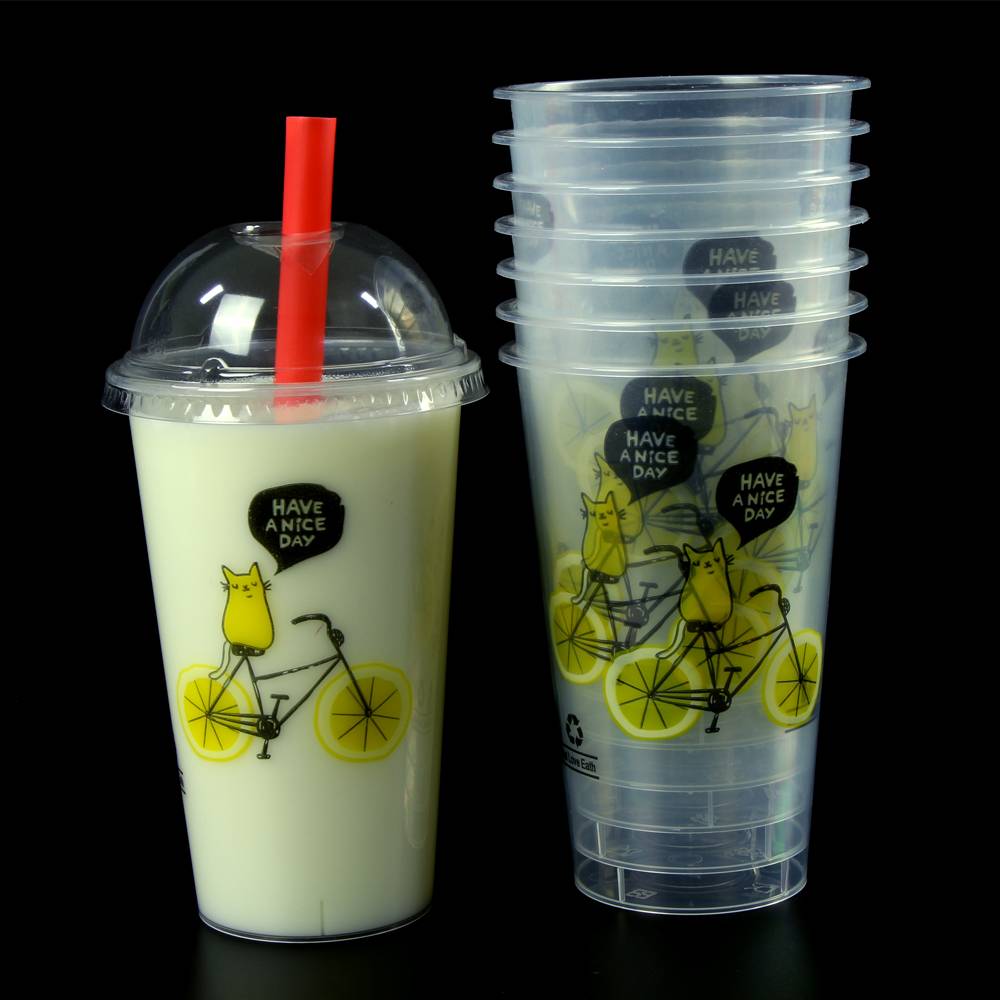
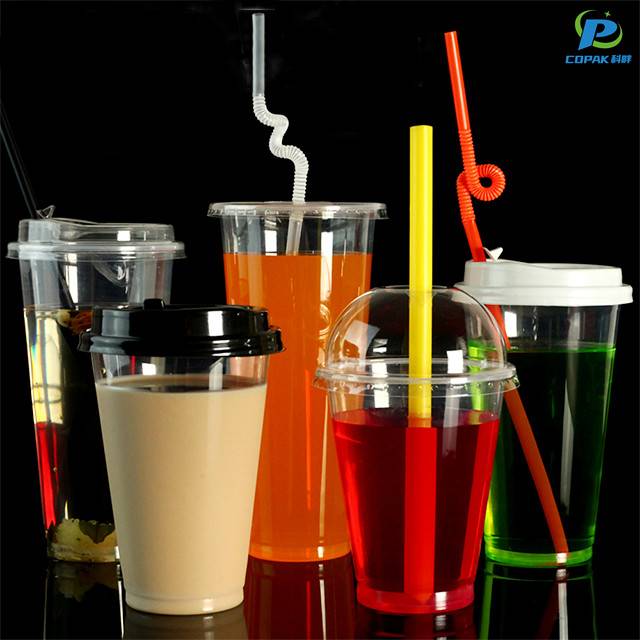
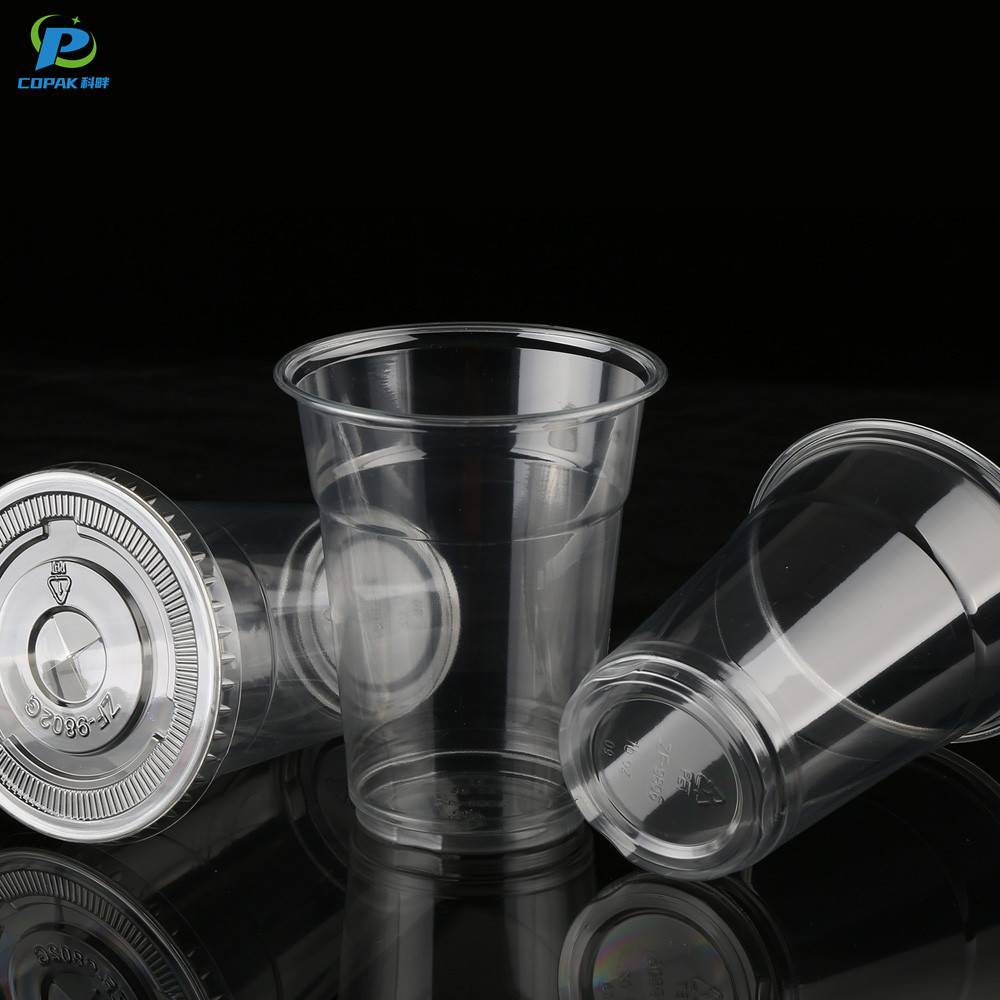


Biodegradable Plastic Cups Trusted by Pros Guarantees Peak Performance
Top Selling Products






- Related Blog
- Reviews
- Reviews
