



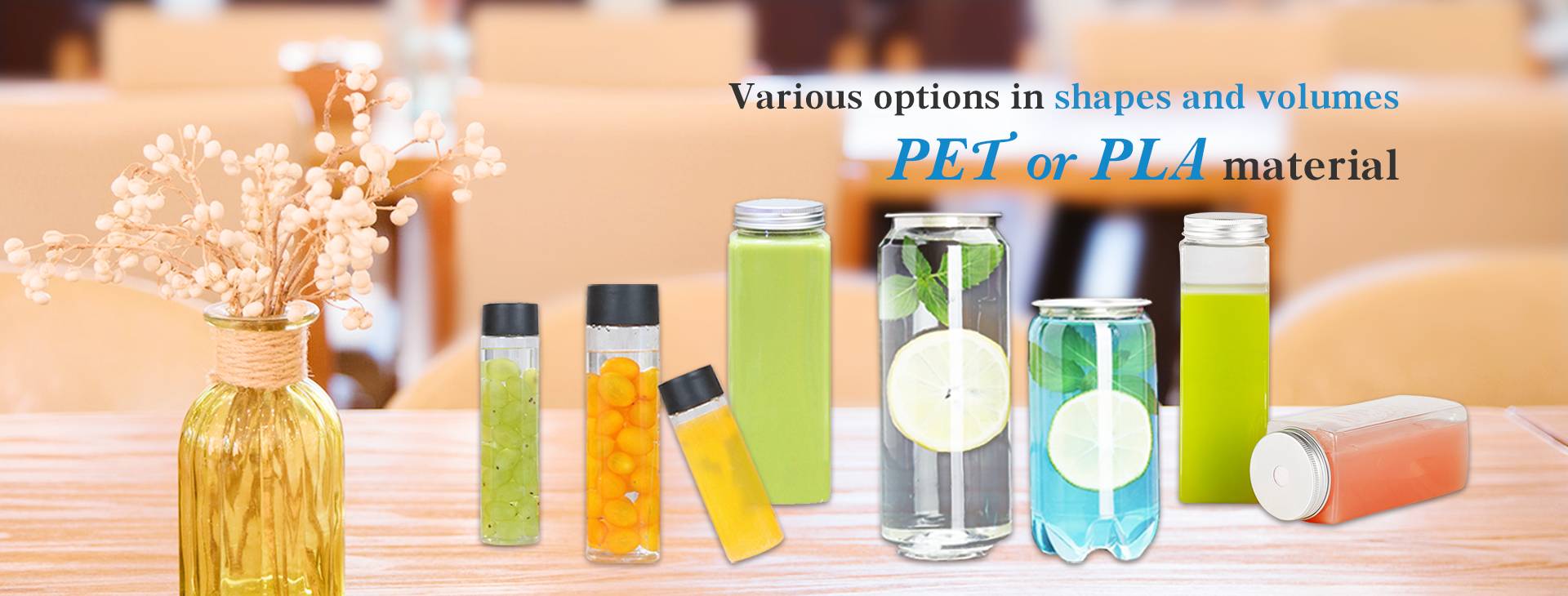
300ml Clear Plastic Bottles - China Manufacturer for Durable Packaging
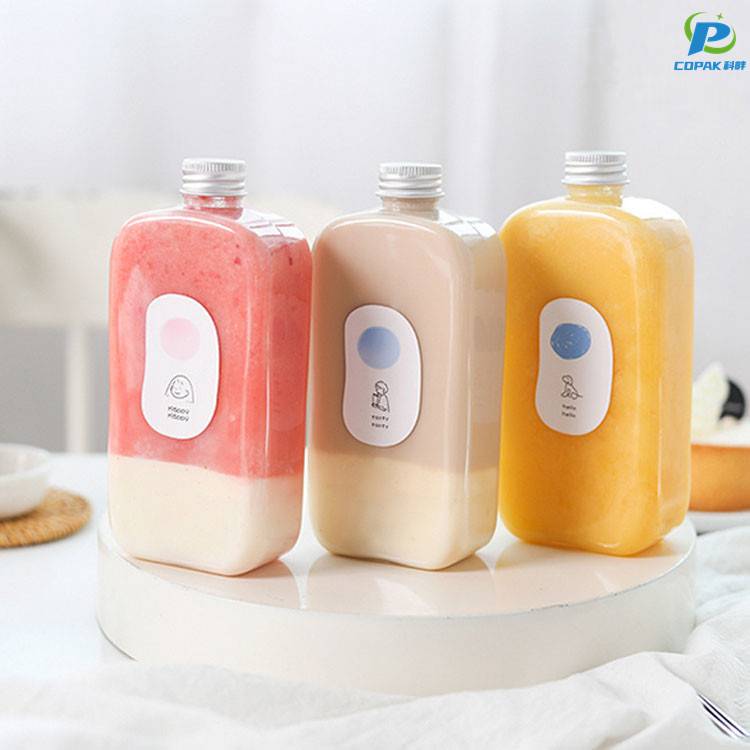
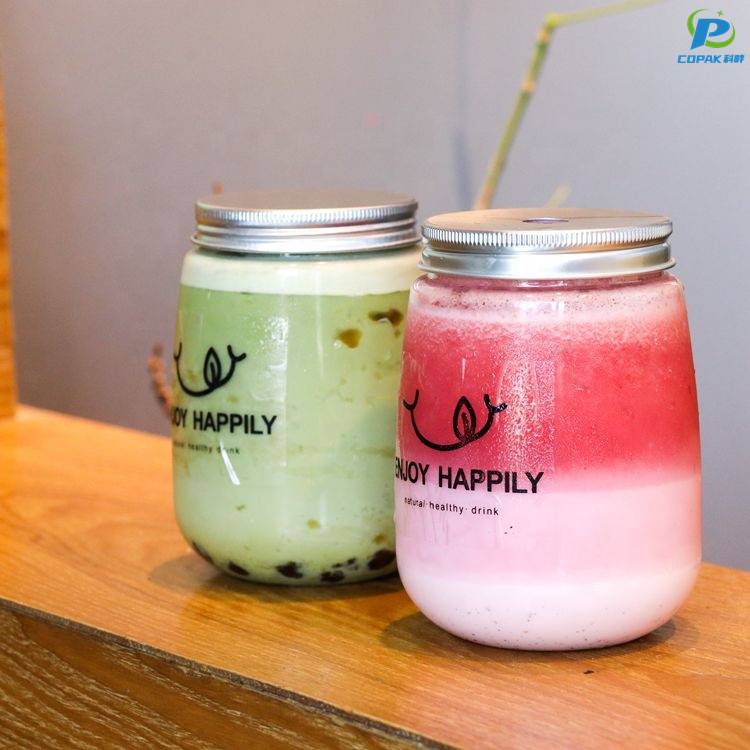
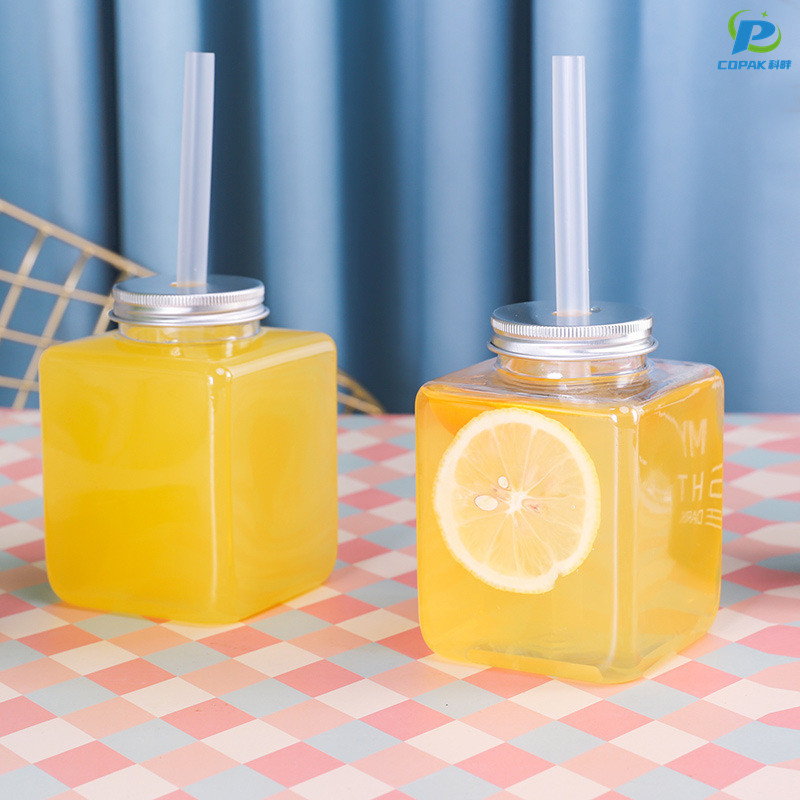
I am your reliable source for 300ml Clear Plastic Bottles, sourced directly from a trusted China manufacturer. These bottles are clear, lightweight, and designed to show your product with maximum clarity. Made from PET, they’re BPA-free and compatible with cosmetics, lotions, essential oils, and other liquids. A choice of cap options—screw, flip-top, and spray—lets me tailor sealing to your filling line and shelf life. The bottles feature a secure, leak-proof finish and easy-to-use openings that your customers will appreciate. I can offer customization like laser engraving or label printing, so your brand stands out. From small-batch trials to full-scale production, I provide flexible MOQs, fast lead times, and reliable packaging. If you are a distributor, retailer, or contract manufacturer, these {300ml Clear Plastic Bottles} give you a dependable, cost-effective packaging solution, backed by a partnership with a China Manufacturer that cares about quality and service.


300ml Clear Plastic Bottles Products From Concept to Delivery
From concept to delivery, a 300ml clear plastic bottle is a versatile solution for cosmetics, food, beverage, and household products. Beginning with material selection—commonly PET or PETG for clarity and barrier properties—we collaborate on design sketches, prototypes and cap/closure options (sprayers, pumps, flip-tops). Customization extends to surface finish, labeling (screen printing, shrink sleeve, pressure-sensitive), and lightweighting or PCR resin choices for sustainability. Throughout development, we run dimensional checks, leak and drop tests, and comply with food-contact and safety standards to ensure consistent quality. Once designs are approved, production moves to high-precision molding and quality-controlled filling-packaging. Typical lead times from sample approval to shipment are competitive, with options for urgent runs and staggered deliveries. Packaging can be tailored for global logistics—inner cartons, stretch-wrapped pallets, and export-grade crates—while documentation for customs, testing certificates, and traceability accompanies each order to smooth international procurement and reduce supply-chain friction.
| Attribute | Specification | Typical Range / Unit & Notes |
|---|---|---|
| Nominal Capacity | 300 mL (milliliters) | Measured fill volume excluding headspace; common for cosmetics, personal care, and non-carbonated beverages. |
| Primary Material | Polyethylene Terephthalate (PET) — clear, food-contact grade | Resin identification code 1; widely recyclable and commonly used for clear bottles. |
| Alternative Materials | PP (Polypropylene) or COP for specialized clarity/chemical resistance | PP used mostly for opaque/semiclear applications; COP used where higher clarity and solvent resistance required. |
| Typical Empty Weight | 18 – 32 g | Depends on wall profile and base design; lightweight blow-molded PET bottles typically ~18–24 g. |
| Height (overall) | 140 – 185 mm | Varies by neck finish and base shape; measured from base to top of finish (excluding cap). |
| Maximum Diameter | 55 – 75 mm | External diameter at the widest body section; dependent on ergonomic design. |
| Wall Thickness | 0.35 – 0.9 mm (nominal) | Thinner walls reduce material but affect stiffness and drop performance; thicker walls improve durability. |
| Neck Finish / Thread Options | Common: 28-410, 24-410; Beverage: PCO 1881; Sport caps: 28/410 sport adapters | Select finish to match closure type and filling line equipment; thread pitch and sealing surface critical for leak integrity. |
| Closure Types Compatible | Screw caps, pump dispensers, spray pumps, flip-tops, tamper-evident caps | Ensure closure sealing surface and neck plug depth are validated for intended closure. |
| Manufacturing Process | Injection stretch blow molding (ISBM) or extrusion blow molding for thicker-wall variants | ISBM is typical for clear PET bottles offering good clarity and strength. |
| Typical Tooling Cavity Count | 8 – 32 cavities (preform molds) / single-station blow conditioning varies | Cavity count affects upfront tooling cost and production throughput; values show common industry practice. |
| Cycle Time (stretch-blow) | 2.0 – 4.5 seconds per bottle (machine-dependent) | Excludes preform injection cycle; actual line throughput depends on oven indexing, cooling, and handling. |
| Production Yield (typical) | > 97% acceptance after primary inspection | Includes checks for dimensional compliance, visual clarity, and leak integrity; yields depend on process control. |
| Surface & Decoration Options | Pressure-sensitive labels, shrink sleeves, direct UV flexo/screen print, hot stamping, matte coatings | Decoration method chosen on durability, cost, and optical requirements; sleeves cover entire body for full wrap graphics. |
| Typical Quality Tests | Leak test, vacuum/pressure integrity, dimensional inspection, drop test (1.0–1.5 m), visual clarity | Additional tests for carbonated use include burst pressure and cyclic pressure fatigue. |
| Carbonation Compatibility | Possible with reinforced base & thicker walls; rating typically 2–6 bar depending on design | Standard thin-wall 300 mL clear PET may require redesign for carbonated beverages; consider base geometry and material grade. |
| Thermal / Filling Limits | Hot-fill safe up to ~85° C for limited time (specific design dependent); not suitable for autoclave | For hot-fill, consider increased wall thickness and annealing; confirm with supplier material thermal data. |
| Regulatory & Food Safety | Designed to meet common food-contact frameworks (e.g., FDA, EU food contact legislation) | Compliance requires documented resin grade and finished-product testing for migration where applicable. |
| Recyclability & PCR Use | Widely recyclable (clear PET); PCR content commonly 0–40% for clear applications; up to 100% possible with optical trade-offs | Higher PCR levels may require additives/clarity control; label and closure materials influence recyclability stream. |
| Barrier & Special Barrier Options | EVOH multilayer, co-injection, or metallized coatings for increased oxygen/moisture barrier | Barrier layers increase shelf life for oxygen-sensitive liquids but can affect recyclability depending on construction. |
| Typical Concept-to-Delivery Timeline | Concept → Prototype: 2–6 weeks; Tooling: 6–12 weeks; Production & Delivery (first run): 4–10 weeks | Total small-batch lead time commonly ~8–20 weeks depending on complexity, tooling needs, and logistics. |
| Environmental Considerations | Lightweighting, optimized wall profiles, and PCR usage reduce carbon footprint | Lifecycle impact should be assessed via LCA for specific formulations and end-of-life scenarios. |
| Compatibility with Filling Lines | Designed for high-speed rotary or linear filling lines; require neck guide and base support tooling | Confirm conveyor guides, starwheels, and capper compatibility for chosen neck finish and closure type. |
| Documentation Typically Supplied | Technical drawing (DWG/PDF), material data sheet, production tolerances, test certificates | Ensure documented acceptance criteria and sampling plan for incoming inspection. |
Related Products
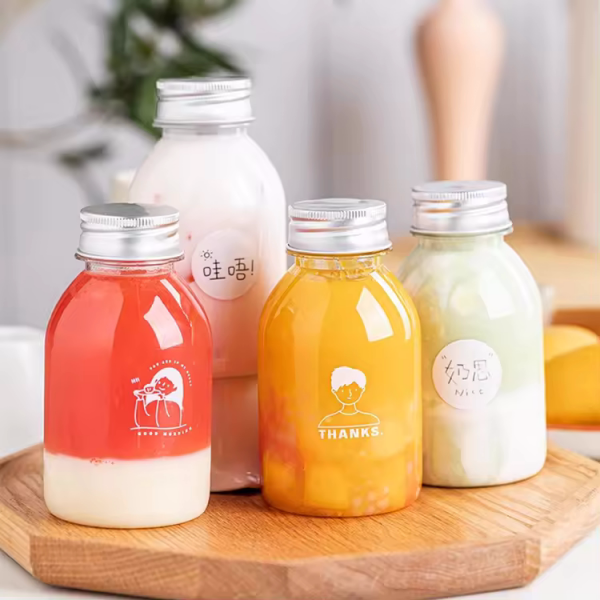
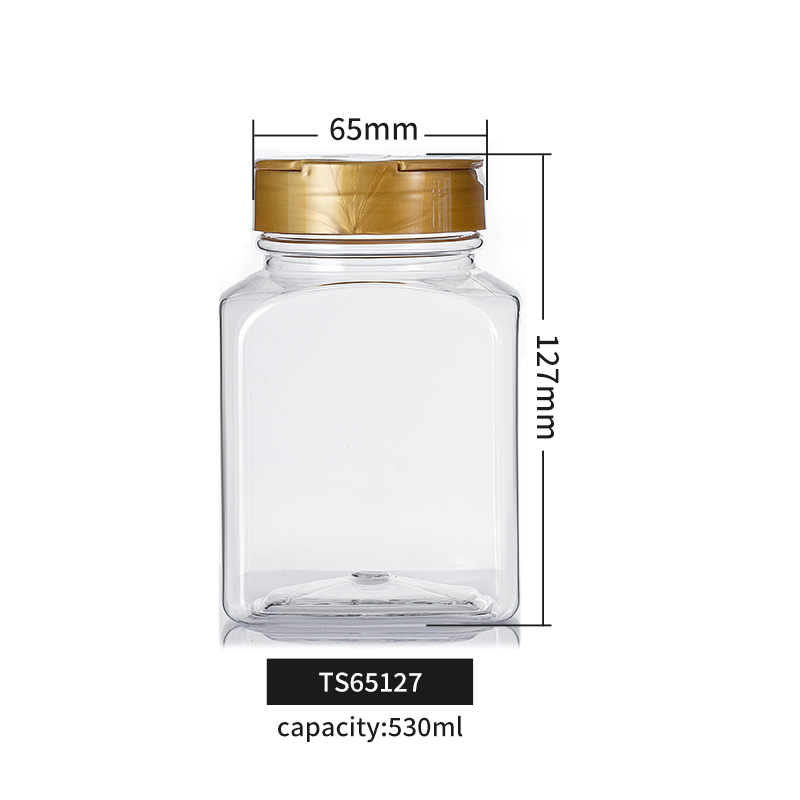
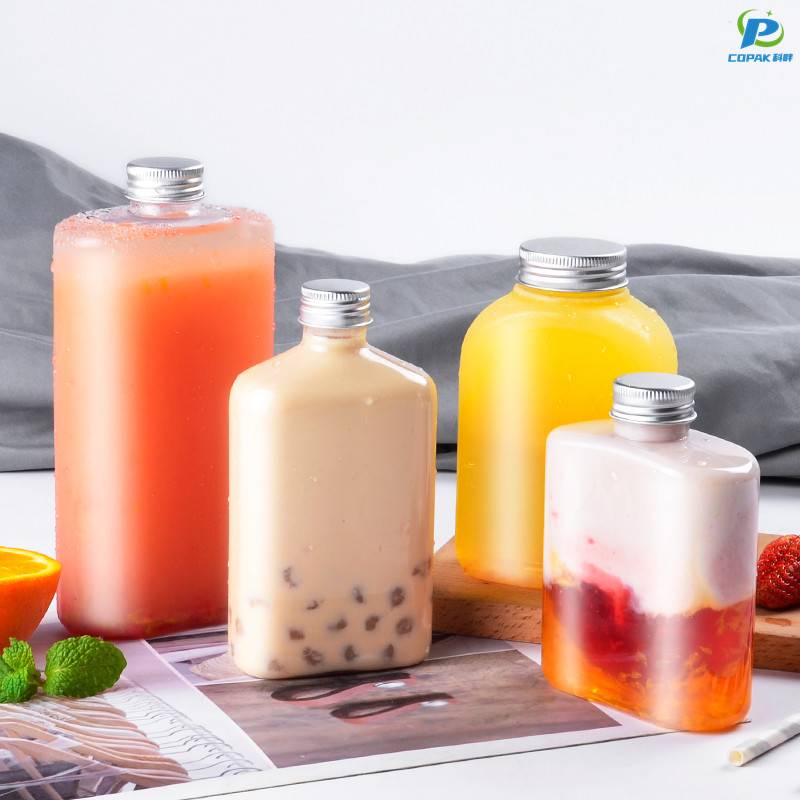

300ml Clear Plastic Bottles Ahead of the Curve Leads the Global Market
Top Selling Products






- Related Blog
- Reviews
- Reviews
