



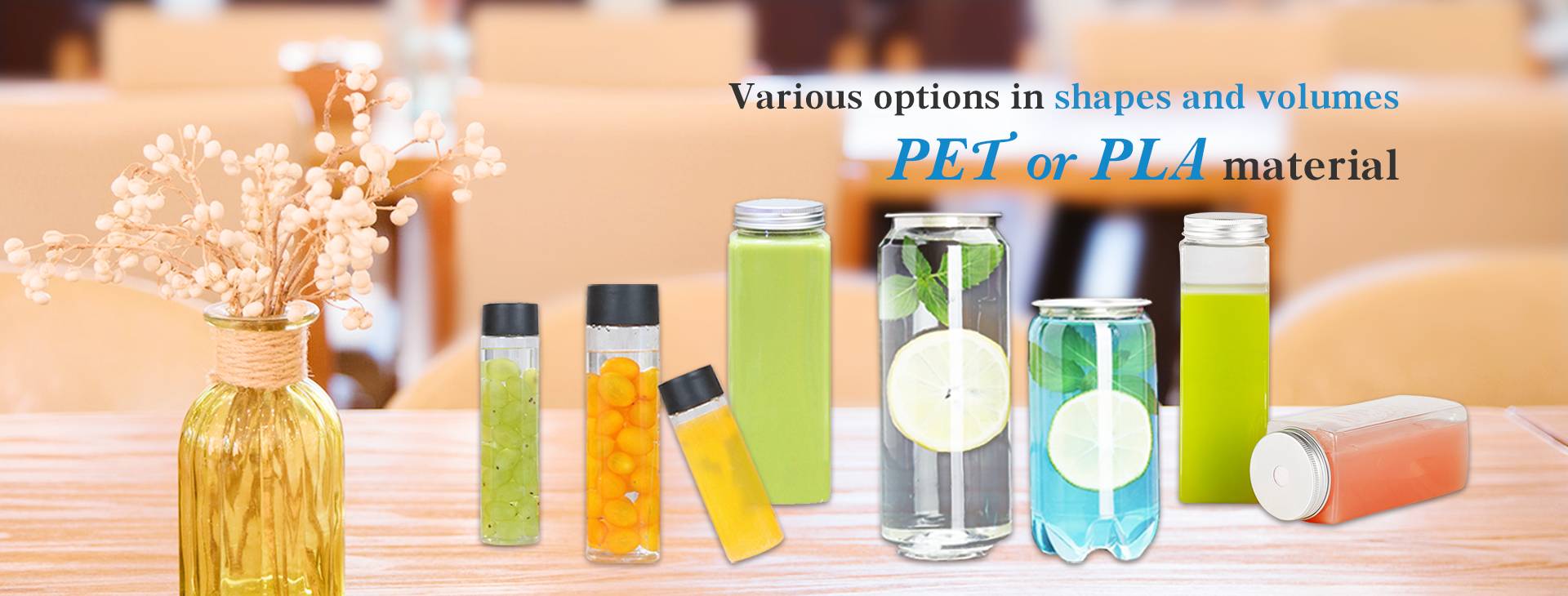
Soda Plastic Bottle Manufacturer in China - Trusted Supplier
I am your reliable partner for the Soda Plastic Bottle needs. As a manufacturer based in China, I deliver durable, food-grade bottles designed for carbonated beverages. Our Soda Plastic Bottle features crack-resistant PET, tight closure caps, and lightweight design to reduce shipping costs. I can customize sizes from 250ml to 2L, with printed branding options and tamper-evident seals. From order to delivery, I handle quality control with strict testing and batch traceability. For beverages distributors and bottling plants in China and beyond, I offer flexible MOQs, competitive prices, and rapid lead times. My team emphasizes sustainability through recyclable materials and responsible production. If you’re seeking a trusted Manufacturer who can scale with your demand, we’re ready to partner, ensuring stable supply and compliant packaging that meets FDA/EU standards. Let’s discuss your specs and timelines and start a smooth collaboration.


Soda Plastic Bottle Ahead of the Curve Where Service Meets Innovation
Soda plastic bottles are evolving beyond simple containers—combining lightweight PET engineering, advanced barrier technology for carbonation retention, and precision molding that supports bespoke shapes, shrink sleeves, and high-definition printing. Buyers benefit from food-grade materials, regulatory compliance, optimized wall thickness for cost and shipping efficiency, and compatibility with modern filling lines and closures for resealability and convenience. What sets leading suppliers apart is end-to-end service: collaborative bottle and cap design, rapid prototyping, strict quality control, scalable production with flexible MOQs, and tailored logistics to meet global timelines. Sustainability is integral—options for increased PCR content, lightweighting and recyclable designs reduce carbon footprint while preserving product integrity. For global purchasers seeking reliability and innovation, this integrated approach delivers faster time-to-market, predictable costs and products engineered for shelf impact and performance.
| Parameter | Typical Value | Units | Notes |
|---|---|---|---|
| Material | Polyethylene terephthalate (PET) | — | Food‑grade polyester resin commonly used for carbonated beverage bottles; widely accepted in mechanical recycling streams. |
| Density (bulk) | 1.38–1.41 | g/cm³ | Typical density range for amorphous/semi‑crystalline PET used in bottles. |
| Glass transition temperature (Tg) | 67–81 | °C | Above Tg the bottle becomes more prone to deformation; storage/transport temperatures should consider this range. |
| Melting point (Tm) | 250–260 | °C | Crystalline melting temperature relevant for reprocessing and extrusion steps. |
| Tensile strength (yield) | 50–75 | MPa | Typical range for injection/stretch‑blow molded PET containers under standard conditions. |
| Typical bottle weight (500 mL design) | 9–15 | g | Lightweight bottles commonly range ~9–12 g; 12 g is a common engineering average for balanced strength and material use. |
| Wall thickness (body) | 0.20–0.40 | mm | Variation driven by bottle geometry, carbonation pressure and drop/impact resistance requirements. |
| Material mass per liter (bottle only) | 18–30 | g / L | For a 500 mL bottle at 12 g, material mass = 24 g/L; highly dependent on lightweighting design choices. |
| Production carbon footprint (bottle only) | 40–120 | g CO2e per 500 mL bottle | Range reflects resin source (virgin vs. rPET), manufacturing energy mix and process efficiencies reported in LCA literature. |
| Post-consumer recycling rate (region dependent) | 20–60 | % | Global and regional capture rates vary; some regions achieve >50% PET bottle recycling while others remain below 30%. |
| Closed-loop recycling yield (rPET recovery to food‑grade) | 30–70 | % | Depends on sorting, decontamination and regulatory acceptance of rPET; advanced processes improve food‑grade yields. |
| Average reuse cycles (refillable PET systems) | 5–20 | cycles | Refillable models are engineered for limited reuses; actual cycles depend on cleaning protocol and bottle design. |
| Shelf life (carbonation retention) | 6–12 | months | Typical ambient shelf life for carbonated beverages; influenced by cap seal quality and storage temperature. |
| Service/handling temperature range | 0–40 | °C | Safe ambient range; prolonged exposure above Tg risks deformation and gas loss. |
| Common end‑of‑life pathways (typical distribution) | Recycling 20–60 / Energy recovery 10–40 / Landfill/litter remainder | % (region dependent) | Distribution varies widely by region, infrastructure and consumer behavior; improvements in collection and sorting increase recycling share. |
| Typical uses & service innovations | Carbonated beverages, flavored waters, refillable systems, lightweight single‑serve designs | Recent service innovations include lightweighting, increased rPET content, and modular refill/return systems to extend material life. | |
Related Products


Soda Plastic Bottle Factory From Concept to Delivery
Top Selling Products





- Related Blog
- Reviews
- Reviews
