



200ml Plastic Cups - China Manufacturer for Global Markets
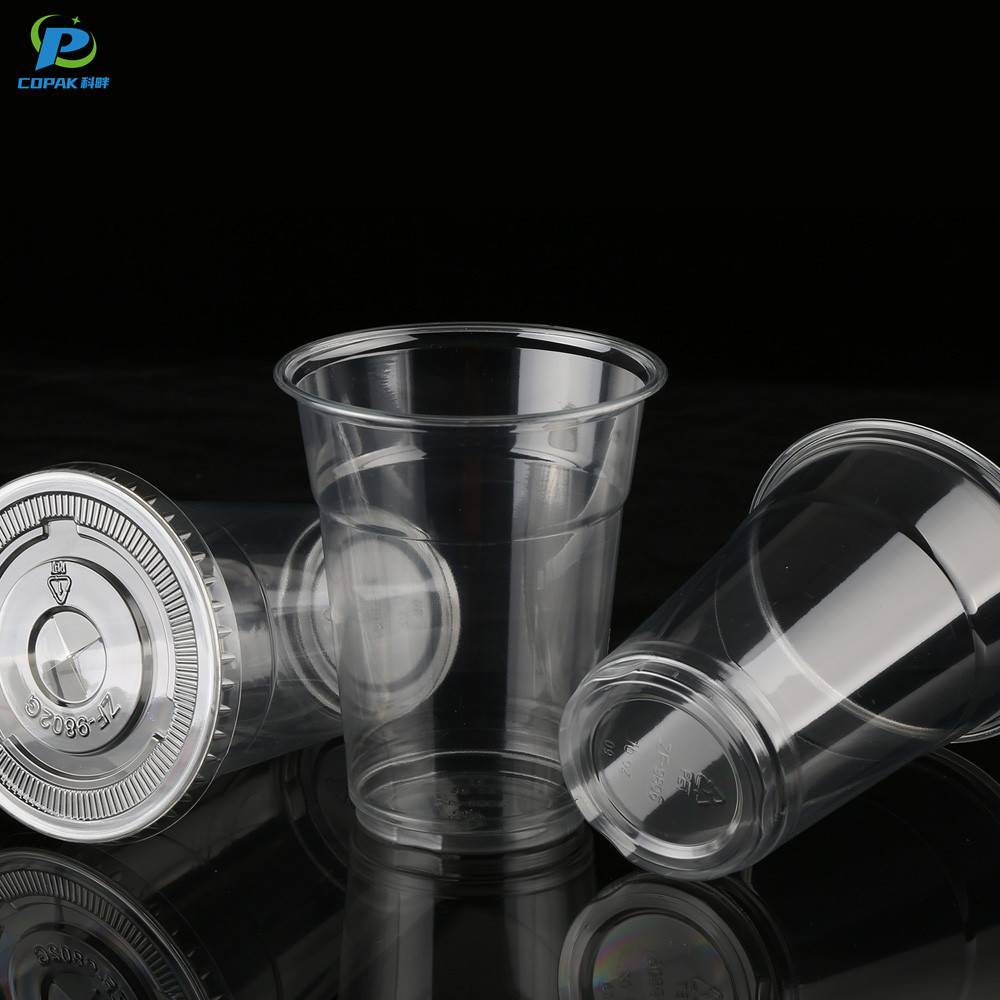
I’m a {Manufacturer} in {China}, delivering reliable supply of {200ml Plastic Cups} for events, catering, and take-away. Our factory lines produce sturdy, crystal-clear cups with smooth rims, designed for both hot and cold drinks. I offer tight tolerances, BPA-free materials, and food-grade safety certificates to ensure compliance on every batch. MOQ is flexible to suit startups and larger orders, with competitive price breaks for ongoing supply agreements. I can customize printing up to 1-2 colors, or keep them plain for branding; quick lead times, and our logistics team coordinates express or sea freight depending on your destination. You’ll get consistent thickness, leak resistance, and crystal clarity that elevate your brand. If you’re in search of a dependable {China}-based supplier, I’m ready to discuss specs, packaging, and after-sales service. Let’s streamline your procurement of {200ml Plastic Cups} today.


200ml Plastic Cups Manufacturer More Than a Supplier - A Partner
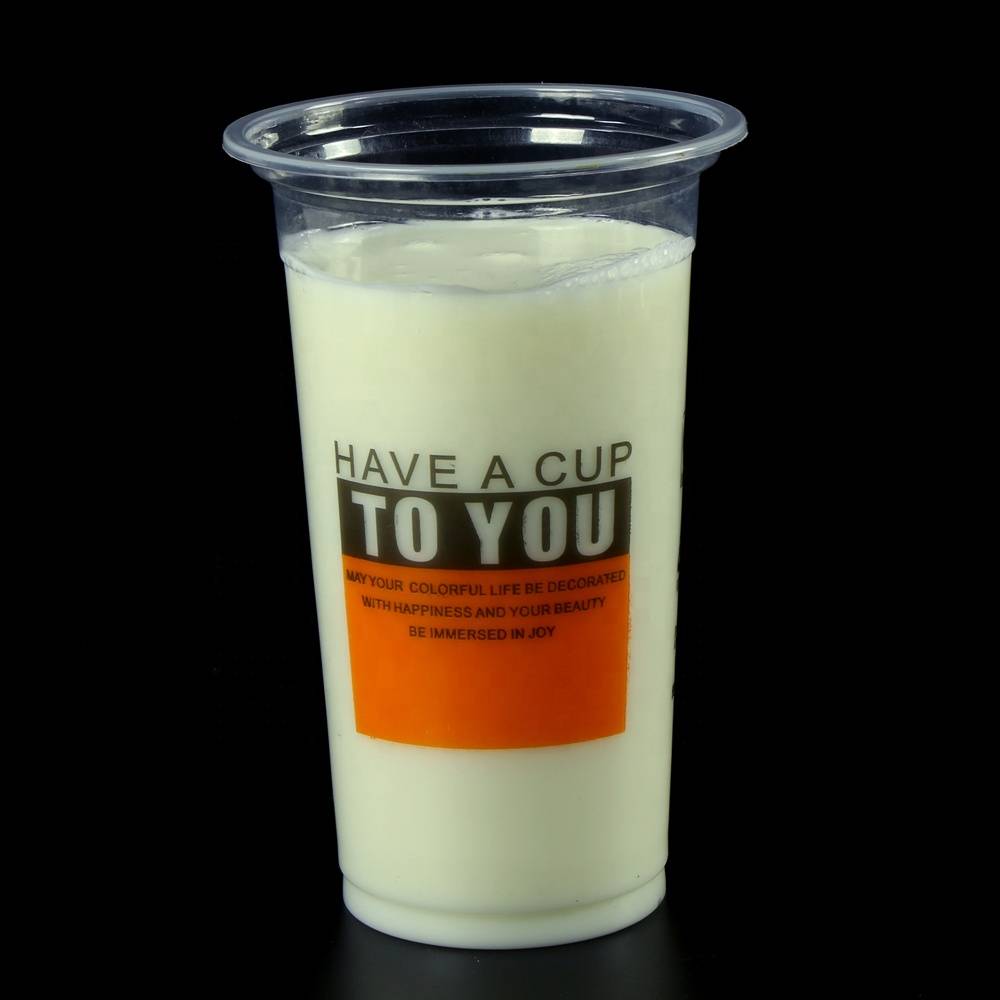
Choosing a 200ml plastic cups manufacturer should feel like finding a long-term partner, not just a vendor. We deliver food-grade cups in PP, PET and PS with flexible MOQ, fast tooling and quick sample turnaround, backed by ISO-compliant production, traceable supply chains and rigorous QC. Buyers gain transparent costing, competitive lead times and tailored solutions—custom printing, stackable designs, tamper-evident rims and eco-friendly resin options—to meet retail, foodservice and private-label needs worldwide. From concept to delivery we optimize packaging, consolidate shipments and provide proactive after-sales support to reduce inventory costs and accelerate launches. Continuous R&D, adherence to global food-safety standards and responsive account management ensure consistent quality, scalable capacity and predictable supply—so procurement teams can focus on growth while their cup supplier acts as a collaborative manufacturing partner.
| Specification | Details and Notes |
|---|---|
| Product Type | Generic 200 ml single-use plastic cup suitable for beverages and food sampling. Typical usage: cold drinks, cold desserts, tastings. |
| Common Materials | Polystyrene (PS) for optical clarity; Polypropylene (PP) for higher heat resistance. Material choice affects recyclability symbol and heat tolerance. |
| Top Diameter | Approx. 90 mm (±2 mm). Typical for 200 ml form factor to allow compatibility with lids and sleeves designed for the same profile. |
| Bottom Diameter | Approx. 52–58 mm depending on taper (typical: 55 mm). Ensures stackability and stable base on flat surfaces. |
| Height | Approx. 92–98 mm (typical: 95 mm). Variation based on rim design and manufacturing tooling. |
| Wall Thickness | Typical 0.30–0.45 mm (common nominal: 0.38 mm). Manufacturing tolerance commonly ±0.05 mm for thermoformed cups. |
| Typical Weight per Cup | Approximately 3.8–5.0 g (material dependent: PP lighter ~3.8–4.5 g; PS often ~4.0–5.0 g). |
| Density | PP ≈ 0.90 g/cm³; PS ≈ 1.04 g/cm³. Affects perceived sturdiness and shipping mass calculations. |
| Heat Resistance | PP: brief contact up to ~100 °C (limited hot-fill). PS: not recommended for hot contents; may deform above ~60–80 °C. Not all variants are microwave-safe. |
| Microwave Suitability | Most PS cups: not microwave-safe. Select PP variants can be microwave-tolerant for short durations; always verify material-specific guidance before microwaving. |
| Chemical Resistance | Good resistance to water and many non-polar solvents; alcohols and aggressive solvents (e.g., strong ketones) can affect clarity and integrity—test for specific formulations. |
| Recycling Identifier | Polystyrene typically marked with recycling code #6; Polypropylene marked with #5. Local recycling acceptance varies—check municipal programs. |
| PCR & Sustainable Options | Post-consumer recycled (PCR) content can be incorporated in many PP/PS profiles (commonly up to 20–30% while retaining functional clarity/strength). Compostable PLA alternatives exist for industrial composting. |
| Certifications / Compliance | Design and materials commonly used to meet food-contact regulations (e.g., EU food contact framework, FDA food-contact guidance) and managed under quality systems such as ISO 9001. Specific certificates provided per batch/test where required. |
| Typical Mechanical Properties | Tensile strength: ~25–40 MPa (material-dependent). Flexural modulus: varies widely; design margins recommended for filled-load handling and drop performance. |
| Manufacturing Method | Thermoforming (vacuum/forming) and injection molding are common. Thermoforming is widely used for thin-walled clear cups; injection molding for more robust, thicker-walled variants. |
| Typical Production Throughput | Single thermoforming line output example: ~15,000–30,000 cups/day (dependent on cycle time, mold cavities, and shift hours). Multiple lines scale accordingly. |
| Standard Lead Times | Typical production lead time ranges: 10–20 working days for standard runs; tooling or custom-color orders may require additional time. Lead times depend on order size and current factory scheduling. |
| Packaging Options | Common: nested stacks in cardboard cartons, sleeve-wrapped packs, or palletized cartons. Protective inner packaging can be applied for long-distance shipment. |
| Color & Finish | Clear, translucent, and opaque white are typical. Custom colors achievable via masterbatch or surface treatment; optical clarity varies with pigment/loading. |
| Typical Applications | Cold beverages, promotional samplings, dessert portions, events, institutional service, and retail single-serve packaging. |
| Shelf Life & Storage | Stable if stored dry, away from direct sunlight, and at moderate temperatures; recommended to use within 2 years for best optical clarity and stackability. |
| Disposal & End-of-Life | Recycle where facilities accept PS/PP. Compostable PLA variants require industrial composting. Encourage local disposal guidance and sorting by material type. |
| Quality Control | Typical checks: dimensional inspection, wall-thickness sampling, visual clarity, leak test, and food-contact migration testing where applicable. |
| Design Notes | Stackability, rim geometry, and side-taper are critical for automated filling and dispensing. Slight geometry tweaks can reduce material use while preserving performance. |
Related Products


200ml Plastic Cups Delivers Unmatched Quality Service Backed by Expertise
Top Selling Products




- Related Blog
- Reviews
- Reviews
