



PET Plastic Bottles Product - China Manufacturer
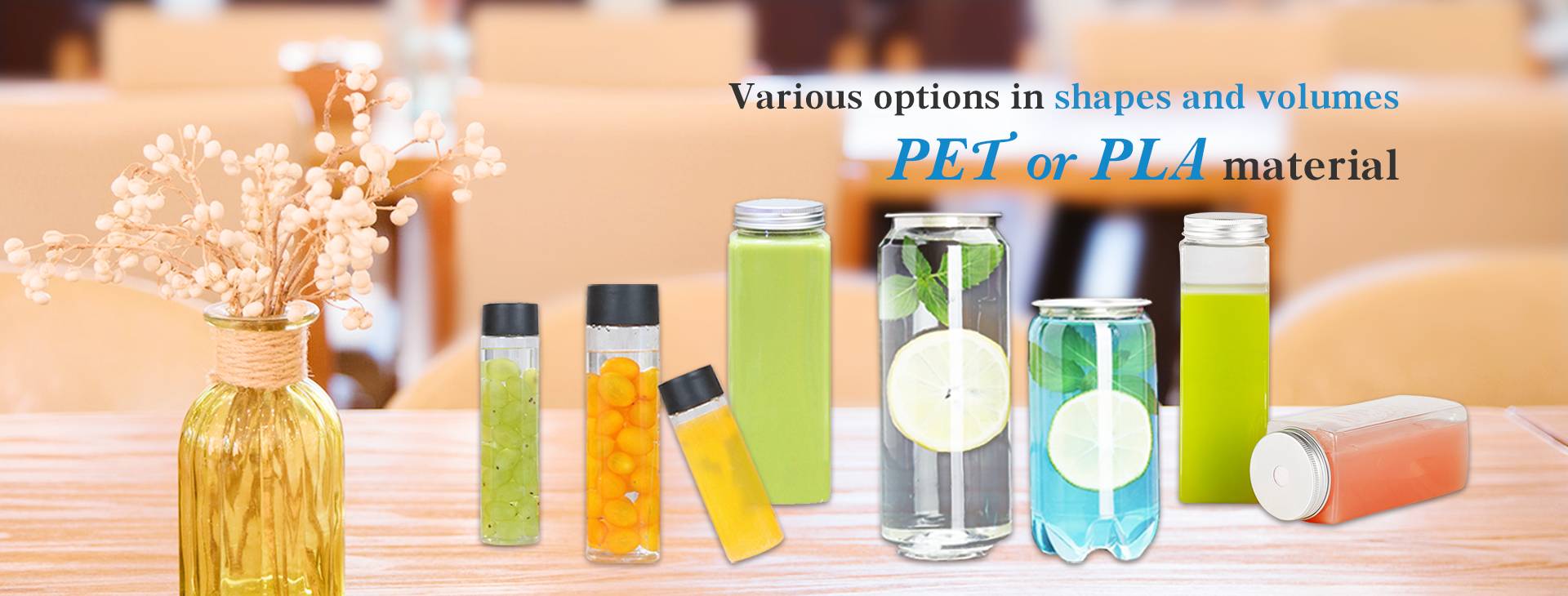
I’m a China-based manufacturer delivering PET Plastic Bottles Product for beverage, cosmetic, and household brands. My bottles are lightweight, shatter-resistant, and crystal clear, with excellent stackability for retail shelves. They come in common sizes and neck finishes (20/410, 24/410, 28/400) using food-grade, BPA-free PET resin that meets international standards. Customization options include color, print, volume, and cap types, helping you stay on-brand with high shelf impact. MOQs are reasonable for new projects, and I offer quick lead times, reliable supply, and scalable production for launches or wide distribution. I provide certifications like ISO, SGS, and FDA/CFDA evidence for compliant applications. I handle export processes and logistics to China or worldwide, reducing risk and ensuring on-time delivery. If you’re seeking a dependable PET Plastic Bottles Product supplier in China or beyond, I’m here to help.


PET Plastic Bottles Product Stands Out Custom Solutions,
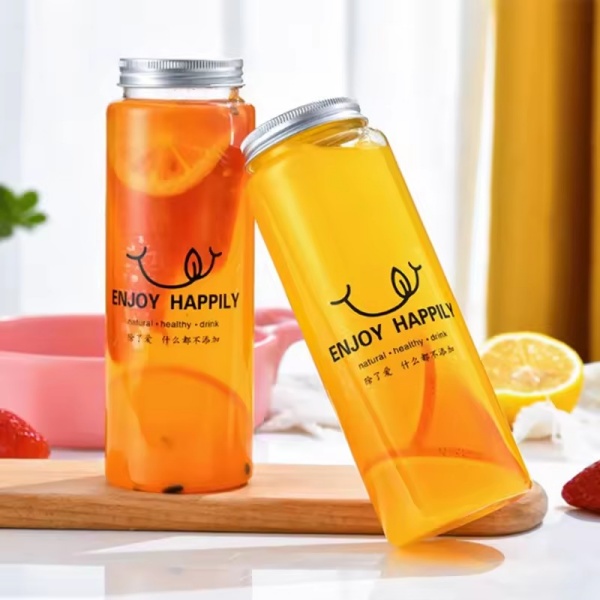
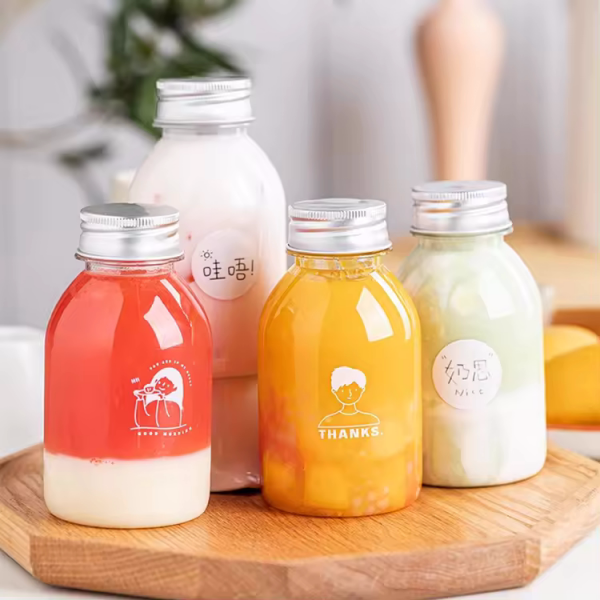
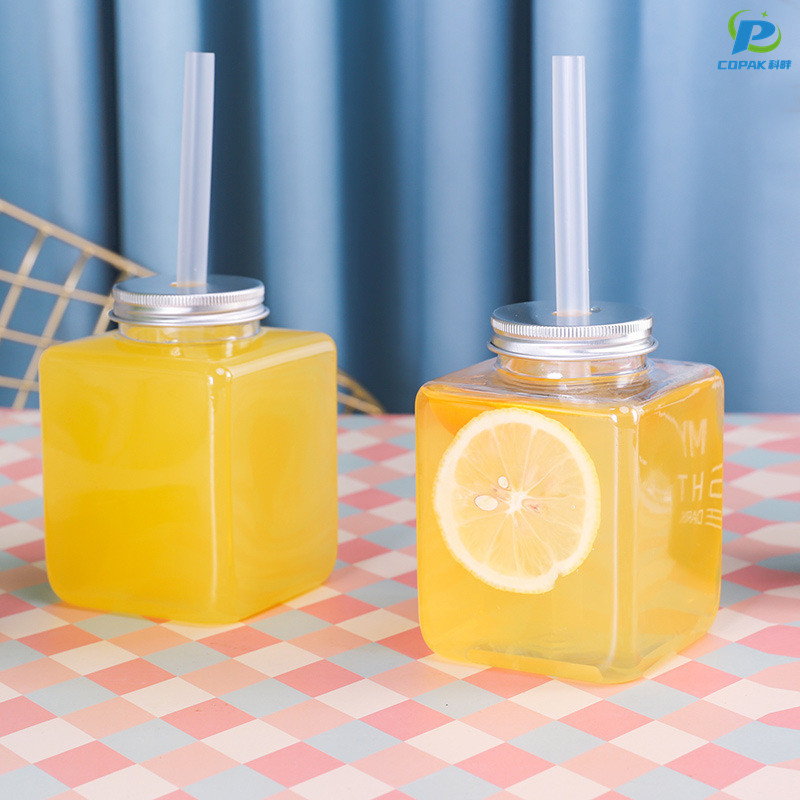
Clear, lightweight and endlessly recyclable, PET bottles remain the preferred choice for brands demanding high-performance packaging that looks as good as it functions. Advanced injection stretch blow molding and precision blow-fill-seal techniques deliver exceptional clarity, thin-wall strength and uniform barrier properties across sizes from sample vials to multi-liter containers. Food-contact-safe materials, traceable resin sourcing and robust in-line quality checks ensure consistent fillability, dimensional accuracy and low oxygen transmission for beverages, personal care and household products destined for global shelves. Custom solutions set products apart: tailored neck finishes, tamper-evident features, multi-color or hot-stamp decoration, shrink sleeves and bespoke bottle silhouettes optimize shelf impact and logistics. Flexible minimums, rapid prototyping and supported tooling options speed time-to-market, while compliance with major food-safety standards, third-party testing and export-ready packaging simplify international procurement. For global buyers seeking scalable, brand-ready PET packaging, a partner that blends technical know-how with turnkey customization delivers both cost efficiency and differentiated shelf presence.
| Property | Typical Value | Units / Notes | Regulatory / Standard | Common Applications |
|---|---|---|---|---|
| Material | Polyethylene Terephthalate (PET) | Thermoplastic polyester | Food contact: FDA 21 CFR 177.1630; EU 10/2011 | Bottled water, soft drinks, juices, condiments |
| Density | 1.37–1.40 | g/cm³ (typical) | — | Material & weight calculations, transport planning |
| Glass transition temperature (Tg) | 67–81 | °C (varies with additives) | — | Design for storage/thermal limits |
| Melting temperature (Tm) | 250–260 | °C (processing range) | — | Injection/stretch-blow molding parameters |
| Typical bottle capacities | 200, 300, 500, 750, 1000 | mL (common market sizes) | — | Packaged water, sports drinks, single-serve juices |
| Wall thickness | 0.25–0.80 | mm (depends on design & capacity) | — | Lightweight to rigid structural designs |
| Typical bottle mass (example) | 8–45 | g (e.g., 500 mL ≈ 10–15 g depending on design) | — | Logistics, sustainability assessments |
| Barrier properties | Moderate oxygen barrier; good moisture barrier | OTR and WVTR vary with thickness/additives | — | Non-carbonated beverages, water; layered solutions for enhanced barrier |
| Oxygen transmission rate (OTR) | 0.5–5 | cm³/(m²·day·atm) typical range | — | Shelf life estimation for oxygen-sensitive contents |
| Carbonation retention (CO₂ PERM) | Low to moderate | Depends on wall thickness, seal, multilayer use | — | Carbonated soft drinks benefit from optimized design or barrier layers |
| Recyclability | Widely recyclable (PET / recyclability code 1) | Curbside & bottle-to-bottle options where infrastructure exists | Local recycling regulations apply | Closed-loop recycling to fibers, sheets, or remanufactured bottles |
| Food contact compliance | Compliant with major food-contact frameworks | Requires validated preform/resin grade | FDA 21 CFR 177.1630; EU No 10/2011 | Beverages, edible oils, condiment packaging |
| Compatible closures | Screw caps, sport caps, pump tops, crimp seals | Various diameters & tamper-evident options | — | Liquid dispensing, single-serve, sport bottles |
| Color & appearance | Clear, tinted, opaque via masterbatch | Color can affect recyclability and light protection | — | Branding, UV/light-sensitive products |
| Labeling & decoration | Direct print, sleeve, pressure-sensitive labels | Sleeves offer full-body graphics; direct print resists abrasion | — | Marketing, tamper evidence, regulatory text |
| Manufacturing methods | ISBM, extrusion blow molding, injection molding (preforms) | ISBM is dominant for high-volume beverage bottles | — | High-volume beverage bottle production |
| Hot-fill capability | Up to ≈ 85 | °C for short periods with volume-compensation design | Process validation required | Fruit juices, teas requiring hot-fill pasteurization |
| Sterilization & cleaning | Hot-fill, pasteurization; gamma / e-beam for sterile needs | Autoclave generally limited; material deformation risk if too hot | — | Shelf-stable beverages, some sterile pharmaceutical packaging |
| Service temperature range | -40 to 60 | °C typical; upper limit depends on additives & design | — | Cold storage, refrigerated distribution, ambient use |
| UV resistance | Limited; UV stabilizers or secondary sleeve recommended | Prolonged UV exposure can degrade appearance & contents | — | Outdoor storage or light-sensitive formulations |
| Environmental notes | Not biodegradable; high recycling potential | Design for recyclability improves circularity | — | Reprocessing into fiber, sheet, or new bottles |
| Design considerations | Neck finish, base structure, hoop strength, label area | Functional requirements drive wall distribution and preform design | — | Drop tests, stacking, machine compatibility |
Related Products


PET Plastic Bottles Product Industry Leaders Market Leader
Top Selling Products




- Related Blog
- Reviews
- Reviews

- English
- French
- German
- Portuguese
- Spanish
- Russian
- Japanese
- Korean
- Arabic
- Irish
- Greek
- Turkish
- Italian
- Danish
- Romanian
- Indonesian
- Czech
- Afrikaans
- Swedish
- Polish
- Basque
- Catalan
- Esperanto
- Hindi
- Lao
- Albanian
- Amharic
- Armenian
- Azerbaijani
- Belarusian
- Bengali
- Bosnian
- Bulgarian
- Cebuano
- Chichewa
- Corsican
- Croatian
- Dutch
- Estonian
- Filipino
- Finnish
- Frisian
- Galician
- Georgian
- Gujarati
- Haitian
- Hausa
- Hawaiian
- Hebrew
- Hmong
- Hungarian
- Icelandic
- Igbo
- Javanese
- Kannada
- Kazakh
- Khmer
- Kurdish
- Kyrgyz
- Latin
- Latvian
- Lithuanian
- Luxembou..
- Macedonian
- Malagasy
- Malay
- Malayalam
- Maltese
- Maori
- Marathi
- Mongolian
- Burmese
- Nepali
- Norwegian
- Pashto
- Persian
- Punjabi
- Serbian
- Sesotho
- Sinhala
- Slovak
- Slovenian
- Somali
- Samoan
- Scots Gaelic
- Shona
- Sindhi
- Sundanese
- Swahili
- Tajik
- Tamil
- Telugu
- Thai
- Ukrainian
- Urdu
- Uzbek
- Vietnamese
- Welsh
- Xhosa
- Yiddish
- Yoruba
- Zulu