PET Bottles

China Manufacturer of 3 Oz PET Plastic Cups

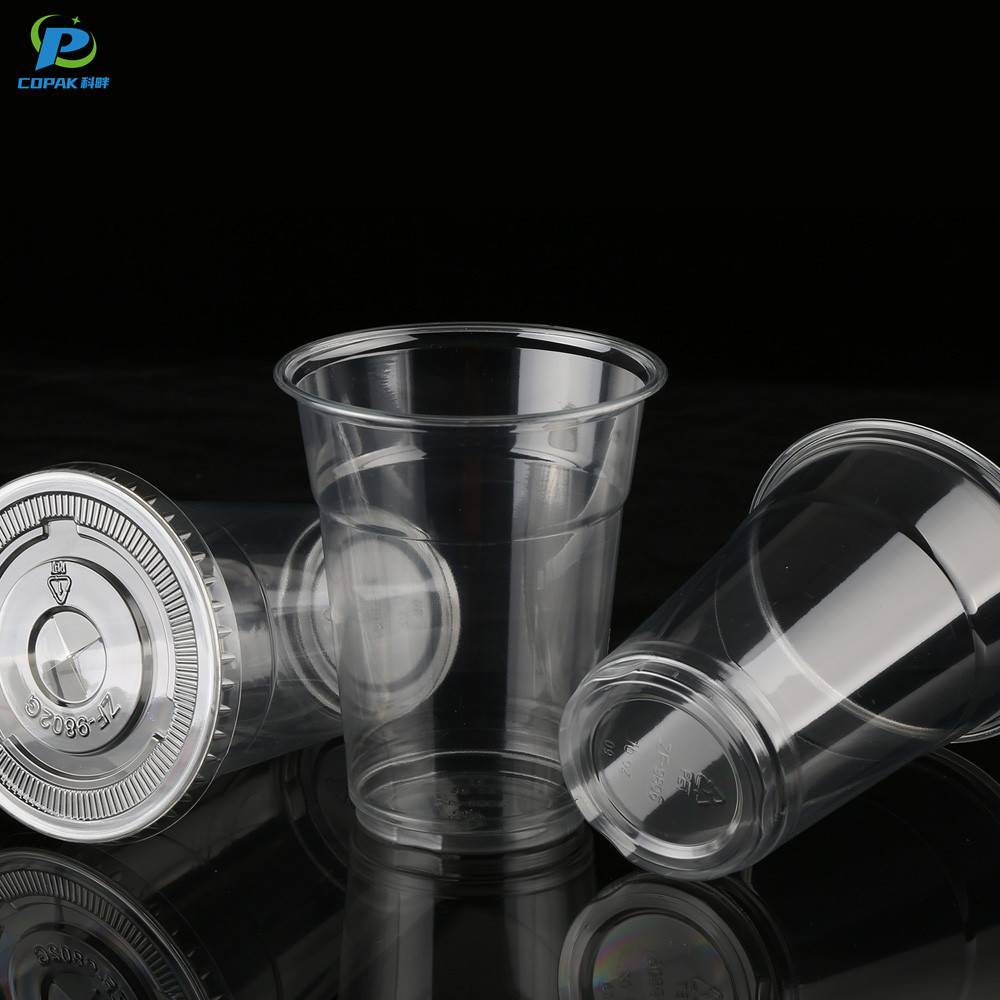
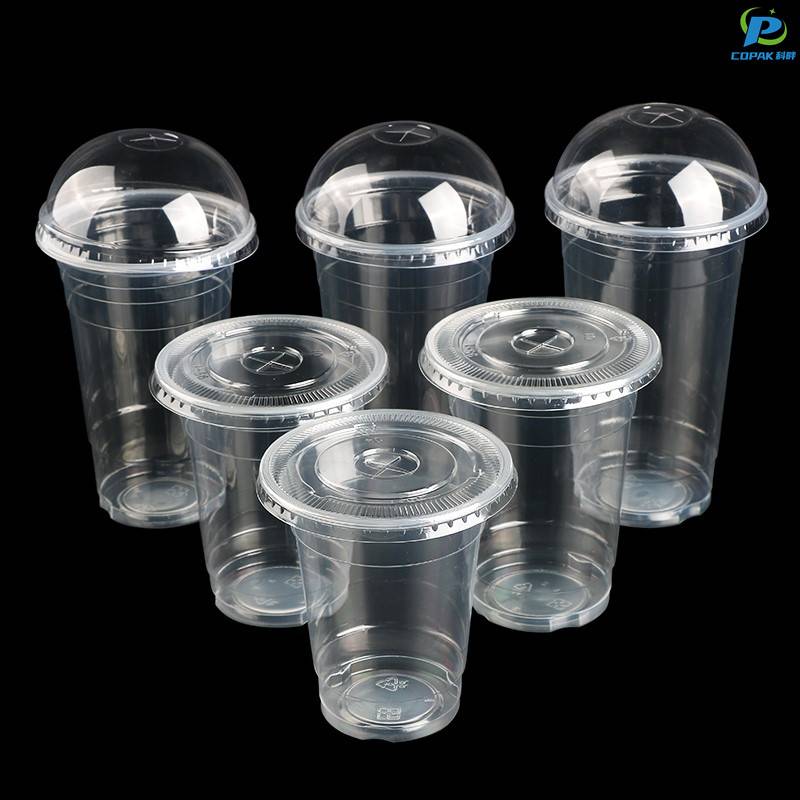
I am a manufacturer in China delivering dependable 3 Oz PET Plastic Cups that B2B buyers trust for consistent performance. They are crystal-clear, food-grade, BPA-free, with precise wall thickness for reliable stacking and minimal leakage. The 3 oz capacity is ideal for samples, sauces, desserts, and small beverages, perfect for events, catering, and demos. We provide a stable supply with FDA-compliant materials and strict QA checks, ensuring color and clarity stay uniform batch after batch. Customization options include logo printing, color tinting, and lid compatibility to fit your service line. Direct factory pricing, flexible MOQs, and fast lead times help you scale. Whether you’re stocking distributors or serving cafes, these cups deliver quality, value, and convenience. I’m ready to discuss packaging, labeling, and shipment terms to meet your China-sourced needs.

Hot Selling Product

3 Oz PET Plastic Cups Service Ahead of the Curve

Our 3 oz PET plastic cups marry clarity and strength for sampling, tastings, events and single-serve portions. Made from food-grade PET, they are lightweight, shatter-resistant and recyclable, with pristine transparency that showcases product color and texture. Available with a variety of lid options and custom printing, they meet international safety standards (FDA, EU, LFGB) and pass rigorous quality inspections to ensure consistency for high-volume orders. Service that’s ahead of the curve: flexible MOQs, rapid prototyping, responsive multilingual support, streamlined global logistics and competitive pricing enable fast time-to-market for retailers, distributors and event planners worldwide. Sustainable sourcing and optimized packaging reduce freight costs and waste. Request samples and quotes to evaluate quality, lead times and customization possibilities for your next launch.

{ 3 Oz PET Plastic Cups Service Ahead of the Curve}

Technical and usage data summary for 3 oz (≈89 mL) polyethylene terephthalate (PET) single-use cups.

Property Typical Value Range Notes / Test Standard
Material Polyethylene terephthalate (PET) Common food-grade thermoplastic used for clear, lightweight cups.
Nominal Capacity 3 oz (approx. 89 mL) 85–95 mL Measured fill volume; usable volume may vary with rim design.
Typical Weight per Cup ≈ 2.8 g 2.2–3.6 g Depends on wall thickness and rim reinforcement.
Density (Specific Gravity) ≈ 1.38 1.34–1.40 Typical for PET at 23 °C.
Glass Transition Temperature (Tg) ~ 75 °C 70–80 °C Above Tg, material becomes softer; affects hot-fill performance.
Melting Point 250–260 °C 250–260 °C Processing window for injection/stretch-blow and thermoforming processes.
Tensile Strength (Yield) ~ 60 MPa 55–75 MPa Measured by standard tensile tests (e.g., ASTM D638 for plastics).
Elongation at Break ~ 100 % 50–200 % Varies with processing (orientation increases strength and elongation).
Wall Thickness (typical) 0.18 mm 0.12–0.30 mm Depends on forming method; tolerances ±0.02–0.10 mm by design.
Dimensional Tolerance (height / diameter) ±0.10 mm ±0.05–0.20 mm Typical for thermoforming or injection/stetch-molded cups; depends on tool and process control.
Clarity (Haze) Low haze; high transparency Haze <5% (typical) Excellent optical clarity for display; measured per ASTM D1003.
Thermal / Service Limits Safe for cold & ambient; limited hot-fill Recommended max short exposure: 60–70 °C Not suitable for boiling liquids or autoclave sterilization; may deform above Tg under load.
Barrier Properties Good CO2 barrier; moderate O2 barrier OTR and WVTR dependent on thickness & orientation Typical tests: ASTM D3985 (O2) and ASTM F1249 (water vapor).
Chemical Resistance Resistant to water, mild acids, and alcohols Not resistant to strong oxidizers Avoid prolonged exposure to strong bases/oxidizers and some solvents.
Recyclability PET recycling code: 1 Widely accepted in mechanical recycling streams where local programs exist.
Food Contact Compliance Conforms to common food-contact regulations when processed appropriately Manufacturing and post-processing must follow regulatory guidance for food-contact materials.
Usage Notes: Designed primarily for cold or ambient-temperature samples, tastings, and single-serve cold beverages. Not intended for repeated microwave or autoclave sterilization. For critical barrier or high-temperature applications, consider specialized liners or alternative materials.

Related Products

Eco Friendly Products

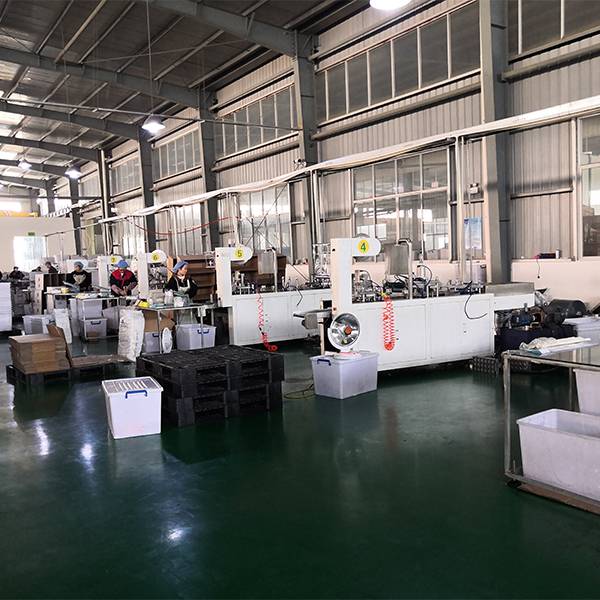
3 Oz PET Plastic Cups Factory Where Service Meets Innovation

Production Throughput vs Defect Rate by Line (3 oz PET Cups)

This chart compares production throughput (units per hour) and defect rate (%) across five production lines manufacturing 3 oz PET cups. Throughput values indicate the average output capacity observed during a typical production shift, while defect rates capture the percentage of cups rejected due to quality issues. Line E shows the highest throughput (1300 units/hr) combined with the lowest defect rate (0.9%), suggesting an optimized balance of speed and quality. Line D demonstrates the lowest throughput (800 units/hr) and the highest defect rate (3.0%), which flags both capacity and quality concerns. Line B has moderate capacity but a relatively elevated defect rate (2.3%), indicating potential process instability or equipment tuning issues. Line A and Line C show solid throughput (1200 and 1100 units/hr) with low defect rates (1.5% and 1.1%), representing balanced performance. Key takeaways: prioritize investigation on Line D to identify root causes—possible factors include tooling wear, material feed issues, or operator training gaps. Line B should undergo quality audits to reduce rejects without sacrificing throughput. Best practices observed on Line E (setup parameters, preventive maintenance cadence, operator practices) could be standardized and transferred to underperforming lines. Tracking these two dimensions together enables targeted interventions: increasing throughput alone is counterproductive if defect rates climb, while reducing defects at the expense of throughput may hurt overall output. Regularly updating this chart with shift-level or weekly data will help monitor trends, assess the impact of corrective actions, and support continuous improvement initiatives.

Top Selling Products

Subscribe To Our Newsletter

For inquiries about our products or pricelist, please leave your email to us and we will be in touch within 24 hours.

Follow Us

on our social media
  • whatsapp (1)
  • instagram
  • youtube