



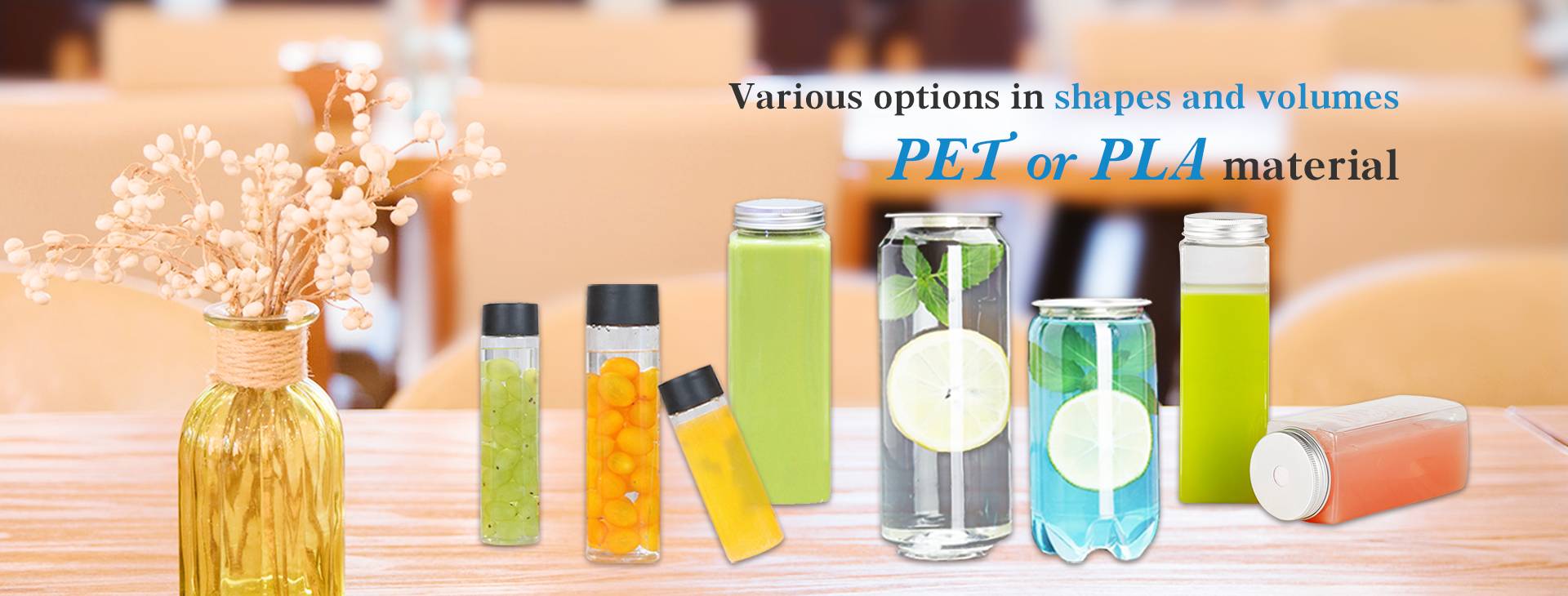
Disposable Smoothie Cups - China Manufacturer | Bulk Eco Cups
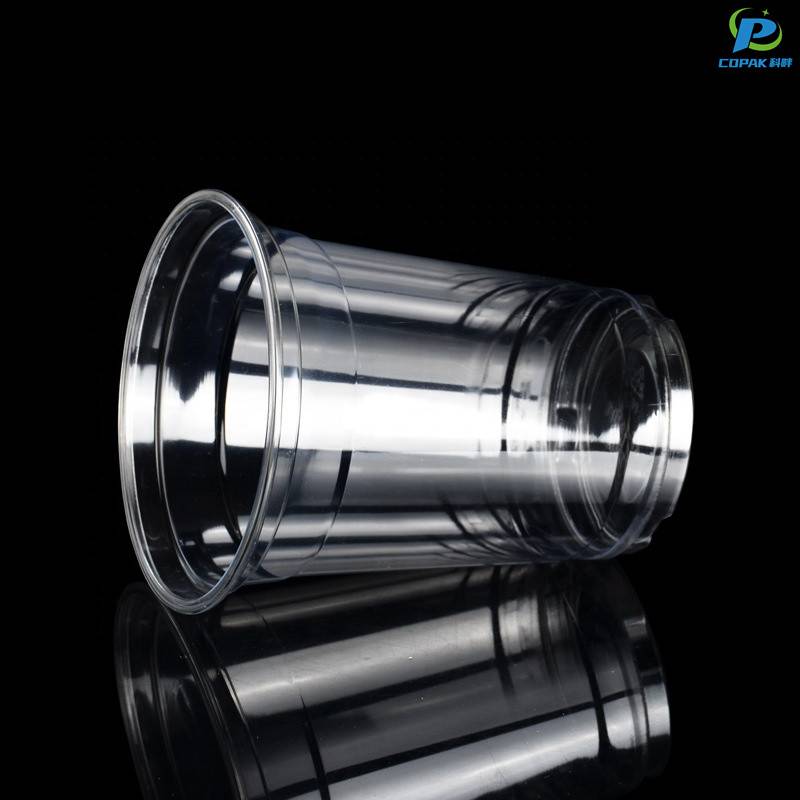
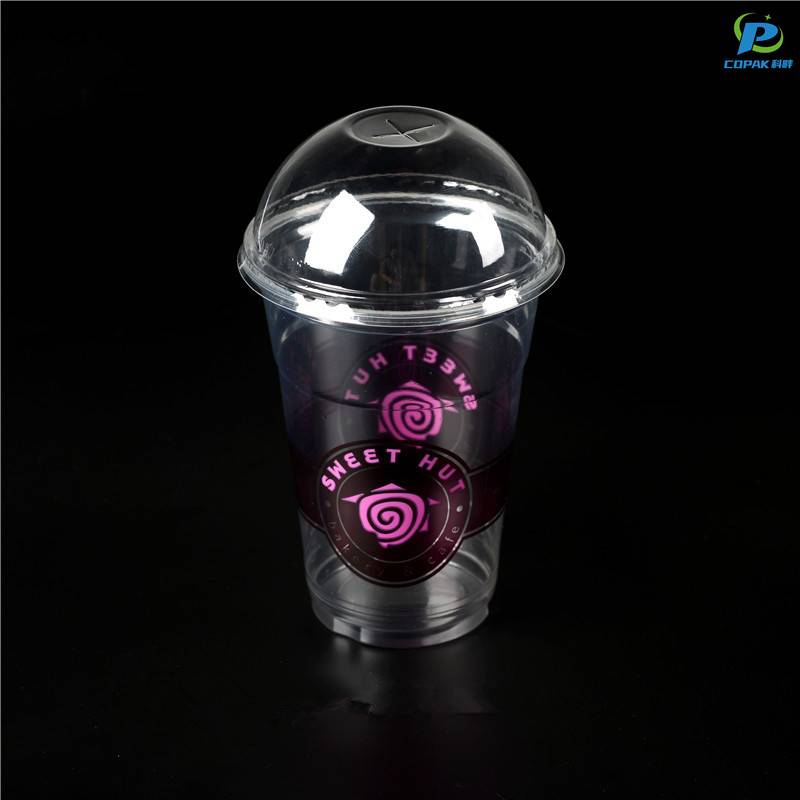
We are a China-based manufacturer delivering reliable packaging solutions for cafes, juice bars, and catering firms. Our Disposable Smoothie Cups are built for fast service, sturdy handling, and clean disposal. We offer multiple sizes from 12 oz to 24 oz, with either leakproof lids or sip-through lids, and they stack easily for storage and transport. The cups are made from food-grade, BPA-free materials that meet international safety standards, with options in clear PET or PLA-based compostable variants for eco-conscious brands. We also provide customization—logo printing, color matching, and branding on cups and sleeves—so your brand stays visible at every takeaway. As a B2B purchaser, you’ll appreciate our clear lead times, reliable supply, and MOQs suited for growing chains and distributors. If you’re seeking a dependable China supplier with strong manufacturing capability, I’m ready to discuss volumes, packaging, and certification requirements for your market.


Disposable Smoothie Cups Stands Out Ahead of the Curve
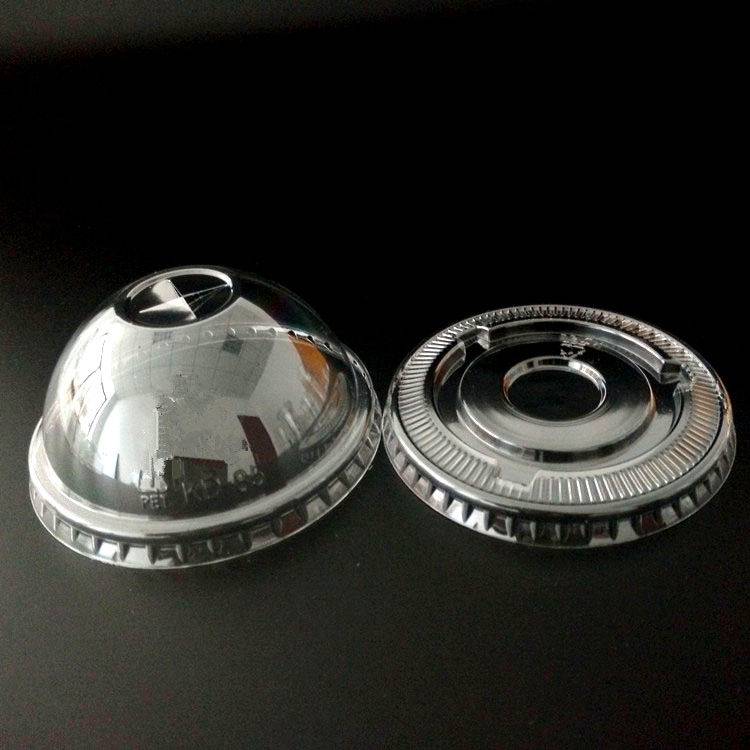
Disposable smoothie cups are standing out ahead of the curve by combining clarity, strength and sustainability in one cost-effective package. Modern options include crystal-clear PET for visibility or compostable PLA for eco-conscious markets, leak-resistant lids, stackable designs and tailored wall thickness to prevent sogginess. Food-grade materials and international certifications ensure safe transport and shelf appeal while lightweight construction reduces shipping costs. For global buyers, advantages are clear: flexible OEM customization, low minimums, competitive lead times and packaging optimized for container efficiency. Whether serving cafés, retail chains or event suppliers, these cups deliver a brandable presence, reliable supply continuity and a compelling sustainable story that helps convert eco-aware consumers.
| Material Type | Typical Capacities (ml / oz) | Typical Net Weight (g) | Recyclable? | Industrial Compostable? | Home Compostable? | Typical Degradation / Fate | Common Lid Type | Primary Use Cases | Environmental Considerations | Market Trend (next 5 yrs) |
|---|---|---|---|---|---|---|---|---|---|---|
| PET (Polyethylene Terephthalate) | 250–700 ml (8–24 oz) | 6–12 g (varies with gauge) | Widely recyclable where collection & sorting exist | No | No | Persistent in environment; can take several decades to centuries if littered; often recycled into fibers when collected. | Clear domed PET or PP snap lids with straw slot | Cold beverages, smoothies, on-the-go service | High fossil-fuel origin; contamination (food residue) reduces recycling yield; lightweight transport advantage lowers emissions per unit volume. | Stable volume; increased regulatory pressure and investment in circular PET recycling technologies. |
| PP (Polypropylene) | 250–700 ml (8–24 oz) | 7–14 g | Recyclable in some regions (code 5 streams) | No | No | Durable; can persist for many decades; recycling access varies by locality. | Snap-on lids, sometimes opaque domes; durable for reuse attempts | Lids, heat-stable cups, heavier-duty single-use cups | Lower clarity than PET; good heat performance; recycling infrastructure limited compared with PET. | Moderate growth for lids and specialized cups; niche where higher heat-resistance or stiffness required. |
| PLA (Polylactic Acid) | 250–700 ml (8–24 oz) | 8–15 g | Not compatible with PET recycling streams; may contaminate plastics recycling | Yes (industrial compostable certified) | Generally no — requires industrial conditions | Breaks down under industrial composting (typical 60–90 days under controlled conditions); limited breakdown in natural marine settings. | Clear domed PLA lids designed for compostable systems | Cold drinks, marketed as compostable alternatives to PET | Biobased feedstock reduces fossil input but relies on industrial composting infrastructure; contamination risk for recycling. | Growing adoption where industrial composting exists; constrained where organic processing is lacking. |
| Paperboard (with bio or polymer lining) | 250–700 ml (8–24 oz) | 10–20 g | Dependent on lining: plain fiber recyclable; coated liners often reduce recyclability | Sometimes (if compostable lining used) | Rarely — depends on lining | Paper fibers degrade in months if not coated; plastic/bioplastic linings influence end-of-life pathway significantly. | Paper lids or plastic/PLA lids; film-sealed tops possible | Hot and cold beverages, single-use cups where stiffness/insulation is needed | Lower fossil-carbon footprint for fiber content; contamination and mixed materials complicate recycling/composting. | Steady interest for hybrid products; innovation in recyclable and compostable linings continues. |
| Bagasse (Sugarcane Fiber) | 300–700 ml (10–24 oz) | 12–22 g | Not commonly recycled; typically treated as organic waste | Yes (industrial & often home-compostable depending on product) | Often yes (many products home-compost within months) | Biodegrades in composting environments within ~90–180 days; suitable for municipal compost streams. | Fiber lids or compostable film/PLA lids | Takeaway bowls, heavy or thick smoothies, hot/cold food service | Uses agricultural byproduct; lower reliance on virgin fossil resources; high suitability for composting systems. | Increasing adoption for foodservice items where composting is available; valued for durability and end-of-life performance. |
Related Products


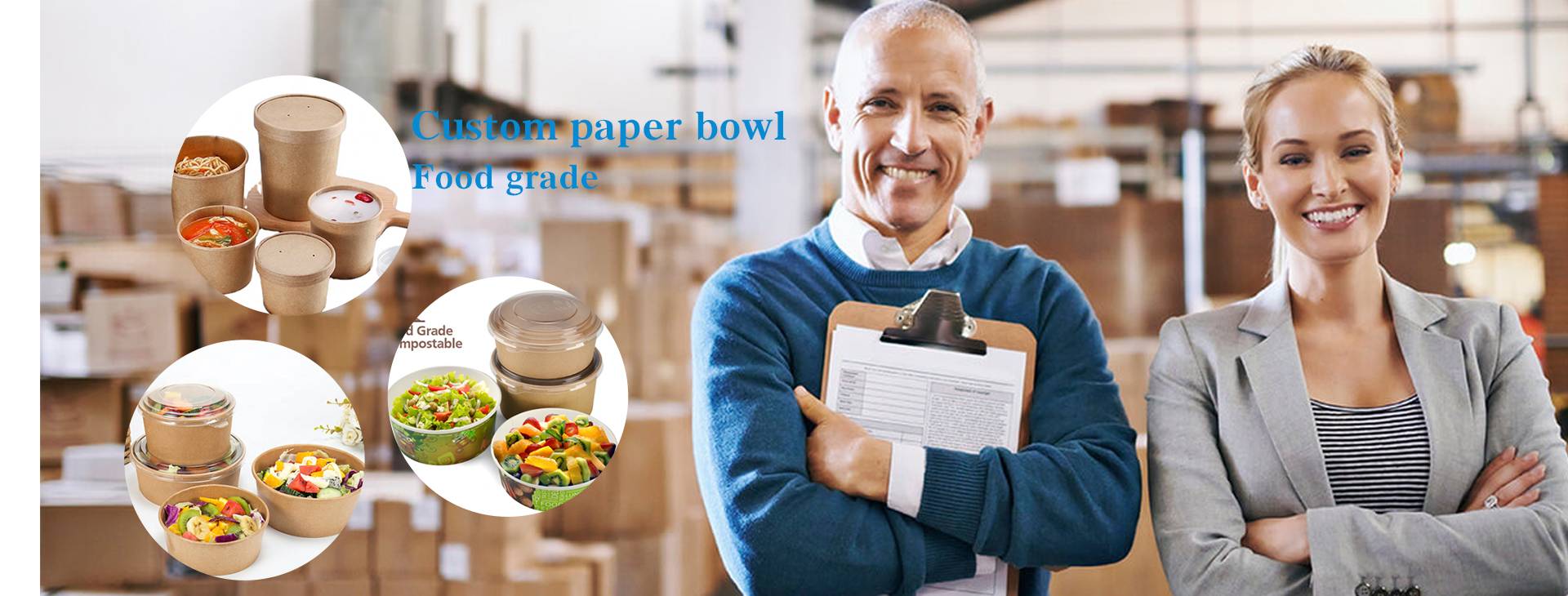
Disposable Smoothie Cups Market Leader Pioneers in the Field
Top Selling Products



- Related Blog
- Reviews
- Reviews
