



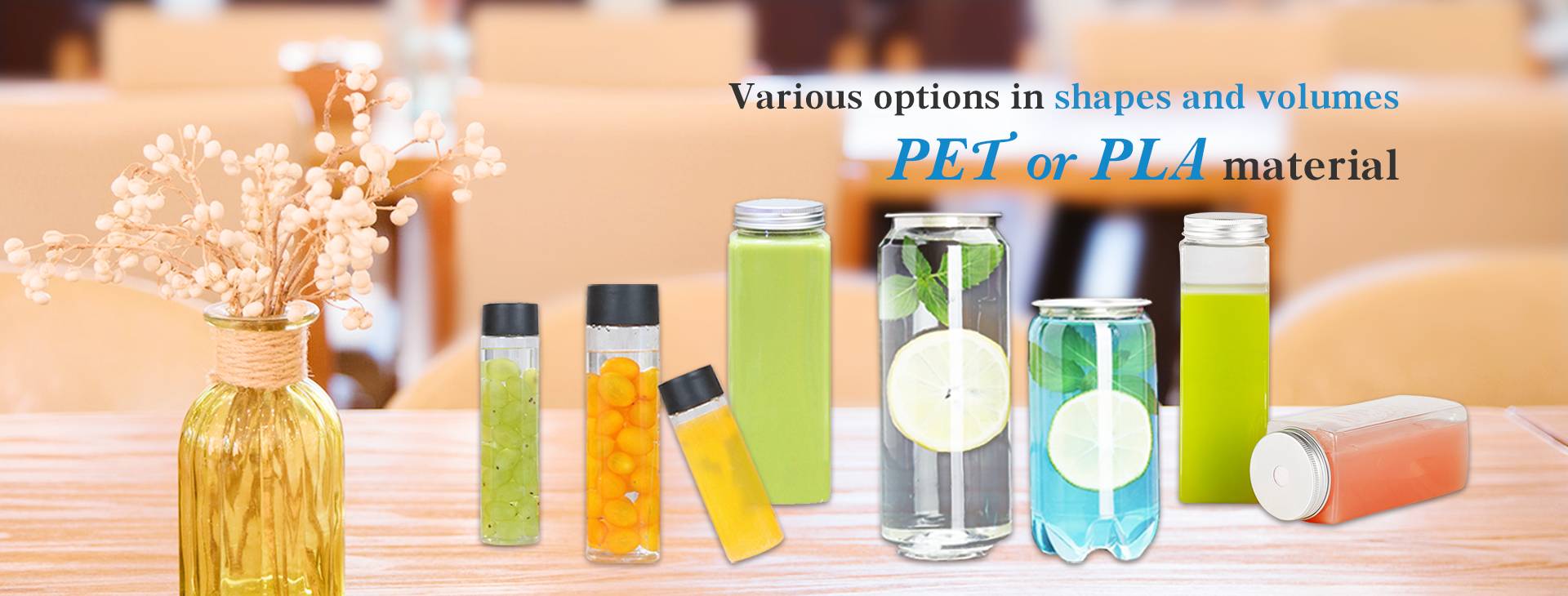
China Manufacturer of 330ml Plastic Juice Bottles
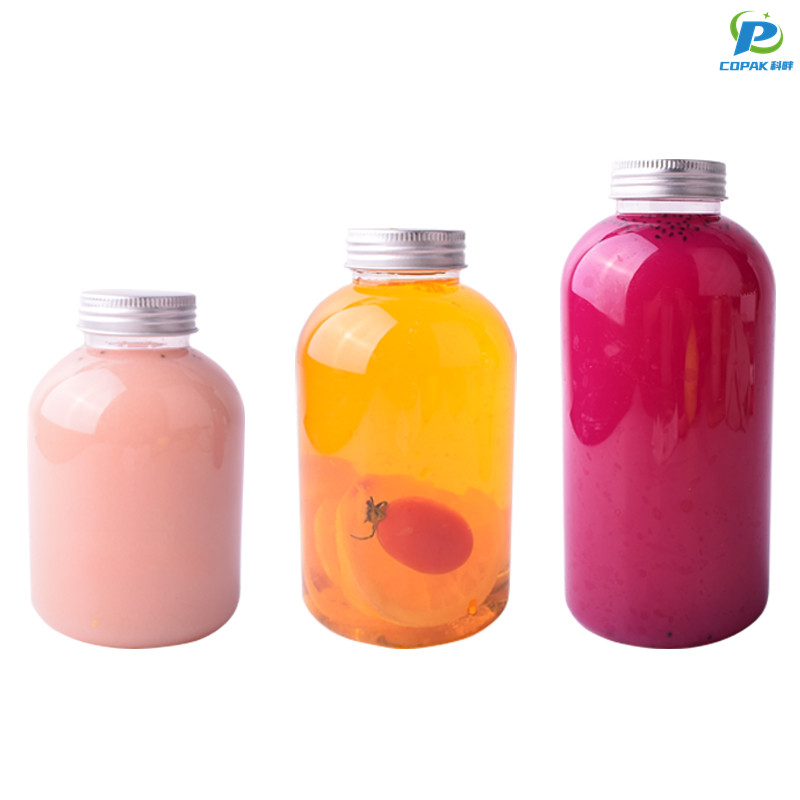
From a China-based Manufacturer, I offer {330ml Plastic Juice Bottles} that meet the demands of fast-changing beverage brands. These bottles are food-grade PET, BPA-free, with a clear, crack-resistant body and a standard 28mm neck finish for common closures. They light up on shelves, stack neatly for transport, and pair with tamper-evident caps for safety. The 330ml size is perfect for single-serve juices, smoothies, or flavored waters, while keeping your product cost-effective. I can provide custom labeling options and multiple color caps to fit your brand. Our QC checks ensure consistent wall thickness and leak resistance, and we support large orders with short lead times. Whether you’re in China or exporting, we’re ready to meet your MOQ and lead-time targets. Let me know your needs for packaging run, branding, and samples, and I’ll tailor a solution around {330ml Plastic Juice Bottles}.

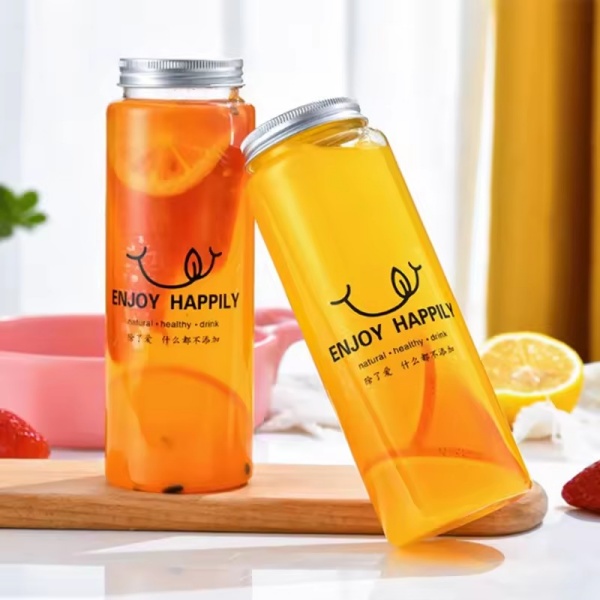
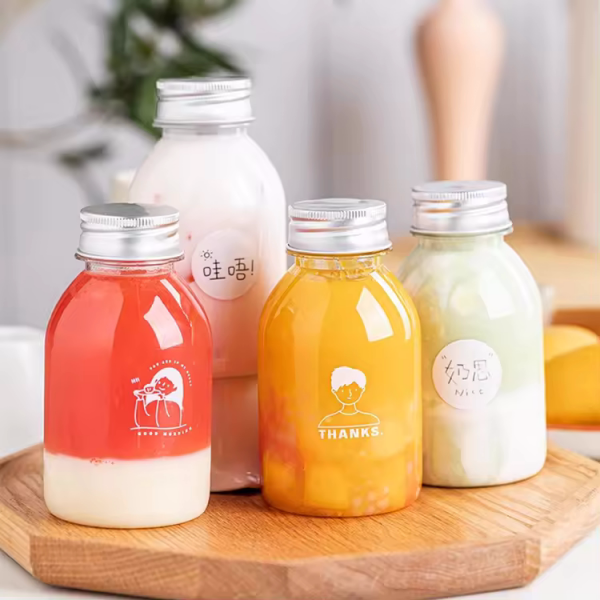
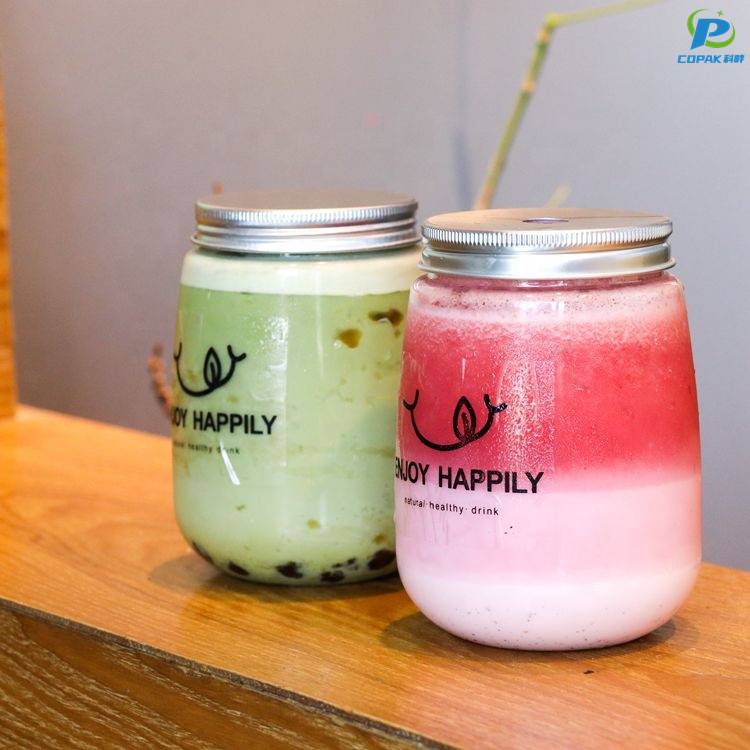
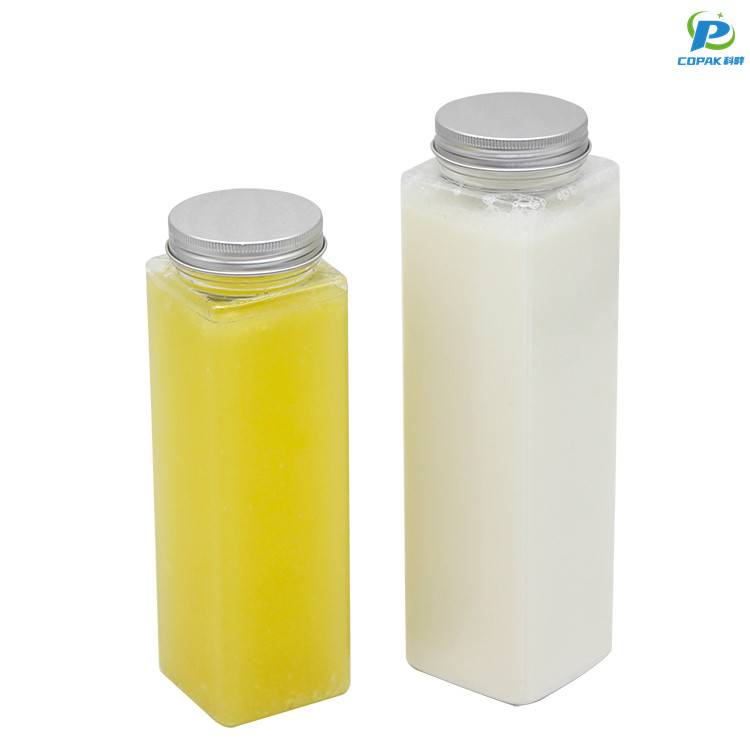
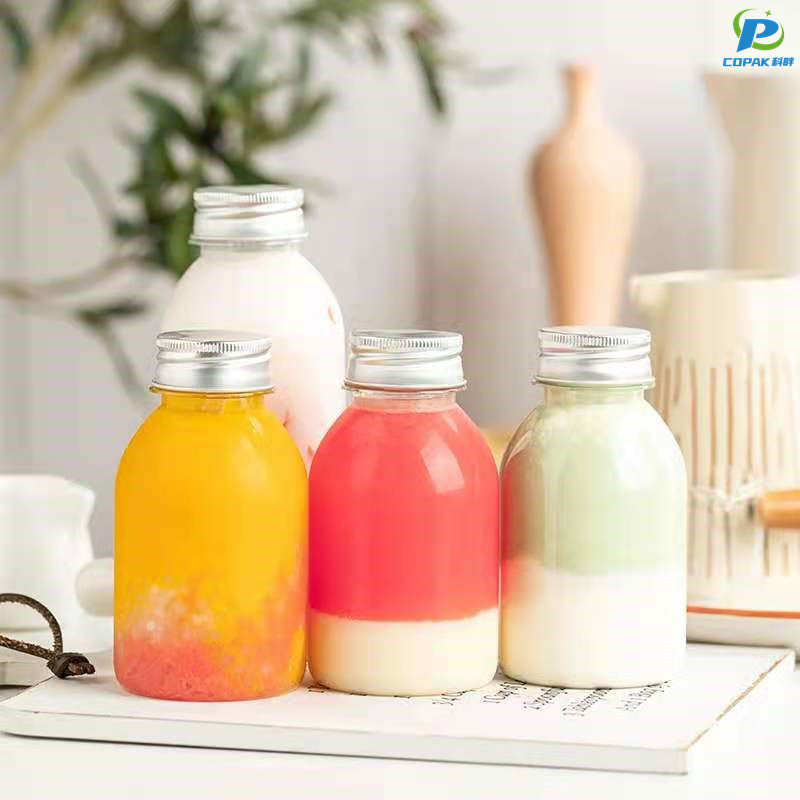
330ml Plastic Juice Bottles Application From Concept to Delivery
From concept to delivery, 330ml plastic juice bottles offer a versatile solution for beverage brands seeking lightweight, cost-effective and shelf-friendly packaging. Beginning with collaborative design—shape, neck finish, barrier and labeling options—prototypes and mold adjustments ensure the bottle meets filling-line compatibility, consumer ergonomics and retail display needs. Material choices from virgin PET to recycled PET provide options for clarity, oxygen barrier treatments and sustainability targets while maintaining beverage safety and flavor integrity. After approval, streamlined tooling and scalable production move into strict quality control: dimensional checks, leak and drop tests, and food-contact certifications to meet global market regulations. Flexible customization, bulk packaging formats and coordinated logistics support efficient export and on-time delivery. For global buyers, this end-to-end approach balances brand differentiation, regulatory compliance and reliable supply, enabling confident launches and consistent replenishment across markets.
| Stage / Item | Description | Key Metrics / Typical Values | Material & Compliance | Logistics / Handling Notes |
|---|---|---|---|---|
| Concept & Requirements | Define product purpose (still fruit juice / nectars / blends), target consumer pack size and distribution channel (retail, foodservice, vending). |
- Volume: 330 mL - Target fill temp: cold-fill (4–25 °C) or hot-fill (85–95 °C) depending on process - Expected shelf life: 6–12 months (product dependent) |
Base resin: PET (recyclable resin code 1) or PET with barrier liner for increased shelf life. Compliant with food-contact regulations (e.g., FDA 21 CFR, EU plastics food contact materials regulations). | Design for retail shelving and secondary packaging; consider tamper-evident closure and shelf presentation. Avoid heavy over-decoration that interferes recycling. |
| Preform & Bottle Design | Create preform geometry, bottle finish, neck finish (e.g., 28mm PCO or proprietary 28-400), body shape for branding and strength. |
- Typical empty mass: 12–20 g (lightweight PET options possible) - Typical height: 150–170 mm - Typical diameter: 58–66 mm - Neck finish: 28 mm common |
PET intrinsic viscosity selected for process (hot-fill vs cold-fill); oxygen barrier options: EVOH or SiOx/AlOx coatings as needed. | Stackable preforms for storage. Ensure label area and barcode placement compatible with automated lines. Avoid shapes that cause conveyor instability. |
| Prototyping & Testing | Produce samples via blow molding or 3D prototypes for drop tests, compression, carbonation or vacuum-based tests (if applicable), and shelf-life trials with product. |
- Drop test: 1–1.5 m edge impact typical for retail handling - Vacuum resistance (hot-fill cooling): design for deformation ≤ 5 mm controlled by base geometry - Headspace control: 3–10 mm typical depending on product |
Migration testing and extractables analysis per applicable standards for beverage contact materials. | Use representative secondary packaging when testing transport shocks and vibration. Maintain temperature control for shelf-life trials. |
| Manufacturing (Blow Molding) | Injection molding of preforms followed by stretch blow molding to final bottle shape. Cycle times and machine settings optimized for throughput. |
- Cycle time (stretch blow): 3–8 s per cavity depending on equipment - Typical output: tens of thousands bottles/day per line for single-shift operations - Wall thickness: variable 200–350 µm in body, thicker in base/neck areas |
Ensure preform resin moisture control and IV appropriate to process; validation of bottle dimensions to specification tolerances ±1–2 mm. | Handle blown bottles with soft-touch conveyors; inspect for neck finish integrity and orientation for automated filling lines. |
| Filling & Pasteurization | Filling method chosen by product: cold-fill with pasteurization or aseptic filling; hot-fill requires specific bottle design and cooling loop. |
- Fill accuracy: ±1–2% of 330 mL - Typical fill speeds: 2000–18,000 bottles/hour depending on line - Hot-fill temp (if used): 85–95 °C; cold-fill typically ≤ 25 °C |
Sanitation and CIP routines; regulators for thermal process validation for pasteurized products. | Control headspace and cap torque after fill; allow time for hot-fill cooling before labeling to prevent label deformation. |
| Closure & Tamper Evident | Screw caps, tamper-evident bands, or induction seals depending on barrier/shelf-life needs. |
- Typical closure torque: 1.0–2.5 N·m (line dependent) - Seal integrity: Helium leak or bubble emission tests for critical applications |
Closure materials approved for food contact; tamper-evident features per retail expectations. | Torque control critical for resealability and leakage prevention during palletization and transport. |
| Labeling & Decoration | Pressure-sensitive labels, shrink sleeves, or direct printing depending on aesthetics and recyclability considerations. |
- Label coverage: up to full-body shrink sleeve for 360° graphics - Label application speed synchronized with filling line speed |
Prefer single-material label constructions or easily removable sleeves to improve recyclability. Ink approvals for food contact where needed. | Shrink-sleeve may require additional oven energy; ensure label adhesive performs under refrigerated and ambient conditions. |
| Secondary Packaging & Palletization | Cartons, trays, or shrink-wrapping for retail distribution. Pallet patterns and stabilization ensure safe transport. |
- Typical bottles per case: 6, 8, 12 (format dependent) - Pallet height target: 1.6–2.0 m - Stack strength limit to be validated per packaging system |
Use recyclable corrugated cartons; consider CO2 and moisture control for long shipping lanes. | Pallet patterns optimized for warehouse racking; consider desiccant or climate control for sensitive formulations. |
| Quality Control & Compliance | Routine QC checks: dimensional checks, drop tests, seal/leak tests, microbiological sampling and sensory checks on product samples. |
- Dimensional tolerance: ±1–2 mm practical target - Microbiological: product-specific acceptance criteria per regulatory guidance - Reject rate target: <1% typical for mature lines |
Documentation for traceability of resin batches, preforms and closures. Compliance with regional food-contact rules and labeling laws. | Segregate non-conforming lots; maintain cold chain for temperature-sensitive rework or destruction. |
| Recyclability & End-of-Life | Design for recycling: single-resin approaches and easily removable labels; communicate resin ID to consumers. |
- Resin ID: PET (1) - Typical recycling yield: varies regionally; mechanical recycling widely supported where collection exists |
Avoid multi-material barriers when recyclability is a priority, or provide clear instructions for separation if required. | Collect and compact empty bottles to reduce transport footprint for recycling collection points. |
| Lead Times & Typical Timelines | Typical durations from concept to first shipment for standard 330 mL PET bottles. |
- Concept to prototype: 2–6 weeks - Tooling & preform production: 6–12 weeks (depends on tooling complexity) - Full production ramp: 2–6 weeks after qualification |
Allow time for regulatory testing and approvals which vary by market. | Calendar buffers recommended for seasonal demand spikes and shipping lead-times across regions. |
| Performance Benchmarks | Representative operational benchmarks for medium-scale beverage producers. |
- Overall equipment effectiveness (OEE): 60–85% target depending on automation level - Yield after filling & capping: 98–99% desired for stable operations |
Continuous monitoring of in-line sensors and traceability systems to meet product safety standards. | Plan SKU rationalization to improve line efficiency and reduce changeover downtime. |
Related Products
22oz 660ml empty ketchup Mustard Mayo Salad sauce squeeze bottle PET Sauce packing Plastic Bottles
Read More


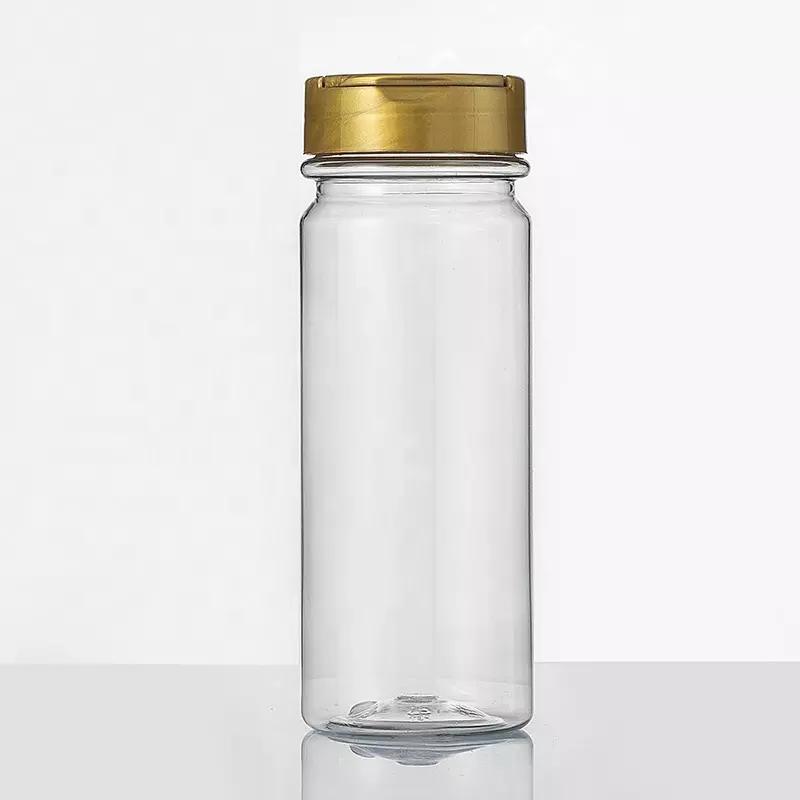

330ml Plastic Juice Bottles Trusted by Pros Outperforms the Competition
Top Selling Products




- Related Blog
- Reviews
- Reviews
