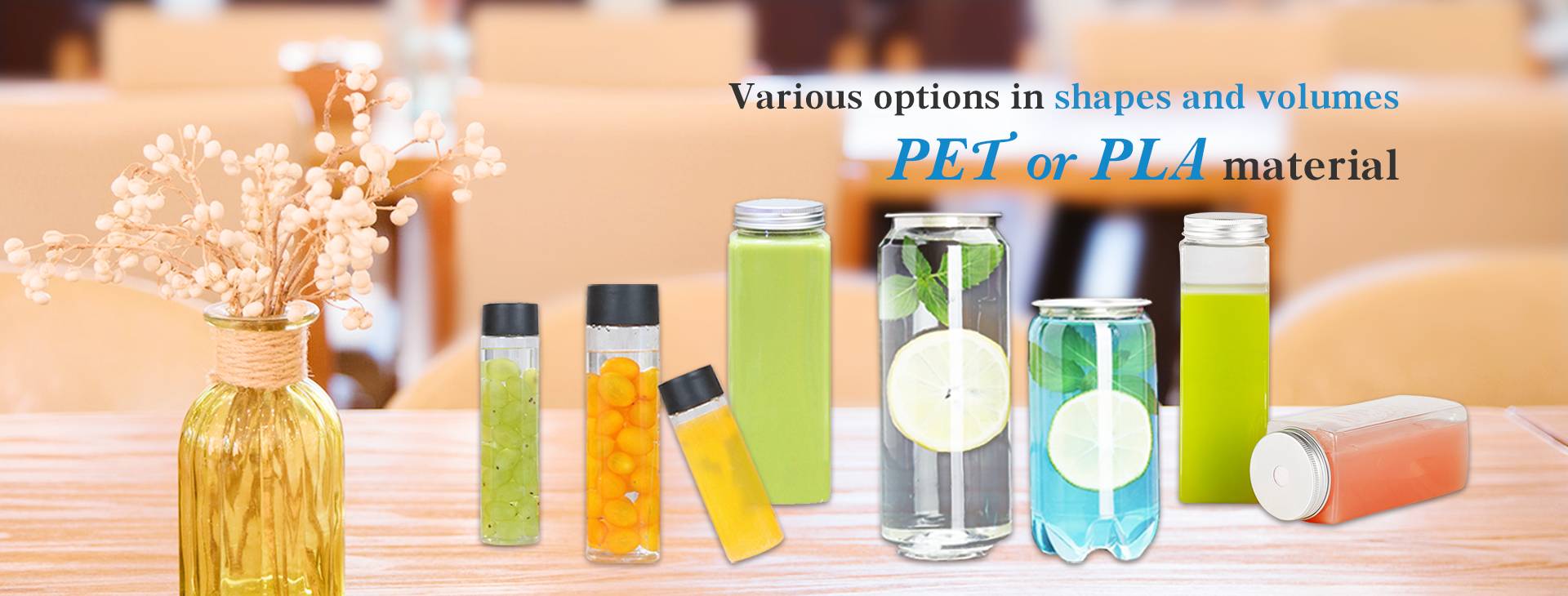
PET Bottles

24 Oz Clear Plastic Cups - China Manufacturer for Bulk Orders

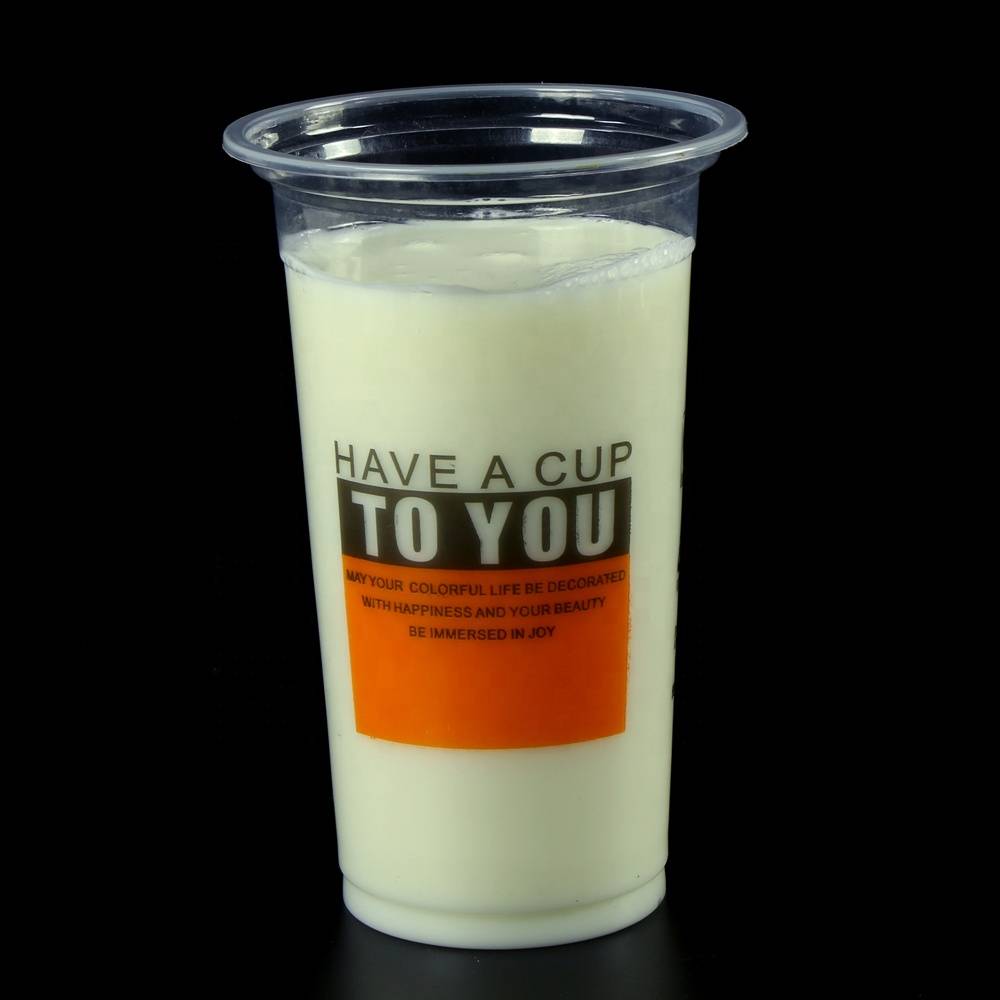
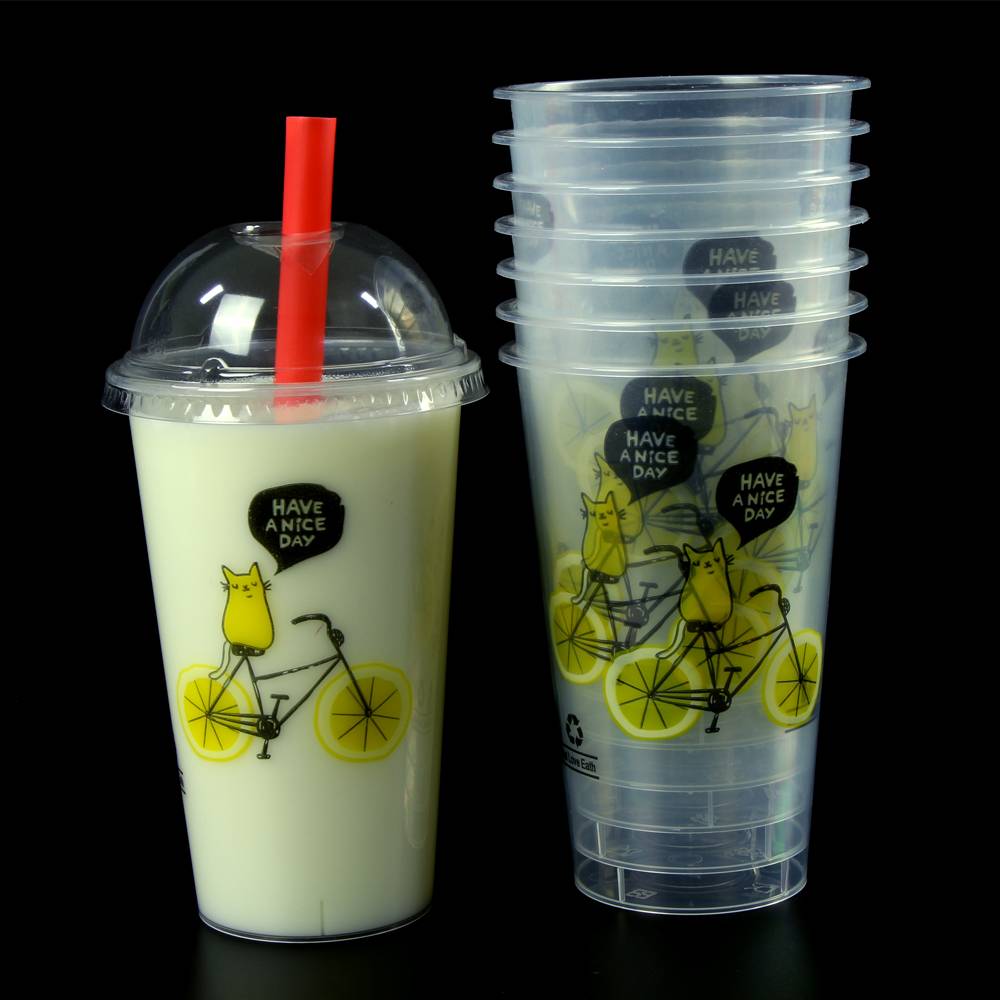
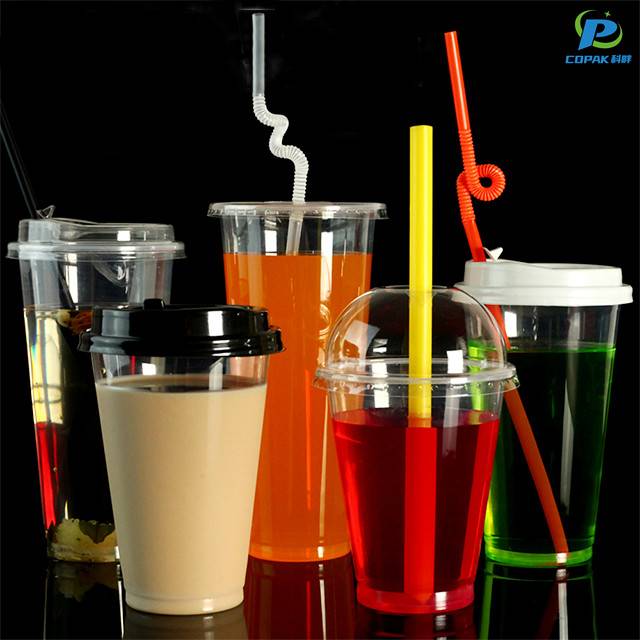
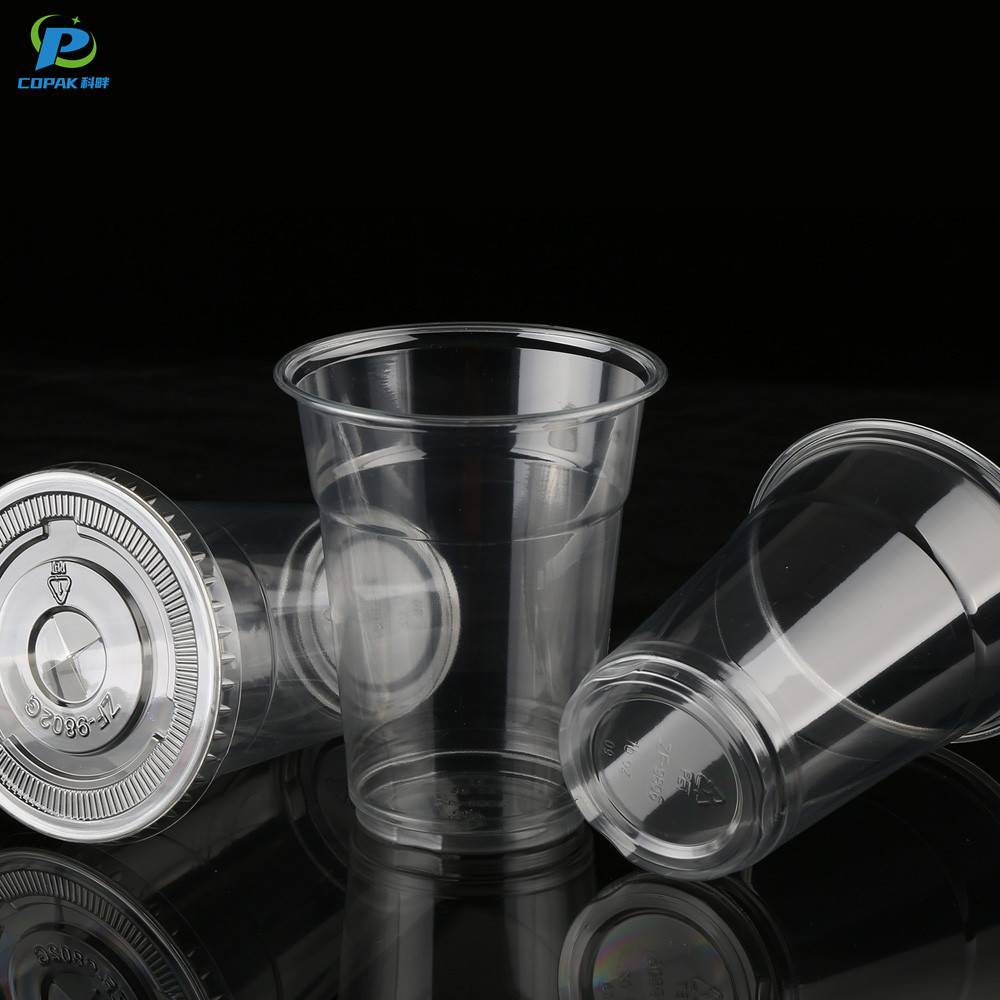
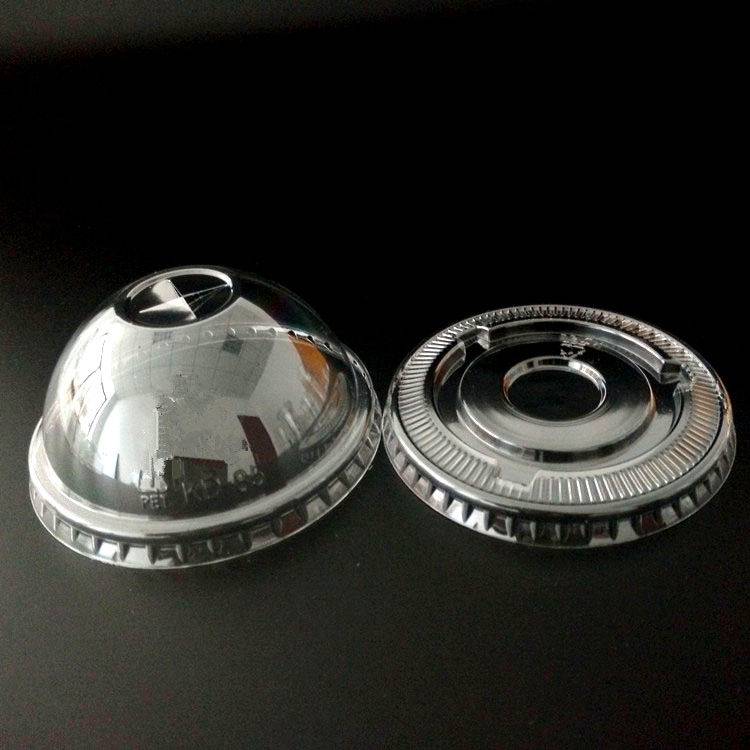
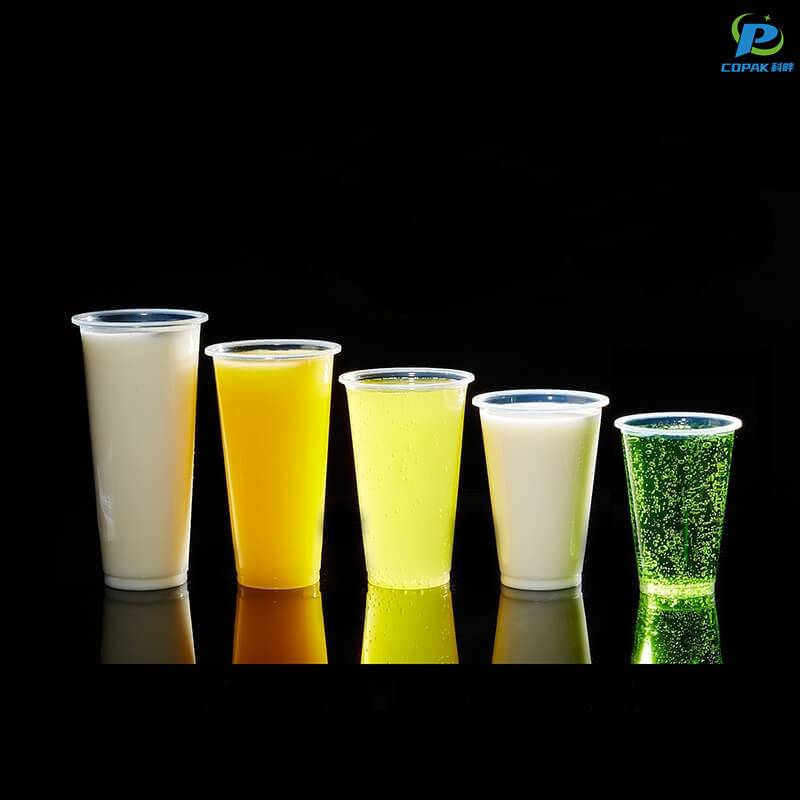
From our China-based facility, I offer 24 Oz Clear Plastic Cups designed for high-volume food service. As a Manufacturer, I know reliability matters, so these cups are crystal clear, crack-resistant and stack neatly for efficient storage. The 24 Oz size is perfect for iced coffee, lemonade, cocktails, and fruit smoothies, making them a versatile option for cafes, caterers, and distributors. Made from sturdy clear PET, these cups are food-contact safe and BPA-free, providing excellent rigidity and spill resistance during service. They feature smooth rims and straight sides that take labels or prints well, helping your brand stand out at every event. We provide flexible MOQs, customization options (logos, colors), and private labeling. Fast lead times, competitive pricing, and ship-from-China logistics helps support medium to large orders. Partner with me for dependable supply, consistent quality, and scalable packaging to grow your business.

Hot Selling Product

24 Oz Clear Plastic Cups Trusted by Pros Custom Solutions,

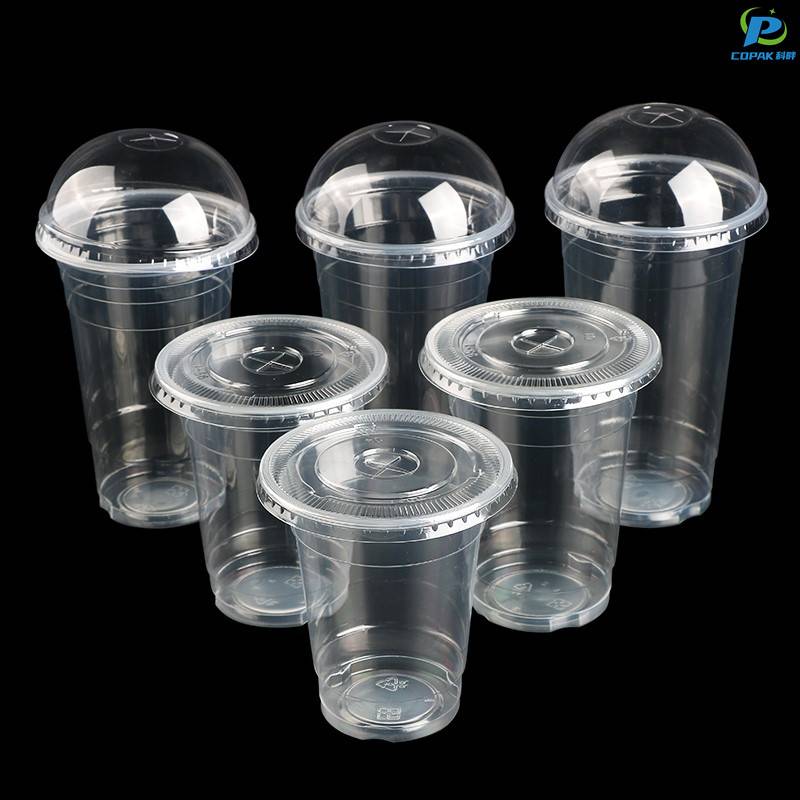
24 oz clear plastic cups trusted by professionals combine crystal clarity, sturdy construction and functional design to showcase beverages while withstanding fast-paced service environments. Ideal for cafes, bars, catering and events, these cups deliver excellent rim strength, stackability and compatibility with snap and dome lids; available in high-clarity food-grade polymers that balance presentation with recyclability and cost-efficiency. Global buyers can access tailored solutions including custom printing, logo embossing, color tints, wall thickness adjustments, specialized lid options and eco-friendly material blends. With scalable production, strict quality controls and flexible packaging and MOQ arrangements, these cups are engineered to meet contract, retail and private-label demands worldwide—perfect for brands seeking reliable supply and on-spec customization.

24 Oz Clear Plastic Cups Trusted by Pros Custom Solutions,
Attribute Description Typical Specification Common Use Cases Notes
Material Clear PET (Polyethylene Terephthalate), commonly used for cold beverage containers due to clarity and strength. Resin ID: 1 (PET); transparent, amorphous. Iced coffee, smoothies, cold soda, slushies, catered events. Good clarity and stiffness; not compostable.
Capacity Nominal liquid volume for service and labeling. 24 U.S. fl oz (≈710 mL) Portion-controlled servings and display pours. Fill lines vary by vendor; nominal capacity used for menu planning.
Typical Dimensions (approx.) Tapered cylinder design; dimensions depend on wall profile and base geometry. Top diameter: 100–115 mm (3.9–4.5 in); Bottom diameter: 50–65 mm (2.0–2.6 in); Height: 140–165 mm (5.5–6.5 in). Fits many standard lid styles designed for large clear cups. Measure before ordering lids to ensure compatibility.
Wall Thickness Determines stiffness, stackability, and mouthfeel. Typical: 0.25–0.40 mm (≈10–16 mil) Thicker walls for smoothies/slush; thinner for disposable cold drinks. Heavier gauge improves perceived quality and reduces flex.
Typical Unit Weight Approximate dry weight per cup (varies with thickness). Generally 8–14 g per cup Useful for shipping and waste calculation. Weight varies by contour and base reinforcement.
Temperature Range Operational limits for safe use (cold beverage applications). Recommended: -40°C to 60°C; short-term exposure up to ~70°C (not for hot liquids) Cold drinks, refrigerated display, frozen slushies. Not microwave-safe; avoid prolonged hot-fill above recommended range.
Transparency / Optical Quality Clarity affects product presentation and visual merchandising. Crystal-clear; typical light transmittance >90% Showcase layered drinks, colorful beverages, or branded inserts. Add anti-fog or matte finish on request (custom options).
Recyclability End-of-life stream and common disposal guidance. Widely recyclable where PET (resin code 1) curbside programs exist Event recycling streams, municipal recycling. Rinse before recycling; not industrially compostable.
Certifications & Regulatory Key compliance claims for food-contact safety. Typical: compliant with FDA food-contact regulations and EU food contact framework (e.g., EC 1935/2004) Foodservice operations requiring documented food-contact compliance. Request certificates of compliance for traceability where required.
Lid Compatibility Common lid styles and sealing interface information. Compatible with flat, domed, and press-fit lids sized to top diameter (measure to confirm) To-go beverages, transport-friendly setups, spill reduction. Lid seat diameter should be verified; tolerances vary by manufacturer.
Customization Options Available aesthetic and functional modifications for professional needs. Printing (up to 6 colors), matte coating, color tint, embossed logos, custom gauges Branding, special events, menu differentiation, portion control. Lead times vary with decoration method and volume; request samples for approval.
Last updated: Typical market specifications and commonly accepted guidance for 24 oz clear PET cups.

Related Products

PET Cups

24 Oz Clear Plastic Cups Ahead of the Curve Global Reach

Regional Channel Mix for 24 oz Clear Plastic Cups

This chart visualizes a hypothetical global distribution profile for 24 oz clear plastic cups across five regions and three primary channels: Retail, Foodservice, and E-commerce. For each region, the grouped bars represent estimated percentage share of the product's presence within the channel mix. Data were constructed to illustrate common market patterns: higher retail share in North America and Europe, strong foodservice penetration in Asia-Pacific, and growing e-commerce adoption across all regions. The visualization helps compare channel strengths regionally and surface strategic priorities. For example, North America shows dominant retail distribution (55%) supported by meaningful e-commerce (25%) and modest foodservice (20%). Asia-Pacific in contrast emphasizes foodservice (50%) and e-commerce (30%) as drivers while traditional retail remains less dominant (20%). Europe demonstrates balanced retail and e-commerce, Latin America shows moderate retail dominance with lower e-commerce, and Middle East & Africa indicates developing e-commerce potential against entrenched foodservice demand. Interpreting this chart supports tactical decisions such as prioritizing packaging and pallet configurations for retail-heavy regions, tailoring order quantities and disposable alternatives for foodservice-focused markets, and optimizing digital marketing and fulfillment strategies where e-commerce share is rising. Analysts should treat these numbers as illustrative scenarios rather than empirical measurements; users should replace them with real sales, shipment, or SKU-level data before operational use. Additional layers such as price elasticity, regulatory restrictions on single-use plastics, and seasonality would refine insights. Finally, tracking these channel shares over time will reveal adoption trends and help forecast inventory, production scaling, and investment in distribution partnerships across markets. Regularly updating the dataset with point-of-sale, wholesale shipment, and web analytics will increase predictive reliability, and scenario modeling can simulate impacts of tariff changes, raw material cost fluctuations, or sudden demand surges to guide contingency planning. Teams should align KPIs and review quarterly to capture evolving consumer preferences effectively and sustainably.

Top Selling Products

Subscribe To Our Newsletter

For inquiries about our products or pricelist, please leave your email to us and we will be in touch within 24 hours.

Follow Us

on our social media
  • whatsapp (1)
  • instagram
  • youtube