



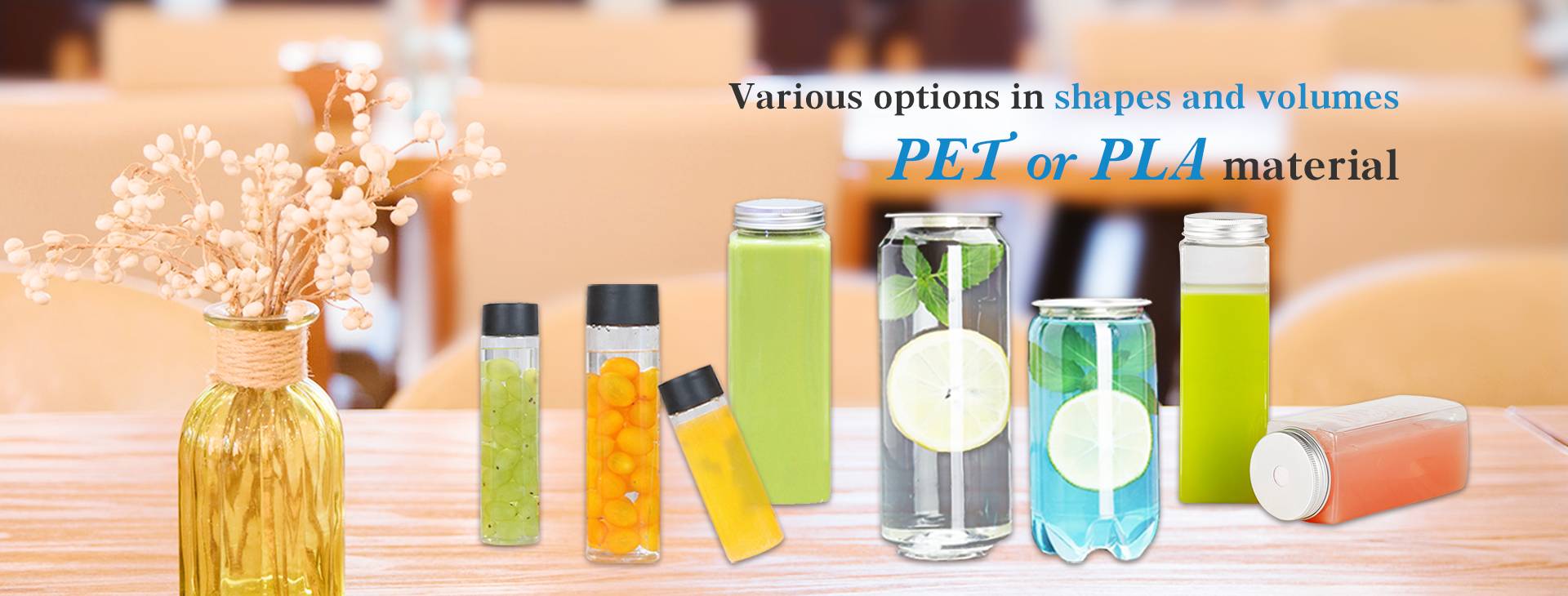
Plastic Bottle Factories in China - Trusted Manufacturer Directory
From my Plastic Bottle Factories, I bring reliable packaging solutions for serious buyers. Based in China, I am a Manufacturer who can supply a wide range of PET and HDPE bottles, caps, and jars. I work directly with brands and distributors, offering full customization: sizes from 50ml to 2L, neck finishes, colors, and labeling. Our factory uses modern blow molding and extrusion lines with strict QA from raw material to finished goods. Lead times are efficient—samples in 3–5 days, mass production in 15–30 days, depending on quantity. We offer sustainable options, including recycled PET and lightweight designs, to help you cut costs and footprint. For OEM/ODM projects, I tailor design, weight, and printing to your spec. If you’re seeking a trustworthy China Manufacturer for Plastic Bottle Factories products, share your volumes, packaging needs, and deadlines, and I’ll craft a ready-to-quote plan. Competitive pricing, stable supply, and dependable service guaranteed.
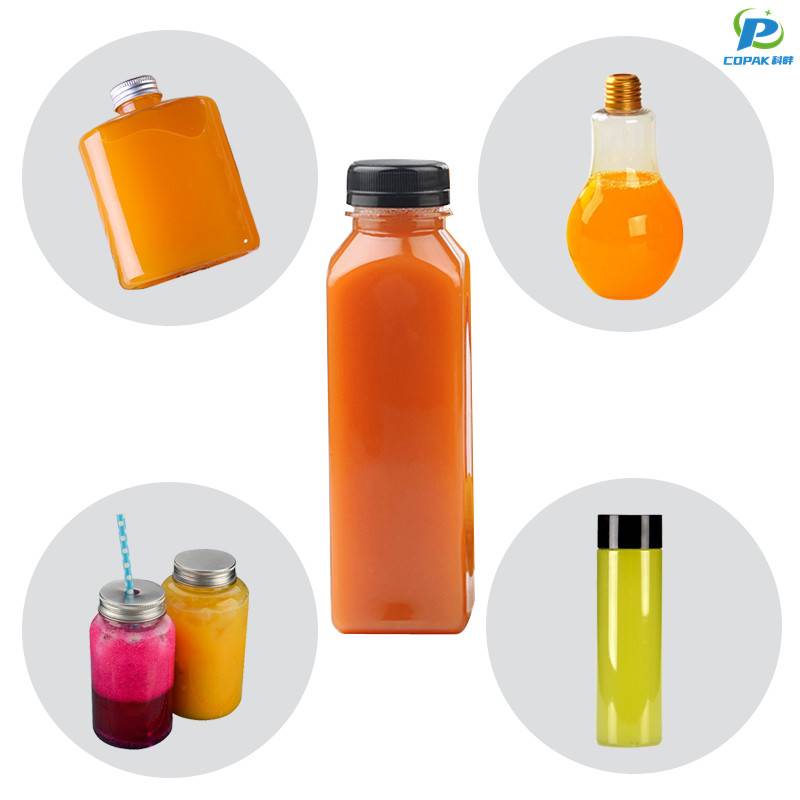


Plastic Bottle Factories Manufacturer Your End-to-End Solution
As an experienced plastic bottle manufacturer offering end-to-end solutions, we support global buyers from concept to delivery. Our capabilities include design and prototyping, custom mold making, injection stretch blow molding for PET and HDPE, lightweighting and barrier options, color matching, in-mold labeling, and secondary services such as filling, capping and packaging. We follow strict quality management and food-contact standards (FDA/EU/ISO), conduct full inspection and testing, and provide flexible MOQs and sample runs to fit new product launches. For international sourcing we optimize costs and lead times via efficient production planning, consolidated logistics and export documentation, plus sustainable choices like rPET and recyclable designs to meet evolving regulations and consumer demand. Buyers gain transparent pricing, responsive project management, and scalable production—whether for private label, ODM/OEM, or co-development—ensuring a reliable supply chain and timely global delivery.
Plastic Bottle Factories Manufacturer Your End-to-End Solution
| Location | Facility Type | Annual Capacity (million bottles/year) |
Main Materials Processed | Certifications | Energy Source | Water Treatment | Recyclate Rate | Quality Control Methods | Lead Time (typical, weeks) |
R&D Capabilities |
|---|---|---|---|---|---|---|---|---|---|---|
| Shenzhen, China | Blow molding & preform production (ISBM lines) | 1,200 | PET, rPET blends | ISO 9001, ISO 14001, FSSC 22000 | Grid (85%) + Solar (15%) | On-site tertiary treatment & reuse | 40% | Inline vision, pressure/leak tests, dimensional gauge | 6–10 | Mold design, lightweighting, barrier material trials |
| Ludhiana, India | Blow & injection molding lines (small to medium bottles) | 250 | PET, HDPE, PP | ISO 9001, OHSAS 18001 | Grid (95%) + Biomass (5%) | Effluent treatment plant; water recycling for utilities | 15% | Batch testing, hydraulic leak tests, visual inspection | 8–12 | Material qualification, mold prototyping |
| Monterrey, Mexico | Blow molding & rPET processing integrated line | 800 | PET, high-rPET content up to 100% in some SKUs | ISO 9001, ISO 14001, BRC Packaging | Grid (70%) + Solar + Co-generation (30%) | Circular water loop; advanced filtration | 60% | Spectroscopic material verification, leak/pressure and vacuum tests | 5–9 | rPET process optimization, barrier coatings development |
| Milan, Italy | High-precision ISBM for premium bottles | 400 | PET, specialty barrier PET | ISO 9001, FSSC 22000 | Grid with partial solar arrays (20%) | Advanced membrane treatment, reuse for cooling | 25% | High-resolution vision systems, tensile and impact tests | 6–11 | Lightweighting, barrier and aesthetics R&D |
| Istanbul, Turkey | HDPE blow molding & on-site recycling | 350 | HDPE, LDPE, recycled HDPE concentrates | ISO 9001, ISO 14001 | Grid (90%) + Waste heat recovery (10%) | Biological and chemical treatment; reuse for process cooling | 45% | Melt flow and contamination analysis, drop/impact testing | 7–10 | Recyclate formulation, process tuning |
| Charlotte, USA | Preform production & ISBM lines for beverage sector | 600 | PET, PET with oxygen barrier layers | ISO 9001, SQF / FSSC | Grid (80%) + Solar (20%) | On-site reclaimed water systems; seasonal storage | 20% | Statistical process control, gas diffusion, cap sealing tests | 6–8 | Shelf-life testing, barrier innovation |
| São Paulo, Brazil | Integrated PET line with local rPET sourcing | 500 | PET, high rPET grades, PET/CO-PET blends | ISO 9001, ISO 14001 | Grid (75%) + Solar (25%) | Closed-loop treatment; reuse in utilities and cleaning | 55% | In-line material ID, pressure & vacuum testing, visual inspection | 5–9 | Local material qualification, sustainability trials |
| Ho Chi Minh City, Vietnam | Lightweight PET lines focused on single-serve bottles | 300 | PET, light-gauge PET | ISO 9001, HACCP for water-grade packaging | Grid (90%) + Small solar arrays (10%) | Basic effluent treatment with reuse for non-potable purposes | 10% | Dimensional gauges, burst/pressure testing | 7–11 | Tooling turnaround, process cycle optimization |
Related Products


Plastic Bottle Factories Ahead of the Curve More Than a Supplier - A Partner
Top Selling Products







- Related Blog
- Reviews
- Reviews
