



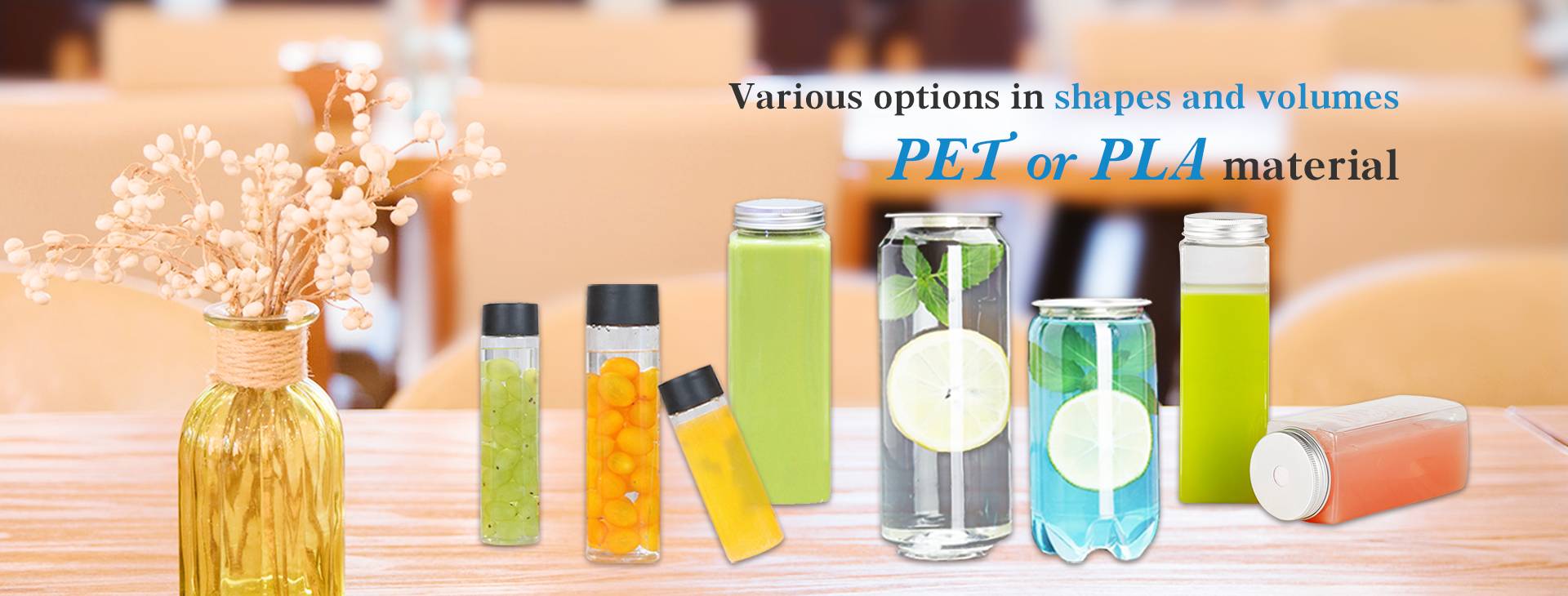
200ml Plastic Juice Bottles - China Manufacturer | Quality Packaging
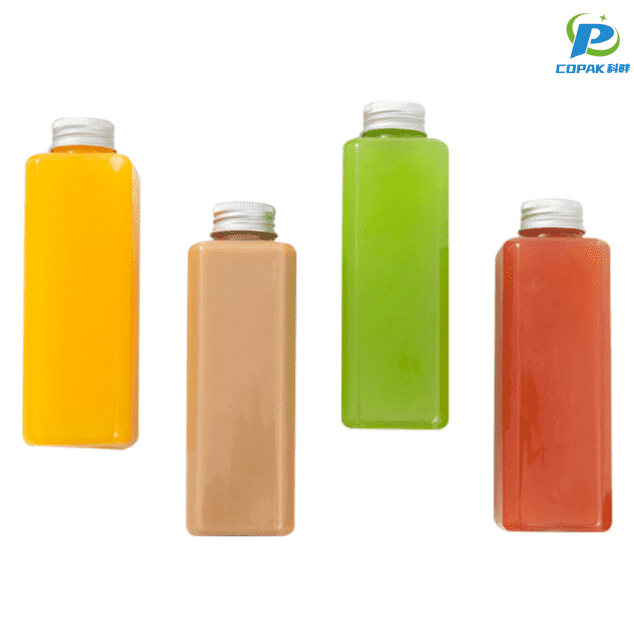
From a China-based manufacturer, I bring you {200ml Plastic Juice Bottles} built for reliability in batch production. I know B2B buyers want consistent neck finishes, tight caps, and food-grade materials. Our bottles use PET with BPA-free composition, transparent body for vibrant labeling, and a 200ml capacity ideal for single-serve drinks. The flip-top or screw-on caps seal well and are leak-proof during transit. They come with tamper-evident bands and easy-to-peel labels. We offer customization: color options, cap style, volume tolerance, and print/logo up to 4-color offset. MOQ is friendly for trial orders, with short lead times and strict quality checks to meet your standards. Packaging options include bulk in cartons or sterile trays. I can support private labeling for your China, Europe, or North America markets, ensuring compliant with local regulations. Choose these bottles to reduce costs, improve shelf appeal, and boost your brand credibility in high-volume bottling.

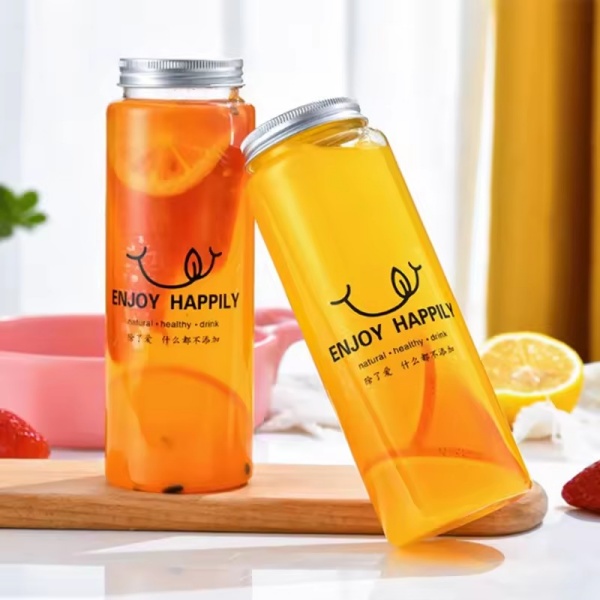
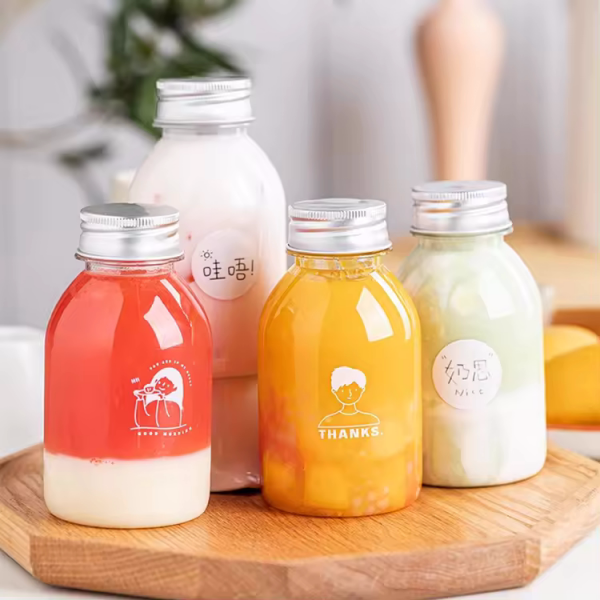
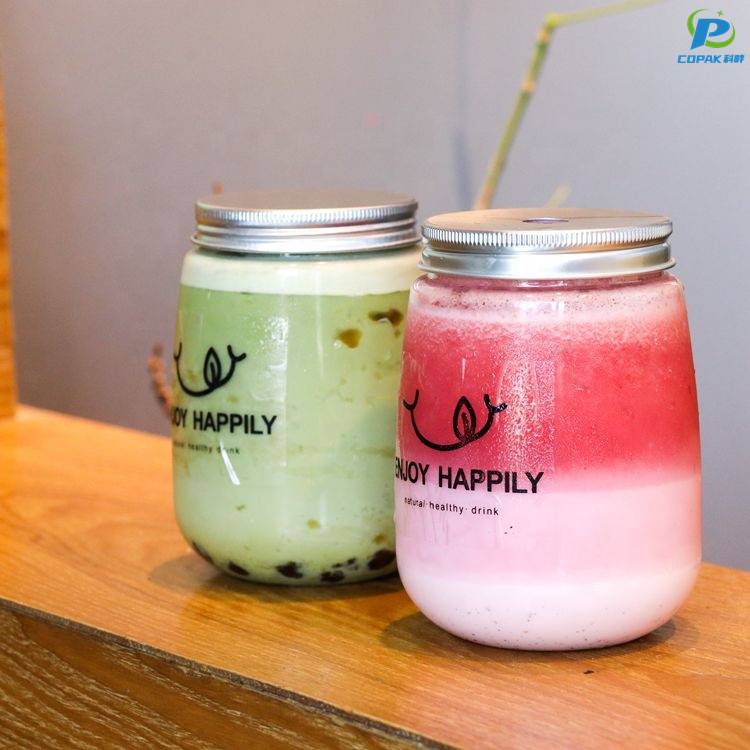
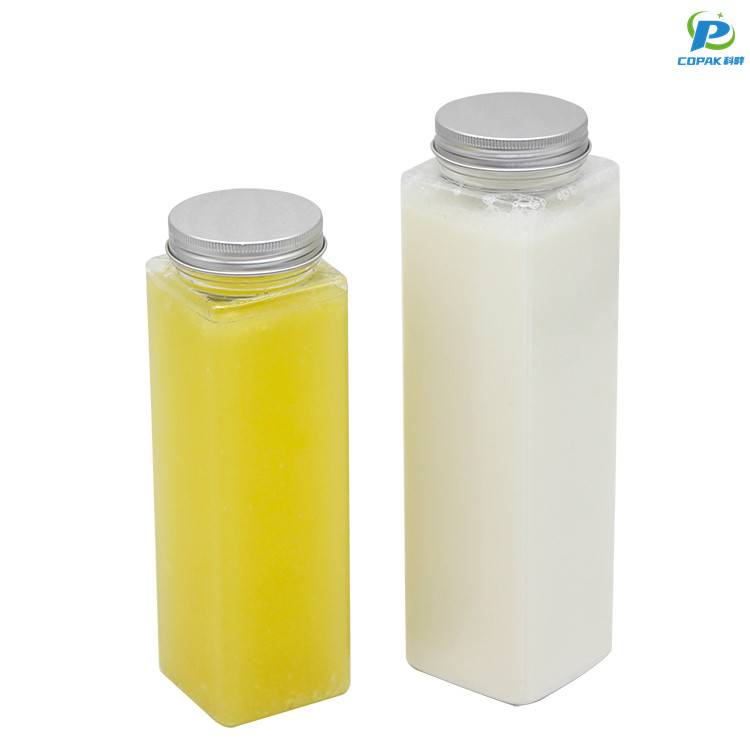
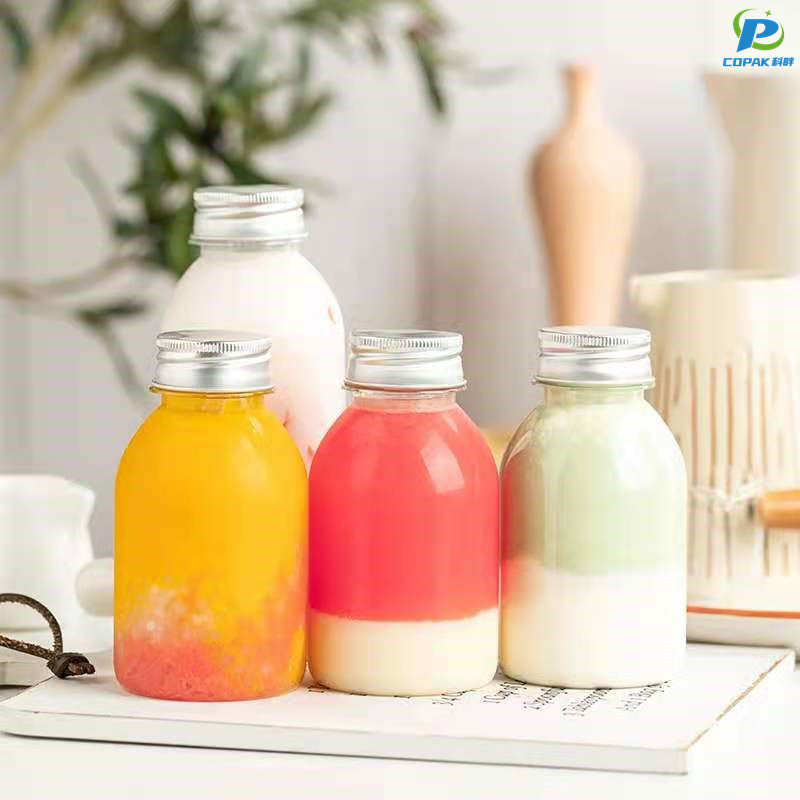
200ml Plastic Juice Bottles Now Trending From Concept to Delivery
The 200ml plastic juice bottle is rapidly becoming a global favorite for beverage brands seeking single-serve convenience without sacrificing shelf presence. Its compact size suits on-the-go consumers, portion control and sampling campaigns, while modern PET and rPET formulations deliver clarity, strength and optional light-barrier or oxygen-scavenging layers. Design versatility—from sleek cylinders to ergonomic curves, embossed detailing and full-color sleeves—lets brands stand out across premium and value ranges, with tamper-evident closures and lightweight packaging reducing shipping costs. From concept to delivery, a smooth end-to-end process matters: rapid prototyping and tool adjustments, careful material selection for food-contact compliance, custom closure and labeling options, and stringent pre-shipment quality inspections ensure consistency. Flexible minimums, scalable tooling, sustainable material alternatives and coordinated logistics provide predictable lead times for global buyers. Whether launching a limited-edition flavor or expanding distribution, 200ml bottles offer a brandable, cost-effective and supply-chain-friendly solution tailored to modern market demands.
| Category | Attribute | Specification / Data | Notes / Typical Range |
|---|---|---|---|
| Design & Size | Nominal Capacity | 200 ml | Standard beverage portion size for single-serve juices |
| Typical Exterior Dimensions | Height: 135 mm; Diameter: 45 mm | Common compact footprint for retail and refrigerated display | |
| Neck Finish | 28 mm screw neck | Widely used finish for screw caps; compatible with PP caps | |
| Material & Structure | Primary Material | PET (Polyethylene Terephthalate) | High clarity and common in juice packaging; recyclable in many systems |
| Typical Unit Weight | ~10 g per empty bottle | Lightweight small-format PET — actual weight depends on wall geometry | |
| Wall Thickness | ~0.35–0.6 mm | Balance between rigidity and material use; optimized by ISBM tools | |
| Manufacturing | Forming Method | Injection stretch blow molding (ISBM) | Standard for PET bottles delivering good clarity and strength |
| Typical Cycle Time | ~3–6 seconds per bottle (machine dependent) | Higher-speed lines achieve lower seconds; depends on cavity count | |
| Production Yield | ~98–99% good parts | After standard inline inspection and trimming | |
| Quality & Testing | Leak Test Pass Rate | ~99% (post-cap application) | Typical for standard filling and capping lines with QC |
| Drop & Integrity | Survives 0.5–1.0 m drop in primary packaging | Designs validated via ISTA or equivalent protocols for packed cases | |
| Filling & Handling | Recommended Fill Temperature | Cold-fill: 4–25°C; Hot-fill compatible designs up to ~85°C | Hot-fill requires heat-set or specific bottle geometry to avoid deformation |
| Cap / Closure Type | Polypropylene screw cap (tamper-evident optional) | Tamper band commonly used for retail beverages | |
| Sustainability | Recyclability | Widely recyclable where PET streams collected | Removal of labels and caps may improve recycling rates |
| Recommended rPET Content | Typical target: 25–50% rPET in bottle body | Dependent on feedstock quality and regulatory limits in markets | |
| Regulatory & Shelf | Food-Contact Compliance | Compliant with common food-contact standards | Examples: general compliance with EU Regulation on plastic materials and U.S. food-contact guidance (evaluate per market) |
| Typical Juice Shelf Life | Chilled pasteurized: 7–21 days; Aseptic shelf-stable: 6–12 months | Depends on preservation, packaging barrier, and storage temperature | |
| Logistics & Delivery | Sample Lead Time (Typical) | Stock sample: 5–10 days; Custom sample: 2–4 weeks | Tooling and decoration add to lead time |
| Tooling Lead Time (Typical) | 4–8 weeks for new molds | Depends on mold complexity and cavity count | |
| Case & Pallet Example | Case pack: 24 bottles; Bottles per pallet: ~2,880 (24 × 120 cases) | Example configuration — actual pallet counts vary with case design and pallet footprint | |
| Environmental Impact | Typical OTR for PET | ~2–5 cm³/m²·day (single-layer PET @23°C/50% RH) | Affects shelf life for oxygen-sensitive juices; barrier coatings can improve performance |
| Transport Conditions | Chilled products: 0–4°C; Ambient products: 15–25°C | Cold chain required for chilled pasteurized juices | |
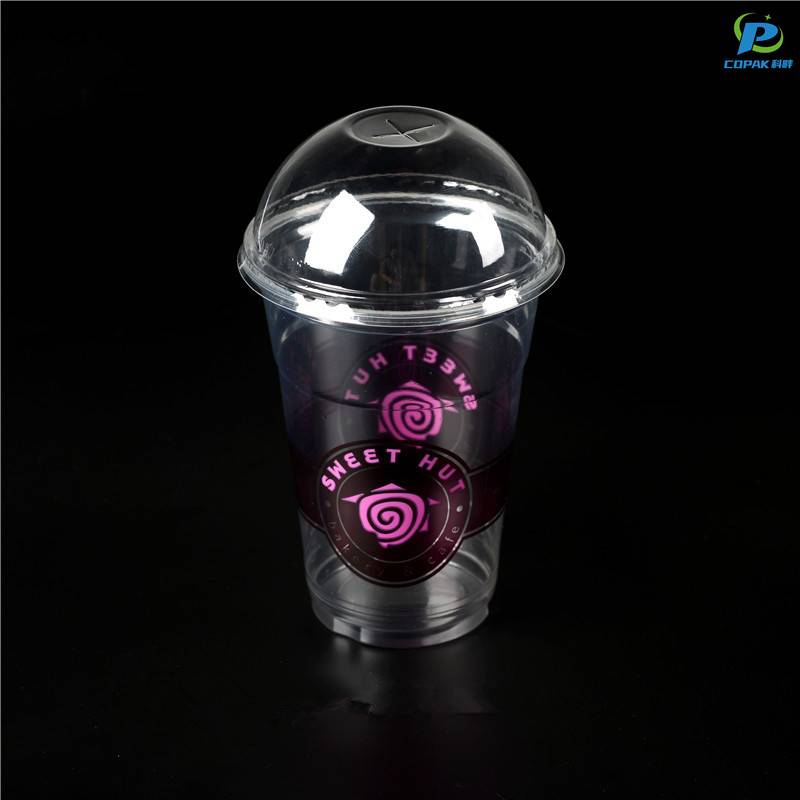
| Decoration & Labeling | Common Decoration Methods | Shrink-sleeve, pressure-sensitive label, direct printing | Shrink-sleeve gives full-body graphics; label choice affects recyclability |
Related Products
22oz 660ml empty ketchup Mustard Mayo Salad sauce squeeze bottle PET Sauce packing Plastic Bottles
Read More


200ml Plastic Juice Bottles Trusted by Pros Pioneers in the Field
Top Selling Products





- Related Blog
- Reviews
- Reviews
