



Eco Friendly Smoothie Cups - China Manufacturer for Global Markets
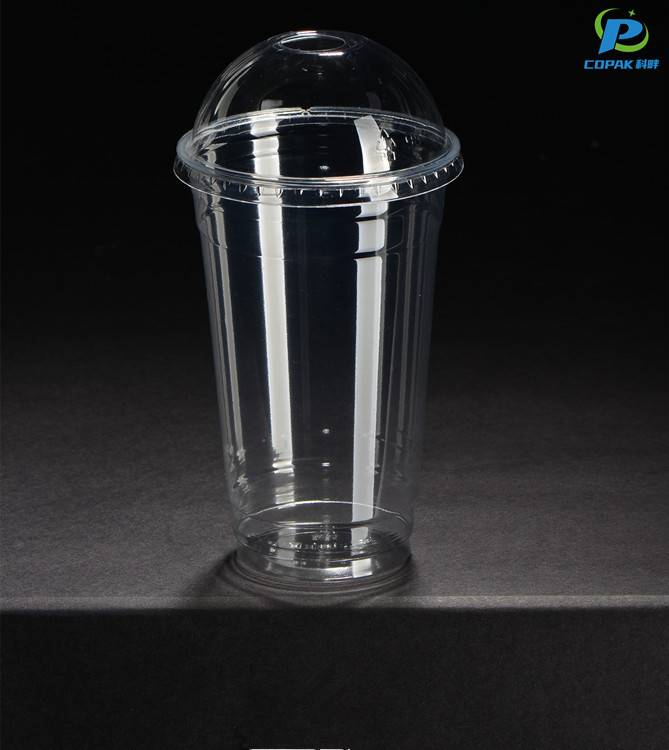
From a China based Manufacturer, I bring you Eco Friendly Smoothie Cups designed for cafés, retailers, and event organizers who care about the planet and their margins. We source food-grade materials, BPA-free and recyclable, with compostable options. Our cups come with leak-proof lids, light-weight yet sturdy walls, and stackable design to save space in shipping and on shelves. The printed decorations are food-safe inks; customization options include size, color, logo, and inner lining for cold beverages. We can meet your MOQs and lead times with predictable manufacturing in China, supported by ISO and SGS certifications. I know how important cost-per-serve is, so we offer competitive price breaks for large orders and quick turnarounds. If you need sustainable packaging that aligns with your brand, these Eco Friendly Smoothie Cups are ready to scale with your business. Let me know your target volumes and I'm ready to discuss OEM/ODM options and shipping terms.
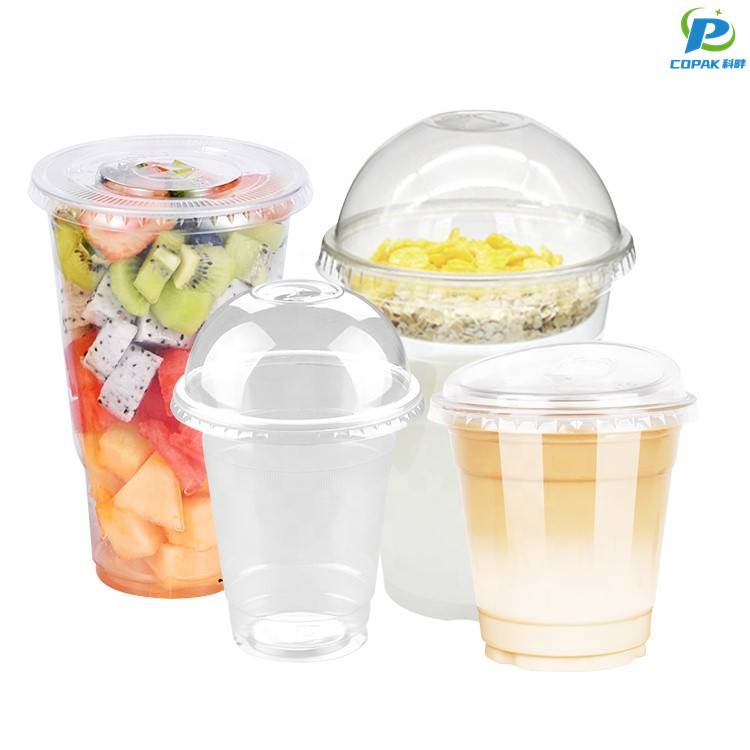

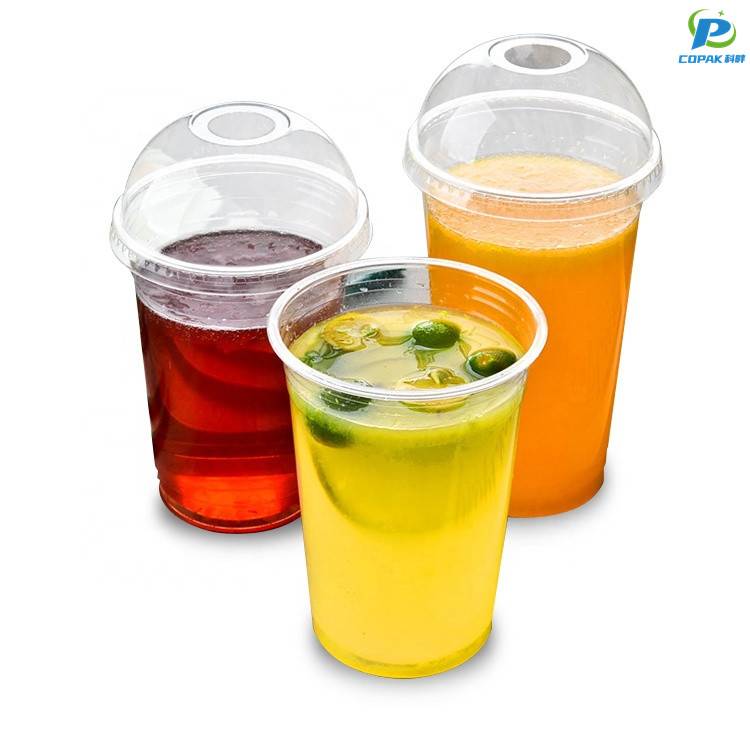
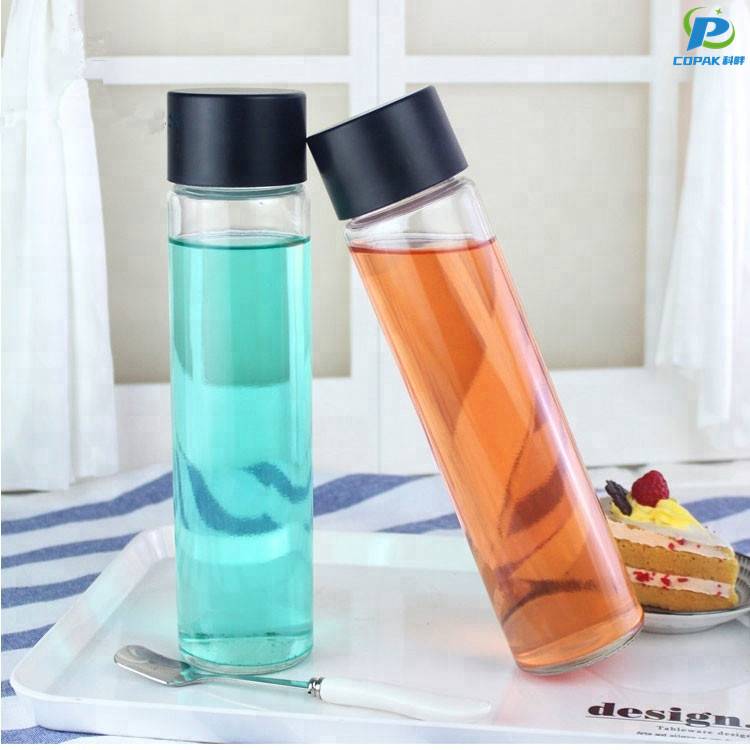
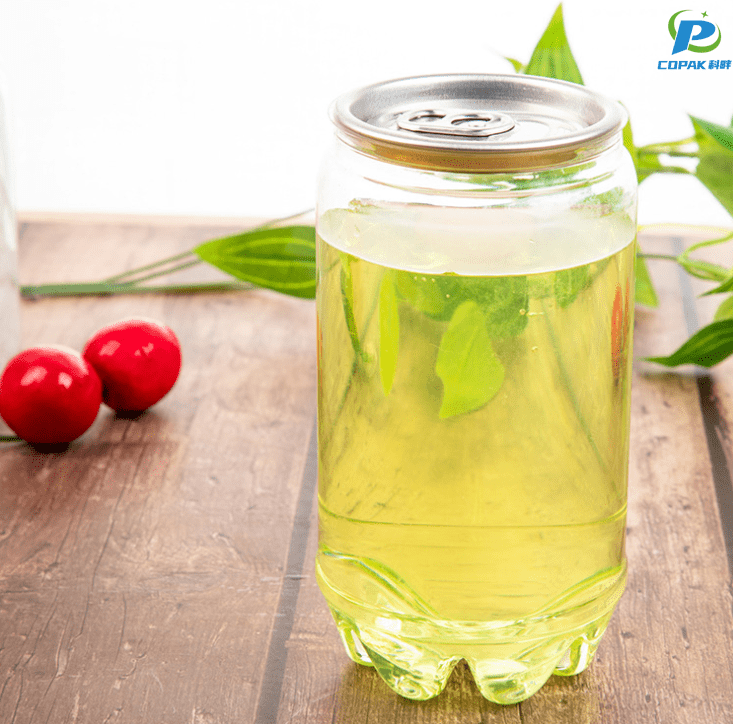
Eco Friendly Smoothie Cups Sets the Industry Standard Where Service Meets Innovation
Our eco-friendly smoothie cup sets a new industry standard where service meets innovation. Crafted from compostable PLA and other biodegradable materials, these cups deliver crystal-clear presentation, strong cold retention, and secure sealing for busy cafés and retail chains. Thoughtful features—double-wall insulation, anti-fog clarity, and compatibility with plant-based lids—help brands reduce plastic waste while preserving the premium customer experience. As a Shanghai-based manufacturer serving global buyers, we pair rapid prototyping and strict quality control (FDA, EU food-contact and compostability standards) with flexible OEM/ODM options and scalable production. Competitive pricing, low MOQs for pilots, reliable logistics, and proactive after-sales support make partnering simple—enabling retailers, foodservice groups, and exporters to bring sustainable, cost-effective beverage solutions to market faster.
| Model ID | Material | Capacity (ml / oz) | Certified Compostability | Recyclability (curbside) | Typical Biodegradation Time | Carbon Footprint (g CO2e / cup) | Avg Weight (g) | Heat Resistance (°C) | Leak Resistance (1-5) | Recommended Use Cases | Color Options | Production Process | Service & Innovation Notes |
|---|---|---|---|---|---|---|---|---|---|---|---|---|---|
| EC-SC01 | PLA (injection-molded) | 473 / 16 | ASTM D6400; OK Compost INDUSTRIAL | Not widely accepted (requires industrial composter) | Industrial ~90 days; Home >12 months | ~55 | 9 | ≤60 | 4 | Cold smoothies, shakes, to-go | Clear / Translucent | Injection molding from PLA resin | On-demand digital print for personalization; compatible lids |
| EC-SC02 | Paper with PLA lining | 355 / 12 | EN 13432 (industrial) | Generally not curbside due to PLA lining | Industrial ~90–180 days; Home >1 year | ~45 | 11 | ~50 | 3 | Cold smoothies, frozen desserts, samples | Kraft / White / Printed | Roll-fed forming with PLA coating | Rapid prototyping of seasonal graphics; low-waste runs |
| EC-SC03 | Bagasse (sugarcane fiber) | 400 / 13.5 | EN 13432 / BPI compatible (industrial & often home) | Not recyclable; compostable | Industrial 60–90 days; Home 90–180 days | ~30 | 14 | ~100 (suitable for hot & cold) | 4 | Hot/cold beverages, smoothie bowls, hearty servings | Natural beige | Thermoforming molded fiber | Bulk stamping customization; high-durability option |
| EC-SC04 | PLA-coated paperboard (stiff) | 250 / 8.5 | OK Compost INDUSTRIAL (select SKUs) | Mixed—depends on local facilities | Industrial 90–180 days; Home variable | ~40 | 8 | ~60 | 3 | Small smoothies, samples, portion cups | White / Printed | Die-cut forming with PLA lamination | Quick-turn custom labels; small-batch runs |
| EC-SC05 | CPLA (crystalline PLA) | 500 / 17 | ASTM D6400 (industrial) | Requires industrial composter | Industrial ~120 days; Home >1 year | ~65 | 12 | 90–110 | 4 | Thick smoothies, hot toppings, heated fillings | Translucent | Injection molding with crystallization step | Integrated tamper-evident lids; improved heat stability |
| EC-SC06 | Recycled paper pulp with water-based barrier | 300 / 10 | Varies; typically not formally certified | Often curbside recyclable if clean | Variable; ~6–12 months under composting | ~35 | 10 | ~70 | 3 | Cold smoothies, events, community programs | Recycled gray / White | Press-molded from recycled pulp | Low-carbon batch options via localized sourcing |
| EC-SC07 | PLA blended with PBAT | 400 / 13.5 | Some blends certified OK Compost HOME (select formulations) | Not recyclable; compostable where accepted | Home-certified blends 6–12 months; industrial faster | ~48 | 10 | ~75 | 4 | On-the-go cold beverages with extended barrier life | Clear / Tinted | Blown film lamination & thermoforming | Enhanced barrier layers for shelf-life; customizable sleeves |
| EC-SC08 | Hemp fiber composite | 420 / 14 | Biobased; compatible with industrial & home composting in many tests | Compostable; not recyclable | Home 90–180 days; industrial faster | ~28 | 13 | ~95 | 4 | Premium smoothies, sustainable cafés, premium bowls | Natural hemp tone | Compression molding from hemp pulp composite | Traceable region-level material sourcing; premium finish |
Related Products
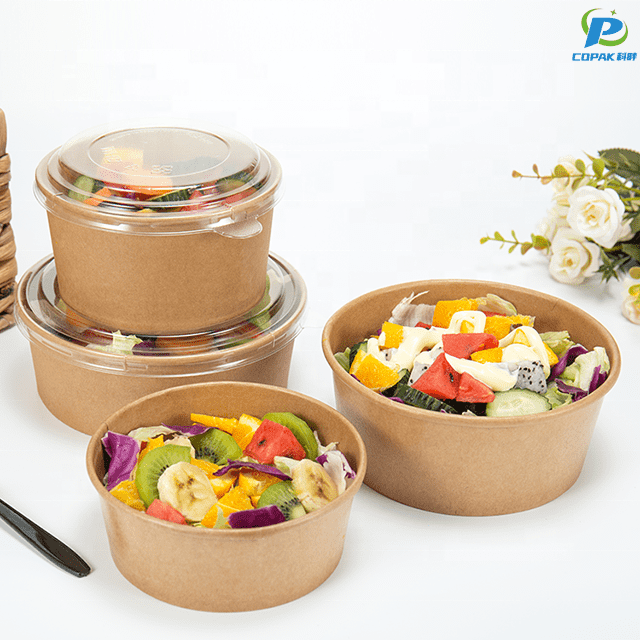
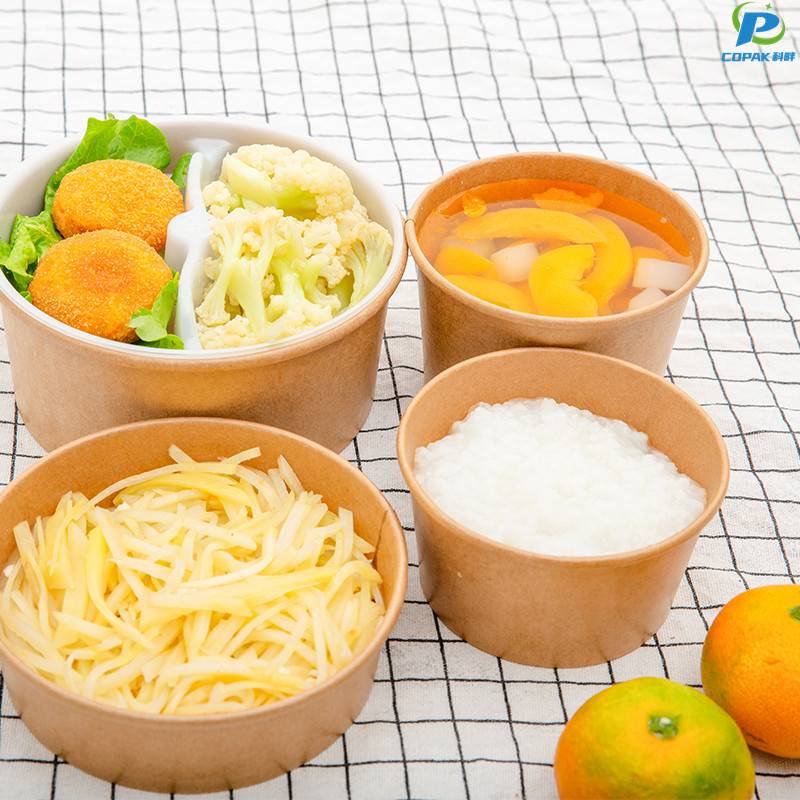



Eco Friendly Smoothie Cups Factory Outperforms the Competition
Top Selling Products



- Related Blog
- Reviews
- Reviews
