



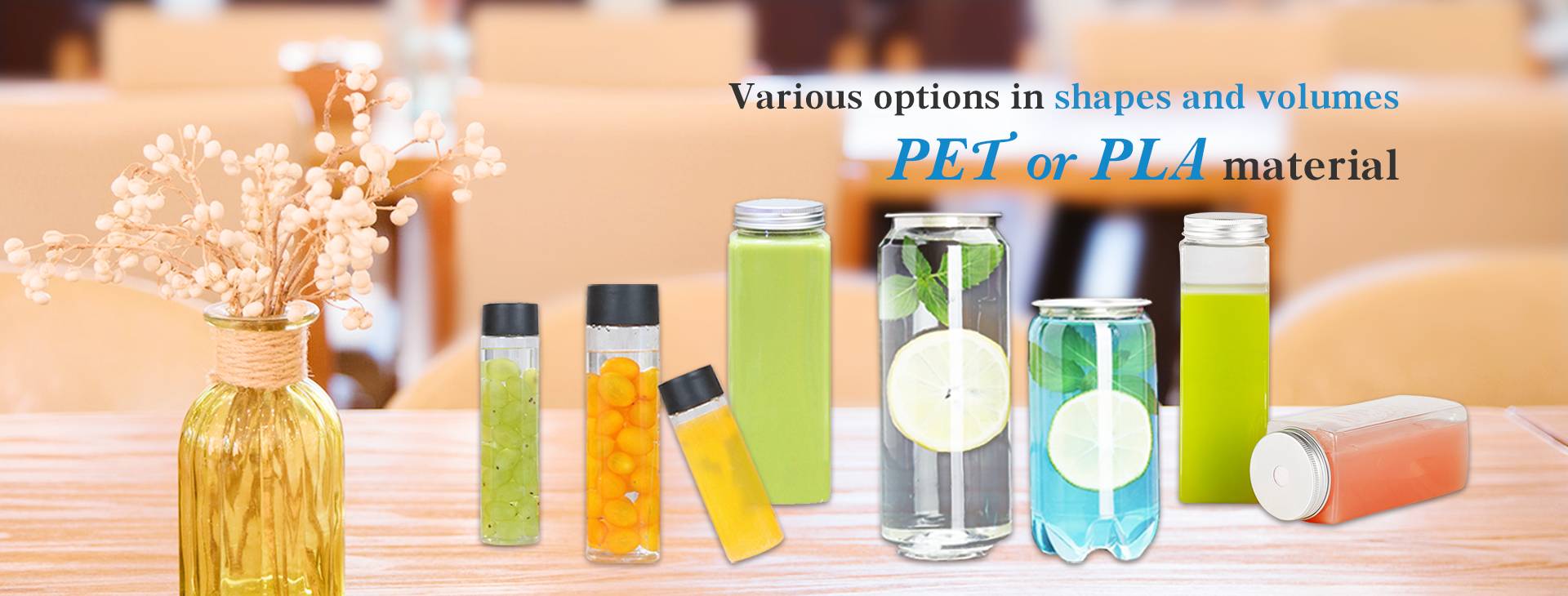
Iced Coffee Cup - China Manufacturer for Quality Beverage Cups
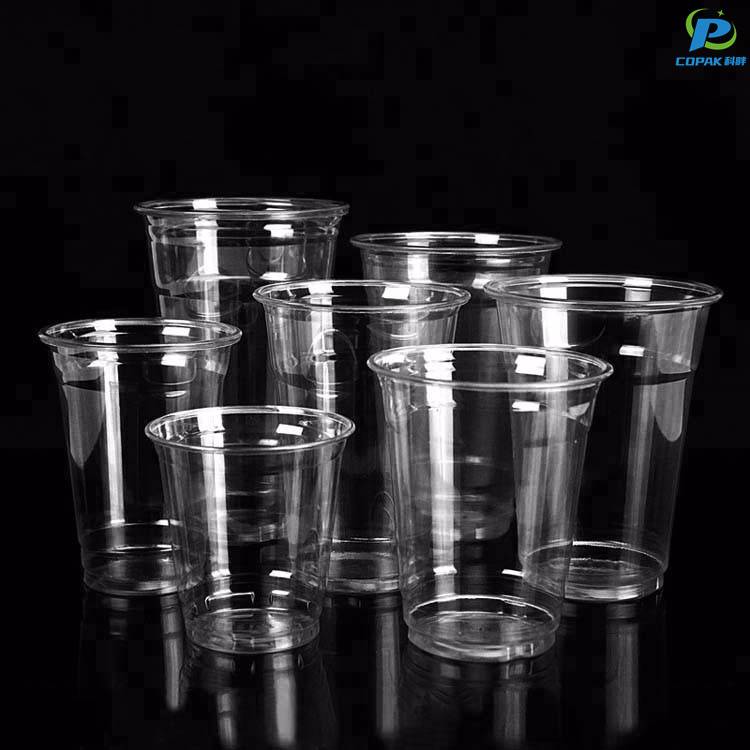
From our factory floor to your shelves, I deliver the dependable {Iced Coffee Cup} that keeps drinks cold and hands dry. As a {Manufacturer} in {China}, I know what buyers want—durable double-wall insulation, BPA-free materials, and secure lids that minimize spills. We offer ready-to-ship stock and flexible customization: logo emboss, colors, sizes, and eco-friendly packaging under the company detail {}. I provide competitive MOQs, fast lead times, and certifications (FDA, LFGB) to support retail or food-service programs. Whether you need private labeling or ODM designs, I work with you to match your brand and demand. Packaging options include recyclable sleeves and optimized cartons for efficient shipping. For distributors and chain stores, my production and delivery reliability keeps your supply on track. {Iced Coffee Cup} is built for daily use and seasonal spikes—let's discuss your next order.


Iced Coffee Cup Industry Giant Delivers Unmatched Quality
As an iced coffee cup industry giant, our Shanghai-based manufacturing and R&D teams deliver unmatched quality that global buyers rely on. We combine premium, food-grade materials with precision tooling and strict process control to produce cups that keep beverages cold longer, resist condensation, and maintain clarity and strength for premium presentation. Every batch undergoes comprehensive quality checks to ensure consistency and safety for international markets. We offer flexible OEM/ODM solutions, eco-friendly material options, and tailored printing and packaging to meet brand needs. With high-volume production capability, streamlined logistics and responsive global customer service, we make scaling your iced beverage program simple and reliable—on time, on spec, and with competitive pricing.
| Cup Type | Typical Wall Thickness (mm) | Average Weight (g) — 16 oz / ≈473 ml | Capacity (ml) | Material Composition (%) | Recycled Content (%) | Compostable | Typical CO2e per Cup (g) | Production Countries | Food Safety / Regulatory Compliance | Customer Satisfaction (out of 5) | Typical Use Case |
|---|---|---|---|---|---|---|---|---|---|---|---|
| PET Clear Cold Cup | 0.28 | 12 | 473 | PET 100% | 30% | No | 65 | China, Vietnam | FDA 21 CFR 177; EU 1935/2004 | 4.3 | Cold beverages, iced coffee; clear presentation |
| PP Cold Cup (opaque) | 0.35 | 14 | 473 | PP 100% | 20% | No | 70 | USA, Mexico, India | FDA 21 CFR 177; EU / EN 1186 | 4.0 | Durable cold drinks, blended iced beverages |
| Paper Cup with PLA Lining | 0.32 | 20 | 473 | Paper 95% / PLA lining 5% | 10% | Industrial Compostable | 120 | Germany, USA, China | EN 13432; FDA; EU 1935/2004 | 3.9 | Cold drinks where industrial composting is available |
| Sugarcane Bagasse Cold Cup | 0.60 | 25 | 450 | Bagasse fiber 100% | 0% | Home & Industrial | 90 | Brazil, India | EN 13432; FDA food contact guidance | 4.1 | Eco-focused cafés, events, composting streams |
| Recycled PET Cup (rPET) | 0.28 | 13 | 473 | rPET 100% | 100% | No | 40 | USA, EU | FDA; EU 10/2011 | 4.4 | Sustainable cold cup option with circular material |
Related Products
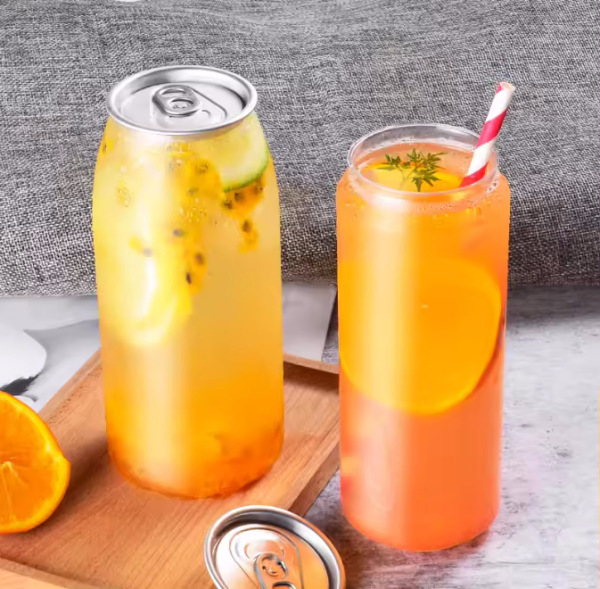


Iced Coffee Cup Manufacturer Sets the Industry Standard
Top Selling Products






- Related Blog
- Reviews
- Reviews
