



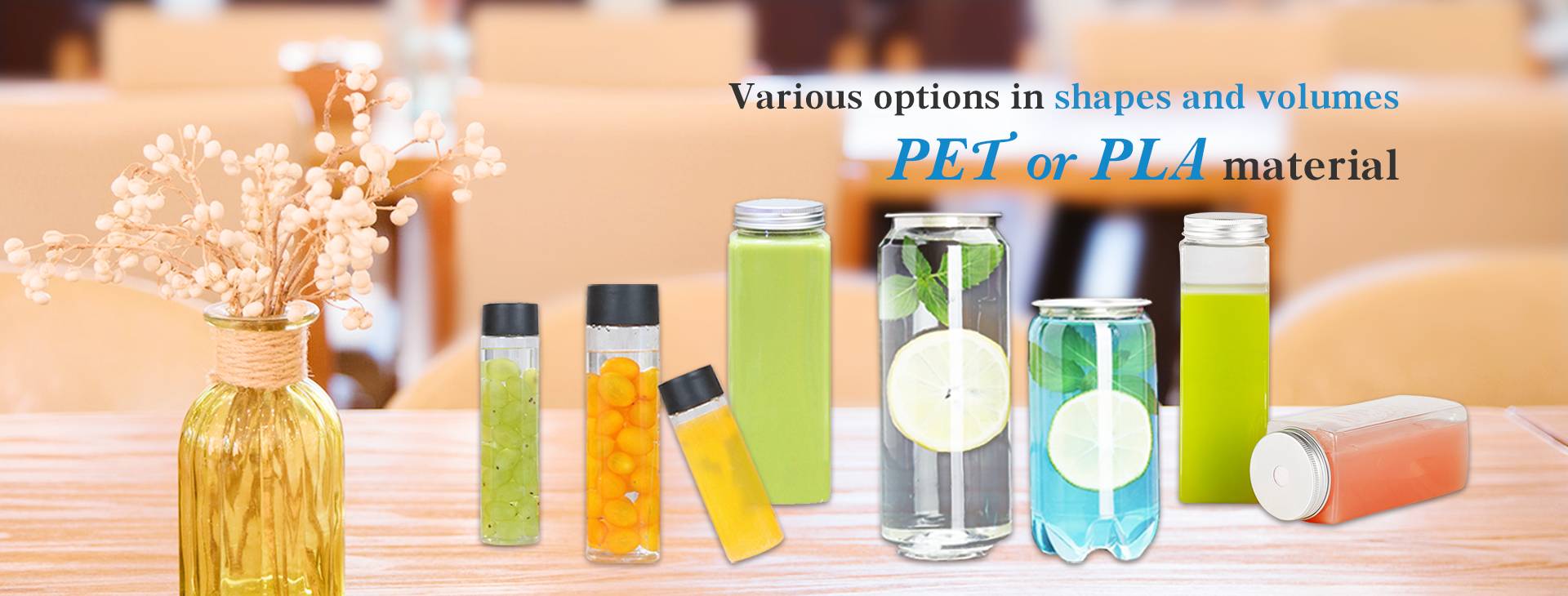
Juice Disposable Cups - China Manufacturer for Restaurants & Events
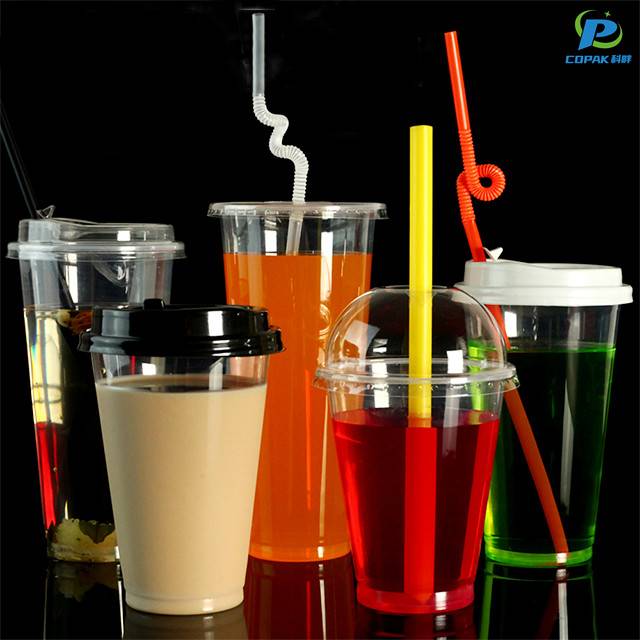
I’m a China-based Manufacturer delivering reliable Juice Disposable Cups for juice bars, distributors, and event caterers. Our cups combine clarity, stiffness, and leak resistance to keep beverages fresh from the first pour to last sip. I offer a range of sizes and customizable printing, so your brand stands out in wholesale orders. Made from food-grade materials, these cups meet FDA standards and are recyclable where facilities exist. With short production times and scalable MOQs, I can fulfill large B2B orders without tying up your lines. We accommodate private labeling, logo embossing, and color options to match your campaigns. Trusted by cafes, hotels, and mobile vendors, our shipments in China reach global markets quickly, with reliable logistics. If you’re scouting a steady supply of dependable Juice Disposable Cups, I’m ready to discuss specs, pricing, and lead times.


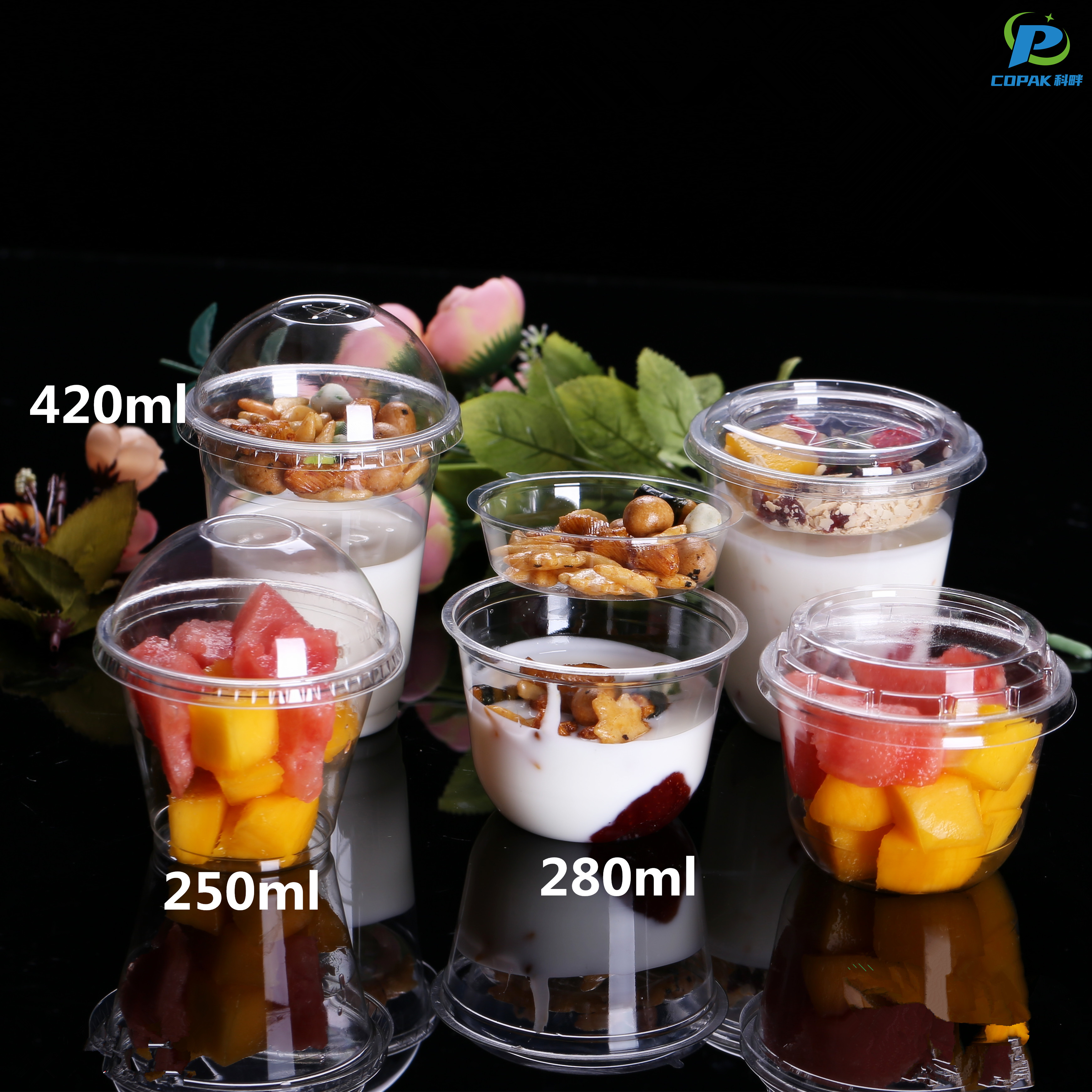
Juice Disposable Cups Stands Out Sets the Industry Standard
Juice disposable cups now set the industry standard by combining clarity, strength and food-safe performance. Crafted from premium food-grade materials with tight-fitting lids and optional compostable or recyclable constructions, these cups preserve cold-drink integrity, resist leaks and present beverages attractively. Multiple sizes, double-wall or insulated options, and vibrant customizable printing let brands stand out while meeting international safety and material regulations. Global buyers will value reliable production capacity, rigorous quality control and flexible OEM/ODM solutions that support retail, hospitality and event needs. Certified compliance, batch testing and sustainable packaging options ensure predictable delivery and lower environmental impact—samples and technical documentation are available to help you quickly evaluate fit for your markets.
| Cup variant | Material / lining | Capacity (oz / ml) | Avg weight (g) | Wall thickness (µm) | Max service temp (°C) | Leak resistance (1-5) | Industrial compostable | Recyclability | Typical lifecycle CO2e (g / cup) | Food-contact compliance | Notes |
|---|---|---|---|---|---|---|---|---|---|---|---|
| 8 oz Paper (PE-lined) | Virgin paperboard with polyethylene (PE) inner lining | 8 oz / 237 ml | ~7.5 g | ~200–250 µm | <= 80 °C | 4 | No — PE lining prevents industrial composting | Limited — widely recyclable only with specialized separation; curbside recycling often not accepted | ~25–40 g CO2e | Compliant with applicable food-contact regulations (e.g., accepted food-contact polymers) | Good for cold and warm juices; widely used legacy format; best recycled where lining separation exists. |
| 12 oz Bagasse (sugarcane fiber) | Molded sugarcane fiber (bagasse), uncoated or slight food-safe surface treatment | 12 oz / 355 ml | ~18 g | ~600–900 µm | <= 120 °C | 5 | Yes — readily accepted by industrial composting (EN 13432 / ASTM D6400 standards commonly used as benchmarks) | Not recyclable in conventional streams; designed for industrial composting | ~15–30 g CO2e | Formulated for food contact safety; suitable for acidic or pulpy juices | Stable for hot and cold applications; typically composts within 8–12 weeks in industrial facilities. |
| 16 oz PLA-lined (compostable) | Paperboard with polylactic acid (PLA) lining or fully PLA-constituted wall | 16 oz / 473 ml | ~12 g | ~250–350 µm | <= 60–65 °C (PLA softening point) | 4 | Yes — industrial compostable when certified to standards such as EN 13432 / ASTM D6400 | Not widely recyclable in current municipal systems; recycling streams for PLA are limited | ~20–30 g CO2e | Designed for cold drinks and chilled juices; warm liquids near PLA softening are not recommended | Balanced performance for barrier and compostability; requires industrial composting facilities for full degradation. |
| Common performance benchmarks | — | — | — | Typical barrier range: 150–900 µm depending on material | Cold-suitable: all variants; hot-suitable varies by lining | Leak-resistance testing usually done with simulated agitation and tipping tests | Industrial composting times typically 8–12 weeks under controlled conditions | Recycling availability varies regionally; local guidelines recommended | LCA values vary by feedstock and manufacturing; provided ranges are industry-typical | All variants intended for direct food contact where specified | Selection should consider end-of-life infrastructure (recycling vs composting) |
Related Products


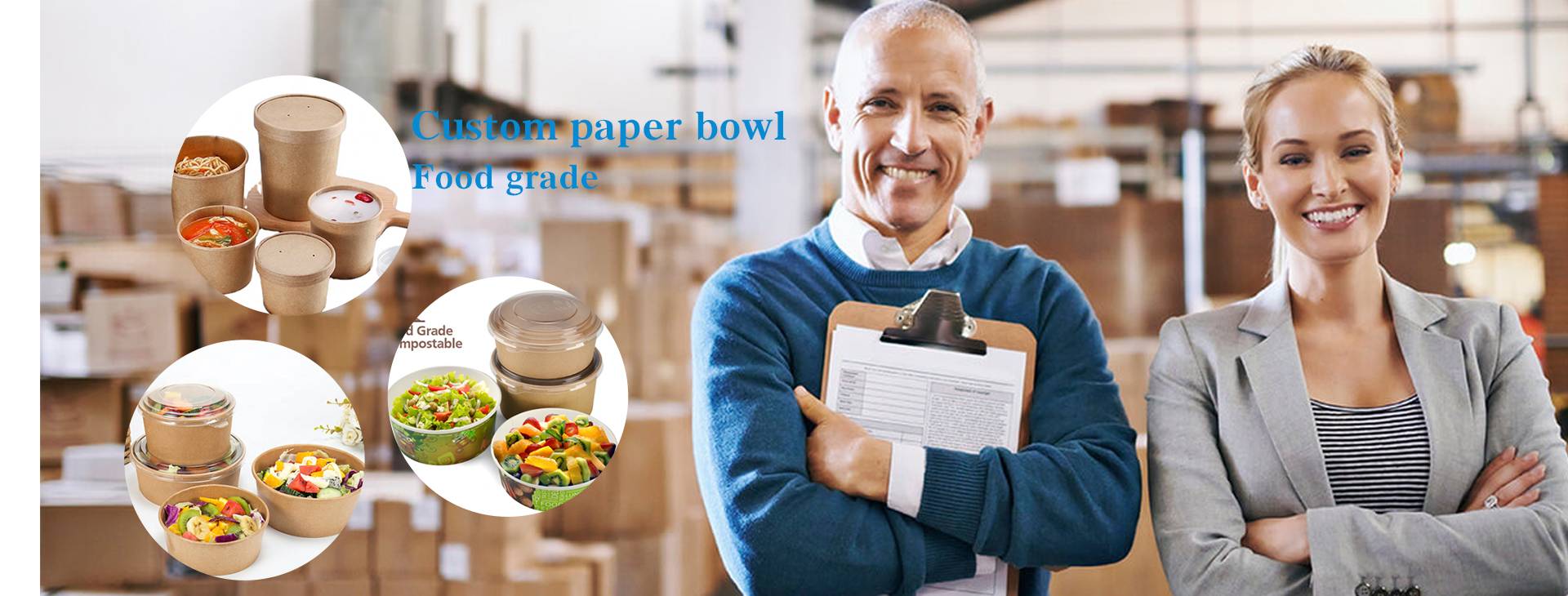
Juice Disposable Cups Stands Out in 2025
Top Selling Products





- Related Blog
- Reviews
- Reviews
