PET Bottles

PET Square Bottle - China Manufacturer for Packaging Solutions

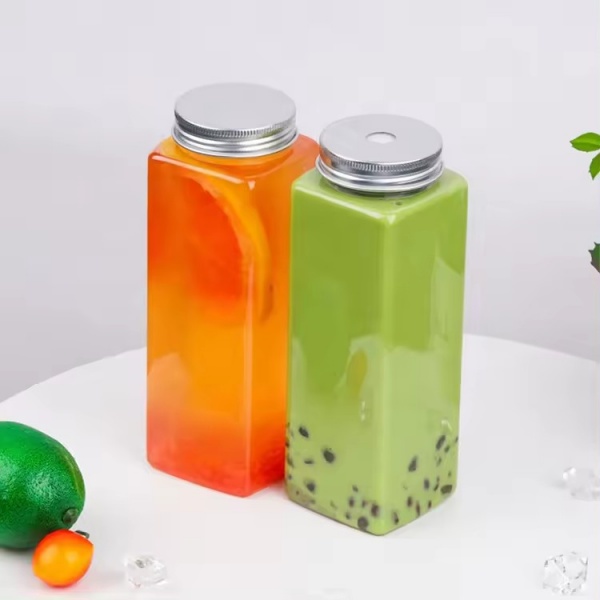
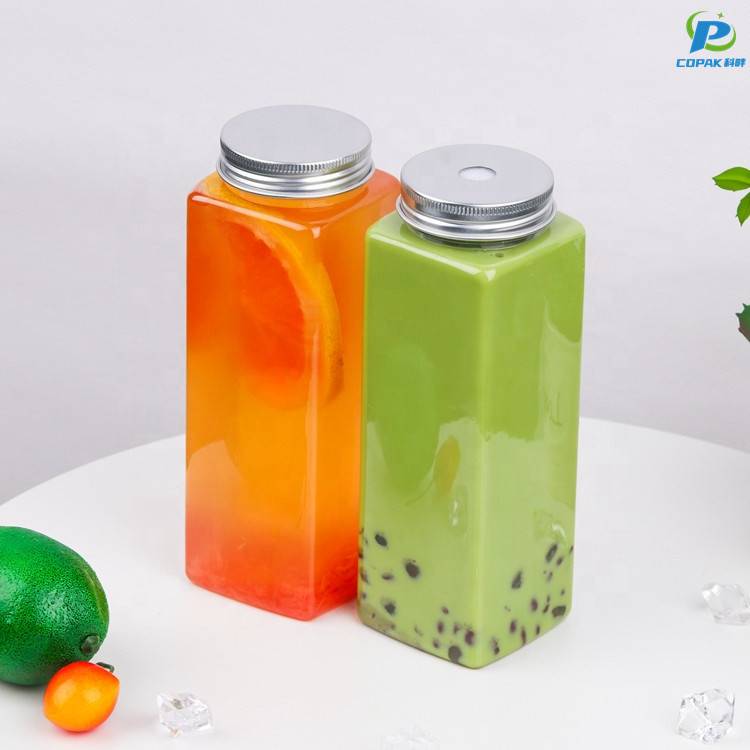
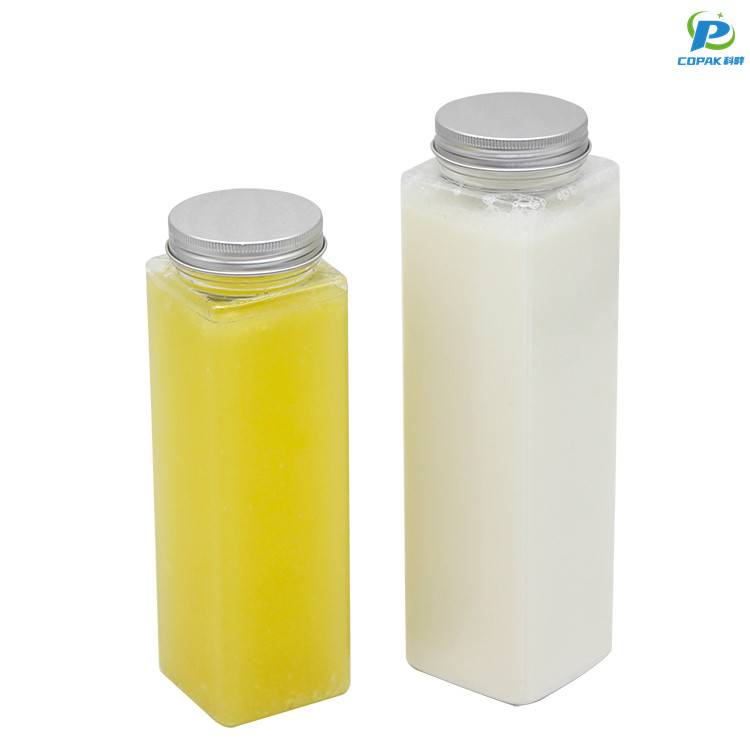
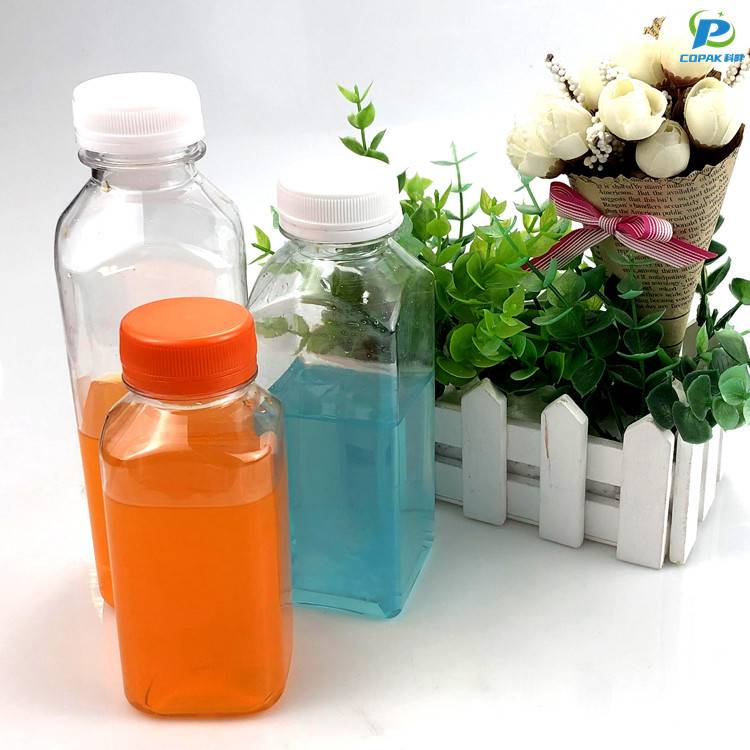
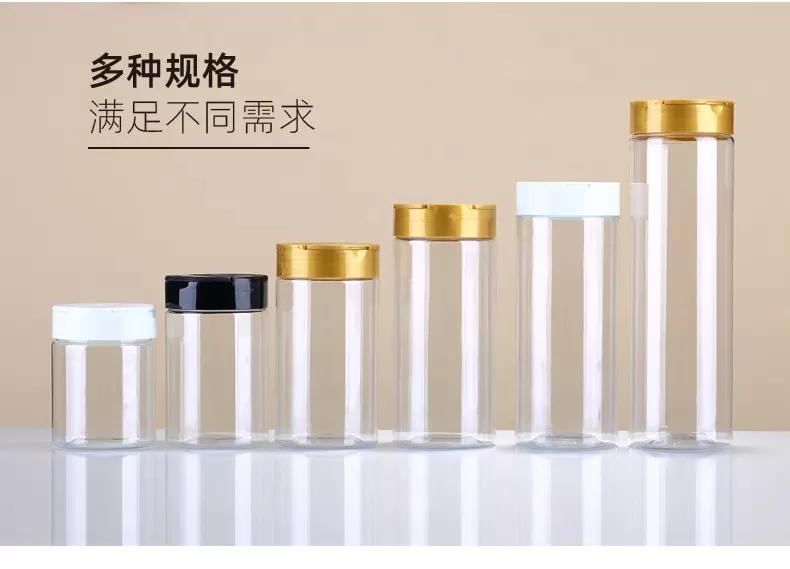
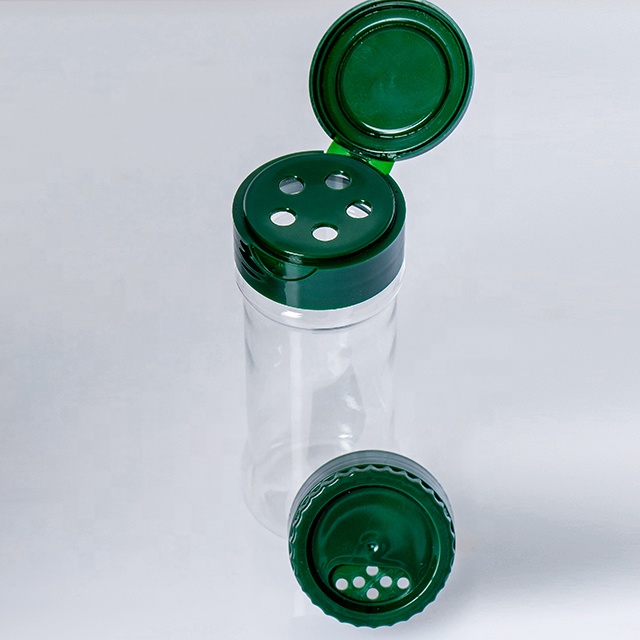
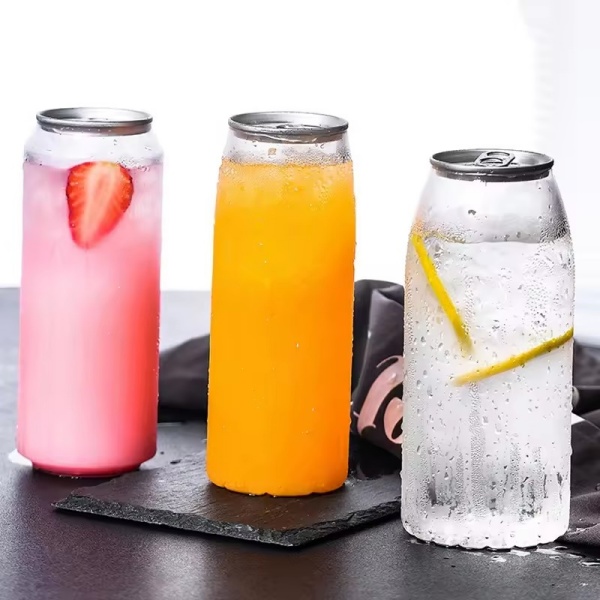
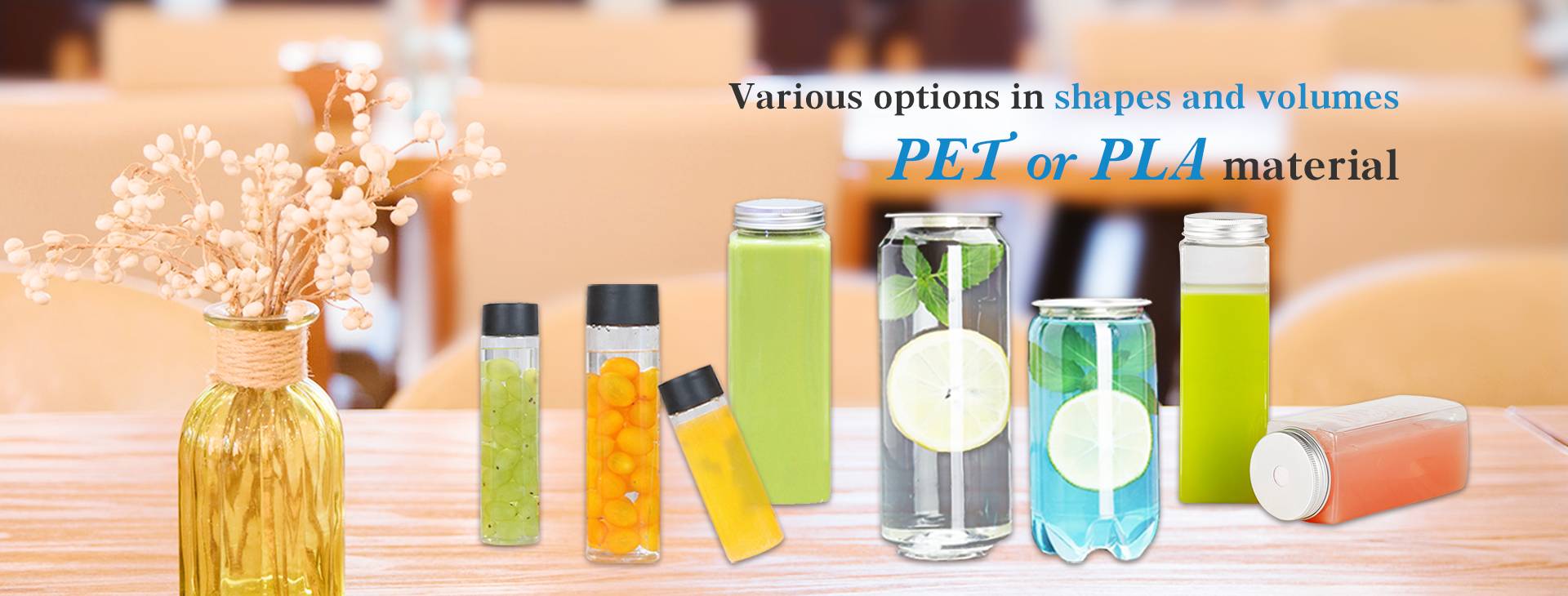
From my own workshop in {China}, I deliver reliable PET Square Bottle solutions for cosmetics, personal care, and household chemicals. I am a {Manufacturer} who understands bulk needs, fast lead times, and consistent quality. The PET Square Bottle is lightweight, shatter-resistant, and crystal clear, with a square footprint that saves space on shelves and in pallets. It comes with various neck finishes and cap options, including child-resistant and spray/foam dispensers, and tamper-evident bands for safety. I can customize sizes, volumes, printing, and labeling to fit your brand. The bottle works seamlessly with automated filling lines, has good chemical resistance, and is fully recyclable. In {China} we source top-grade PET resin and maintain strict QC at every stage. If you are seeking steady supply, competitive pricing, and reliable shipping, I am your partner. Contact me to discuss your PET Square Bottle project and volume discounts.
Hot Selling Product

PET Square Bottle Trusted by Pros Where Innovation Meets 2025

The PET square bottle trusted by pros is engineered for 2025 needs — combining ergonomic square geometry for efficient packing and shelf impact with advanced PET formulations that are lightweight, shatter-resistant and fully recyclable. Optimized wall profiles and integrated barrier options extend product shelf life while reducing material use; the result is lower logistics cost, higher fill efficiency and standout retail presence across food, beverage, personal care and industrial segments. Available with flexible neck finishes, closure compatibility, custom colors, surface treatments and labeling solutions, these bottles support rapid prototyping, scalable production and global compliance with FDA, EU and ISO standards. With options for rPET/PCR content and carbon-aware manufacturing, they help buyers meet sustainability targets without compromising performance. For procurement teams seeking dependable supply, precision quality control and reliable lead times, this PET square format is a future-ready packaging choice.

{ PET Square Bottle Trusted by Pros Where Innovation Meets 2025}
Attribute 250 ml 500 ml 750 ml 1000 ml
Material Polyethylene terephthalate (PET) Polyethylene terephthalate (PET) Polyethylene terephthalate (PET) Polyethylene terephthalate (PET)
Resin / Recycling Code PET — Resin ID 1 (rPET compatible) PET — Resin ID 1 (rPET compatible) PET — Resin ID 1 (rPET compatible) PET — Resin ID 1 (rPET compatible)
Typical outer dimensions (W × D × H, mm) 48 × 48 × 110 mm 60 × 60 × 165 mm 70 × 70 × 200 mm 78 × 78 × 220 mm
Typical empty weight (g) ≈ 9–12 g ≈ 14–18 g ≈ 18–24 g ≈ 22–28 g
Wall thickness (typical) ~0.30–0.40 mm ~0.35–0.45 mm ~0.40–0.50 mm ~0.45–0.60 mm
Neck finish (common options) 24-410 / 20-410 28-410 / 24-410 28-410 / 33-400 38-400 / 33-400
Oxygen transmission rate (typical) Approximately 2–10 cc/m²·day (23°C, 0% RH) Approximately 2–10 cc/m²·day (23°C, 0% RH) Approximately 2–10 cc/m²·day (23°C, 0% RH) Approximately 2–10 cc/m²·day (23°C, 0% RH)
Water vapor transmission (WVTR) ~0.5–3 g/m²·day (typical) ~0.5–3 g/m²·day (typical) ~0.5–3 g/m²·day (typical) ~0.5–3 g/m²·day (typical)
Barrier-enhanced options Multi-layer (EVOH or coated) or metallized PET available — can reduce OTR by >90% depending on construction; suitable for oxygen-sensitive liquids and extended shelf life applications.
Recommended fill temperature Standard PET: up to 60°C; heat-set PET: up to 85°C (short periods) Standard PET: up to 60°C; heat-set PET: up to 85°C (short periods) Standard PET: up to 60°C; heat-set PET: up to 85°C (short periods) Standard PET: up to 60°C; heat-set PET: up to 85°C (short periods)
Thermal & handling notes PET has a glass transition around 70–80°C; avoid prolonged exposure above recommended fill temps. Not intended for conventional autoclave sterilization without specialized treatment.
Manufacturing tolerances Dimensional tolerance typically ±2 mm; weight tolerance ±1–3 g depending on capacity; neck finish tolerance ±0.3–0.5 mm (industry standard practices).
Certifications & compliance (typical) Commonly available with compliance for food contact (e.g., FDA food contact recognition), EU food contact regulation (e.g., 10/2011 frameworks), and ISO quality management (ISO 9001) traceable documentation depending on manufacturer processes.
Common applications Still beverages, juices, water, personal care (shampoo, lotions), household cleaners, condiments, and industrial liquids where a square footprint and efficient packing are desired.
Color & finish options Clear, natural (slightly amber-free), custom tints, opaque (via pigment), frosted or coated finishes; printing, labeling and sleeves compatible.
Sustainability notes 100% recyclable where local streams accept PET (Resin ID 1). Compatible with rPET content and lightweighting strategies to reduce material use and transport emissions.
Additional design considerations Square cross-section increases pallet efficiency; consider corner radii for pressure resistance, label area for branding, and closure torque specifications for leakage performance.
Note: Values are representative of common PET square bottle constructions and intended for general specification guidance. Actual properties depend on specific design, wall-profile, processing and post-treatment.

Related Products

PET Cups

PET Square Bottle Your Trusted OEM Partner Factory-Direct Excellence

Monthly PET Square Bottle Output and Yield Rate (12 Months)

This chart presents a dual-metric line visualization across a one-year period: monthly production output (units) and production yield rate (percentage). The primary metric, monthly output, is plotted on the left y-axis and reflects total manufactured square PET bottles per month. The secondary metric, yield rate, is plotted on the right y-axis as a percentage indicating the proportion of units meeting quality standards after inspection. Tracking both metrics together helps manufacturing managers identify correlations between volume changes and quality performance. Over the twelve months, the production output shows a steady increase from 52,000 units in January to a peak of 118,000 units in December, with moderate dips in April and September that align with scheduled maintenance and material supply adjustments. The yield rate remains high across the year, fluctuating between 92.5% and 98.2%. Notably, yield rate shows slight improvement as throughput increases, suggesting effective process controls and scaling practices were implemented, though occasional dips to 92.5% correspond with the April maintenance period. Key insights include: (1) capacity scaling can be achieved without compromising quality when incremental process optimizations are applied; (2) schedule maintenance during predicted low-demand windows to minimize impact on total output; and (3) close monitoring of supply variability is important to prevent transient quality declines. For operations teams, combining output and yield rate on a single time-series chart enables rapid detection of anomalies where quantity increases might trade off with quality, or where quality declines precede volume reductions. Future analysis could overlay additional dimensions, such as downtime hours, raw material batch changes, or operator shifts, to further isolate root causes of yield variance. This visualization functions as a concise performance dashboard for production and quality stakeholders. Regularly updating this chart with real-time metrics supports continuous improvement cycles and faster decision-making across cross-functional production teams to accelerate corrective action promptly.

Top Selling Products

Subscribe To Our Newsletter

For inquiries about our products or pricelist, please leave your email to us and we will be in touch within 24 hours.

Follow Us

on our social media
  • whatsapp (1)
  • instagram
  • youtube