



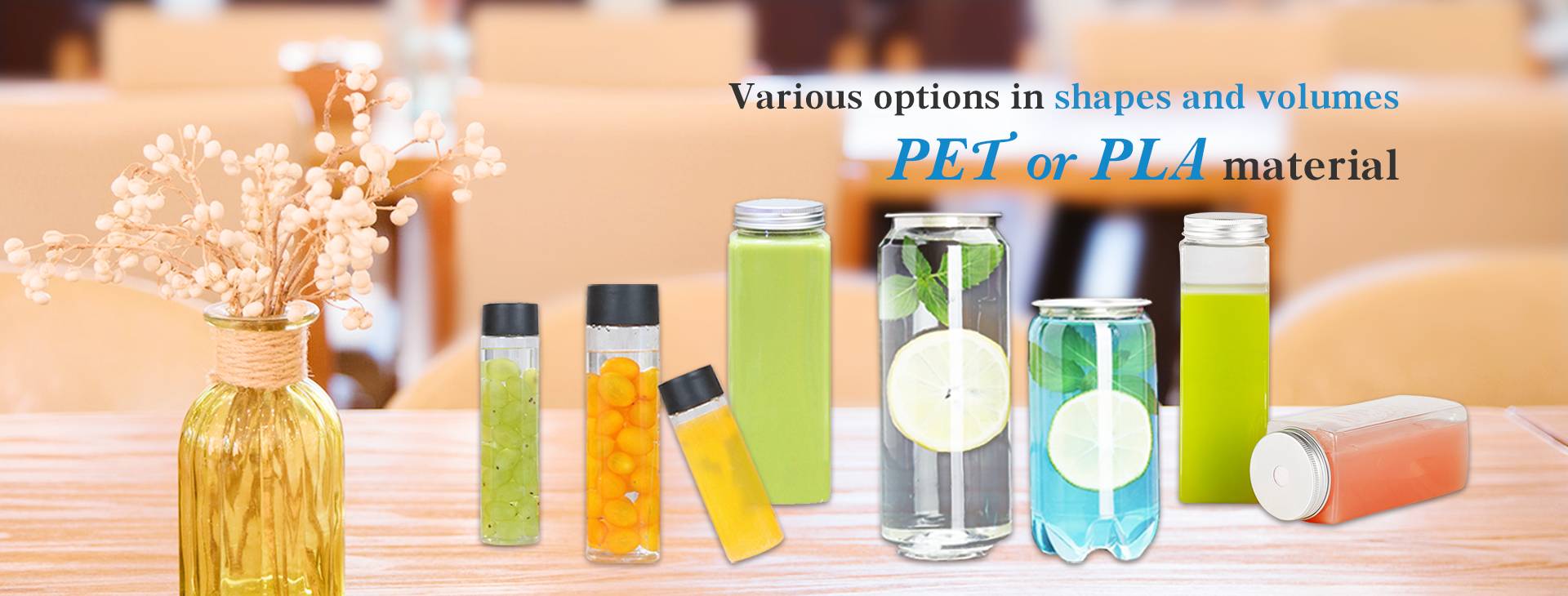
Square PET Bottles - China Manufacturer for Packaging Solutions
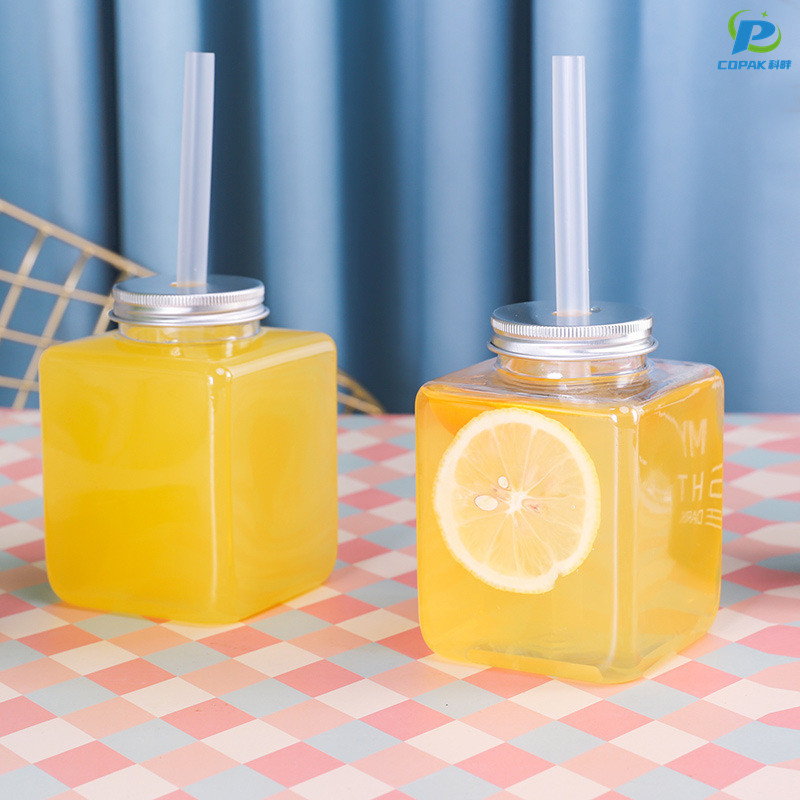
From a China-based Manufacturer, I offer Square PET Bottles that fit the needs of beverage, cosmetic, and chemical packaging. These bottles are lightweight, sturdy, and stackable, with square shapes that maximize space on shelves and in shipping. The PET material is food-grade, BPA-free, and compliant with international standards, ensuring safety in China and overseas markets. I customize neck finishes, volumes, and printing to align with your branding. Fast lead times, competitive MOQs, and reliable quality control make this ideal for B2B purchases. If you want to improve supply chain reliability, these Square PET Bottles cut waste and simplify storage. I’ve worked with buyers who seek consistent performance, clear labeling, and efficient downstream filling lines. Contact me to discuss your requirements, and I’ll tailor a package that suits your product line—and I’ll ship promptly to China and beyond.
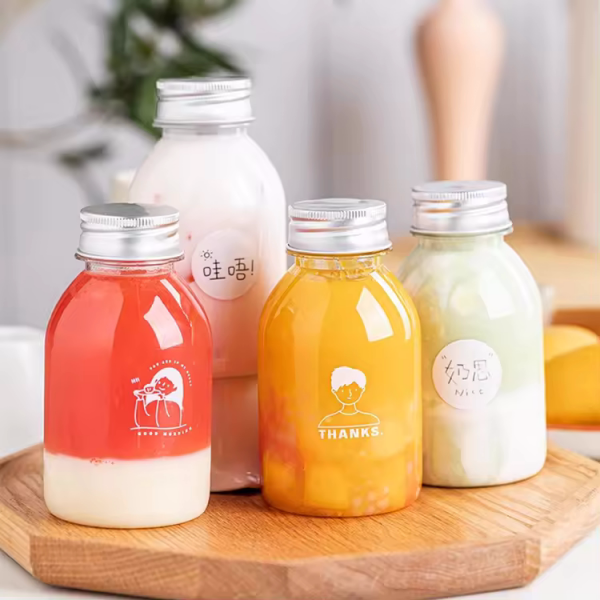
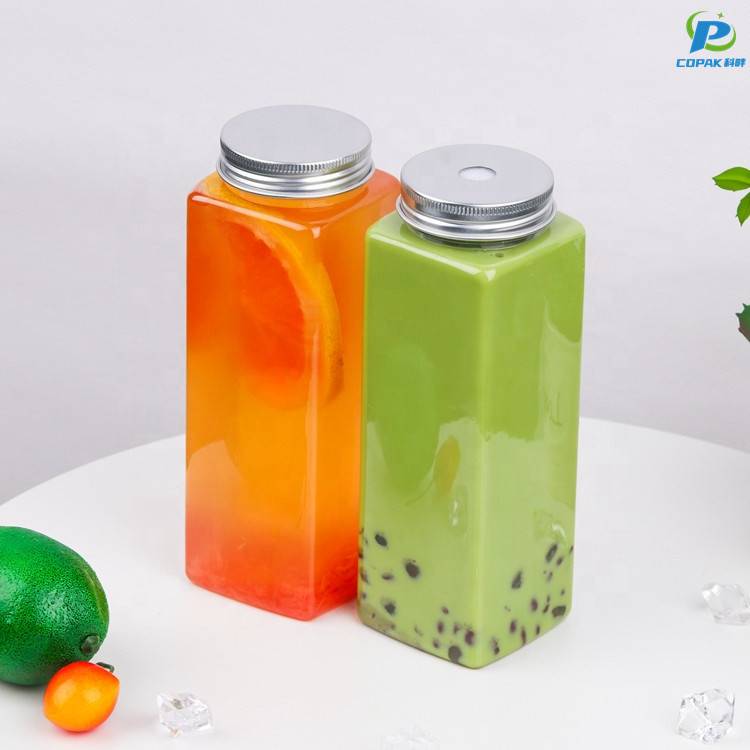


Square PET Bottles Now Trending Your End-to-End Solution
Square PET bottles are rapidly becoming the packaging choice for global brands seeking shelf impact, space efficiency, and sustainability. Their clean lines maximize pallet and shelf density, reduce transit costs, and provide a distinctive canvas for labels, IML, or custom colors. Lightweight yet durable and fully recyclable, square PET delivers consumer appeal across beverages, cosmetics, and household products while supporting circular packaging goals. An end-to-end solution covers concept and mold design, precision stretch-blow production, decoration options, fit-for-line neck finishes, strict quality control, and scalable logistics to meet regional compliance and lead-time demands. From prototyping and low-volume sampling to large-scale supply and coordinated filling/capping compatibility, this integrated approach helps buyers reduce complexity, control costs, and accelerate time to market—transforming a trending bottle shape into measurable business value.
| Attribute | Details | Typical Range / Examples | Units | Test / Notes |
|---|---|---|---|---|
| Material | Polyethylene terephthalate (PET), food-contact grade | Mono-PET (single polymer) | — | Suitable for beverage and food packaging when processed to regulatory standards |
| Recycle code | PET resin identification | 1 | — | Widely accepted in curbside and industrial collection streams |
| Density | Material density (solid PET) | 1.37–1.40 | g/cm³ | Measured per ASTM D792 (typical range) |
| Common capacities | Market-standard sizes for square PET bottles | 250, 330, 500, 750, 1000, 1500, 2000 | ml | Square shapes chosen for shelf efficiency and pack stability |
| Wall thickness | Average finished body wall thickness (varies by design) | 0.30–0.90 | mm | Thicker sections for larger volumes or carbonated designs |
| Neck finishes | Common external thread/closure diameters | 24, 28, 38 | mm | Selection based on closure type and dispense needs |
| Empty weight (examples) | Typical mass of an empty square PET bottle | 250ml: 10–18; 500ml: 18–28; 1000ml: 30–45; 2000ml: 60–90 | g | Depends on wall design, base structure and lightweighting choices |
| Manufacturing | Primary forming method | Injection stretch blow molding (ISBM) | — | Common industrial process for consistent geometry and clarity |
| Oxygen transmission rate (OTR) | Barrier performance of standard PET | 1–10 | cc/m²·day | Measured at 23°C; varies with thickness and coatings (typical values) |
| Pressure rating (carbonation) | Design pressure capacity for carbonated liquids | 1–3 | bar | Final rating depends on geometry, wall thickness and base design |
| Fill temperature | Compatibility with hot-fill and cold-fill processes | Cold-fill; hot-fill up to ~85 | °C | Hot-fill requires specific preforms and heat-set treatment |
| Color & appearance | Aesthetic and light-protection options | Clear, natural, tinted, opaque | — | Tinting affects recyclability sorting if pigments are heavy |
| Decoration / Labeling | Typical surface treatments and label technologies | Shrink sleeve, pressure-sensitive, digital direct print | — | Decoration choice influences shelf impact and recycling stream separation |
| Typical applications | Common use cases for square PET bottles | Water, juices, sauces, condiments, personal care, household liquids | — | Square format favored for shelf efficiency and stacking |
| Sustainability notes | End-of-life and eco design considerations | Mono-PET; lightweighting; recycled content feasible | — | Actual recyclability depends on local collection and washing processes |
Related Products
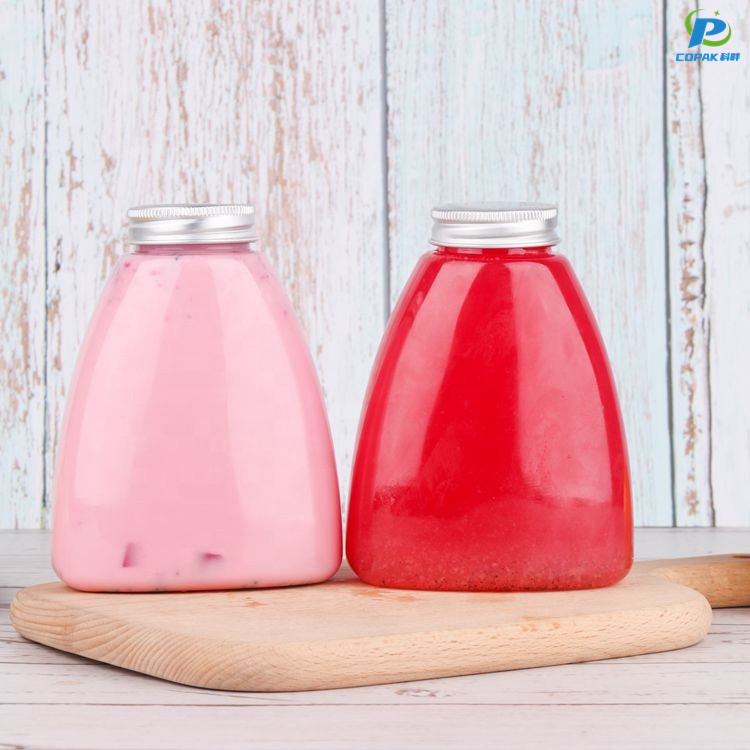

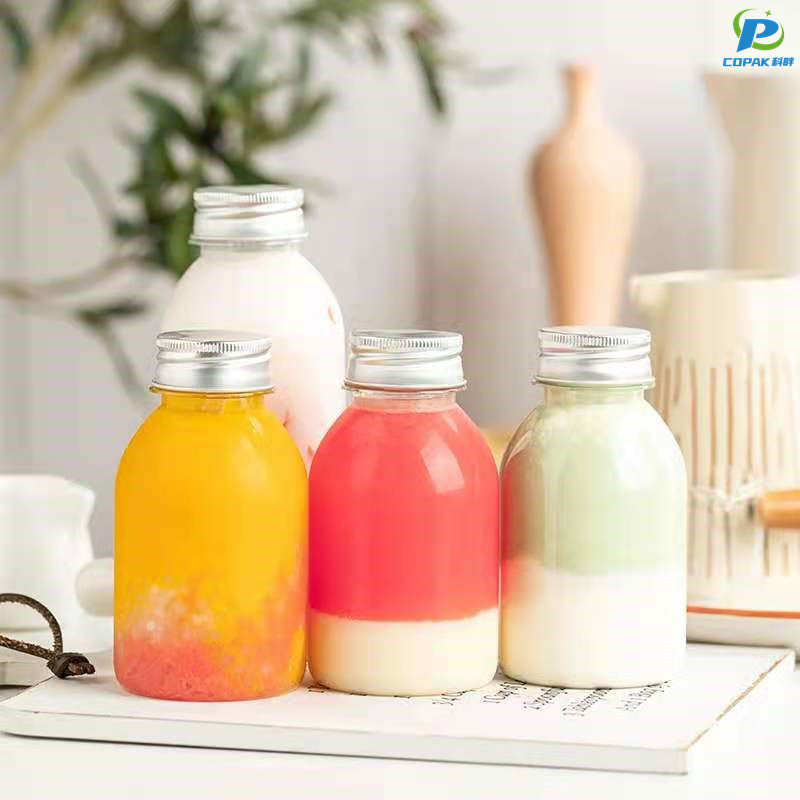


Square PET Bottles Global Reach Your End-to-End Solution
Top Selling Products






- Related Blog
- Reviews
- Reviews
