



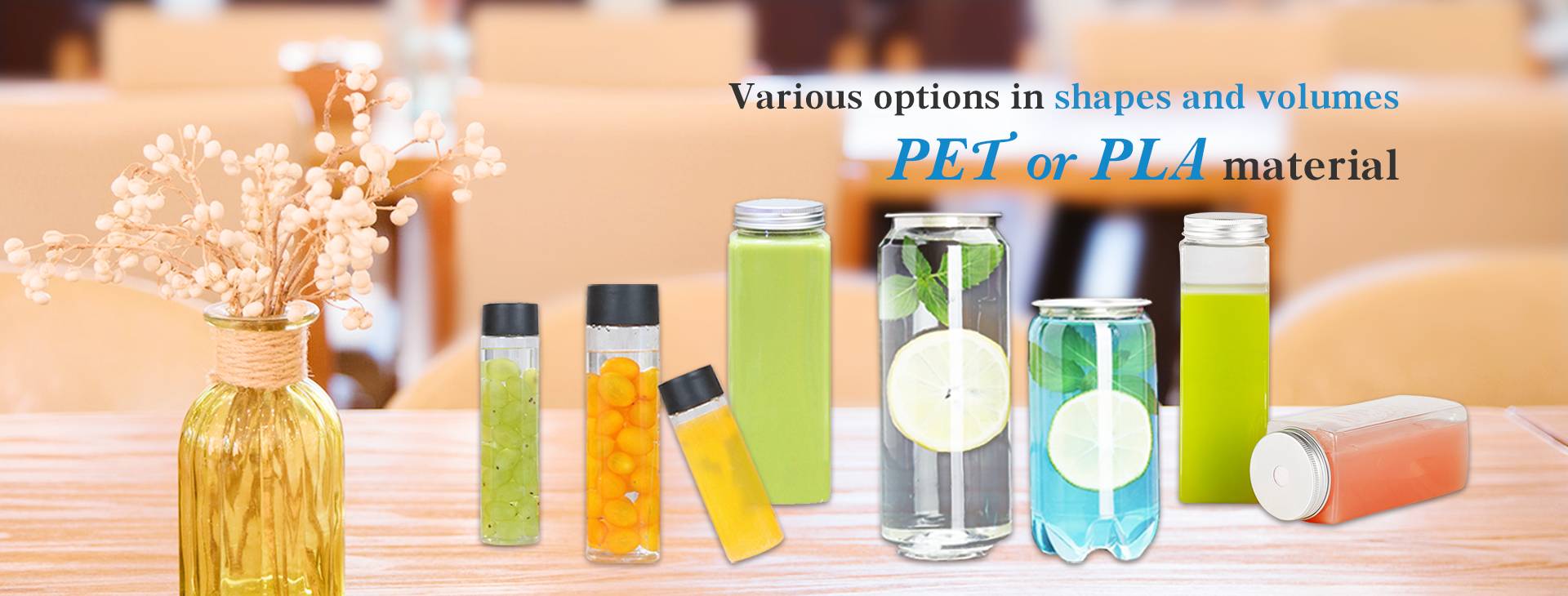
Smoothie Cups With Dome Lids - China Manufacturer for BPA-Free
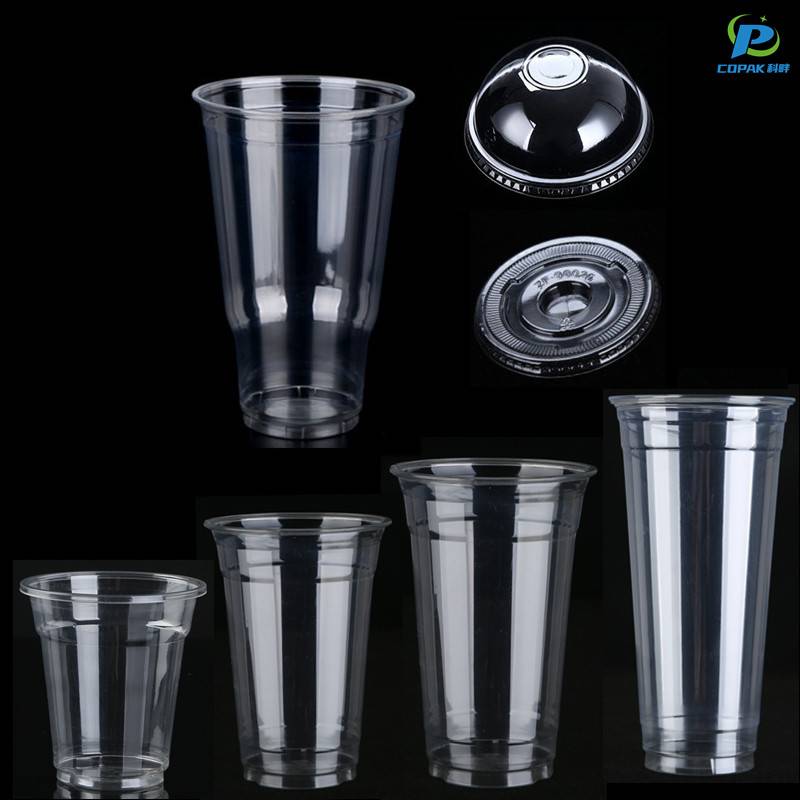
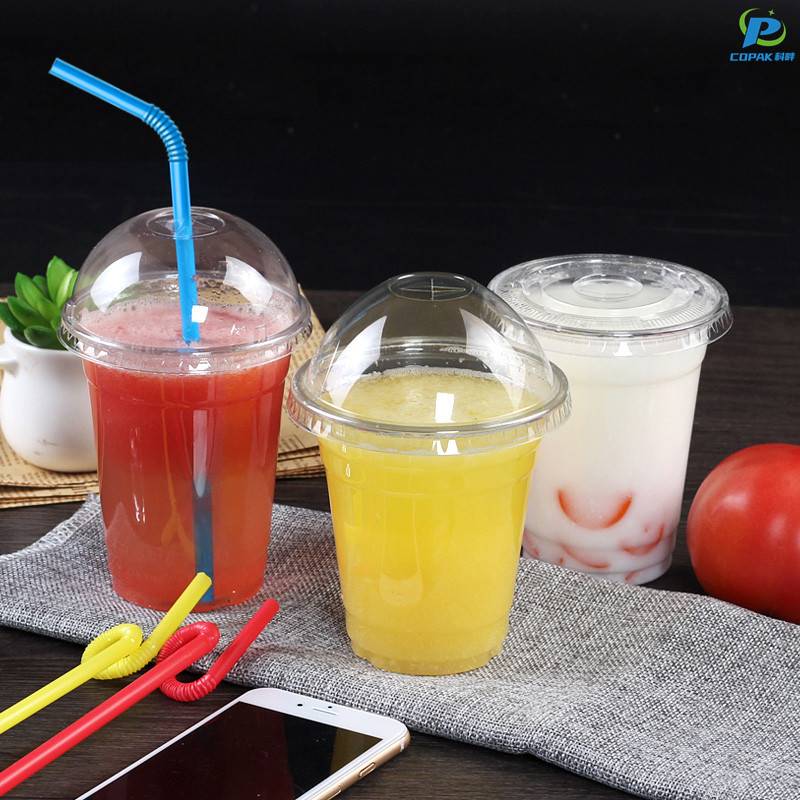
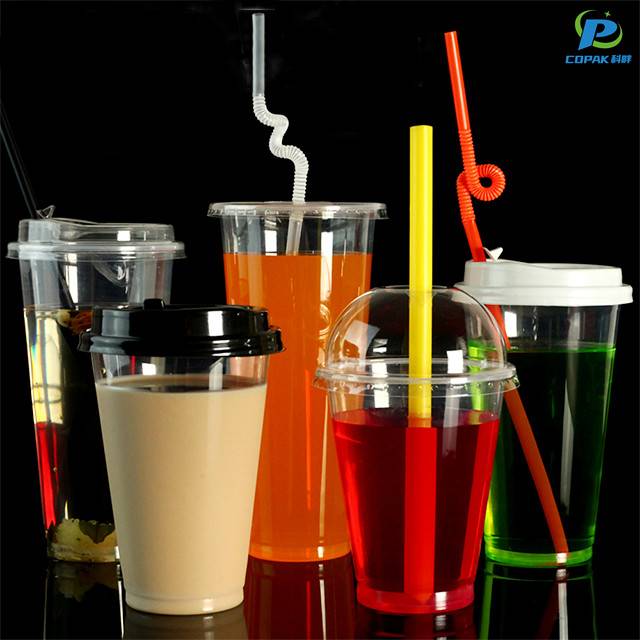
As a China-based manufacturer of disposable cups and lids, I offer Smoothie Cups With Dome Lids crafted for busy cafes, beverage brands, and event organizers. Our line combines durability with clarity, letting your smoothies shine while keeping hands clean and cold. The domed lids provide ample headspace for whipped toppings and fruit, and the spill-resistant seal prevents leaks in transit. Made from BPA-free PET or recyclable PP, these cups meet food-safety standards and comply with EU/US regs. We offer multiple sizes and printing options to boost brand visibility. Custom logos, colors, and volume discounts are available; lead times are short, and we can scale to your demand. For B2B purchasers, we provide sample kits, flexible MOQ, and reliable logistics from a trusted China manufacturer. Choose our Smoothie Cups With Dome Lids for a cost-effective, premium presentation that fuels repeat orders and happy customers.


Smoothie Cups With Dome Lids Now Trending Service Backed by Expertise
Smoothie cups with dome lids are rapidly becoming the go-to choice for cafés, retailers and delivery services as consumers demand attractive, spill-resistant packaging that showcases vibrant beverages. These cups combine crystal-clear visibility, sturdy rims, and secure dome lids with straw or sip options to prevent leaks and preserve presentation. Available in PET, PP and compostable PLA grades, they support oil- and condensation-resistant finishes, multiple capacities, full-color printing and custom shapes to match any brand aesthetic. Backed by technical expertise and global supply experience, our service offers material consultation, rapid prototyping, precision tooling, strict food-safety testing and batch-level quality control to ensure consistent performance. Flexible minimums, transparent lead times and coordinated logistics make it easy for international buyers to scale seasonal demand or roll out new SKUs quickly. For purchasers seeking reliable, sustainable and fully customizable smoothie cup solutions, this combination of trending design and professional support delivers both visual impact and operational confidence.
| Attribute | 12 oz (355 ml) | 16 oz (473 ml) | 24 oz (710 ml) |
|---|---|---|---|
| Typical Volume | 355 ml | 473 ml | 710 ml |
| Cup Top Diameter | 75–80 mm | 85–90 mm | 90–95 mm |
| Dome Lid Height (above rim) | 28–32 mm | 30–36 mm | 35–42 mm |
| Wall Thickness (typical) | 0.20–0.30 mm | 0.22–0.32 mm | 0.25–0.35 mm |
| Typical Unit Weight | 6–9 g | 8–12 g | 11–16 g |
| Compatible Straw Bore | 8–12 mm | 8–12 mm | 10–14 mm |
| Materials (common) | PET (clear), PP (opaque), PLA (compostable clear) — material selection depends on barrier and sustainability needs | ||
| Temperature Range | PET/PP: -20°C to +70°C working range; PLA: -10°C to +40°C recommended | ||
| Microwave Safe | Generally NO for PET/PLA; limited safe warming only for certain PP formulations — follow supplier guidance | ||
| Freezer Safe | Yes for PET and PP in short-term storage; watch for cracking at very low temperatures for thin-wall cups | ||
| Barrier Properties | Standard PET: low moisture transmission, moderate O2 barrier; PP: higher moisture permeability; optional EVOH/PLA blends improve O2 barrier | ||
| Recyclability | PET (widely recyclable where PET stream exists); PP recyclable in many regions; PLA accepted in industrial composting, limited curbside recycling | ||
| Compostability Standards | PLA cup/lid variants: ASTM D6400 / EN 13432 (industrial composting) where facilities exist | ||
| Average Embedded Carbon (per unit) | ~0.02–0.04 kg CO2e | ~0.03–0.05 kg CO2e | ~0.04–0.07 kg CO2e |
| Manufacturing Tolerance (diameter) | ±0.5–1.0 mm | ±0.5–1.0 mm | ±0.5–1.2 mm |
| Typical Production Lead Time | 4–8 weeks (custom tooling), 2–4 weeks (stock tooling) — depends on regional capacity | ||
| Quality Control & Tests | Leak/seal integrity, dome fit/locking, dimensional inspection, drop test (1.0–1.5 m), thermal cycling, material food-contact compliance | ||
| Market Growth (relevant segment) | Approx. 6–10% CAGR (small-format beverage packaging / smoothie cup segment, recent multi-year trend) | ||
| Regional Usage Share (approx.) | North America ~40% | Europe ~30% | Asia-Pacific ~20% | Latin America & Others ~10% | ||
| Common Use Cases | On-the-go smoothies, blended beverages, dessert cups, sample/demo cups for events, takeout beverage programs | ||
| Notes: Values shown are typical ranges for commercially available smoothieb cups with dome lids. Specific material formulations, regional recycling infrastructure, and certification details should be verified against product datasheets and local waste-management guidelines. | |||
Related Products




Smoothie Cups With Dome Lids Industry Leaders Your End-to-End Solution
Top Selling Products


- Related Blog
- Reviews
- Reviews
