



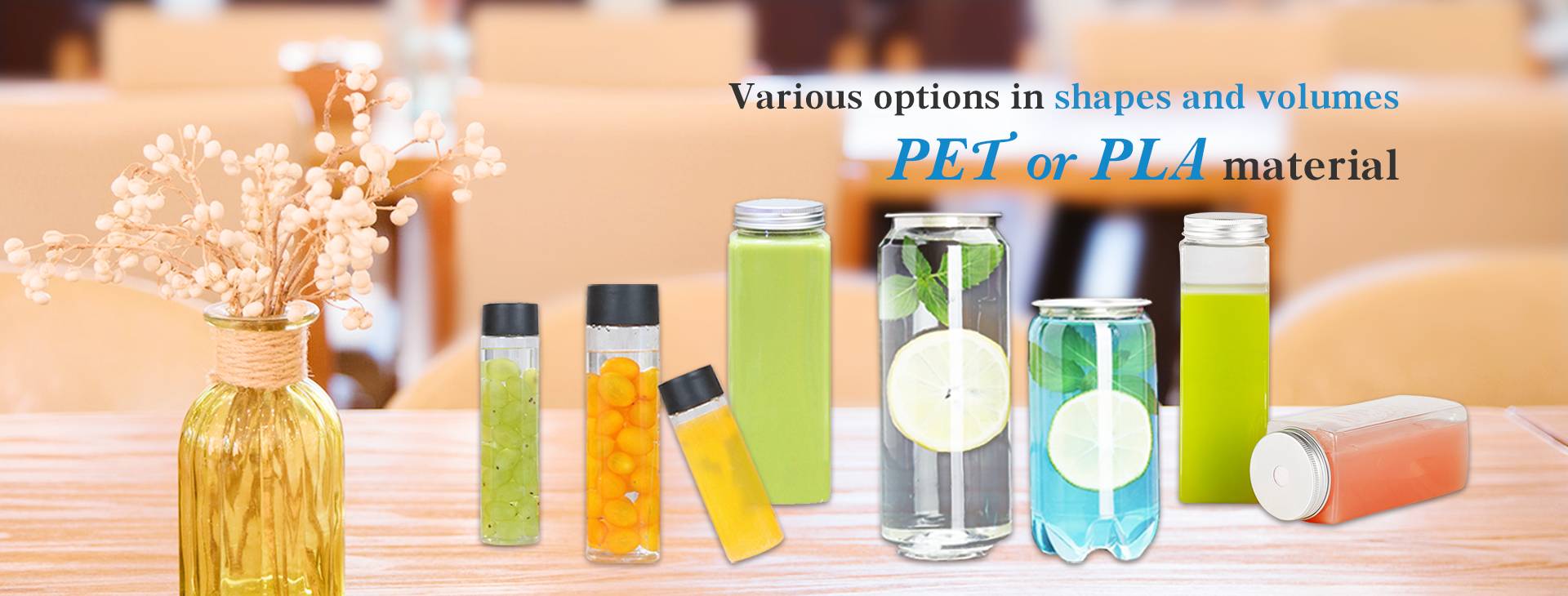
Plastic Bottle For Milk Tea - China Manufacturer
As a China-based manufacturer, I understand what B2B buyers care about when sourcing beverage packaging. My Plastic Bottle For Milk Tea is designed to meet high-volume demands with consistent quality, fast lead times, and strong after-sales support. Crafted from PET materials, it’s clear, sturdy, and BPA-free, ideal for milk tea shops, cafes, and distributors. We offer multiple sizes (350ml, 500ml, 700ml) with leak-proof caps, tamper-evident seals, and easy-squeeze bodies that resist condensation during busy service hours. The bottles are lightweight for easy shipping, stack neatly, and withstand chill storage from take-away to display. In China, many buyers look for reliable manufacturers with certifications and scalable production; that’s us. We provide customizable options: logo printing, color caps, and pasteurization-friendly designs. Competitive MOQs, optimized packaging, and quick production cycles help you scale. If you’re sourcing a dependable partner for Plastic Bottle For Milk Tea, we’re ready to discuss your specs and volumes today.

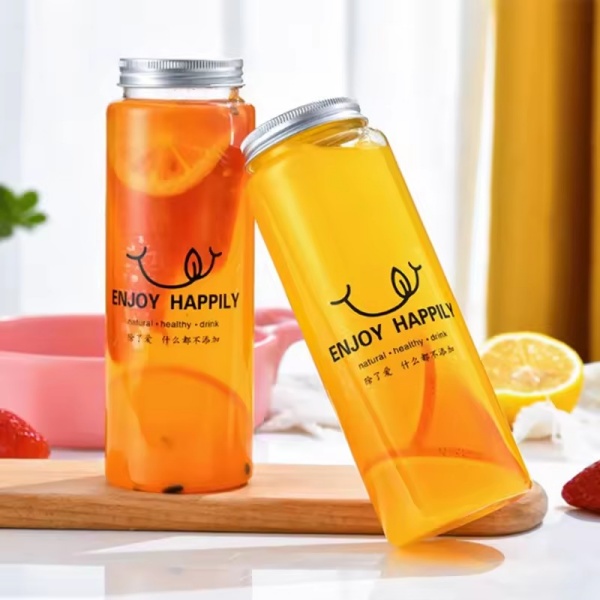


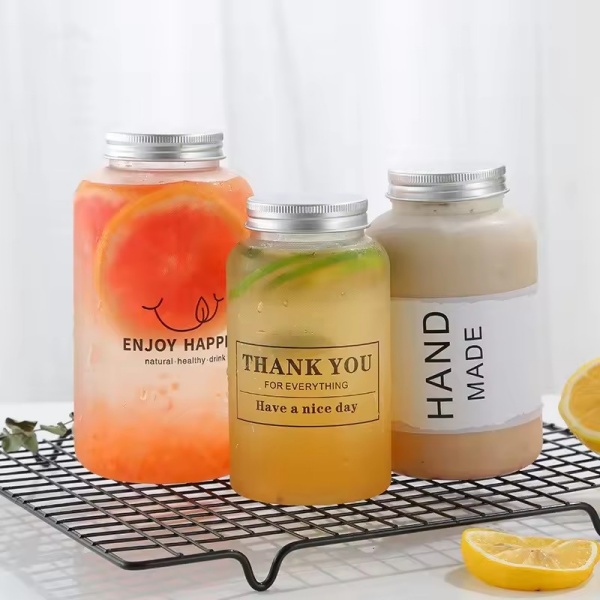
Plastic Bottle For Milk Tea Now Trending Guarantees Peak Performance
Plastic bottles for milk tea are rapidly becoming the packaging of choice for brands that demand peak performance: crystal clarity to showcase layered teas, robust food-grade materials that preserve flavor and aroma, secure tamper-evident caps to prevent leaks, and form factors designed for straw insertion and on-the-go consumption. Advanced molding and barrier technologies extend shelf life while keeping products lightweight and cost-efficient, and options like rPET and high-barrier coatings balance sustainability with functionality. Global buyers benefit from scalable production, flexible customization of size, shape and print, and compliance with international food safety standards. Reliable lead times, competitive pricing, and tailored solutions for cold-fill or aseptic processes make these plastic bottles a smart investment for expanding milk tea portfolios and entering new markets with confidence.
{ Plastic Bottle For Milk Tea Now Trending Guarantees Peak Performance}
| Parameter | Unit | Typical Value / Range | Test Method / Condition | Notes |
|---|---|---|---|---|
| Bottle Type | — | Mono-PET (clear) / rPET blend options | Material specification | Common choice for cold-fill and many pasteurized milk-tea variants |
| Base Polymer | — | Polyethylene terephthalate (PET) | Polymer ID | Good barrier-to-weight ratio and wide recyclability |
| Typical Wall Thickness | mm | 0.30 – 0.50 | Production nominal | Optimized for 250–500 mL single-serve bottles |
| Empty Mass (example 350 mL) | g | ~15 | Measured empty weight | Lightweight construction to reduce transport footprint |
| Recycled Content (rPET) | % | Typical blends: 0–50% (commonly ~25%) | Supplier blend data | Higher rPET can slightly affect haze and mechanical properties |
| Density | g/cm³ | ~1.38 | ASTM method reference | Standard for amorphous PET |
| Glass Transition Temperature (Tg) | °C | ~75 | DSC typical | Above Tg material becomes noticeably softer |
| Melting Temperature (Tm) | °C | 250 – 255 | DSC typical | Processing/molding temperature window |
| Tensile Strength (yield) | MPa | ~55 – 75 (typical ~60) | ISO/ASTM tensile | Sufficient mechanical robustness for handling and filling |
| Oxygen Transmission Rate (OTR) | cc·m⁻²·day⁻¹·atm⁻¹ | ~1.5 – 5 (typical ~3.5 at 23°C, 0% RH) | DIN/ASTM standard, thickness dependent | May require barrier layer (EVOH/SiOx) for extended shelf life |
| Water Vapor Transmission Rate (WVTR) | g·m⁻²·day⁻¹ | ~0.2 – 0.5 (typical ~0.3 at 23°C, 85% RH) | ASTM F1249 | Low moisture permeability helps maintain beverage mouthfeel |
| Hot-Fill Compatibility | °C | Short-term up to ~85 | Process guideline | Standard PET tolerates warm fills; full hot-fill (>90°C) needs specific design |
| Recommended Filling Temperature | °C | ≤80 (typical) | Operational recommendation | Minimizes deformation and maintains closure integrity |
| Leakage / Burst Test | bar / s | No leakage at 1.2 bar for 30 s (typical acceptance) | Pressure decay / submersion | Closure and seal design critical for carbonated or pressurized variants |
| UV Protection (clear vs tinted) | % blocked (300–400 nm) | Clear: blocks ~40%; Tinted/coated: >90% | Spectrophotometer measurement | UV protection recommended for light-sensitive ingredients (e.g., some teas) |
| Thermal Insulation (typical) | °C / 10 min | Beverage temp rise ~0.8–1.2°C per 10 min at 22°C ambient | In-use observation | Not an insulator; use koozie or sleeve for longer temperature retention |
| Carbon Footprint (cradle-to-gate) | kg CO₂e / kg polymer | ~2.0 – 2.6 (typical ~2.3) | Life-cycle assessment (literature ranges) | rPET content can materially lower net footprint |
| Food Contact Compliance | — | Compliant with common regulations (e.g., EU plastics regs, FDA food-contact guidance) | Regulatory testing | Final compliance requires migration testing per target market |
| Cleaning / Re-use Recommendation | cycles | Designed primarily single-use; limited reuse up to ~5 cycles if undamaged | Hygiene guidance | Repeated use may increase micro-scratches and bacterial risk; follow local rules |
| Flavor Scalping / Sorption | — | Low to moderate (depends on volatiles and fat content) | Storage trials | Use of inner coatings or barrier layers reduces sorption for delicate flavors |
| Recommended Use Cases | — | Cold milk teas, chilled dairy blends, flavored drinks, short-shelf refrigerated products | Application guidance | Aseptic/long-shelf sterile variants require specialized barrier or processing |
Related Products


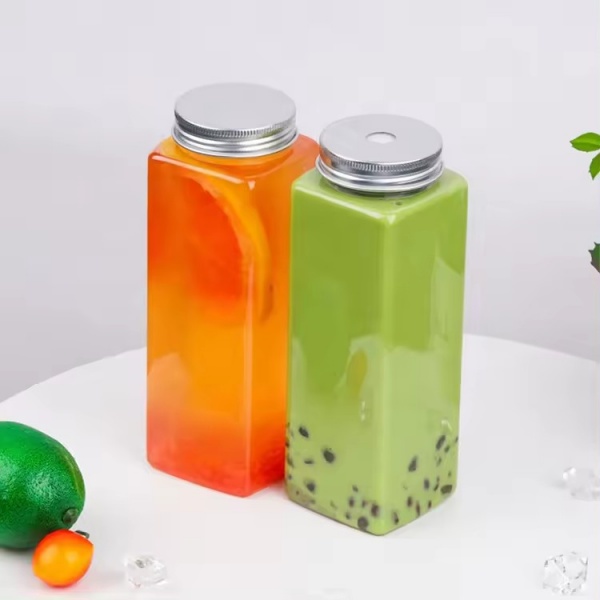
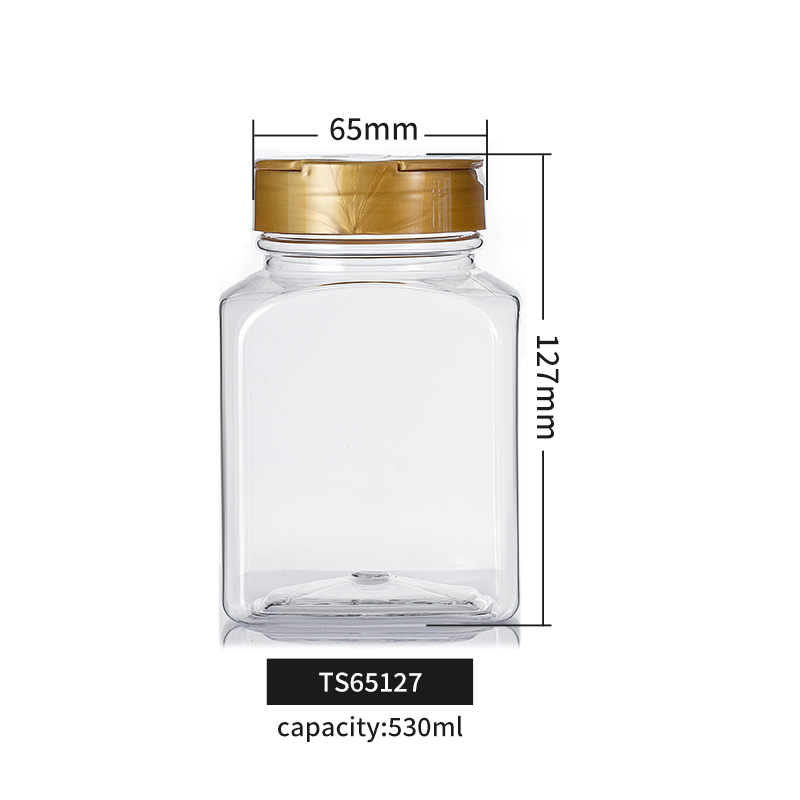


Plastic Bottle For Milk Tea Sets the Industry Standard More Than a Supplier - A Partner
Top Selling Products





- Related Blog
- Reviews
- Reviews
