



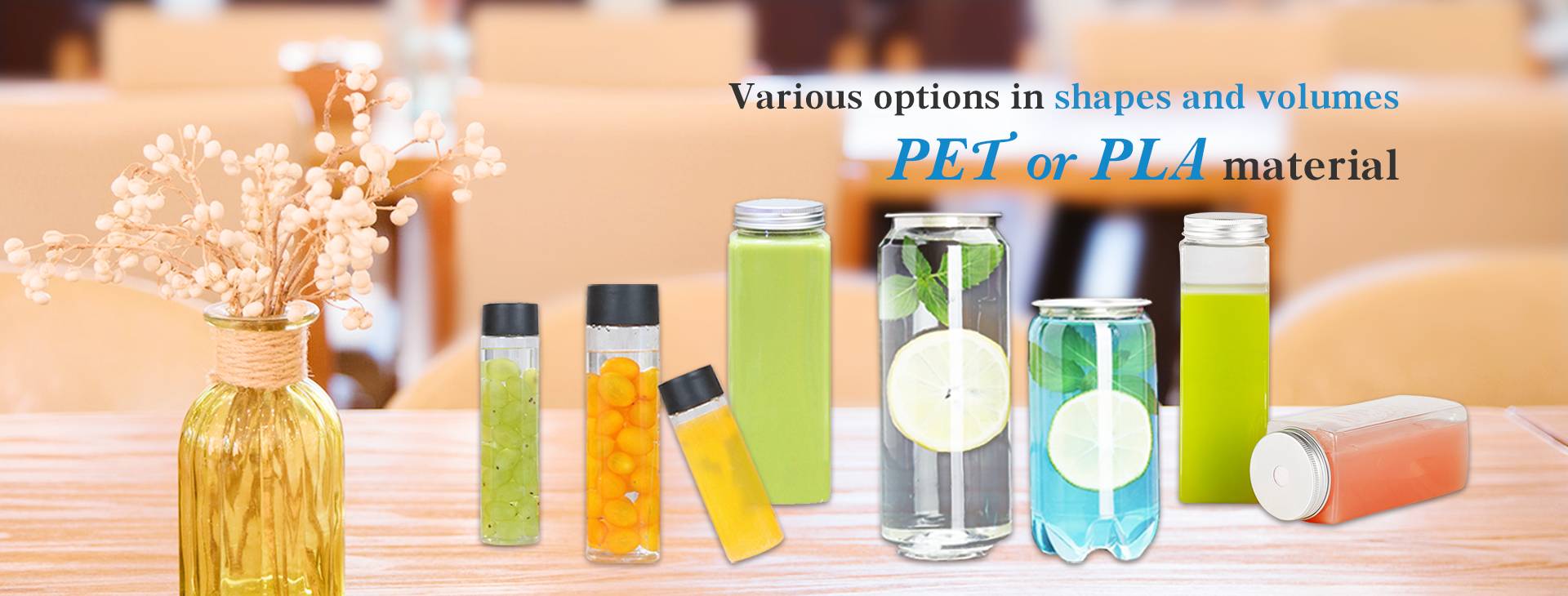
8 Oz Plastic Spice Jars China Manufacturer
From my workshop in China, I offer 8 Oz Plastic Spice Jars that fit the needs of professional kitchens, retailers, and distributors. I am a Manufacturer focused on dependable packaging, so you can count on consistent cap fit, clear clarity, and leak-free performance. Our jars come with secure screw-on lids and shaker tops, designed to withstand busy service and long storage. They are food-grade, BPA-free, and easy to label, stack, and ship in bulk. You can customize lids and prints to match your brand, and we offer flexible MOQ for new product launches. I understand B2B buyers look for reliability, fast lead times, and competitive pricing; that’s what we aim to deliver. Based in China, we ship worldwide, supporting retailers, wholesalers, and manufacturers seeking a steady supply of quality jars. If you want a trusted partner who keeps promises and keeps your shelves stocked, I am here to help.


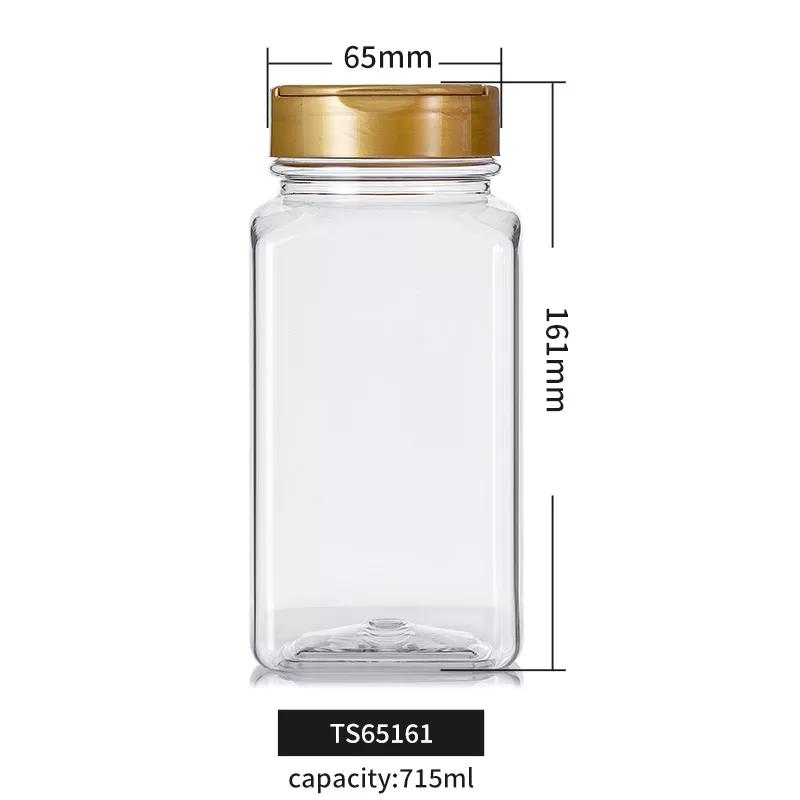


8 Oz Plastic Spice Jars Factory Trusted by Pros
As a factory partner trusted by professional foodservice and retail buyers worldwide, we deliver high-quality 8 oz plastic spice jars designed for performance and presentation. Manufactured from food-grade, BPA-free materials with precision-molded threads and airtight caps, these jars preserve aroma and freshness while offering crystal-clear visibility, consistent fill volumes and stackable, lightweight durability ideal for kitchens, distributors and private-label lines. Our production combines rigorous quality control, flexible customization and efficient lead times to meet global procurement needs. Buyers can choose colors, cap styles (shaker, flip-top, pump), custom labeling and printing, plus sustainable material options and compliant packaging. With scalable MOQ, sample availability and reliable logistics support, we are set to help international partners streamline sourcing and launch successful spice offerings.
{ 8 Oz Plastic Spice Jars Factory Trusted by Pros}
Technical specifications and common usage data for 8 oz (237 mL) food-grade plastic spice jars — clear, screw-top containers commonly used in culinary and retail environments.
| Attribute | Specification | Notes |
|---|---|---|
| Product Type | 8 fl oz (approx. 237 mL) plastic spice jar | Standard retail/food-service container for dry seasonings |
| Capacity (Volume) | 8 fl oz / ~237 mL | Measured internal nominal volume |
| Body Material | Food-grade PET (Polyethylene Terephthalate) — recycling code #1 | Clear, high-clarity finish for product visibility |
| Lid Material | Food-grade Polypropylene (PP) with silicone gasket | PP lid provides higher temp tolerance and secure closure |
| Material Grade / Process | Injection-blow molded PET body; injection-molded PP closure | Common industry process for consistent wall thickness and clarity |
| Wall Thickness | ~1.0–1.5 mm (typical) | Balanced for stiffness and material savings; varies by tooling |
| Overall Height | ≈ 95 mm (3.74 in) | Measured from base to top of closed lid (typical configuration) |
| Body Diameter | ≈ 63 mm (2.48 in) | External body diameter at widest point |
| Neck / Finish Diameter | 38 mm (standard 38-400 style continuous thread) | Fits commonly used 38 mm screw closures and liners |
| Thread Type | Continuous screw thread (standard 38-400 finish) | Widely compatible with standard closures and liners |
| Empty Weight | Jar: ~14 g; Lid: ~6 g (typical) | Tolerances ±10% depending on wall thickness and add-ons |
| Seal / Leak Resistance | Silicone gasket in lid — leak-resistant for dry goods | Not recommended for long-term storage of free liquids without testing |
| Temperature Range | Jar (PET): -20 °C to +70 °C; Lid (PP): -20 °C to +100 °C | Avoid prolonged exposure to higher temperatures for PET clarity retention |
| Food Contact Compliance | Made from materials compliant with common food-contact guidelines | Meets typical regulatory requirements for food packaging materials |
| BPA Status | BPA-free | Suitable for food storage without BPA concerns |
| Recyclability | PET body recyclable (1); PP lid recyclable where local facilities accept #5 | Check local recycling programs for acceptance of mixed-material closures |
| Manufacturing Method | Injection blow-molding (body) + injection molding (closure) | Enables smooth finish, uniform wall, and tight neck tolerances |
| Compatible Filling Methods | Manual filling, volumetric fillers, net-weight & auger systems for dry powders | Used widely on small-to-medium batch spice production lines |
| Recommended Cleaning | Hand wash with mild detergent; avoid prolonged hot-water dishwasher cycles | PET clarity and dimensional stability preserved with gentle cleaning |
| Label Area | Approx. 40 × 25 mm (1.6 × 1.0 in) flat panel on body | Designed to accept pressure-sensitive labels or shrink sleeves |
| Typical Use Cases | Dry spices, herbs, seasoning blends, powdered mixes, culinary use | Not intended as a primary container for high-moisture or oil-rich products without testing |
| Stacking / Nesting | Empty jars are nestable for storage; closed jars stackable up to 3–4 high | Stack height depends on lid design and load considerations |
| Light / UV Protection | Clear PET — low UV protection; amber/opaque options available | Consider dark or UV-blocking options for light-sensitive spices |
| Customization Options | Labeling surface, tamper-evident shrink bands, colored lids, embossing | Customization typically performed post-molding (printing, sleeving) |
| Storage & Shelf Guidance | Suitable for short- to medium-term storage of dry spices; best practice: cool, dry, dark place | Quality retention depends on spice type, packaging environment, and barrier needs |
Related Products


8 Oz Plastic Spice Jars Factory Pioneers in the Field
Top Selling Products






- Related Blog
- Reviews
- Reviews
