



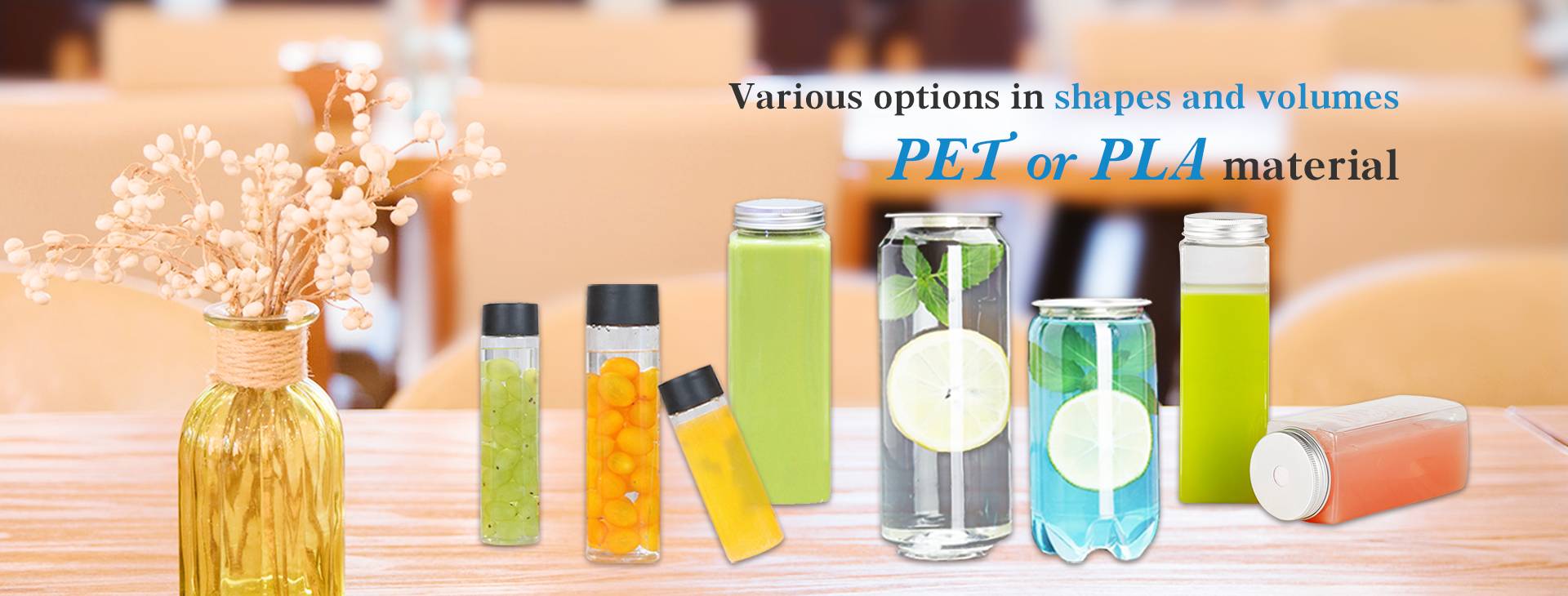
8 Oz Empty Plastic Bottles - China Manufacturer
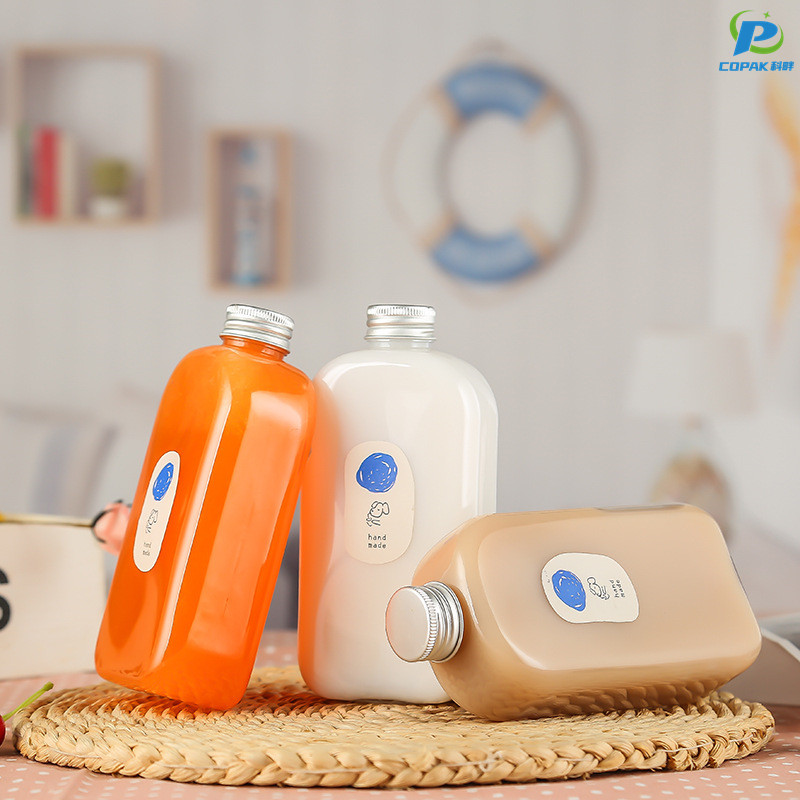
From my workshop to your shelves, I provide {8 Oz Empty Plastic Bottles} ready for mass orders. As a {Manufacturer} based in {China}, I know what B2B buyers look for: consistent wall thickness, secure threads, and leak-proof caps. These bottles are food-grade and BPA-free, compatible with essential oils, cosmetics, and culinary uses. I offer clear PET or HDPE options with tamper-evident seals and a range of cap styles—child-resistant, spray, or flip-top—to match your product. We can customize labeling, color lids, and printing to your brand, with flexible MOQs and short lead times. Your supply chain stays steady with our reliable production, careful quality checks, and fast shipping. If you want samples or a volume quote, just reach out. I’m here to help you grow, protect your product, and boost shelf appeal with dependable packaging.


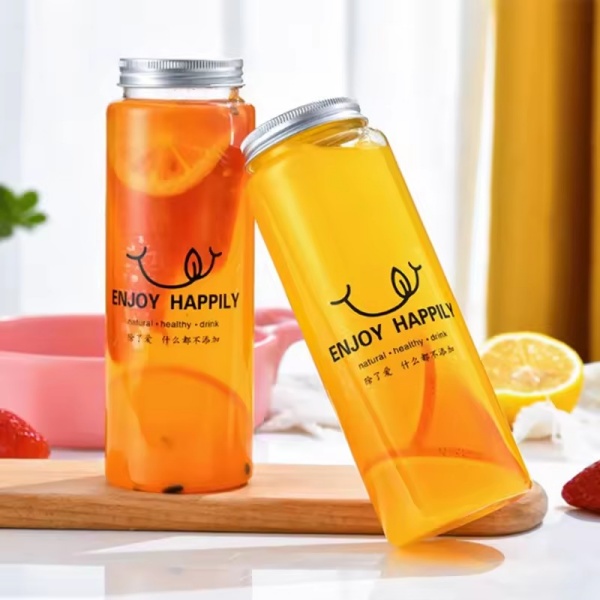
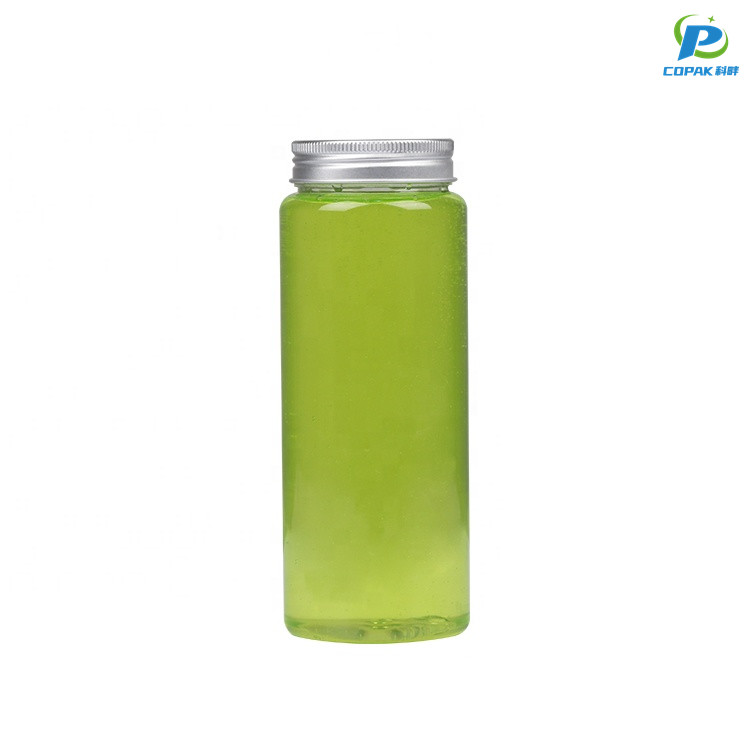


8 Oz Empty Plastic Bottles Sets the Industry Standard Global Reach
The 8 oz empty plastic bottle has become the benchmark for versatility and performance across cosmetics, food, pharmaceuticals, and household markets. Designed for consistency and durability, these bottles offer food-grade, BPA-free materials, tight-seal closures, and compatibility with automated filling lines. Lightweight yet sturdy, they reduce shipping costs while meeting stringent international standards for safety and traceability, making them ideal for private label and bulk packaging programs worldwide. Manufactured with precision and customizable options—neck finishes, cap types, colors, barrier coatings, and custom printing—these bottles support fast sample approvals and scalable production runs. Global buyers benefit from transparent quality control, recognized certifications, flexible minimum order quantities, and reliable logistics that ensure on-time delivery to diverse markets. Whether launching a new product or optimizing existing supply chains, this 8 oz solution aligns performance, compliance, and cost-efficiency for global expansion.
| Specification | Typical Value | Units | Typical Tolerance | Notes / Standards |
|---|---|---|---|---|
| Nominal capacity | 8.0 | fl oz (US) / 237 ml | ±1% (fill volume) | Measured to shoulder for liquid fill; common consumer beverage size. |
| Material (resin) | Polyethylene Terephthalate (PET) | — | — | Common for beverage/food contact; lightweight and clear. |
| Recycling code (resin ID) | 1 | — | — | Widely accepted in curbside recycling programs (region-dependent). |
| Typical empty mass | ~15 | grams | ±3 g | Depends on wall profile and bottom design; value for light-weight consumer bottle. |
| Overall height | ~110 | mm | ±3 mm | Measured from base to top of finish (closed). |
| Maximum diameter (body) | ~45 | mm | ±2 mm | Depends on design (round, oval, square-profile variants). |
| Neck finish | 28 | mm (outer thread/finish) | ±0.5 mm | Common screw-cap finish; compatible with standard 28mm closures and tamper bands. |
| Inner neck diameter (nominal) | ~22 | mm | ±0.4 mm | Dimension for liquid pour and nozzle compatibility. |
| Wall thickness (typical) | 0.8 | mm | ±0.2 mm | Profile varies to control stiffness and top-load performance. |
| Manufacturing method | Injection stretch blow molding (ISBM) | — | — | Standard high-volume process for PET bottles with good clarity and strength. |
| Maximum recommended fill temperature | Cold-fill to 40°C; heat-set PET up to 85°C | °C | Product-dependent | Use heat-set bottles for hot-fill beverages; otherwise use cold-fill practices. |
| Barrier characteristics | Low gas permeability; improved with coatings | — | Coating-dependent | Oxygen and CO2 management often achieved with thin barrier layers or multilayer approaches for sensitive products. |
| Food contact compliance | FDA 21 CFR 177.1630; EU (EU) No 10/2011 | — | Region-dependent | Material compatible with food/drink when produced under relevant good manufacturing practices. |
| Common closure types | Screw cap, tamper-evident cap, sport spout, dispensing pump | — | — | Closure selection depends on application (beverage, personal care, condiments). |
| Typical uses | Bottled water, juice samples, single-serve personal care, condiments | — | — | Versatile format for consumer and travel-size products. |
| Recommended storage conditions (empty) | Cool, dry, away from direct UV | °C / RH | Store <25°C preferred | Avoid sunlight to reduce polymer degradation and product discoloration risks. |
| Shelf stability (empty bottle) | Multi-year if stored properly | Years | — | Performance retained when kept dry, cool, and free from chemicals that may degrade PET. |
| Global compliance & labeling | Conformant formats for major markets; resin ID and food-contact declarations | — | — | Documentation typically provided to demonstrate compliance with regional food-contact and recycling regulations. |
Related Products
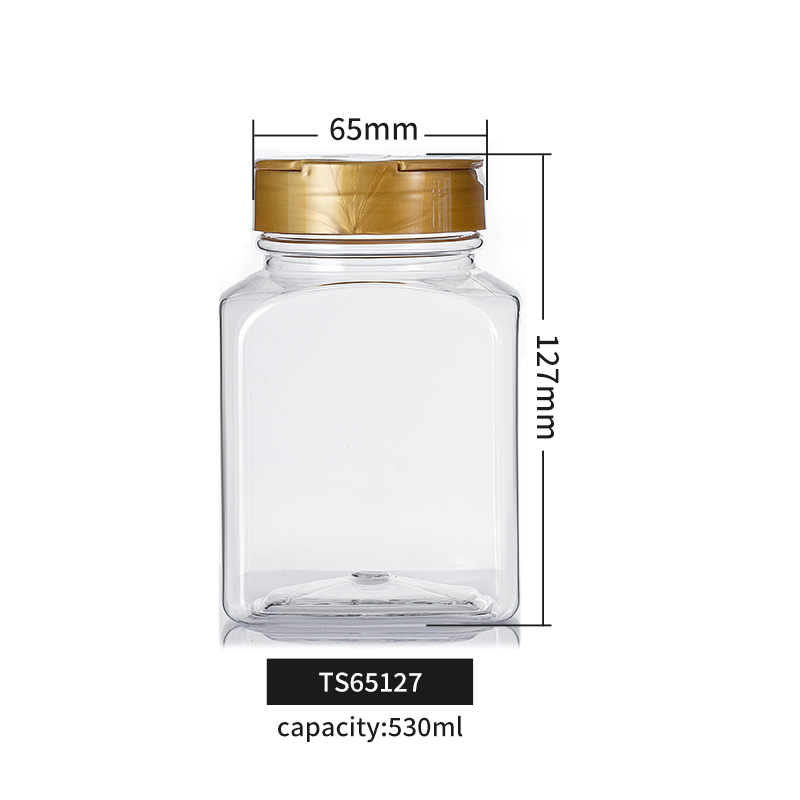
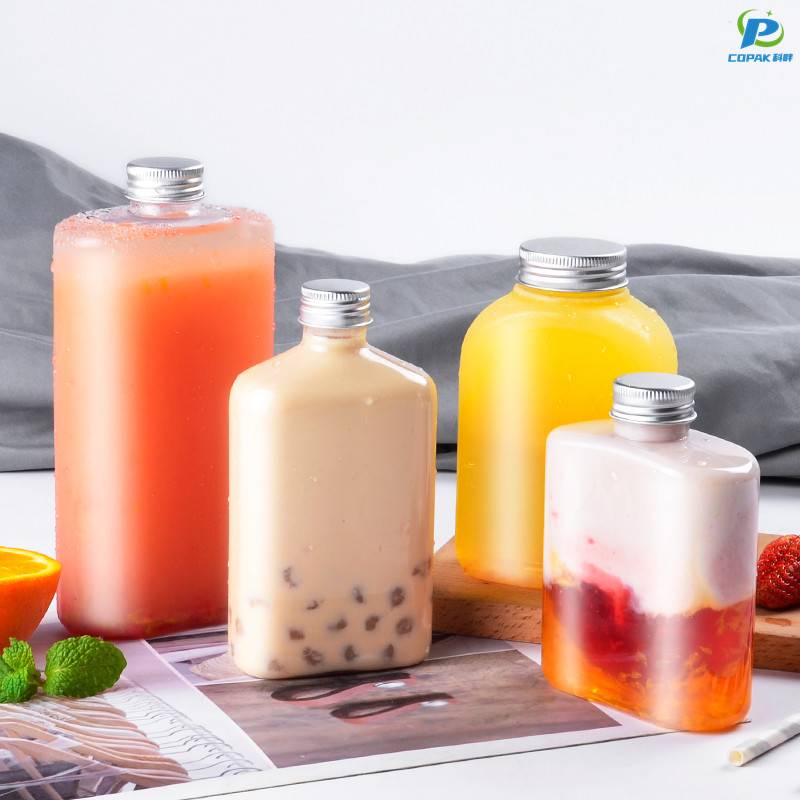
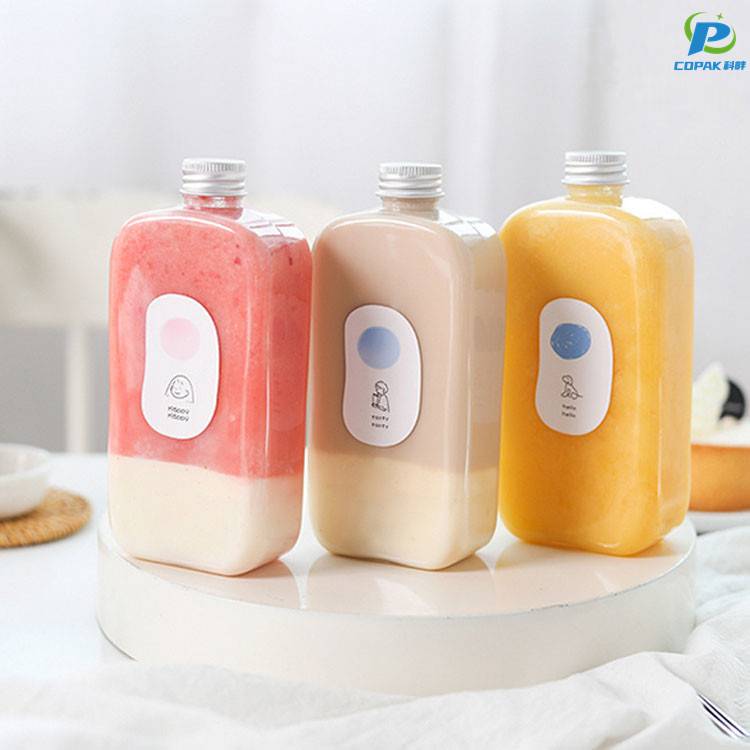
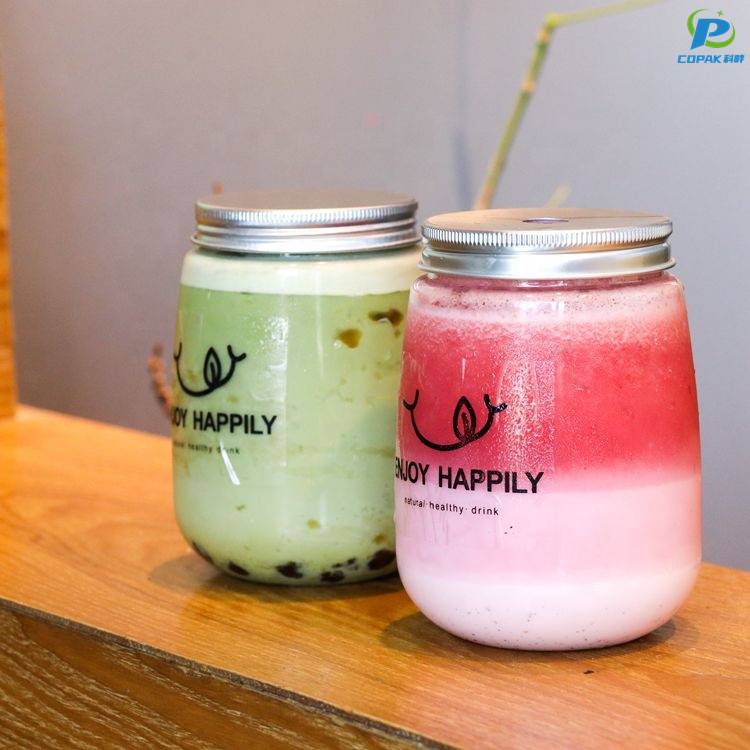
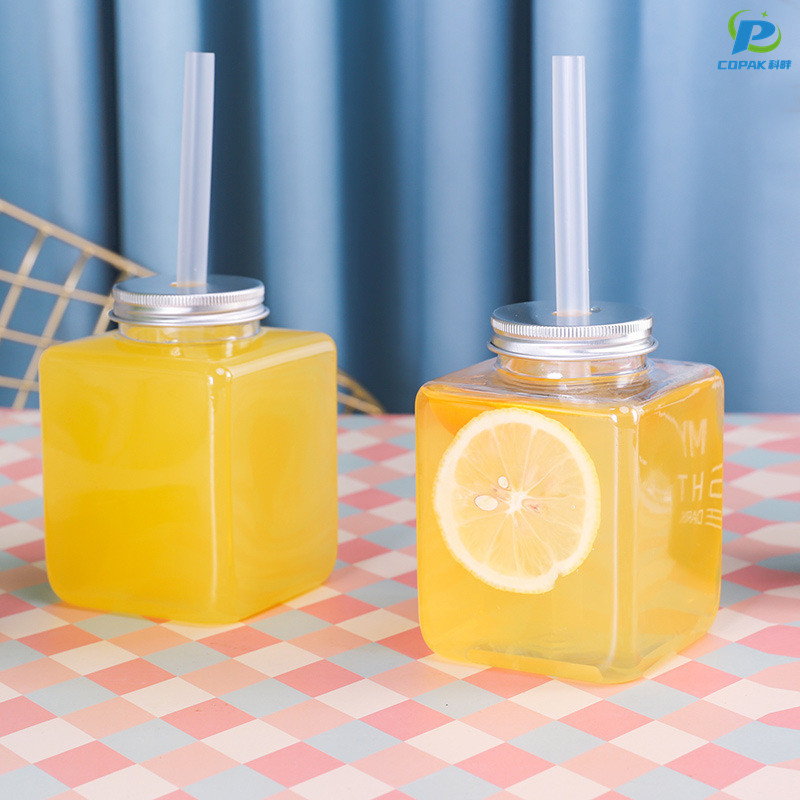

8 Oz Empty Plastic Bottles Where Innovation Meets 2025 Manufacturers You Can Rely On
Top Selling Products





- Related Blog
- Reviews
- Reviews
