



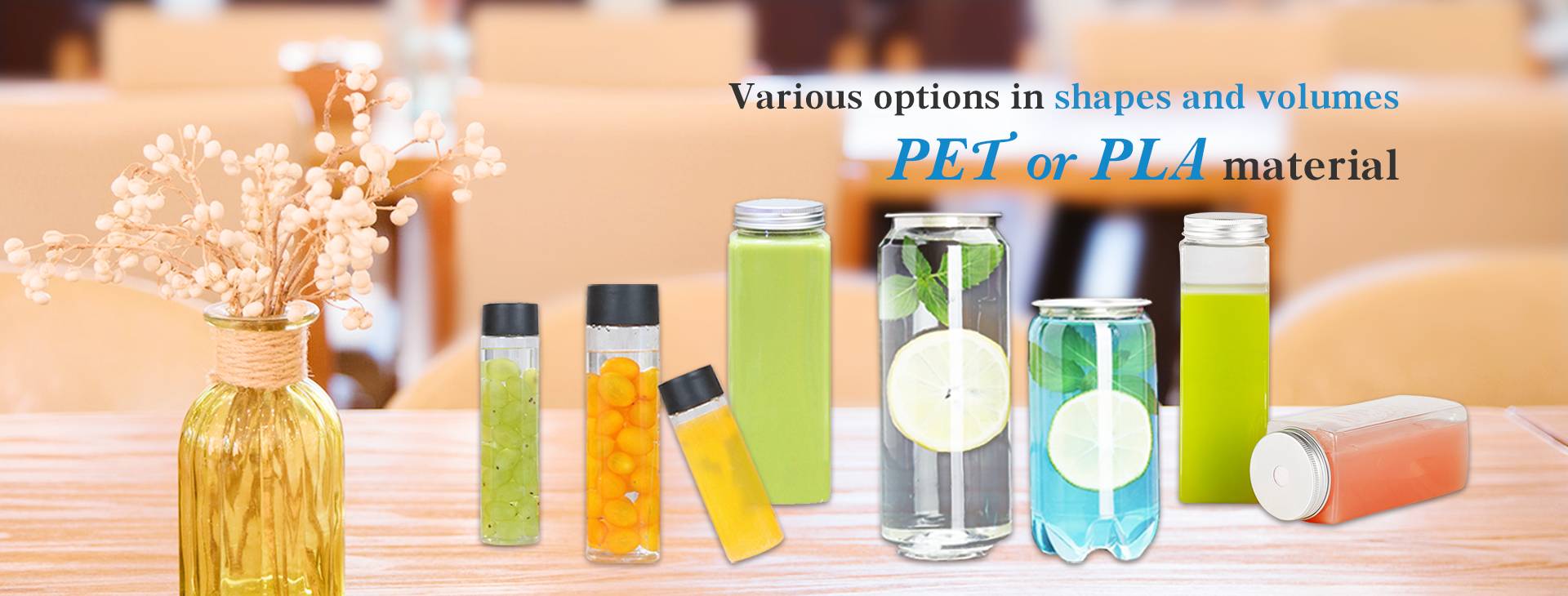
Disposable Plastic Bottles Product - China Manufacturer
I’m a {China} based {Manufacturer} and I’m offering the {Disposable Plastic Bottles Product}. We serves brands who wants reliable packaging. Our line includes high-clear PET and sturdy PP bottles in sizes from 5ml up to 1000ml, with screw caps, dropper tops and tamper-evident seals. These bottles are designed for easy labeling and fast fill lines. I run strict quality control, batch testing, and we use food-grade materials so you can trust in safety. Our factory in {China} keeps lead times short and MOQ friendly, scalable to your demand. We offer private labeling, logo printing, cap color choices, and liner options. If you search for a partner that can handle small trials and large orders with consistent quality, I’m here to help. Let me turn your vision into a reliable, cost-efficient solution for your brand.
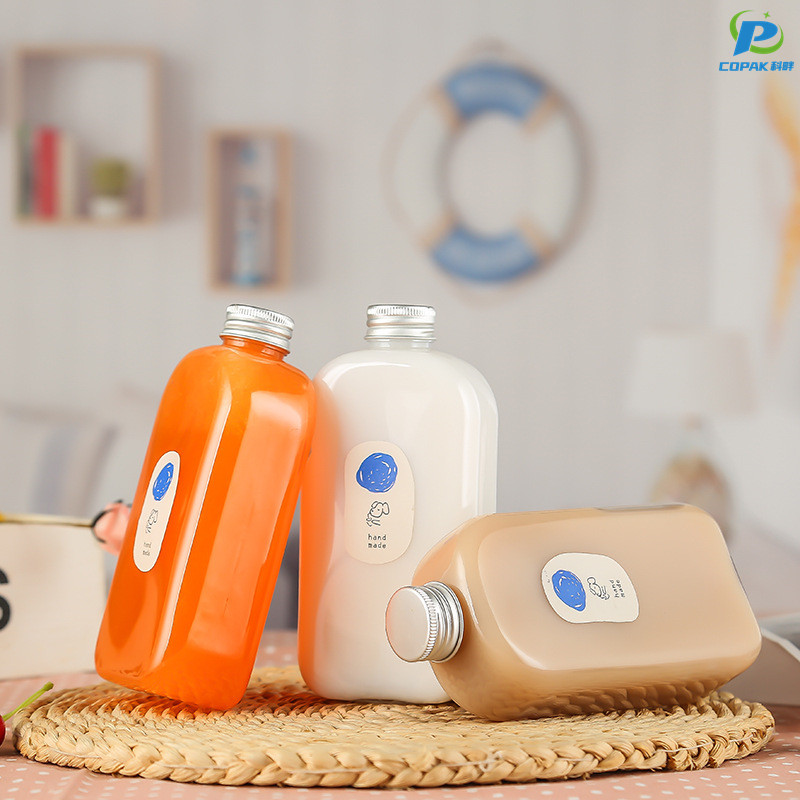


Disposable Plastic Bottles Product Service Winning in 2025
Winning in 2025 means offering disposable plastic bottles that blend cost-efficiency with modern compliance and sustainability. Buyers will prioritize lightweight, food-grade, and recyclable options made with PCR content or optimized for mono-material recycling, supported by certifications (FDA, EU, ISO) and strict quality control from raw material inspection to final testing. Competitive lead times, scalable capacity, and continuous product innovation—including barrier coatings, tamper-evident caps, and custom sizes—help brands respond to fast-moving retail, personal care, and e-commerce demands. A procurement partner that provides flexible MOQ, rapid sampling, design and labeling support, transparent pricing, and multimodal logistics options reduces risk and total landed cost. Value-added services like shelf-ready packaging, inventory consignment, third-party inspection, and responsive after-sales ensure predictable supply and faster market entry. For global buyers aiming to win in 2025, choosing suppliers that combine manufacturing excellence, regulatory compliance, and end-to-end service is the difference between timely success and missed opportunity.
{ Disposable Plastic Bottles Product Service Winning in 2025}
| Dimension | Typical Value / Range | Unit / Notes | 2025 Outlook |
|---|---|---|---|
| Primary material (single-serve clear bottles) | PET: 90–95% of clear single-serve bottles; HDPE used for opaque containers | Material share by bottle type; excludes caps/labels | Stable leadership of PET for clear bottles; increased use of recycled PET (rPET) |
| Average mass (typical 500 mL single-serve bottle) | 10–12 g plastic per empty bottle | Packaging-only mass for lightweight designs | Gradual reduction in gram-weight via light-weighting and design optimization |
| rPET content in newly produced bottles (regional) | 0–30% typical; available rPET shares higher in some regions (up to 50% in programs) | Range depends on feedstock availability and regulation | Upward trend driven by mandates and voluntary sourcing targets |
| Collection / recovery rate (post-consumer bottles) | Varies widely: ~20–80% by country; global aggregated mid-range ~30–40% | Collection for recycling or diversion from landfill/incineration | Improvements expected where deposit-return schemes and infrastructure expand |
| Mechanical recycling yield (from collected bottles to usable flake) | ~60–75% yield typical (sorted input → washed, flaked output) | Yield excludes loss during sorting and contamination | Yield improves with better sorting and less contamination |
| Packaging-only greenhouse gas intensity (empty 500 mL PET bottle) | ~0.02–0.05 kg CO2e per empty 500 mL bottle (packaging scope) | Range depends on rPET share and production efficiency | Net reduction with higher rPET and energy efficiency; chemical recycling impacts vary |
| End-of-life outcomes (typical distribution) | Recycled: 20–40%; Landfill/incineration/energy recovery: 60–80% (regional variation) | Aggregated sector-level estimate; strong regional differences | Shift toward higher recycling shares where policy and infrastructure strengthen |
| Biodegradability and compostability | Not biodegradable; conventional PET/HDPE require recycling or recovery | Biodegradable alternatives exist but are limited for cold-fill beverage use | Industry focus on circular solutions rather than biodegradables for single-serve |
| Refill / reuse potential (system-level) | Low for current single-use designs; reuse systems can reduce lifecycle impacts by 50%+ when implemented | Benefit depends on return logistics and wash cycles | Growing pilot programs in urban centers; limited scale-up in 2025 |
| Regulatory & food-contact compliance | Meets major food-contact frameworks when produced to standards | Compliance with jurisdictional food-contact regulations and quality controls | Increasing regulatory emphasis on recycled content disclosure and recycled-material safety |
| Consumer preferences & sustainability signals | High convenience preference; rising demand for recyclable or recycled content (surveys often show 60–80% concern) | Aggregate consumer sentiment trends (varies by market) | Brands and product services emphasizing circularity gain stronger favor among sustainability-conscious segments |
| Typical product-service enhancements winning in 2025 | Increased rPET content, improved recyclability (mono-material caps/labels), deposit-return participation, closed-loop partnerships | Service features that materially increase bottle-to-bottle recycling and transparency | These enhancements are core differentiators for product-service success in 2025 |
Related Products


Disposable Plastic Bottles Product Industry Leaders Now Trending
Top Selling Products


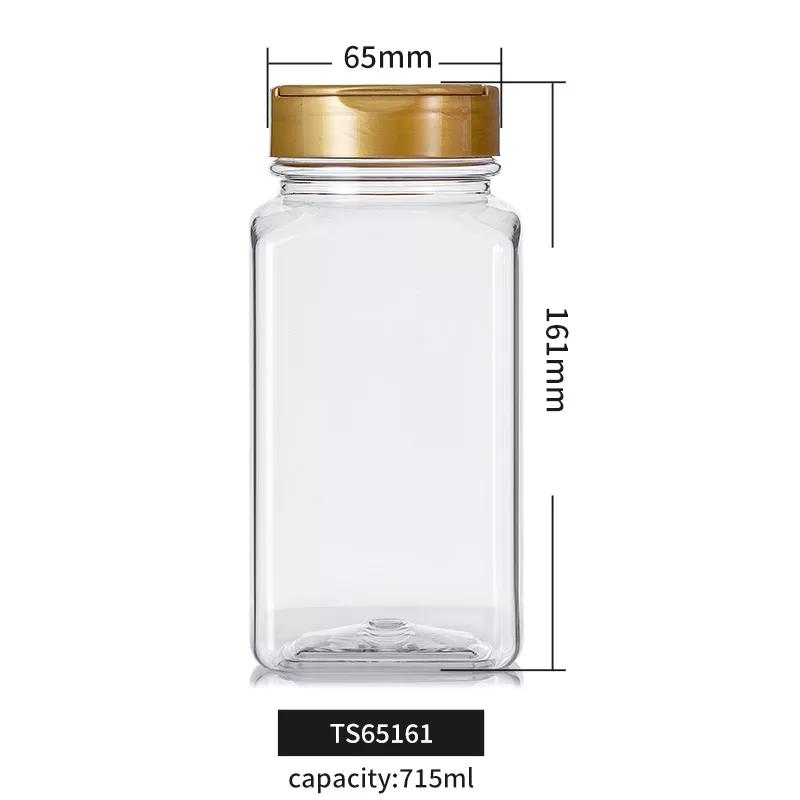
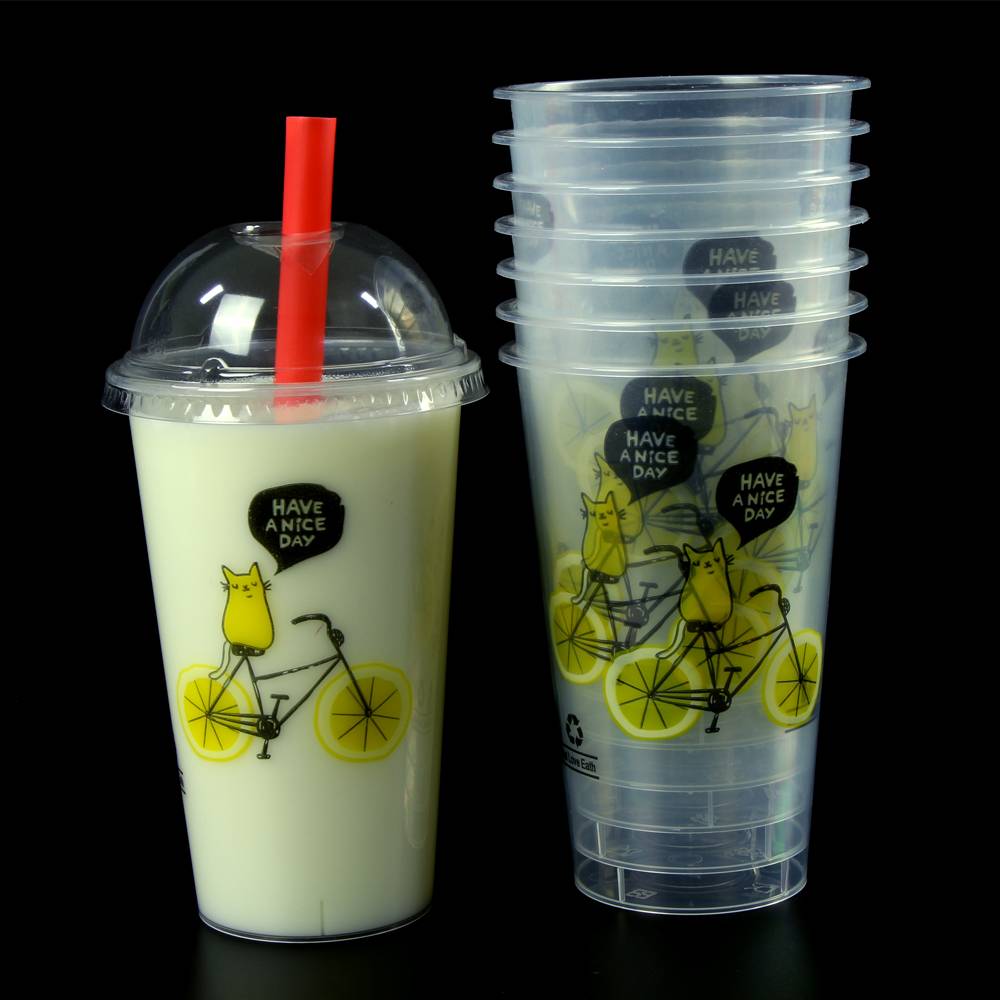


- Related Blog
- Reviews
- Reviews

- English
- French
- German
- Portuguese
- Spanish
- Russian
- Japanese
- Korean
- Arabic
- Irish
- Greek
- Turkish
- Italian
- Danish
- Romanian
- Indonesian
- Czech
- Afrikaans
- Swedish
- Polish
- Basque
- Catalan
- Esperanto
- Hindi
- Lao
- Albanian
- Amharic
- Armenian
- Azerbaijani
- Belarusian
- Bengali
- Bosnian
- Bulgarian
- Cebuano
- Chichewa
- Corsican
- Croatian
- Dutch
- Estonian
- Filipino
- Finnish
- Frisian
- Galician
- Georgian
- Gujarati
- Haitian
- Hausa
- Hawaiian
- Hebrew
- Hmong
- Hungarian
- Icelandic
- Igbo
- Javanese
- Kannada
- Kazakh
- Khmer
- Kurdish
- Kyrgyz
- Latin
- Latvian
- Lithuanian
- Luxembou..
- Macedonian
- Malagasy
- Malay
- Malayalam
- Maltese
- Maori
- Marathi
- Mongolian
- Burmese
- Nepali
- Norwegian
- Pashto
- Persian
- Punjabi
- Serbian
- Sesotho
- Sinhala
- Slovak
- Slovenian
- Somali
- Samoan
- Scots Gaelic
- Shona
- Sindhi
- Sundanese
- Swahili
- Tajik
- Tamil
- Telugu
- Thai
- Ukrainian
- Urdu
- Uzbek
- Vietnamese
- Welsh
- Xhosa
- Yiddish
- Yoruba
- Zulu