



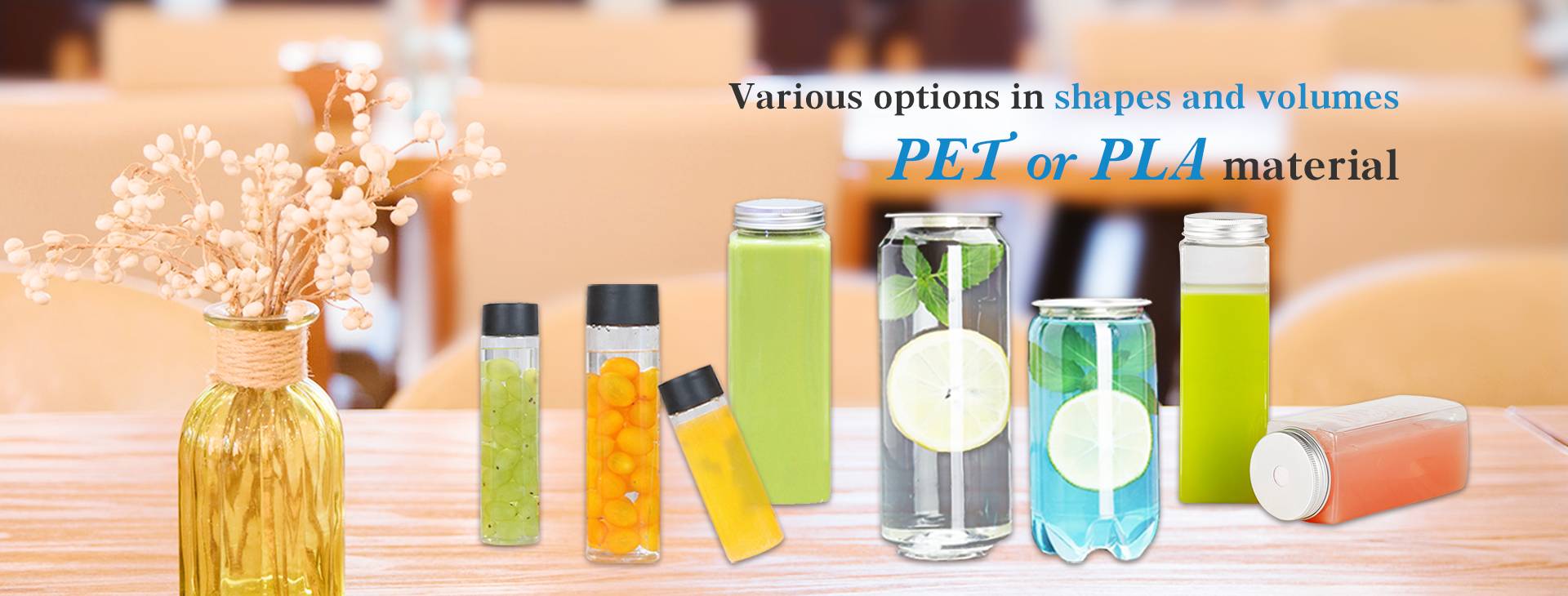
China Manufacturer 700ml Plastic Cup Premium Quality
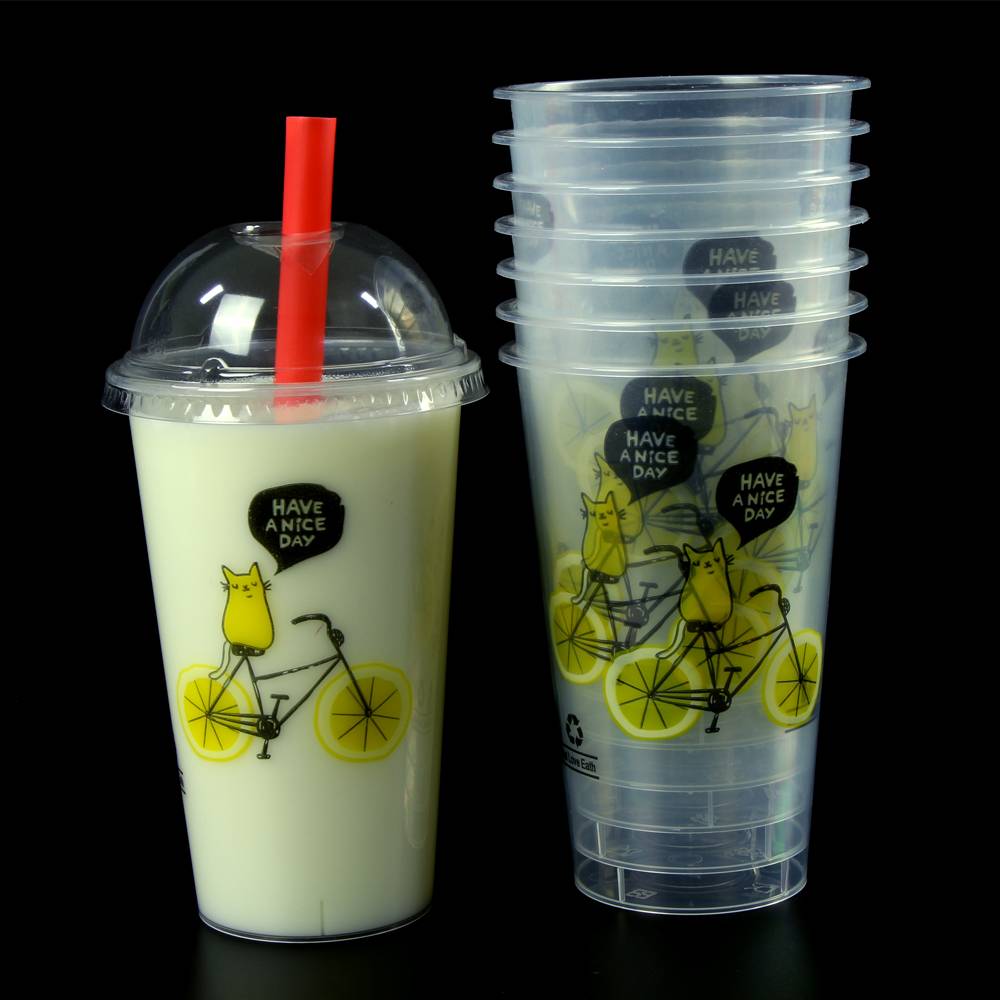
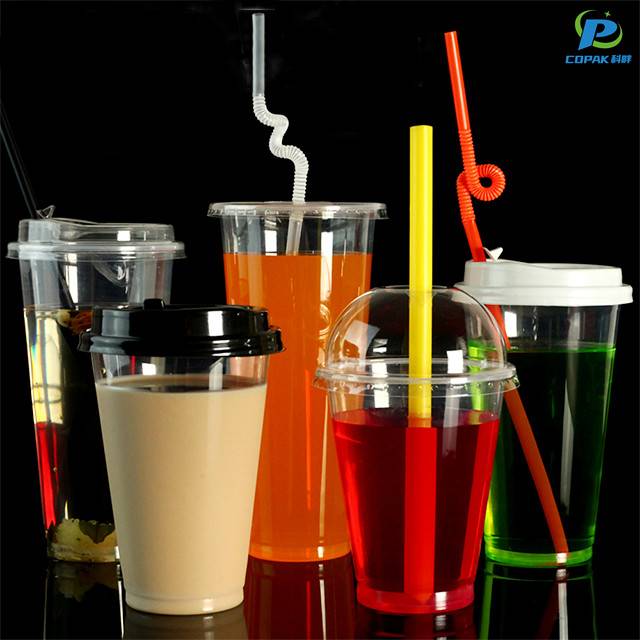
We are a China-based Manufacturer dedicated to empowering professional buyers with reliable, cost-efficient packaging. Our 700ml Plastic Cup meets the demands of busy horeca and bulk distributors. It’s made from food-grade, BPA-free plastic, offering crystal clarity, cracking resistance, and reliable performance in high-volume service. The 700ml capacity is ideal for smoothies, iced tea, or mixed beverages, while its sturdy rim and compatible lids minimize leaks during transport—perfect for take-away programs and in-store displays. We offer ODM/OEM options for branding, logo placement, and custom cup colors to boost your market impact. With scalable production, strict quality checks, and efficient lead times, we serve buyers in China and worldwide, focusing on long-term partnerships rather than one-off orders. As a Manufacturer, we understand procurement cycles, packaging needs, and cost control. If you’re evaluating suppliers for a steady supply of 700ml Plastic Cup, I’m ready to tailor a solution that fits your specs and budget.


700ml Plastic Cup Is The Best Where Innovation Meets 2025
The 700ml plastic cup represents the convergence of practicality and forward-looking design as buyers prepare for 2025 trends: larger single-serve portions, sustainability requirements, and premium convenience. Engineered for strength, lightness and stackability, it offers recyclable PP/PET and high-PCR options, clear or matte finishes, leak-resistant lid compatibility, and heat- or cold-stable variants for hot drinks, smoothies and on-the-go combos. Modern tooling allows crisp printing and embossing for retail branding, while materials meet major food-contact standards (FDA/EU) and industry quality systems. For global procurement teams this cup is a cost-efficient, scalable choice: optimized palletization reduces freight, stable lead times support promotional cycles, and flexible MOQs and customization streamline private-label launches. From stadium concessions to coffee chains and packaged beverage launches, the 700ml solution balances regulatory compliance, sustainability profiles and margin-friendly pricing—making it an ideal product where innovation meets 2025 commercial realities.
| Parameter | Value | Units | Notes |
|---|---|---|---|
| Nominal volume | 700 | ml | Nominal fill capacity for beverage applications |
| Material | Polypropylene (PP) | — | Common food-contact thermoplastic with low density |
| Typical part weight | 12 | g | Lightweight thin‑wall construction for 700 ml |
| Specific gravity (density) | 0.90–0.92 | g/cm³ | Typical for injection-molded polypropylene |
| Average wall thickness | 0.35 | mm | Optimized for rigidity and material use |
| Dimensions (H × Top Ø × Base Ø) | 135 × 95 × 60 | mm | Typical tapered cup geometry for stacking |
| Melting point | 160–170 | °C | Material softening range for PP |
| Recommended service temperature | -20 to 100 | °C | Short-term hot liquid use OK up to ~100 °C |
| Thermal shock tolerance | -20 to 80 | °C (rapid change) | Withstands typical fridge-to-warm‑drink transitions |
| Manufacturing cycle time | 8–12 | s / part | Typical injection-molding cycle for thin-wall cup |
| Production energy (cradle-to-gate) | 0.5 | MJ / unit | Estimated average for molding + resin share |
| Carbon footprint (cradle-to-gate) | ≈28 | g CO2e / unit | Based on resin + molding energy (typical range 20–40 g CO2e) |
| Water use (cradle-to-gate) | 0.35 | L / unit | Estimated process + material water footprint |
| Recyclability (material) | Mechanically recyclable | — | Typical municipal recovery rates vary widely (commonly ~10–20% for post-consumer PP packaging) |
| Reuse potential (household) | ~5 | cycles | Dependent on cleaning method and mechanical wear |
| Leak/test pass rate (QA) | 99.8 | % | Typical production inline integrity testing |
| Food-contact safety | BPA-free; migration limits met | — | Intended for typical beverage contact; follow local guidance for hot-fill reuse |
| End-of-life options | Recycle / Energy recovery / Landfill | — | Material is not biodegradable; recycling preferred where available |
Related Products

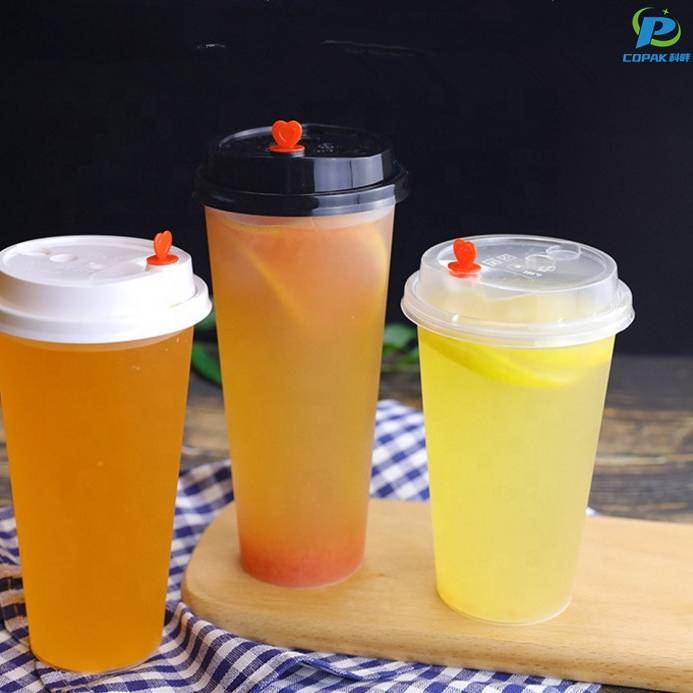
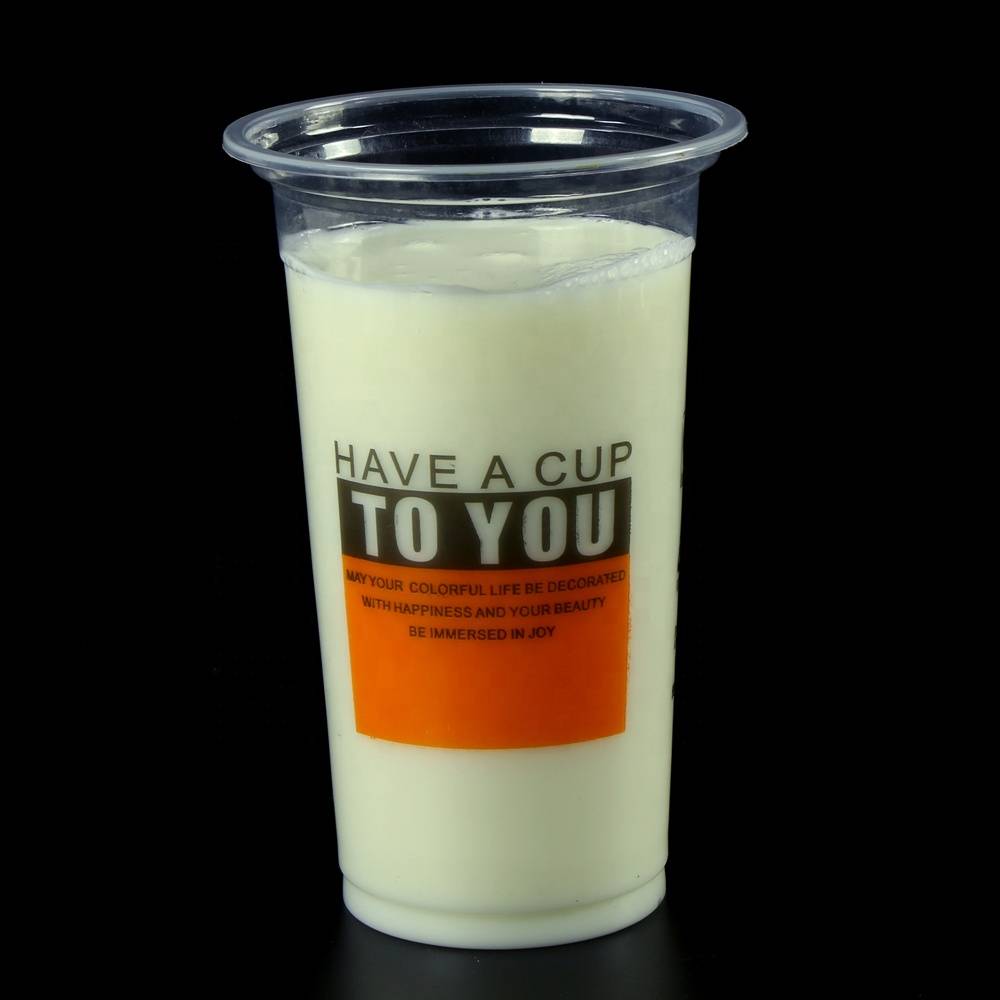
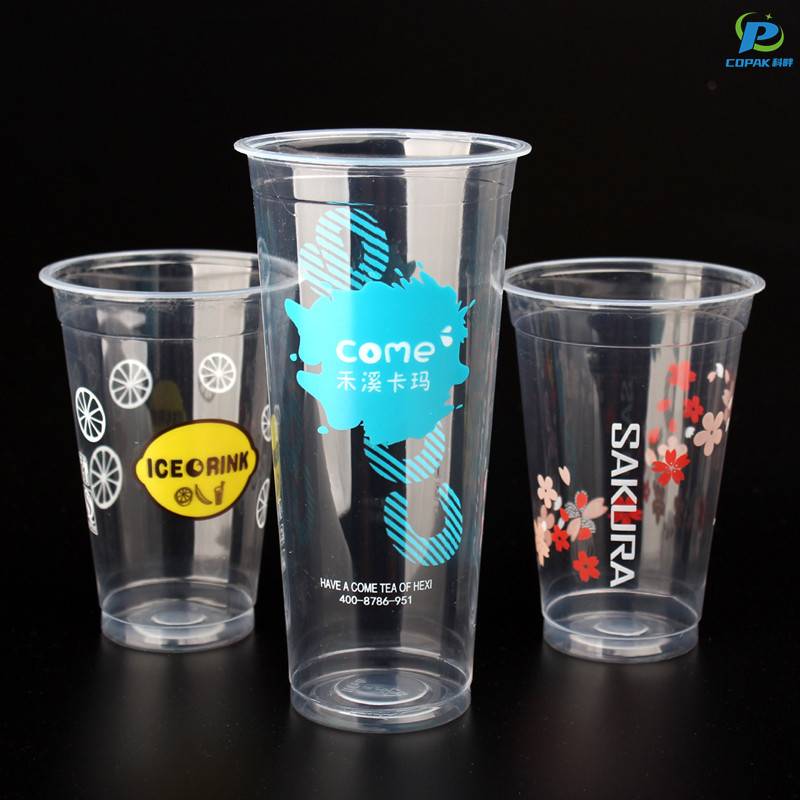

700ml Plastic Cup Industry Leaders Leads the Global Market
Top Selling Products



- Related Blog
- Reviews
- Reviews
