



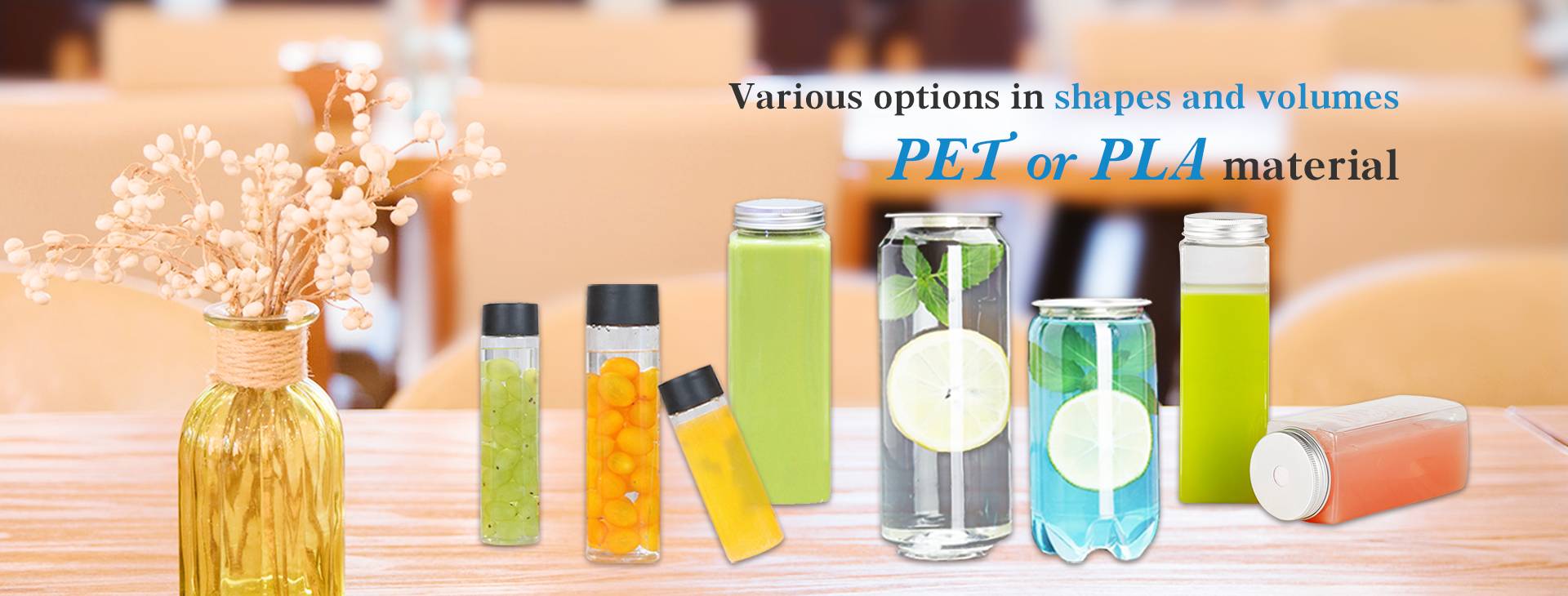
350ml PET Bottle - China Manufacturer for Packaging Solutions
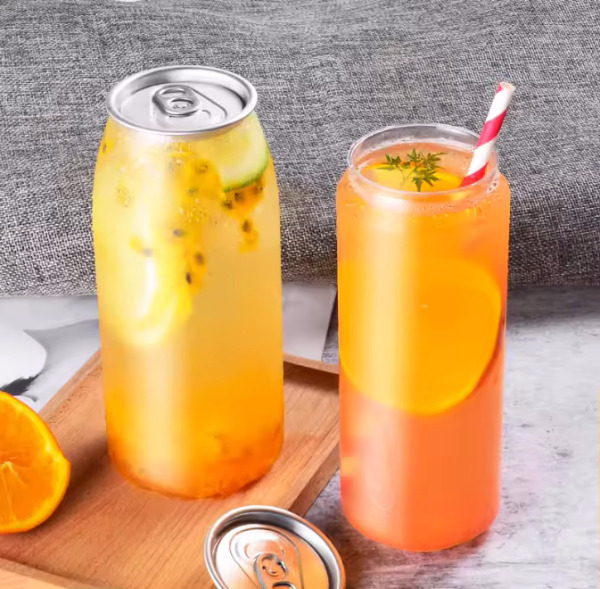
As a China-based manufacturer, I offer the 350ml PET Bottle designed for beverage, sauce and cosmetic brands seeking reliable packaging. This 350ml PET Bottle delivers clear clarity, lightweight strength and high compatibility with standard neck finishes for easy closures. Made from food-grade PET, it meets safety standards for transport and shelf life while remaining recyclable. I provide tight tolerances, consistent wall thickness, and tamper-evident options to reassure your customers. You can choose from several neck finishes, cap colors, and printing techniques to fit your brand identity. Bulk supply, short lead times, and flexible MOQs match the demands of fast-growing businesses. If you’re sourcing from a China-based Manufacturer, I understand your need for stable supply chains, competitive pricing, and reliable quality control. I can tailor packaging sizes, labeling, and artwork approval to streamline your line. Let’s discuss your requirements for the 350ml PET Bottle and build a scalable solution that boosts your product line without compromising performance.

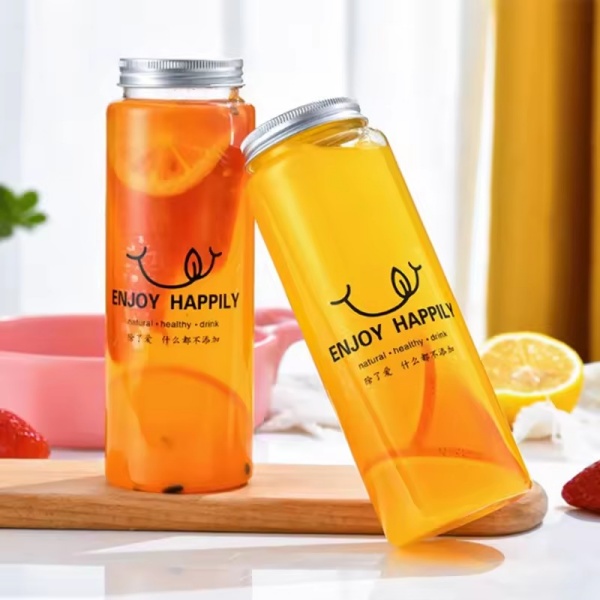
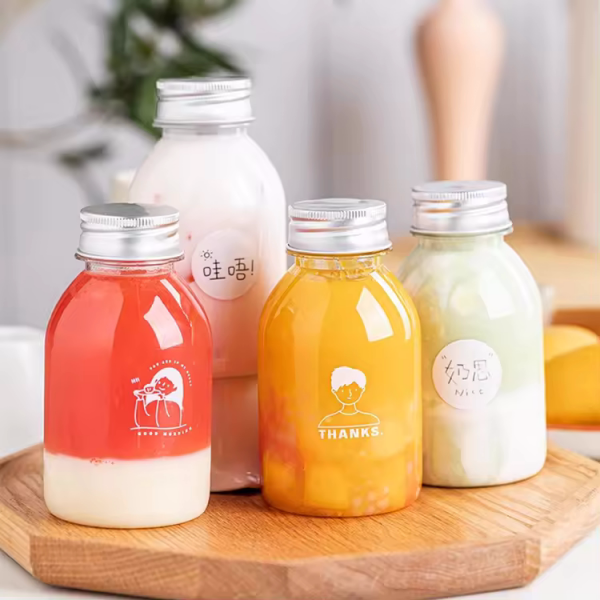


350ml PET Bottle Stands Out Manufacturers You Can Rely On
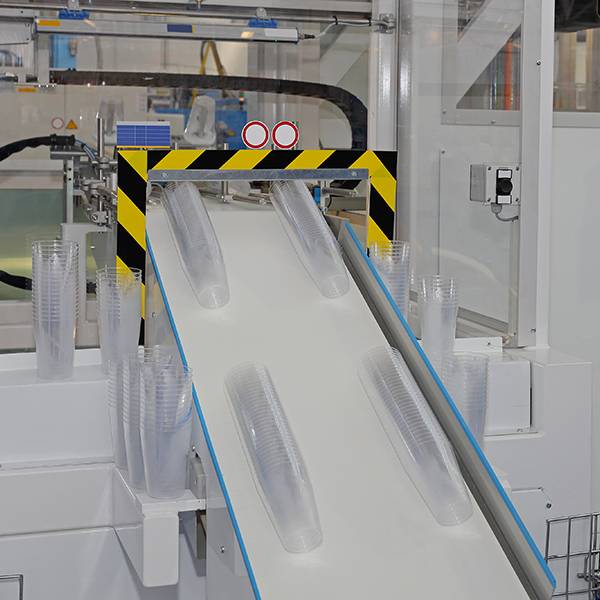
A well-designed 350ml PET bottle combines lightweight durability, crystal clarity and food-grade safety to meet diverse packaging needs—from bottled water, juices and ready-to-drink tea to condiments and personal care products. Our production offers flexible neck finishes, cap options, color and surface treatments, plus printing and labeling solutions so buyers can secure a finished SKU that aligns with brand identity and shelf impact while benefiting from leak-proof performance and easy recyclability. Backed by modern extrusion-blow and injection-blow lines, rigorous quality control and experienced export operations, we deliver consistent quality, competitive lead times and scalable volumes to global partners. Emphasis on efficient logistics, eco-conscious material choices and tailored MOQ options makes collaboration straightforward for importers seeking reliable supply, fast sampling and smooth OEM runs for long-term growth.
{ 350ml PET Bottle Stands Out Manufacturers You Can Rely On}
| Parameter | Typical Value / Range | Measurement / Test Method | Notes / Industry Guidance |
|---|---|---|---|
| Nominal Capacity | 350 mL | Volumetric fill at 20°C | Standard beverage nominal size; tolerance listed separately. |
| Volume Tolerance | ±2% (typical) | Volumetric accuracy test per production line calibration | Common manufacturing target to ensure fill accuracy and labeling compliance. |
| Bottle Weight | 9 – 18 g (depending on lightweight design) | Gravimetric measurement (single bottle) | Weight varies by wall profile, base design, and required pressure rating. |
| Wall Thickness | 0.25 – 0.60 mm (nominal sections) | Caliper or profile scanner | Optimized thickness balances material use, strength and blow moldability. |
| Material | PET (Polyethylene terephthalate), food-grade | Resin certificate & FTIR / DSC for verification | Commonly meets EU & FDA food-contact requirements when using approved resin. |
| Neck Finish | Common finishes: 28-400 / 28-410 (metric threads) | Dimensional gauge per finish spec | Choice depends on cap type (screw cap, sport cap); specify finish for closures compatibility. |
| Manufacturing Process | Injection Stretch Blow Molding (ISBM) or Extrusion Blow Molding (EBM) | Process documentation and machine recipe logs | ISBM typical for lightweight, high-clarity bottles; EBM used for some custom shapes. |
| Typical Cycle Time | ~1.5 – 4.0 seconds per cavity (varies by machine and mold) | Production line throughput records | High-output lines with multi-cavity molds achieve faster effective rates. |
| Mechanical Strength (Tensile) | Tensile strength ~55 – 75 MPa (dry PET, ISO 527) | Tensile testing (ISO 527) | Property depends on resin grade and orientation from stretch-blow process. |
| Pressure / Carbonation Resistance | Typically rated up to 4 – 6 bar for carbonated beverages | Hydrostatic pressure / burst tests | Design and base geometry determine safe working pressure and safety margin. |
| Thermal / Heat Resistance | Short-term exposure up to ~70°C; HDT ~70–80°C | Heat deflection test; practical hot-fill trials | Not suitable for true retort processes (>100°C). Hot-fill requires design validation. |
| Oxygen Transmission Rate (OTR) | ~0.5 – 2 cm³/m²·24h·atm (typical PET bottle wall equivalents) | OTR testing adapted for bottle geometry | Coatings or barrier liners (e.g., PVOH) can substantially improve OTR for sensitive products. |
| Recycled Content (rPET) | Common blends 0 – 30% for clear output; up to 100% possible with adjustments | Mass-balance reporting & rPET assay / documentation | Higher rPET may affect clarity and mechanical properties; regulatory traceability required. |
| Regulatory / Food Safety | Compliant when using approved food-grade PET (EU/FDA guidelines) | Certificates of conformity; migration testing if required | Resin and additives must meet regional food-contact regulations (e.g., EU No. 10/2011, FDA 21 CFR). |
| Surface Finishing & Decoration | Hot-stamping, offset printing, shrink-sleeve labeling, sleeve-printable | Adhesion and abrasion tests post-decoration | Decoration method should be selected considering production rate and barrier/coating compatibility. |
| Typical Applications | Still water, flavored water, non-retort juices, energy drinks, cold-brew coffee | Application suitability assessment | Not ideal for prolonged high-temp sterilization; excellent for cold & chilled beverages. |
| Quality Control Checks | Dimensional checks, visual inspection, leak test, pressure test, weight control | In-line QC and batch sampling per AQL standards | Statistical process control commonly used on high-volume lines to maintain consistency. |
| Tooling Lead Time (Mold) | Typical 4–8 weeks for standard molds; 8–16+ weeks for complex multi-cavity tooling | Tooling project schedule | Times vary with complexity, customization, and sample approval cycles. |
Related Products


350ml PET Bottle Industry Giant Supplies the World\u2019s Top Brands
Top Selling Products





- Related Blog
- Reviews
- Reviews
