



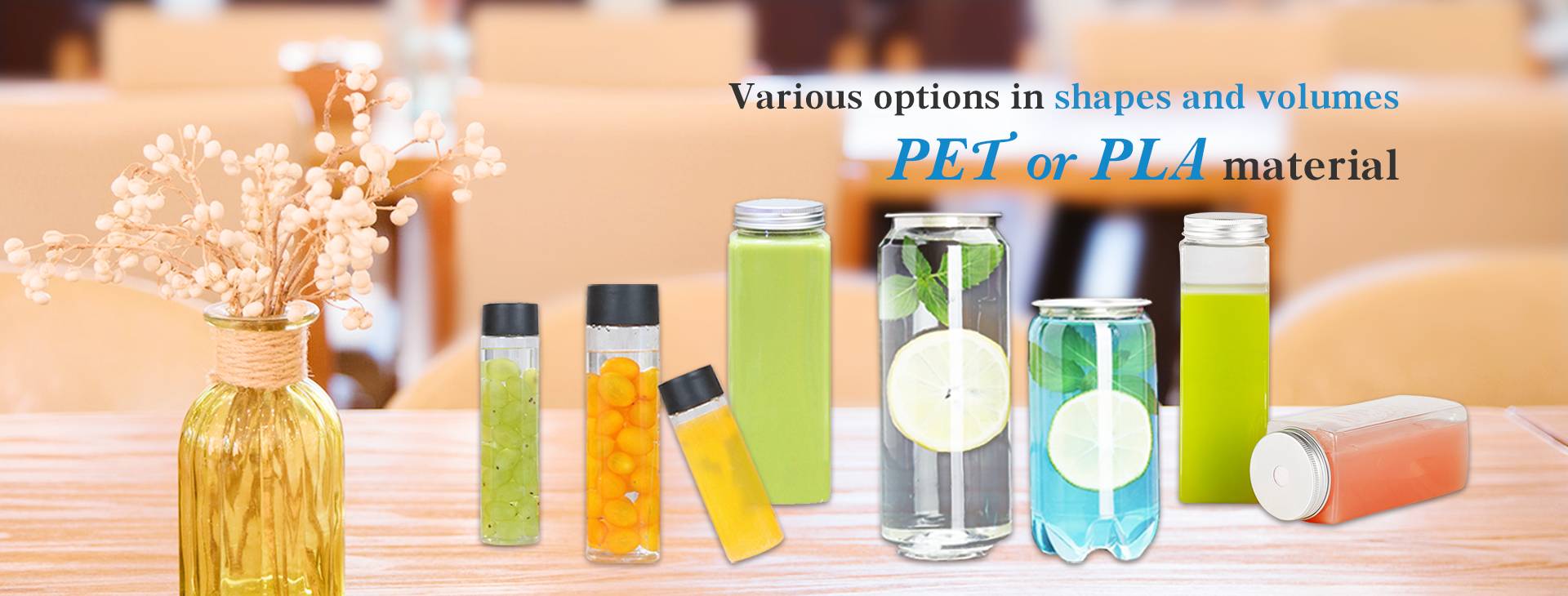
330ml PET Bottles - China Manufacturer for Premium PET Bottles
Based in {China}, I am a {Manufacturer} dedicated to quality. Our 330ml PET Bottles are lightweight, sturdy and stackable, perfect for water, juice, tea, or RTD beverages. I control every step—from resin choice to molding and final QC—so you get consistent volume and color across runs. These bottles are food-grade PET and BPA-free, with reliable closure compatibility and clear, attractive appearance. With flexible MOQs and short lead times, I support seasonal launches and private-label projects. ODM/OEM options include neck finish, printing, and labeling to fit your brand. Whether your team is in {China} or overseas, you’ll find the collaboration smooth and predictable. Share your target quantity and timeline, and I’ll prepare samples and a competitive quote. 330ml PET Bottles — ready to power your next batch.


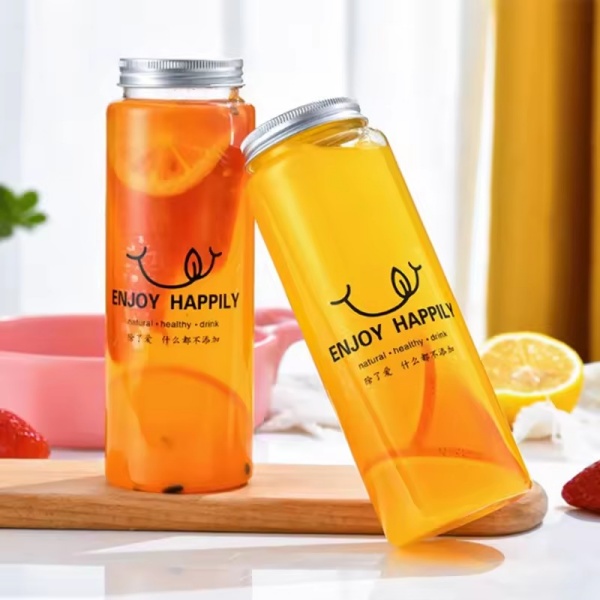
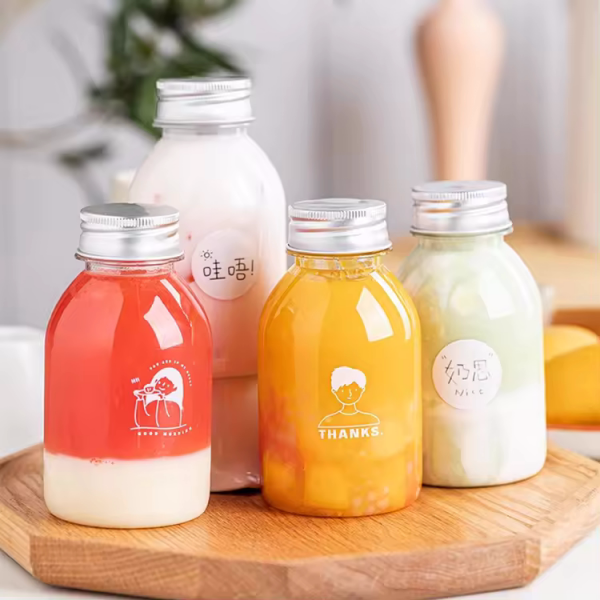
330ml PET Bottles Application Service
330ml PET bottles combine lightweight strength, optical clarity and economical production, making them ideal for beverages, health shots, sauces, cosmetics and household liquids. Constructed from food‑grade, BPA‑free resin with secure neck finishes, they support hot‑fill and cold‑fill processes and are available in clear, tinted or barrier co‑extruded options to protect shelf life and enhance brand presentation. Comprehensive application services cover custom necks and caps, preform and blow‑mold design, label/print and shrink‑sleeve solutions, private molds and volume flexibility from low to mass production. Strict QA with traceable batch testing and international compliance (FDA/EU/ISO/SGS), plus sustainable material choices, competitive pricing, fast sampling and global logistics support, help buyers scale reliably and cost‑effectively.
330ml PET Bottles Application Service
| Application Category | Typical Contents | Outer Dimensions (H × D, mm) | Neck Finish (mm) | Wall Thickness (mm) | Typical Bottle Weight (g) | Cap Type | Fill Temperature (°C) | Recommended Barrier | Regulatory Notes | Labeling & Recycling | Shelf-life Guidance |
|---|---|---|---|---|---|---|---|---|---|---|---|
| Carbonated Soft Drinks | Carbonated water and flavored sodas | 165 × 58 | 28 (screw) | 0.35–0.45 | 14–18 | Screw cap (tamper band) | 4–12 | Multilayer PET or barrier coating to retain CO2 | Food-contact compliance; carbonation pressure testing recommended | Pressure-sensitive & shrink-sleeve; clear PET preferred for recycling (code 1) | 6–12 months (depending on carbonation retention) |
| Still Water | Bottled drinking water, alkaline or mineral water | 180 × 56 | 28 (screw) | 0.20–0.28 | 8–11 | Screw cap (lightweight) | 4–25 | Standard PET; no special barrier typically required | Meets potable water contact regulations; microbial and migration checks advised | Pressure-sensitive labels common; clear PET preferred for recycling | 12–24 months (unflavored water) |
| Sports & Electrolyte Drinks | Electrolyte beverages with minerals and sugars | 175 × 60 | 28 (screw) or sport-pull | 0.28–0.36 | 11–14 | Push-pull sports cap or screw cap | 4–25 | Moderate oxygen barrier beneficial for flavor stability | Comply with beverage compositional regulations; electrolyte labeling required | Shrink-sleeve or direct print; clear or lightly tinted PET for recycling | 6–12 months (depending on formulation) |
| Juices & Acidified Drinks | Fruit juices, nectars, acidified beverages | 170 × 60 | 28 (screw) with tamper band | 0.32–0.40 | 13–16 | Tamper-evident screw cap | Hot-fill up to ~85 (special grade PET recommended) | EVOH layer or heat-set PET for oxygen/flavor protection | Acidic product testing and appropriate migration testing per region | Shrink-sleeve common; colored PET reduces recyclability vs. clear | 6–12 months (processing dependent) |
| Ready-to-Drink Tea & Coffee | Brewed and pasteurized tea/coffee beverages | 172 × 58 | 28 (screw) | 0.26–0.33 | 10–12 | Screw cap (tamper band) | Cold fill or pasteurized; typically <60 | Low-level barrier advised for flavor protection | Comply with beverage processing and labeling regulations; preservative info required if used | Direct print or shrink-sleeve; rinse before recycling | 6–12 months (depending on pasteurization and preservatives) |
| Low-ABV Alcoholic Beverages | Ready-to-drink beer alternatives, alc-based mixers (4–8% ABV) | 178 × 58 | 28 (screw) with tamper band | 0.30–0.36 | 12–14 | Screw cap with tamper-evidence | Cold fill (4–20) | Moderate barrier for aroma/flavor preservation recommended | Follow regional alcohol labeling and volume percentage requirements | Pressure-sensitive or shrink sleeve; recycling depends on cap separation | 9–12 months (best-if-used guidance suggested) |
| Condiments & Liquid Sauces | Vinegars, dressings, liquid condiments (oil/water emulsions) | 165 × 60 | 28 or application-specific neck | 0.34–0.42 | 14–16 | Dispensing caps, flip-top or screw with tamper | Ambient to 40 | Oil-resistant PET or PET with inner coating to prevent migration | Food-contact and preservative labeling; pH and shelf stability testing required | Pressure-sensitive or shrink sleeve; clean and dry before recycling | 12–18 months (depending on preservatives and storage) |
| Personal Care Liquids (cosmetic) | Hand gels, liquid soaps, rinse-off products | 170 × 60 | 24–28 (depends on pump/cap) | 0.26–0.34 | 10–13 | Screw cap, pump (adapter may be required) | Ambient fill | Standard PET; compatibility testing with actives/solvents required | Cosmetic regulatory compliance and ingredient listing required | Direct print or pressure-sensitive; rinse before recycling if contaminated | 12–24 months (formulation dependent) |
Related Products
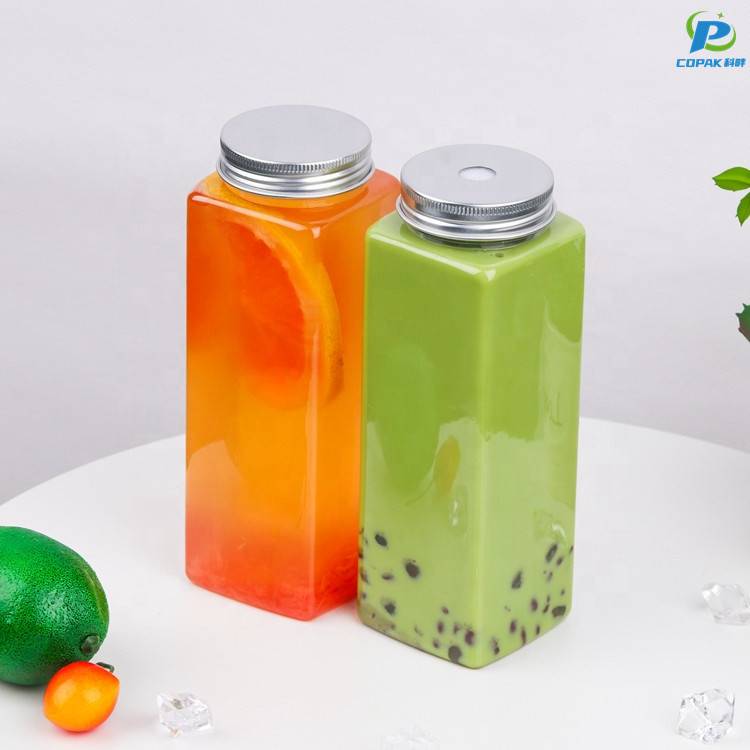
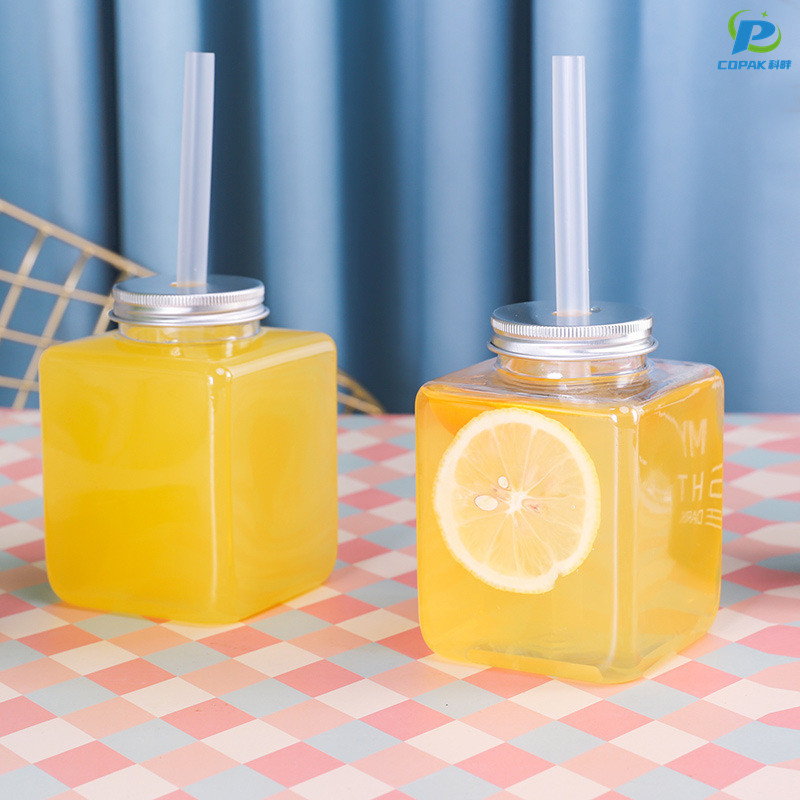

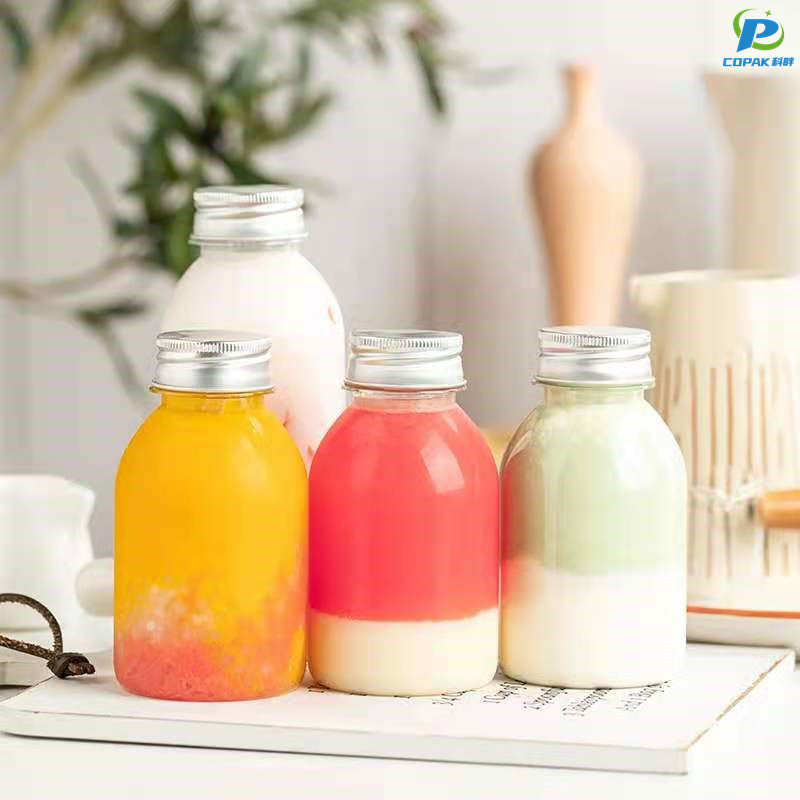



330ml PET Bottles Is The Best Dominates
Top Selling Products





- Related Blog
- Reviews
- Reviews
