



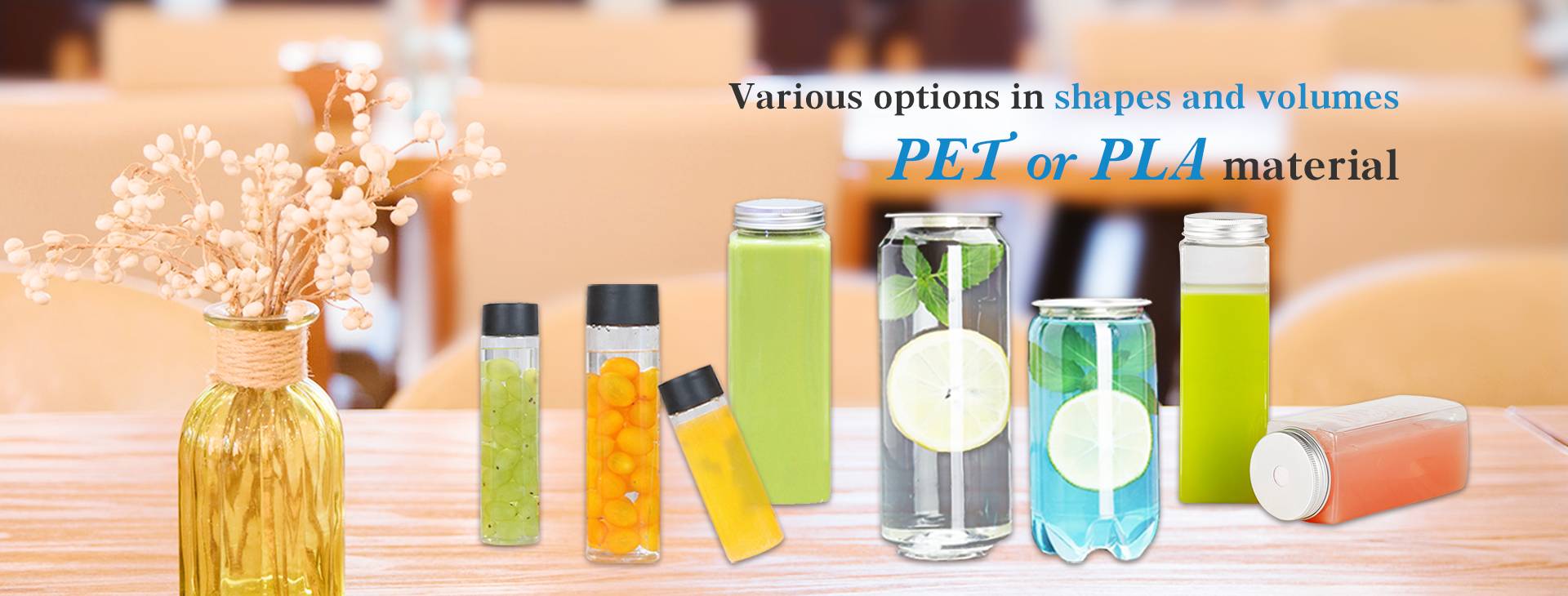
8 Oz Plastic Bottles Bulk - China Manufacturer
From our factory floor to your shelves, I’m a China-based manufacturer offering reliable 8 Oz Plastic Bottles Bulk for cosmetic, culinary, and Laboratory use. We know bulk buyers like you look for consistency, tight caps, and leak-free performance. Our bottles are molded from high-quality PET, with smooth shoulders for easy labeling and uniform wall thickness to reduce light exposure. We can customize closures, tamper-evident seals, and color options to fit your brand. Bulk packaging options reduce handling costs, and our pricing scales with volume to improve your margins. As a manufacturer, I stand behind on-time delivery and strict QA. We hold ISO standards, SGS tested, and ship from strategic ports for faster lead times to your distribution hub. Whether you need repetitive orders or occasional bursts, I’ve got you covered. Let me know your required sizes, closures, and labeling needs, and I’ll tailor a plan you can trust.


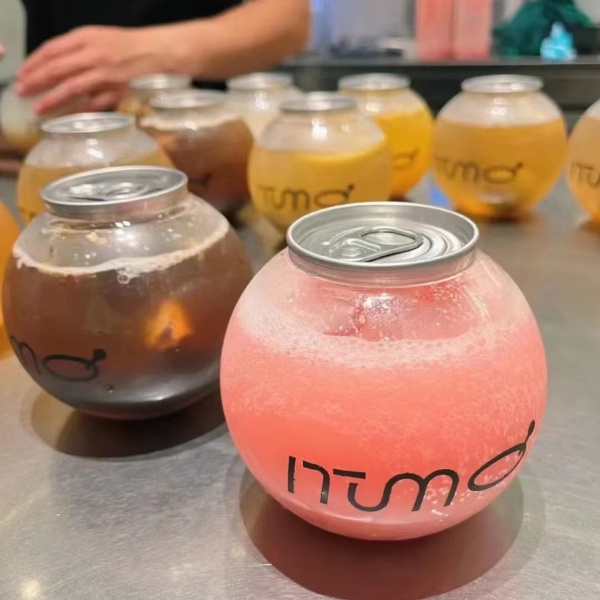


8 Oz Plastic Bottles Bulk Guarantees Peak Performance Winning in 2025
As global demand shifts toward compact, cost-efficient packaging, sourcing 8 oz plastic bottles in bulk is a strategic move to guarantee peak performance and market agility in 2025. These bottles deliver consistent dosing for personal care, foodservice, and specialty products while reducing per-unit costs, optimizing storage and shipping, and enabling faster time-to-market. Lightweight, durable designs improve production line speed and lower transportation emissions, supporting both profit and sustainability goals. For procurement teams, bulk purchasing opens opportunities for customization, tamper-evident closures, and PCR content to meet regional regulations and consumer expectations. Prioritizing suppliers with rigorous quality control, certifications, and reliable lead times ensures supply continuity and protects brand reputation. Smart volume planning plus tested materials and fittings translate into better ROI and competitive advantage as markets evolve.
| Attribute | Specification / Value | Relevant Test / Standard | Measured Performance (Representative) | Sustainability & Notes |
|---|---|---|---|---|
| Capacity (nominal) | 8 fl oz (≈236 mL) | Filling tolerance ±2% | Average fill = 236 ±4.7 mL | Nominal volume printed on label; suitable for retail beverages |
| Material | PET (Polyethylene Terephthalate) | ISO/ASTM material classification | Density ≈1.37–1.40 g/cm³; excellent clarity | Widely accepted in curbside recycling streams (recycling code: 1) |
| Wall Thickness | Typical 0.35–0.70 mm | Design tolerance per tooling | Measured average 0.48 mm; consistent across runs | Optimized for stiffness-to-weight ratio and transport efficiency |
| Bottle Mass (empty) | 9–16 g (typical range) | Gravimetric measurement | Average mass ≈12.5 g per bottle | Lightweight design reduces transportation emissions |
| Dimensions (HxØ) | Approx. 110 mm × 45 mm | Manufacturing tolerance ±1.5 mm | Consistent fit for automated filling and labeling lines | Standard footprint for many beverage applications |
| Neck Finish | 24-410 thread (typical) | Thread gauge / torque check | Torque test: 95% pass at 1.5 N·m; consistent sealing | Compatible with common screw closures |
| Closure Type | Screw cap (polypropylene liner) | Seal integrity & torque tests | Seal integrity pass rate ≈99.6% under vibration cycles | Caps are typically recyclable when separated by stream |
| Service Temperature | Continuous: -20°C to 60°C; Short-term up to 80°C | Thermal aging & deformation tests | No permanent deformation under 60°C during 72-hour test | Not recommended for boiling liquids |
| Chemical Compatibility | Good with aqueous solutions, juices, soft drinks; limited solvent resistance | Migration & compatibility screening | No detectable migration above typical regulatory thresholds in standard tests | Avoid for strong solvents or long-term storage of aggressive chemicals |
| Oxygen Transmission Rate (OTR) | Typical range 0.5–2.0 cc/m²·day (23°C, 0% RH) | ASTM D3985 (comparative) | Suitable for low-oxygen sensitivity beverages; may require barrier for highly oxygen-sensitive liquids | Barrier coatings or multi-layer options improve shelf life if needed |
| Water Vapor Transmission Rate (WVTR) | Approx. 1–3 g/m²·day (typical PET) | ASTM F1249 (comparative) | Adequate for most beverages; not critical for low-moisture solids | Performance varies with thickness and additives |
| Leakage Performance | <0.5% failure in vibration & drop test protocols | ISTA-like vibration and drop cycles | Average leak volume <0.1 mL/day post-test | High seal integrity for distribution and retail |
| Shelf Life (typical) | 1–3 years depending on contents and storage | Accelerated stability and real-time studies | Non-reactive liquids stable >2 years under recommended storage | UV-sensitive contents may require tinted or opaque packaging |
| Recyclability & End-of-life | Recycling code 1 (PET); curbside acceptance where PET streams exist | Recycling infrastructure & sorting capability | Post-consumer recycling rates vary by region (commonly 20–50%) | Design for recyclability: single polymer, minimal multimaterial components |
| Typical Carbon Footprint Estimate | Approx. 50–90 g CO2e per bottle (material + production, empty) | Simplified cradle-to-gate LCA | Lightweighting reduces emissions relative to heavier designs | Increased recycled content lowers footprint |
| Recycled Content Potential | Commonly 10–30% rPET for food-contact; higher levels for non-sensitive uses | Regulatory compliance for food contact rPET | Pilot runs show up to ~25% rPET with minimal clarity loss | rPET increases circularity; certification recommended for food uses |
| Manufacturing Yield & Quality | Typical defect/trim rate 0.5–2.0% | Inline visual & dimensional inspection | Representative yield ≈98.5% with current process controls | Inline inspection and torque audits recommended to maintain yield |
| 2025 Market Trend Indicator | Growing preference for recyclable, lightweight packaging | Market intelligence & sustainability commitments | Design-for-recyclability and rPET use drive competitive advantage | Sustainable credentials and minimal multilayer constructions will win in 2025 |
Related Products

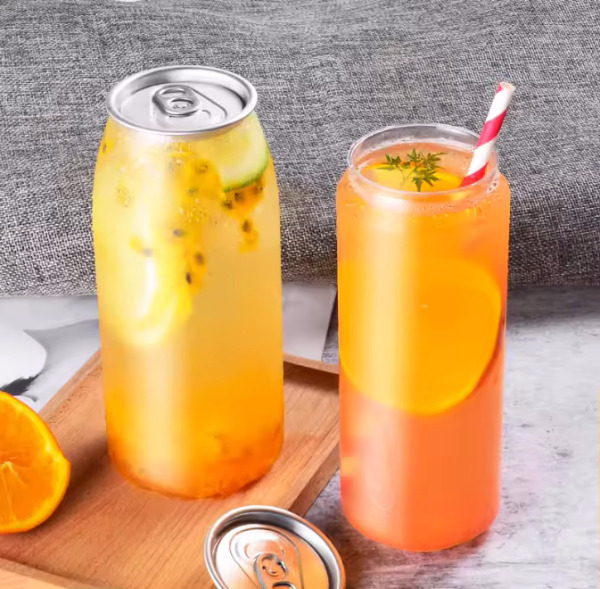
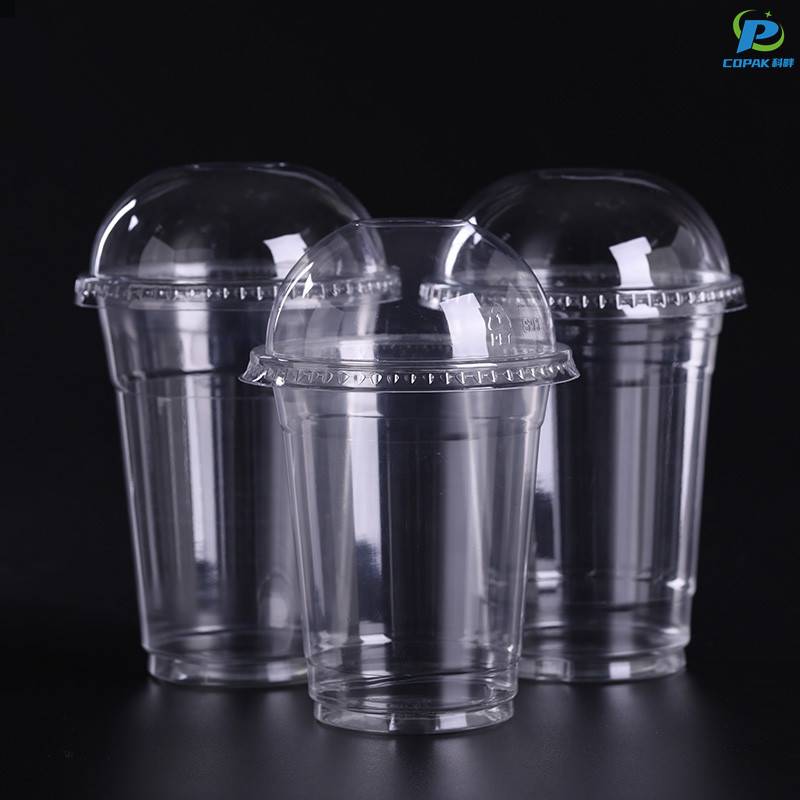


8 Oz Plastic Bottles Bulk Leads the Global Market More Than a Supplier - A Partner
Top Selling Products



- Related Blog
- Reviews
- Reviews
