



Custom Plastic Cups With Lids - China Manufacturer
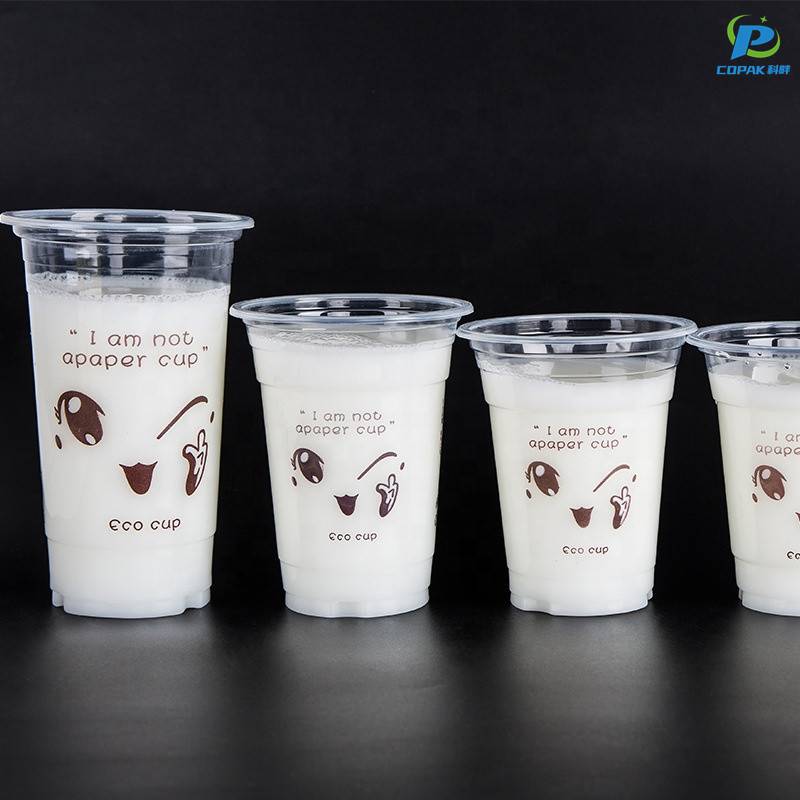
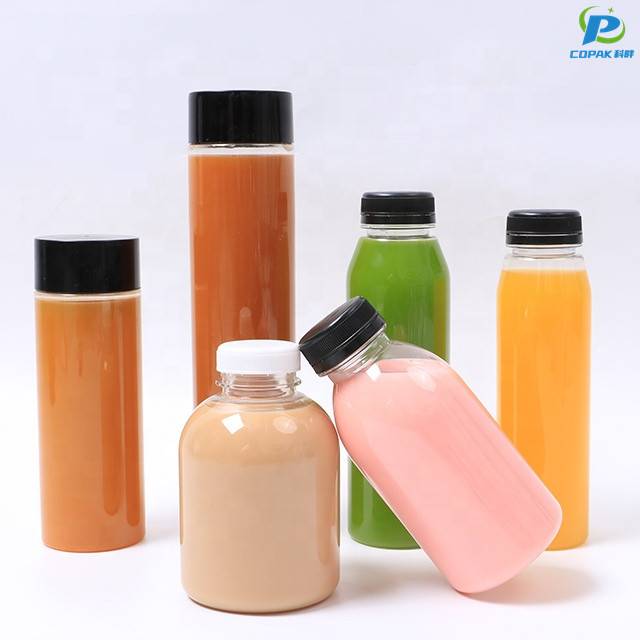
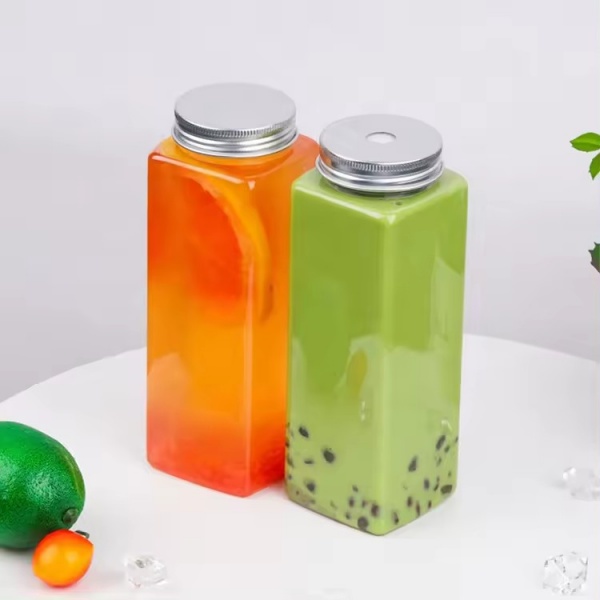
From our factory floor to your catalog, I stand behind {Custom Plastic Cups With Lids}. We ship direct from a {China}-based {Manufacturer} that understands tight timelines. Our cups are BPA-free, food-grade, with smooth rims and secure-lid designs that prevent leaks. I offer sizes from 6 oz to 16 oz, for hot and cold beverages. We customize colors, logos, and prints for brand fit, with MOQ-friendly runs and scalable capacity. For packing, we provide bulk cartons or display-ready sets to speed your shelf presence. Quality control is my promise—batch traceability, leak testing, and fast replacements if needed. If you’re seeking a reliable partner, I’m ready to discuss timelines, certifications, and pricing.



Custom Plastic Cups With Lids Market Leader Delivers Unmatched Quality
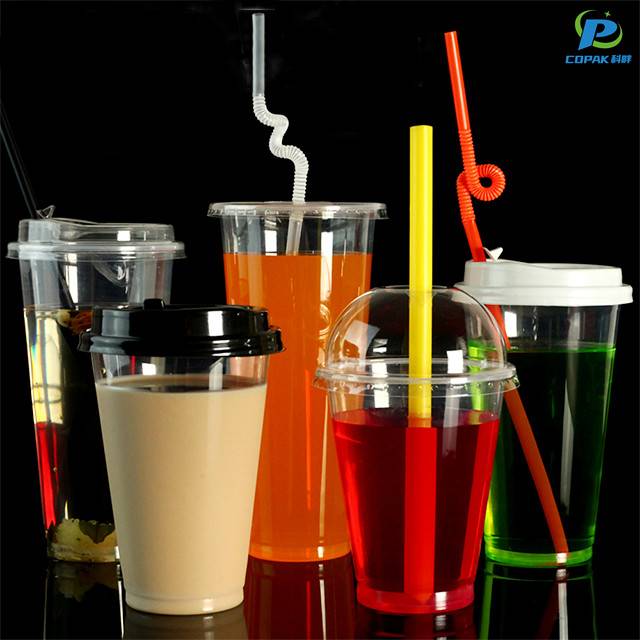
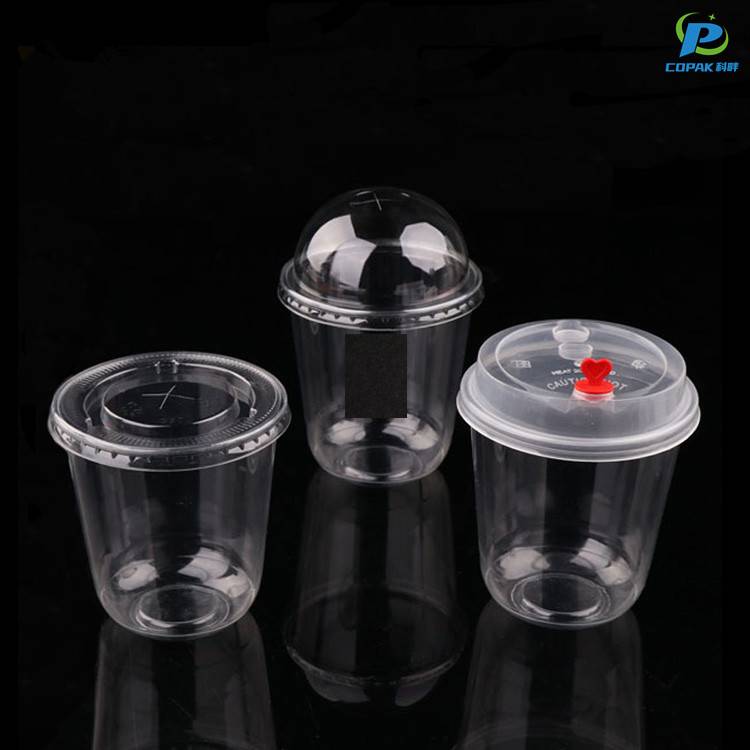
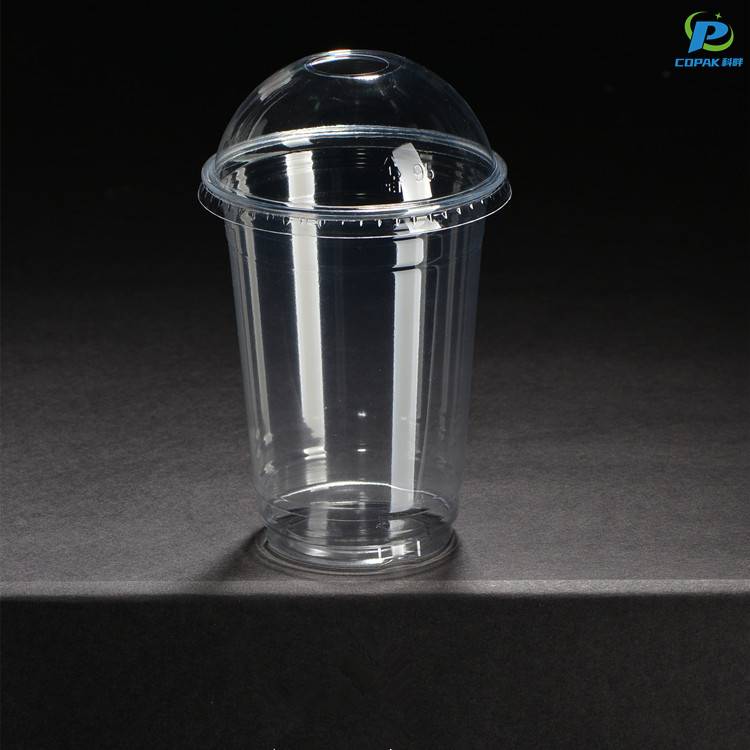
As the market leader in custom plastic cups with lids operating from a Shanghai manufacturing base, we deliver unmatched quality through strict material selection, advanced injection molding and thermoforming, and rigorous quality control. Food-grade materials (PET, PP, PLA), recyclable options, and multiple lid styles—flat, dome, sip—ensure safe, stylish solutions for beverage, catering, and retail brands worldwide. Global buyers benefit from flexible OEM/ODM services—custom sizes, colors, full-color printing and logo embossing—alongside rapid prototyping, scalable high-volume production, relevant certifications and reliable logistics. Competitive pricing, sustainable material choices and dedicated account support make partnering with our team the smart way to elevate packaging, reduce risk and accelerate market growth.
| Attribute | Details | Typical Range / Value | Notes / Standards |
|---|---|---|---|
| Product Category | Custom plastic cups with matching lids for beverages and foodservice | Single-use and reusable options | Optimized for cold beverages; lid compatibility is critical |
| Primary Materials | PET (Polyethylene Terephthalate), PP (Polypropylene), PLA (Polylactic Acid) | PET / PP / PLA | Material choice affects clarity, heat resistance and end-of-life options |
| Typical Lid Types | Flat snap-on, dome with straw hole, screw-on, hinged | Flat / Dome / Screw / Hinged | Selection impacts leak resistance and beverage presentation |
| Capacity Range | Common sizes for cold beverages and smoothies | 8 oz (237 ml) — 32 oz (946 ml) | Custom capacities feasible within tooling limits |
| Wall Thickness (cups) | Dependent on material and intended reuse | 0.20 – 0.60 mm (typical for PET thermoformed cups) | Thicker walls for higher rigidity or reusable designs |
| Dimensional Tolerance | Manufacturing tolerance for critical dimensions | ±0.3 mm (typical); critical sealing surfaces ±0.1–0.2 mm | Tighter tolerances reduce lid leakage risk |
| Density (typical) | Material bulk density used for weight estimates | PET: 1.38 g/cm³; PP: 0.90 g/cm³; PLA: 1.24 g/cm³ | Affects unit weight and shipping mass |
| Melting / Service Temperatures | Guidance for hot-fill and dishwasher use | PET melt ~250–260°C; PP melt ~160–170°C; PLA melt ~150–160°C | Useful temp: PET ≤70°C; PP up to ~100°C (short-term); PLA ≤40–50°C |
| Mechanical Properties (typical) | Representative tensile strengths | PET: 50–80 MPa; PP: 30–40 MPa; PLA: 50–70 MPa | Values vary with polymer grade and orientation |
| Clarity / Optical Quality | Important for product presentation | PET haze <5% (high clarity); PP haze ~10–20% | Thermoforming and film quality determine clarity |
| Food Contact Compliance | Typical regulatory benchmarks | FDA 21 CFR (US), EU 10/2011 (EU) commonly applied | Migration and extractables tested per region |
| BPA / Additives | Consumer safety considerations | PP and PET are typically BPA-free | Additive disclosure is standard for food contact materials |
| Recycling Code / End-of-Life | Common disposal streams | PET: #1; PP: #5; PLA: often #7 (compostable in industrial facilities) | Local recycling infrastructure determines actual routing |
| Environmental Impact (est.) | Embodied greenhouse gas per unit (approx.) | PET: ~25–50 g CO2e / cup; PP: ~10–30 g CO2e; PLA: ~15–40 g CO2e | Estimates vary with feedstock, processing and transport |
| Typical Unit Weight | Useful for logistics and material planning | ~6–10 g (8 oz PET); 12–20 g (16–20 oz PET); up to 30–40 g for large / thicker cups | Weight depends on material and wall thickness |
| Leak Resistance | Practical performance for takeaway use | Screw lids: high; Dome screw or tight snap: good; Simple snap: adequate for cold drinks | Testing via leak and drop tests recommended |
| Common Applications | Where these products are typically used | Cold beverages, iced coffee, smoothies, soft drinks, dessert containers | Not generally recommended for long-term hot liquid use unless specified |
| Colors & Finishes | Aesthetic and functional options | Clear, translucent, tinted, opaque; matte or glossy finishes | Masterbatch color systems used for custom tones |
| Storage & Shelf Life | Best practices for warehousing | 12–24 months when stored dry, cool and away from UV | Avoid prolonged sunlight and high humidity to prevent deformation |
| Manufacturing Methods | Common production techniques | Thermoforming (PET), Injection molding (lids), Extrusion thermoforming | Method choice affects tooling lead time and unit cost |
| Quality Controls & Testing | Typical checks before shipment | Dimensional checks, leak tests, optical clarity, migration tests | Standards applied per market region (FDA, EU) and customer specs |
Related Products



Custom Plastic Cups With Lids Winning in 2025 Custom Solutions,
Top Selling Products




- Related Blog
- Reviews
- Reviews
