



Plastic Cold Cup - China Manufacturer for Trusted Buyers
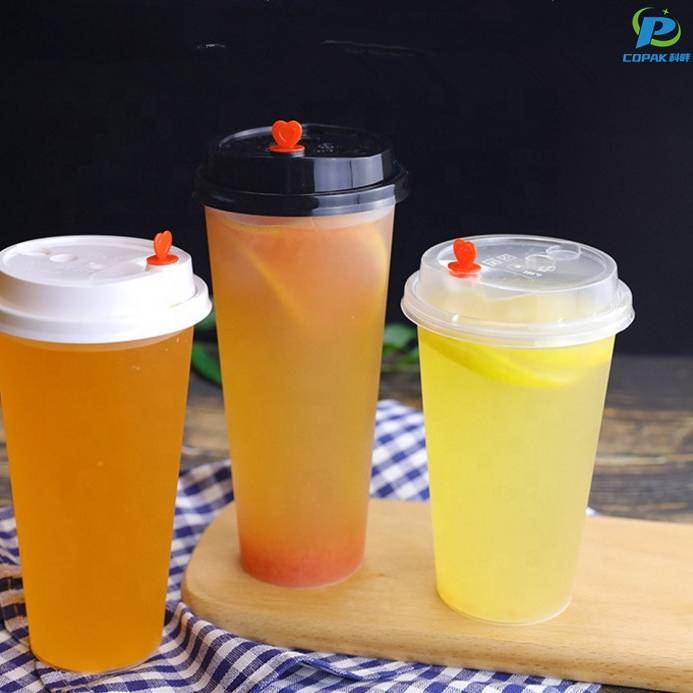
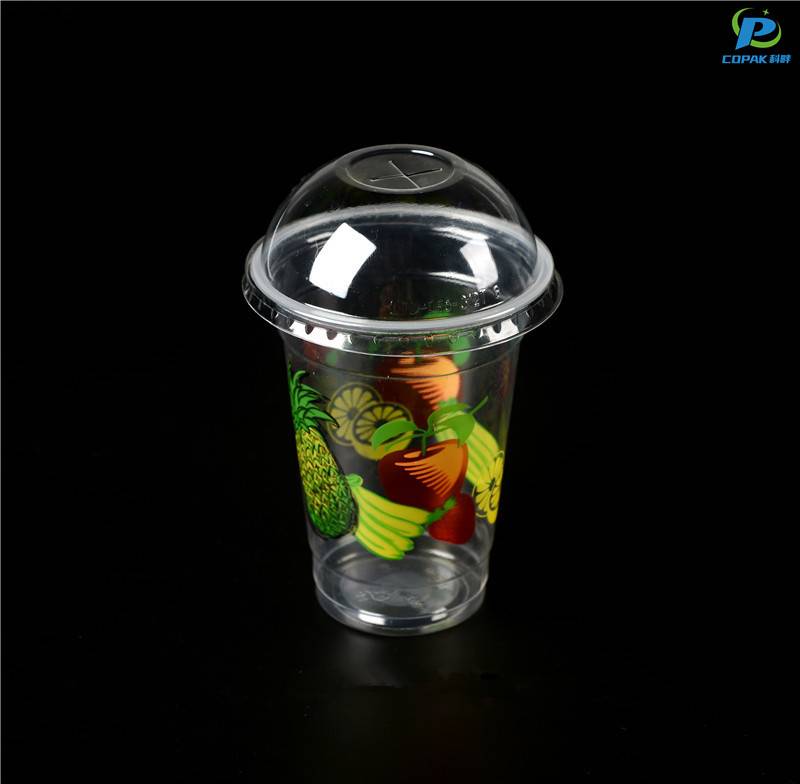
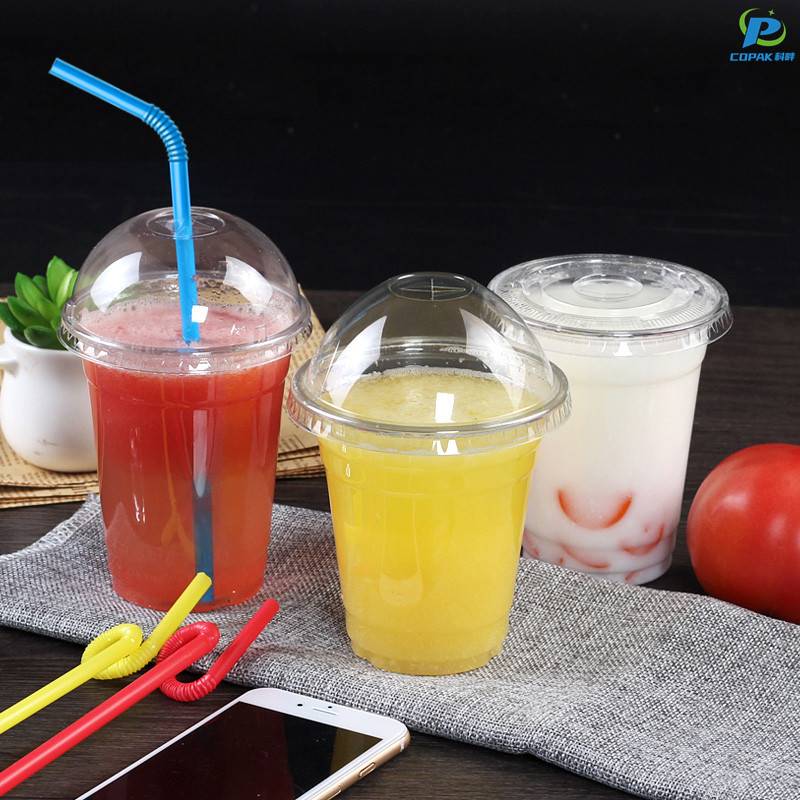
From our factory in China, we deliver reliable Plastic Cold Cup solutions for foodservice, retailers, and distributors. As a China-based manufacturer, we understand the needs of B2B buyers: durability, cost efficiency, and compliant packaging. Our Plastic Cold Cup is crystal clear, BPA-free, food-grade, stackable, and leak-resistant, designed for cold beverages, smoothies, iced coffee, and retail giveaways. We offer various sizes, wall thicknesses, and customization options such as logos, printing, and color caps. We ensure strict quality control, ISO-certified manufacturing, and on-time delivery. We ship domestically in China and export worldwide; our flexible MOQs fit startups to large chains. We provide competitive pricing for bulk orders, custom packaging, and reorders. Partnering with us means dependable supply, transparent communication, and a straightforward ordering process. If you’re sourcing Plastic Cold Cup for a chain or distributor network, we’re ready to support your growth with reliable products and local service.




Plastic Cold Cup Supplier Ahead of the Curve
As a plastic cold cup supplier ahead of the curve, we combine advanced material selection, precision tooling and strict quality control to meet the evolving needs of global beverage brands and distributors. Our range includes crystal-clear PET cups, durable PP options and sustainable alternatives designed for excellent clarity, leak resistance and stackability. Continuous product development focuses on improved barrier performance, anti-fog finishes and lightweight designs that lower shipping costs without compromising strength. For international buyers, reliability matters: consistent batch-to-batch quality, scalable production capacity, competitive pricing and flexible customization (printing, rims, lids and sizes) streamline sourcing and brand presentation. We comply with international quality standards and offer transparent supply-chain support, fast sampling and dependable lead times to keep retail, food service and private-label programs moving smoothly. Partner with a supplier that anticipates market trends and delivers practical, cost-effective cold cup solutions.
| Product Variant | Material | Capacity (ml / oz) | Wall Type | Lid Compatibility | Recycled Content | Thickness (μm) | Compostable | Recyclability | Certifications & Standards | Typical Use | Manufacturing Process | Lead Time (weeks) | Estimated Carbon Footprint (kg CO2e/unit) |
|---|---|---|---|---|---|---|---|---|---|---|---|---|---|
| Clear PET rigid cold cup | PET (Polyethylene Terephthalate) | 355 ml / 12 oz | Single-wall | Flat, plug or dome lids | 0% | 180 | No | Widely recyclable where PET is collected | FDA food-contact; EU 10/2011; ISO 9001 | Iced beverages, soft drinks, smoothies | Thermoforming from PET sheet | 3 | 0.03 |
| Double-wall insulated PET cup | PET (double-wall construction) | 473 ml / 16 oz | Double-wall (air gap) | Screw-fit / press-fit compatible | 10% rPET | 300 (total) | No | Recyclable if stream accepts multi-layer PET; separation recommended | FDA food-contact; ISO 9001 | Iced coffee, drinks needing insulation | Thermoforming + ultrasonic/heat welding | 4 | 0.06 |
| PLA compostable clear cup | PLA (Polylactic Acid) | 473 ml / 16 oz | Single-wall | Compostable dome/flat lids | 0% | 220 | Yes — industrial composting | Not recyclable in conventional PET streams; requires industrial compost facility | ASTM D6400; EN 13432; ISO 14001 (facility) | Short-lived events, eco-focused outlets | Injection molding / thermoforming from PLA sheet | 5 | 0.04 |
| High rPET content cold cup (50% PCR) | rPET (post-consumer recycled PET) | 591 ml / 20 oz | Single-wall | Standard snap-fit lids | 50% | 200 | No | Recyclable in PET stream where accepted | FDA-compliant material; EU 10/2011; Global Recycled Standard (GRS) applicable | Chains and outlets prioritizing recycled content | Thermoforming from rPET sheet | 6 | 0.025 |
| Translucent PP cold cup | Polypropylene (PP) | 350 ml / 12 oz | Single-wall | Snap-fit lids | 0% | 250 | No | Recyclable where PP collection exists; variable by region | FDA food-contact; ISO 9001 | Smoothies, shakes, chilled beverages | Injection molding | 3 | 0.05 |
| PLA + PBAT compostable blend cup | PLA blended with PBAT (industrial-compostable blend) | 400 ml / 13.5 oz | Single-wall | Compostable lids recommended | 0% | 230 | Yes — industrial composting | Not suitable for conventional recycling; requires industrial composting | ASTM D6400; EN 13432; ISO 17088 where applicable | Takeaway cold drinks, event catering | Cast film thermoforming / sheet forming | 5 | 0.045 |
Related Products


Plastic Cold Cup Service Where Service Meets Innovation
Top Selling Products




- Related Blog
- Reviews
- Reviews
