



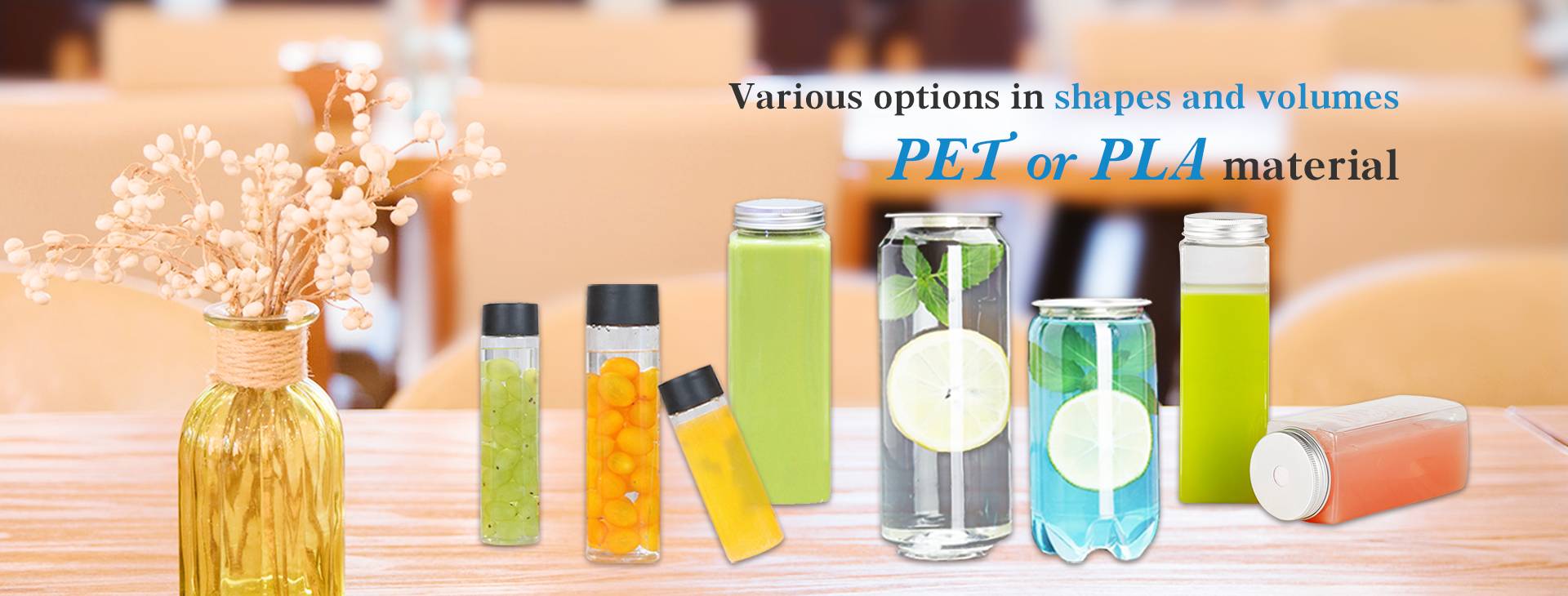
PET Boston Round Bottles Manufacturer in China | Premium Quality
From a China-based Manufacturer, I supply PET Boston Round Bottles designed for cosmetics, essential oils, and personal care lines. I offer a dependable range in sizes from 15 ml to 500 ml, clear and amber options, with white or black caps and compatible closures. Buyers value consistent quality, fast lead times, and flexible MOQs, so I tailor packaging solutions to fit your production schedules. I can provide neck finishes, tamper-evident bands, and label-ready options for easy line integration. Our bottles are lightweight, impact resistant, and BPA-free, with good chemical compatibility for solvents. I carry certifications and can supply material test reports (FDA/EFSA where required). I ship globally from China, supporting both small startups and large manufacturers with reliable stock, competitive pricing, and strong after-sales service. If you’re seeking a trustworthy PET Boston Round Bottles partner, I’m ready to help.
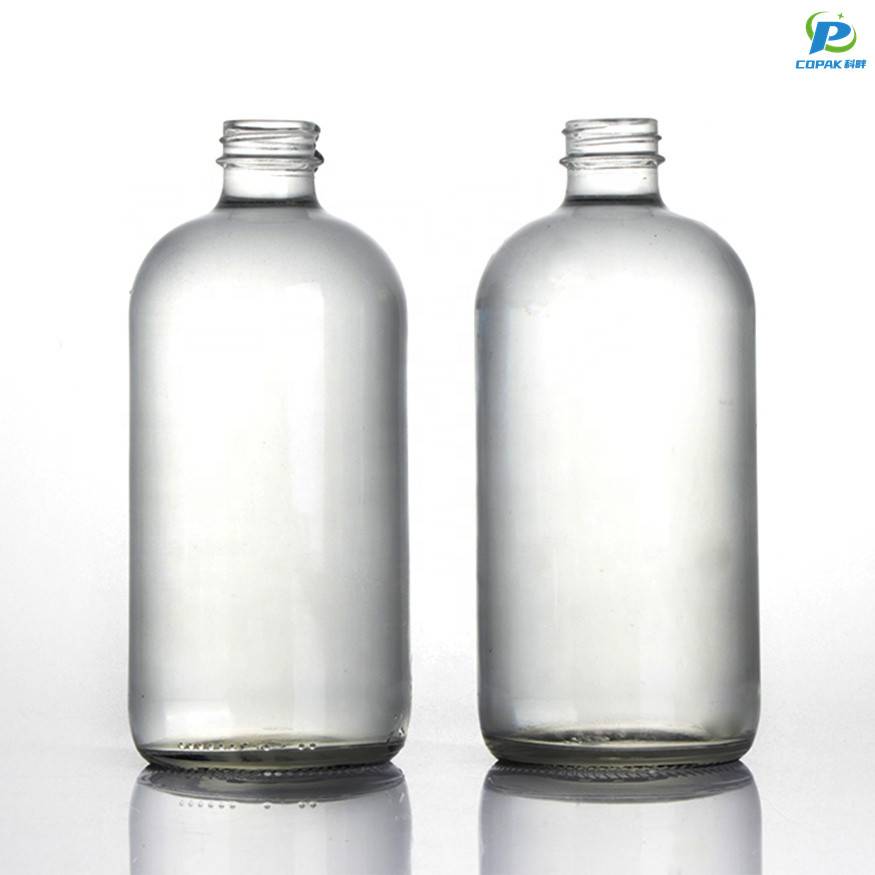


PET Boston Round Bottles Ahead of the Curve From Concept to Delivery
PET Boston Round bottles combine classic aesthetics with modern performance—lightweight yet robust, chemically resistant, and perfect for cosmetics, pharmaceuticals, nutraceuticals, essential oils and household chemicals. Their timeless silhouette supports sleeve labeling, hot-stamping, and custom colors while offering barrier options and tamper-evident closures to protect product integrity and elevate shelf appeal. From concept to delivery we streamline the process: rapid prototyping and mold development, sample validation, scalable production with rigorous QC and international compliance, flexible MOQs and private-label support, plus optimized packaging and global logistics. Emphasizing sustainability through PCR options and lightweight designs reduces costs and carbon footprint, helping buyers launch reliable, attractive products to market faster and more efficiently.
{ PET Boston Round Bottles Ahead of the Curve From Concept to Delivery}
| Attribute | Specification | Typical Range / Value | Relevant Standard / Test |
|---|---|---|---|
| Bottle type | Boston Round profile (cylindrical shoulders) | Common for 30–500 mL formats | Packaging geometry standards (industry typical) |
| Material | PET (Polyethylene Terephthalate) | Density ~1.33–1.40 g/cm³; amorphous/semi-crystalline grades | ISO 527, ASTM D792 (density) |
| Typical capacities | Standard size family | 30 mL, 60 mL, 120 mL, 250 mL, 500 mL | Industry common sizing |
| Neck finish | Screw thread finishes | Common: 18-400, 20-410; neck OD and thread pitch per finish | Closure finish standards (industry specs) |
| Wall thickness | Designed for structural integrity | Typical 0.6–1.8 mm (depends on size & application) | Finite element / drop test validation |
| Empty weight | Dry mass (varies by capacity) | Approx. 8–45 g (30 mL → 500 mL range) | Weighing per ASTM standards |
| Service temperature | Operational & short-term limits | Continuous: -40 to +60 °C; short-term exposure up to ~80 °C | Thermal aging and DSC glass transition tests |
| Melt Flow Index (MFI) | Processing viscosity indicator | Typical 5–40 g/10 min (varies by resin grade & test conditions) | ASTM D1238 / ISO 1133 |
| Dimensional tolerance | Critical for closure fit & labeling | Typical ±0.2 to ±0.5 mm depending on feature | ISO 3302 / In-house QA checks |
| Closure compatibility | Common closure families | Screw caps (PP), pump dispensers, spray tops, dropper inserts | Closure fit testing (torque, leak) |
| Barrier properties (O2) | Oxygen transmission tendency | Typical OTR ~1–5 cc/m²·day (depends on thickness & crystallinity) | OTR testing per ASTM F1927 / ISO 15105 |
| Barrier properties (H2O) | Water vapor transmission | MVTR typically low: ~0.01–0.1 g/m²·day (depending on wall & finish) | MVTR testing (ASTM F1249) |
| Labeling & decoration | Recommended methods | Pressure-sensitive labels, shrink-sleeves, screen printing, UV digital print | Adhesion & wash-off tests |
| Color options | Aesthetic finishes | Clear, amber, frosted, natural, custom tints (masterbatch) | Color consistency per Delta E tolerances |
| Recyclability | End-of-life pathway | Widely recyclable (PET recycling stream, resin code 1) | Recycling facility compatibility tests |
| Typical recycled content | Post-consumer / post-industrial usage | 0–50% rPET commonly used depending on application | Regulatory compliance & mechanical property verification |
| Carbon footprint (g CO2e) | Cradle-to-gate approximate | Small (30 mL): ~10–30 g CO2e; Medium (250 mL): ~40–120 g CO2e; depends on rPET content | LCA per ISO 14040/44 |
| Food-contact compliance | Regulatory suitability | Compliant when using food-grade PET resin and appropriate migration testing | FDA 21 CFR / EU 10/2011 style migration tests |
| Mechanical robustness | Impact & compression resistance | Drop test: unfilled designs commonly withstand 60–150 cm; compression depends on pack pattern | ASTM D5276 (drop test), ISTA protocols |
| Manufacturing lead time | Typical production planning | Stock sizes: 1–4 weeks; Custom tooling: 4–8+ weeks (varies by order & region) | Tooling validation & PPAP-style approval |
| Common applications | Primary end uses | Personal care, cosmetics, household chemicals, small-batch food, laboratory reagents (non-sterile) | Application-specific testing recommended |
Related Products
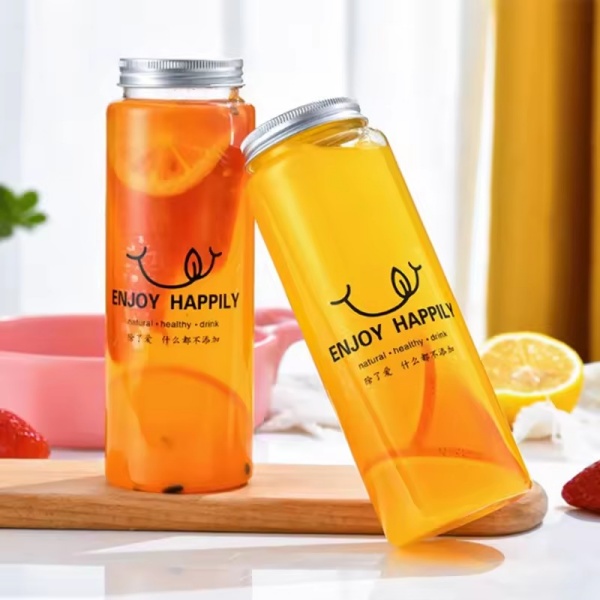
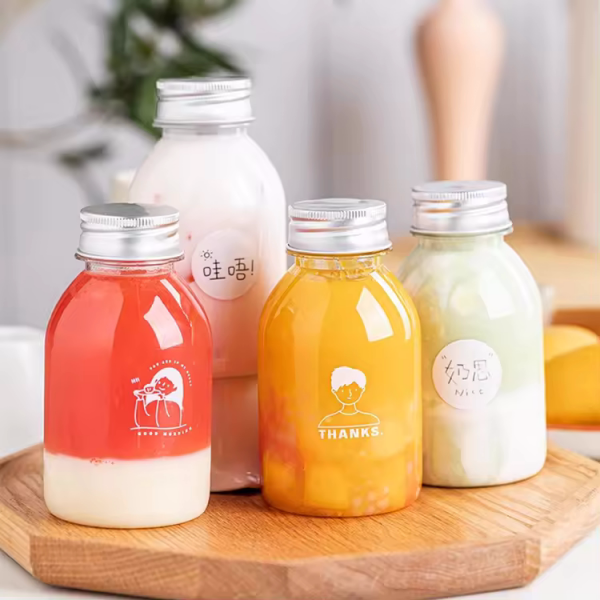


PET Boston Round Bottles Application Market Leader
Top Selling Products




- Related Blog
- Reviews
- Reviews
