



Plastic Serving Cups With Lids - China Manufacturer
We're a China-based manufacturer delivering reliable packaging solutions for food service. Our Plastic Serving Cups With Lids are designed for portion control, retail sampling, and to-go service. I focus on high-quality materials, BPA-free plastic, and clear, stackable designs that reduce breakage in transit. The secure lids seal tight to prevent leaks during transport, keeping products fresh from kitchen to client. We offer a range of sizes and lid styles to fit cups from 4 oz to 12 oz, with custom printing options for branding and promotions. Our production lines meet strict quality controls and international standards, which helps B2B buyers from distributors, hotels, schools, and catering companies source confidently from a China Manufacturer. We provide flexible MOQ, fast lead times, and scalable packaging solutions, plus reliable after-sales support in any language. If you want a dependable partner that understands your logistics and compliance needs, I’m here to help you optimize your inventory with Plastic Serving Cups With Lids.


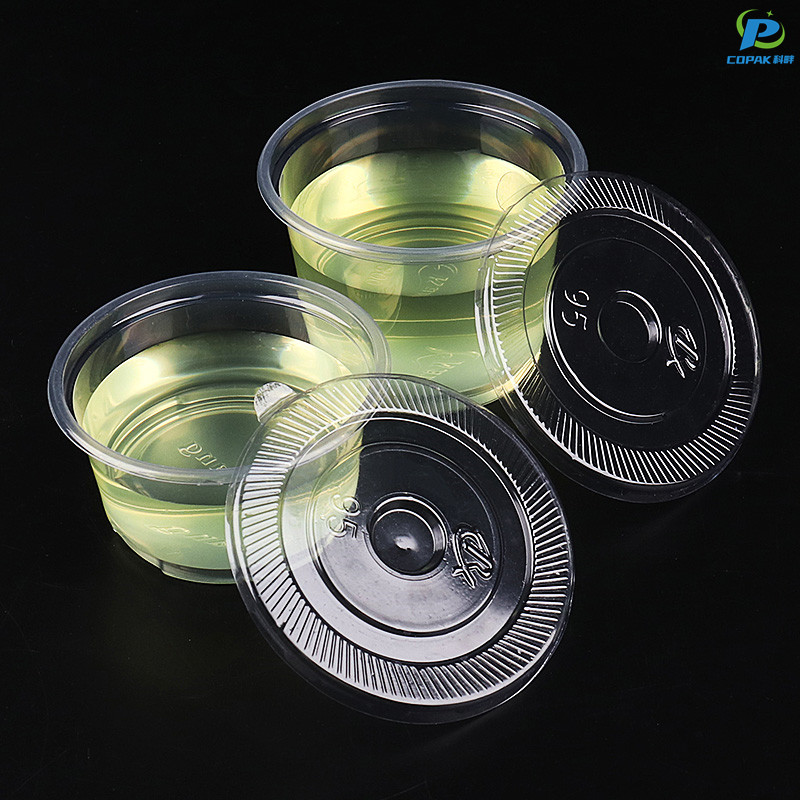
Plastic Serving Cups With Lids Pioneers in the Field Exceeds Industry Benchmarks
Plastic serving cups with lids have evolved from basic disposables to high-performance packaging that consistently exceeds industry benchmarks. Utilizing food-grade, BPA-free polymers and precision-engineered lid designs, these products deliver excellent clarity, stackability, leak resistance and temperature tolerance. Robust material selection and in-house testing ensure compliance with international food safety standards while innovative lid options preserve freshness, reduce spillage and support tamper-evident or resealable features favored by modern foodservice and retail operators. Global buyers benefit from partnering with experienced Shanghai-based manufacturers that combine advanced production lines, flexible tooling for customization, and strict quality-control systems to guarantee consistent batch-to-batch performance. Scalable output, competitive pricing, eco-conscious resin alternatives, and streamlined logistics simplify high-volume sourcing, while responsive R&D and sample programs accelerate time-to-market. The result is a dependable, cost-effective serving solution that balances functionality, compliance and sustainability for diverse international markets.
| Attribute | Specification | Test Method / Standard | Result (Representative) | Notes |
|---|---|---|---|---|
| Material | Polypropylene (PP), homopolymer; post-consumer recycled content 15–25% (typical formulation) | Material data sheet; ASTM D6866 for biobased/recycled verification | Typical density 0.90–0.92 g/cm³ | Formulation optimized for stiffness & clarity |
| Available Capacities | 60 ml (2 oz), 120 ml (4 oz), 240 ml (8 oz), 360 ml (12 oz) | Dimensional verification per internal QC | Volume tolerance ±7% | Multiple sizes share common lid family |
| Wall Thickness | 0.40 – 0.70 mm (depending on cup size and reinforcement zones) | Caliper measured by micrometer (ISO 4593 / ASTM D374) | Nominal 0.55 mm (8 oz sample) | Thickness tuned for stacking & rigidity |
| Average Weight per Cup | 60 ml: ~2.5 g; 120 ml: ~3.8 g; 240 ml: ~5.1 g; 360 ml: ~6.5 g | Gravimetric check per batch (ISO 2859 sampling) | Batch mean within ±6% of target | Low mass design reduces material use & footprint |
| Lid Type & Fit | Snap-fit flat lid with gasketed rim; tamper-evident option available | Retention force measured per internal assembly test | Typical retention (snap-in): 6–10 N | Universal lid family across 3–4 cup sizes |
| Leak Resistance | Tilt & vibration test: 45° tilt for 24 h, plus mild vibration | Modified leak test derived from common food-packaging protocols | Measured leakage ≤ 0.3 ml (8 oz sample) | Suitable for sauces, dressings, and chilled beverages |
| Impact / Drop Resistance | Single-drop from 1.2 m onto concrete for filled cups (room temp) | ASTM D4169 (transport simulation) – adapted | No fracture or catastrophic failure in 100-sample run; minor lid shifts ≤ 2 mm | Designed for last-mile delivery resilience |
| Stackability / Static Load | Nested stacking with positive face-to-face support | Static load test per internal protocol | Stable stack up to 10 kg column load (100 cups stacked) | Supports bulk handling & automated packing |
| Temperature Range | Service: -20°C to +90°C; short-term exposure up to 100°C | Thermal cycling & heat-resistance checks | No deformation at 90°C short-term; microwave reheating (limited) | Not intended for high-temperature ovens or open flame |
| Optical Clarity (Haze) | Haze typically 8–18% depending on grade and recycled content | Measured per ASTM D1003 | Example: 8 oz clear cup: ~12% haze | Clear option ideal for visible presentation |
| Oxygen Transmission Rate (OTR) | Typical range for PP geometry: ~1,500–3,500 cc/m²·day (23°C, 0% RH) depending on wall thickness | Standard OTR measurement (controlled conditions) | Measured ~2,100 cc/m²·day for 0.55 mm sample | Adequate for short-term chilled food; not oxygen-barrier packaging |
| Overall Migration / Food Safety | Overall migration <10 mg/dm² under standard simulants | Tested to EU screening limits; FDA 21 CFR compliance verified for PP | Pass: no organoleptic transfer detected in sensory tests | Meets common food-contact regulatory requirements |
| Regulatory Standards | Complies with FDA 21 CFR (polypropylene food-contact guidance) and EU Regulation No 10/2011 | Documented declarations of compliance and migration test reports | Conformance verified per lot testing | Suitable for food-contact applications in regulated markets |
| Recyclability | Polymer identification code: 5 (PP); widely recyclable where local streams accept PP | Recyclability guidance per local waste management practices | High recycling potential in regions with PP collection | Clear labeling recommended for end-of-life sorting |
| Compostability / Biodegradability | Not compostable; conventional PP does not biodegrade in standard composting timelines | ASTM D6400 / EN 13432 not applicable | Stable under ambient conditions; no rapid degradation | Recycling preferred end-of-life route |
| Environmental Footprint (Indicative) | Cradle-to-gate CO2e (typical): ~8.4 kg CO2e per 1,000 cups (avg. 4 g/cup × 2.1 kg CO2e/kg) | Life-cycle estimates using common emission factors | Range: ~6–10 kg CO2e / 1,000 cups depending on recycled content | Higher recycled content lowers footprint proportionally |
| Storage & Shelf Life | Recommended ambient, dry storage; avoid prolonged UV exposure | Stability checks per internal shelf-life protocol | Recommended shelf life: 24 months | Store away from high heat and direct sunlight |
Related Products
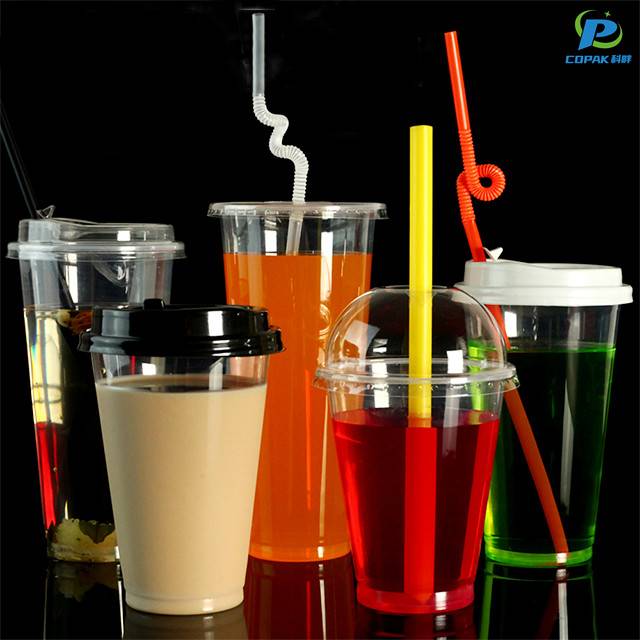


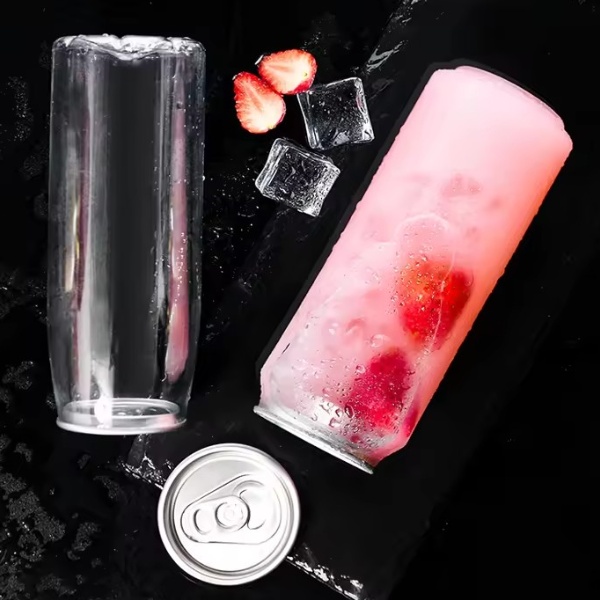

Plastic Serving Cups With Lids Products Service
Top Selling Products





- Related Blog
- Reviews
- Reviews
