PET Bottles

Transparent PET Cup - China Manufacturer for OEM & Wholesale

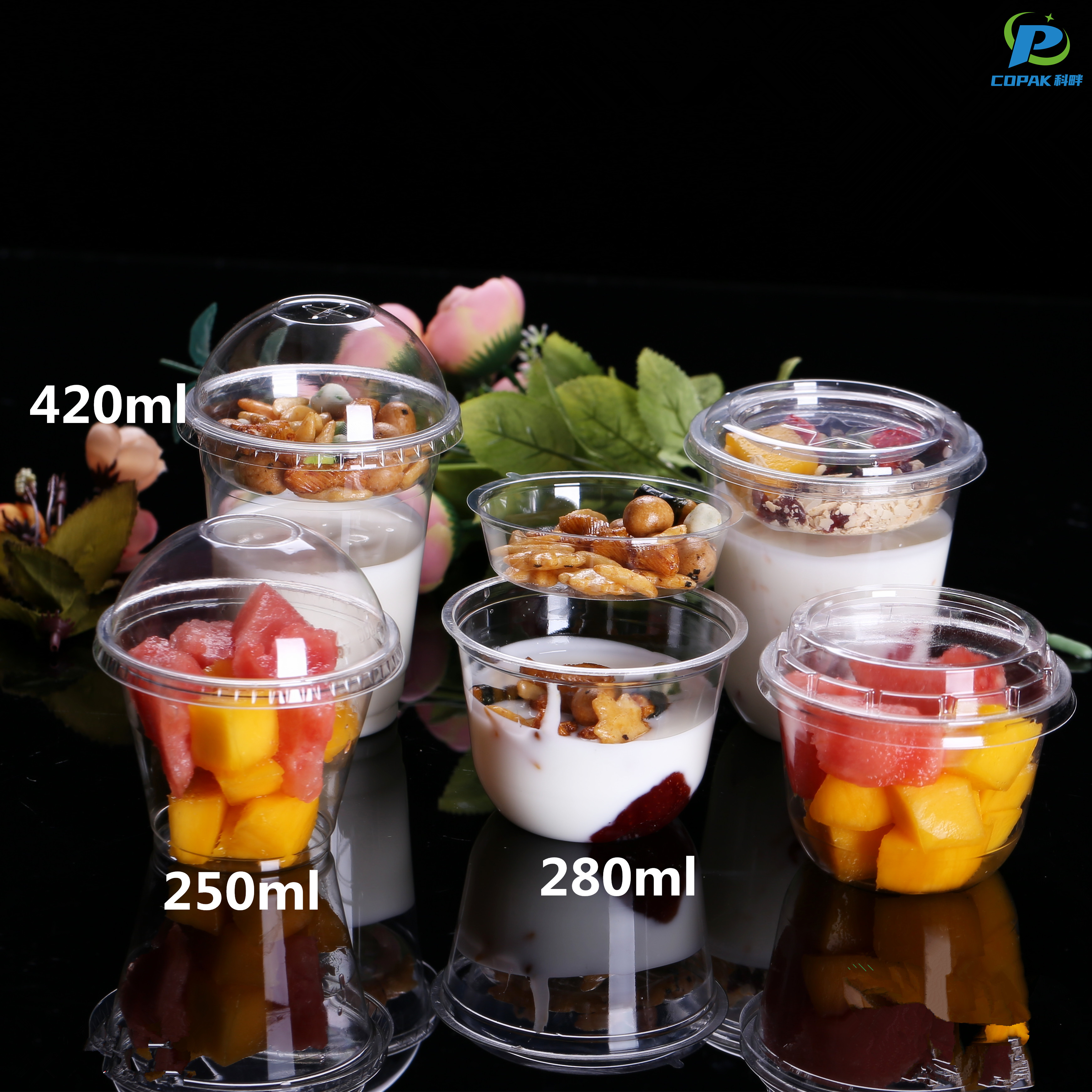
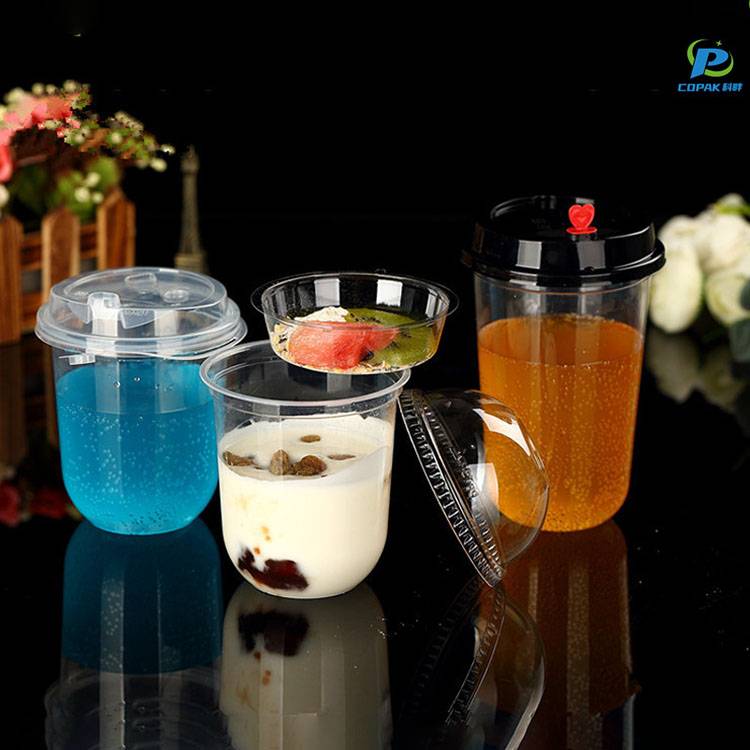
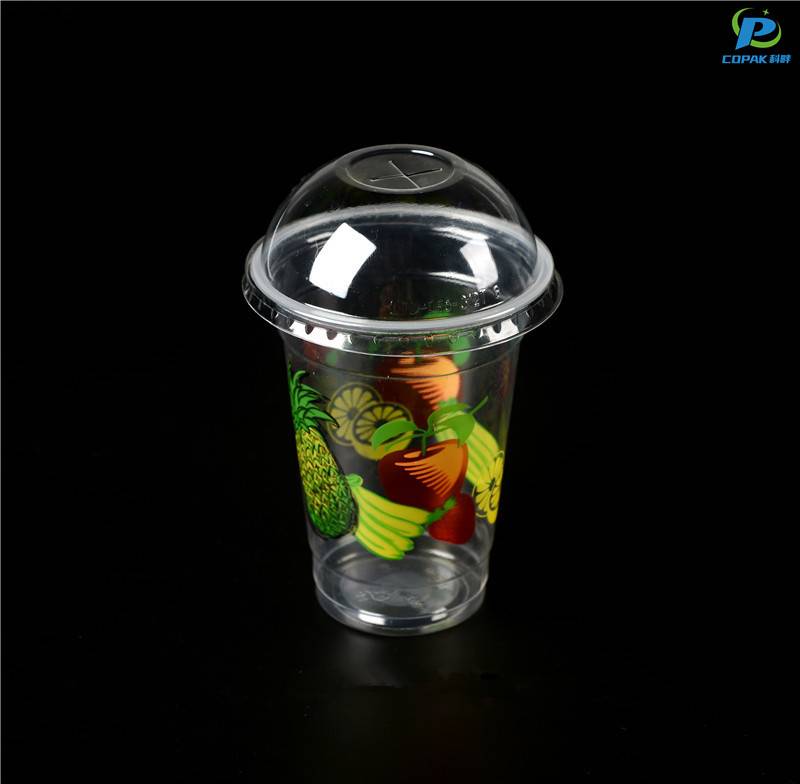
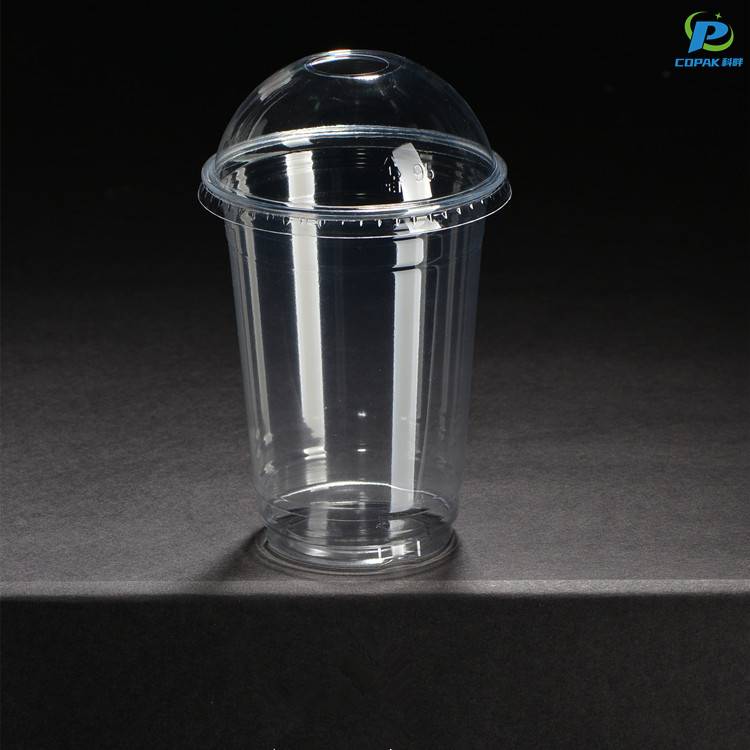
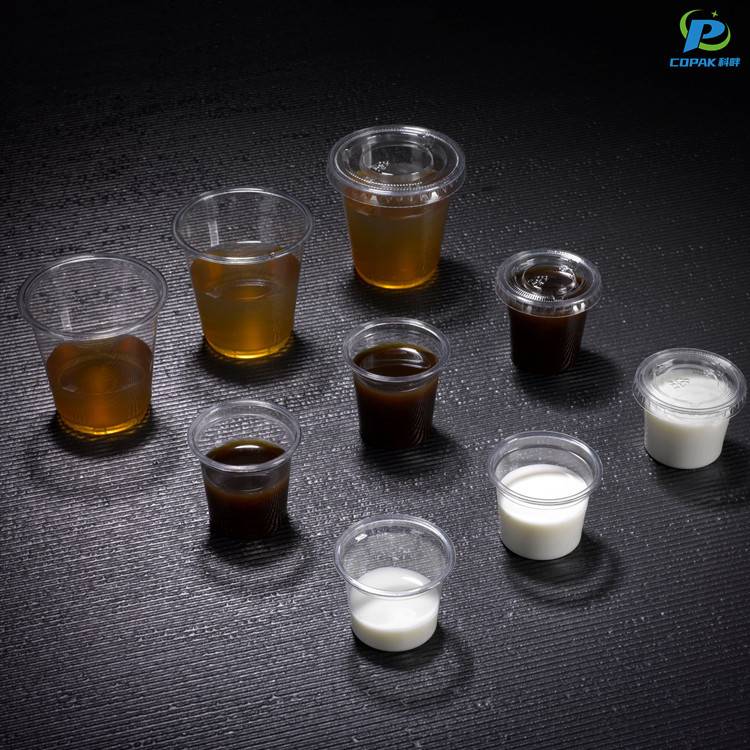
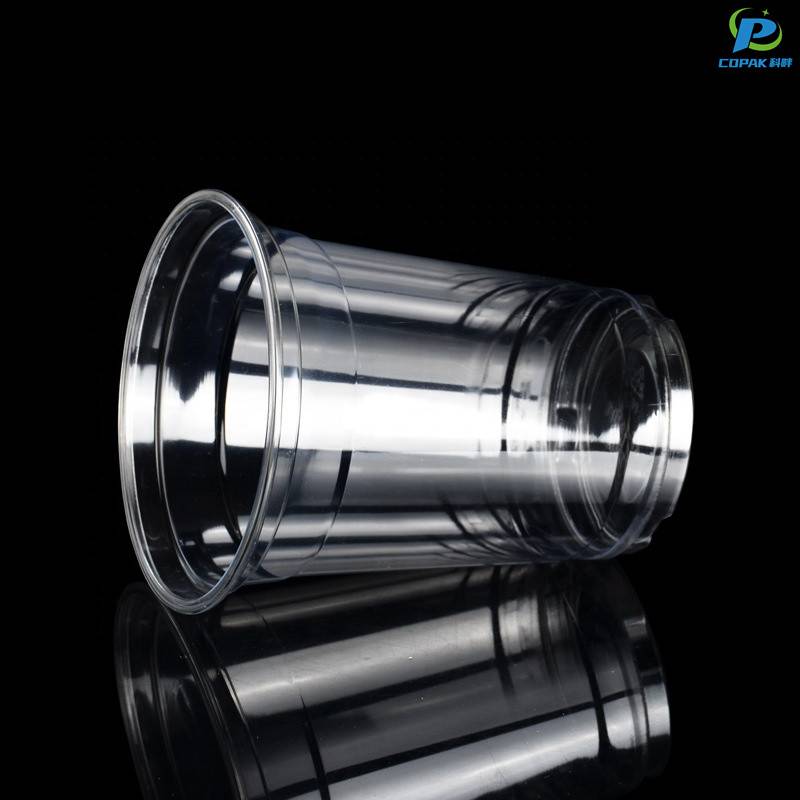
As a China-based manufacturer, I supply Transparent PET Cup ideal for cafes, catering, and take-away packaging. This cup is crystal-clear and shatter resistant, made from food-grade PET to preserve beverage color and aroma, and is fully recyclable. It is lightweight, stackable for easy storage, and compatible with standard lids, ensuring leak-proof performance during transport. Suitable for cold drinks, iced tea, smoothies, and soft drinks, it maintains clarity from first fill to last sip. I offer customizable printing and labeling options to boost your brand visibility. Fast sample policy, scalable production to meet high-volume demand, competitive pricing for distributors and retailers. With dependable quality control, on-time delivery, and responsive service, I help you grow your business in China and beyond. If you’re a buyer looking for a reliable manufacturer, this Transparent PET Cup could be your next best packaging choice.
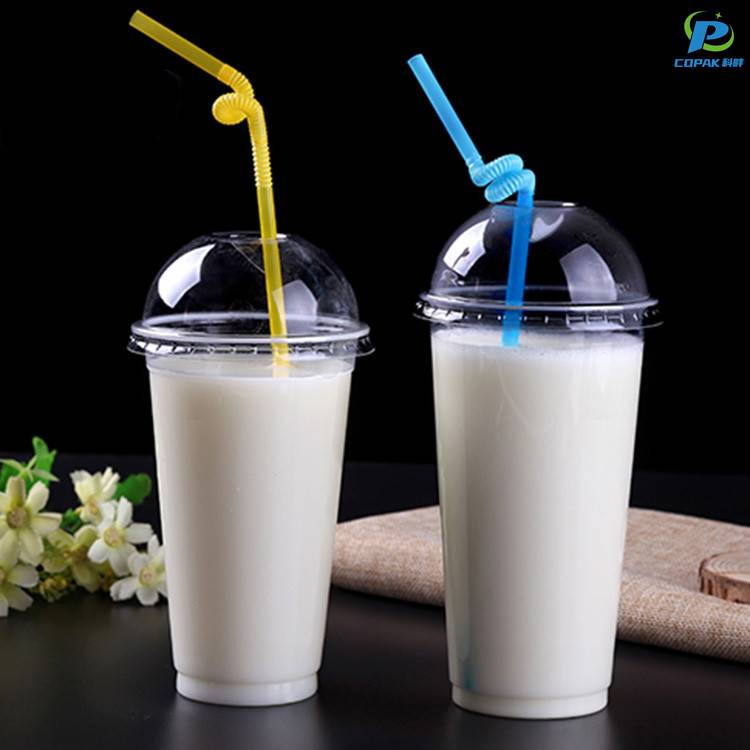
Hot Selling Product

Transparent PET Cup Application For the Current Year

Transparent PET cups remain a top choice this year for global buyers seeking clear, cost-effective packaging that combines product presentation with practicality. Their excellent optical clarity and lightweight, shatter-resistant properties suit cold beverages, parfaits, salads, desserts, sampling and e‑commerce displays, while advanced options—anti‑fog coatings, tamper‑evident lids, printed branding and multi-layer barrier constructions—extend functionality. PET’s recyclability and compatibility with international food‑contact standards make it attractive for retailers and foodservice operators focused on sustainability and compliance. As a Shanghai‑based manufacturer with integrated production and export capabilities, we support customized sizes, wall thicknesses, color prints and private‑label solutions with flexible minimums, reliable quality control and competitive lead times. Whether scaling for seasonal campaigns or securing steady supply for global distribution, we provide production capacity, sample support and logistics experience to meet varied market demands and help buyers streamline sourcing and merchandising strategies.

Transparent PET Cup Application For the Current Year

Application Sector Typical Use Case Common Cup Volume (ml) Typical Wall Thickness (µm) Typical Material (rPET %) Manufacturing Method Barrier / Coating Regulatory Considerations Recyclability (Post-Consumer) Key Performance Notes Estimated Annual Demand (metric tons)
Cold Beverages Iced coffee, iced tea, soft drinks 250–700 250–500 PET (0–30% rPET) Thermoforming / Injection molding None (usually) General food contact approvals (FDA, EU) High if barrier-free Excellent clarity and stiffness; good cold performance 7,200
Ready-to-Drink (RTD) Single-Serve Single-serve beverage cups, smoothies 100–500 200–400 PET (10–50% rPET) Injection stretch blow / Thermoforming Occasional thin barrier for oxygen-sensitive products Migration limits and food contact compliance required Moderate recyclability if barrier applied Good machinability for high-speed filling; clarity important 4,500
Dairy & Desserts Yogurt cups, mousse, pudding 120–350 300–600 PET (20–40% rPET) Thermoforming EVOH or thin liners for aroma protection (reduces recyclability) Specific dairy migration tests and hygiene standards Reduced if multi-layer coated Requires grease resistance; optics valued for retail display 3,100
Alcoholic Beverage Sampling Tasting cups, clear cocktails 50–200 200–350 PET (0–20% rPET) Thermoforming Typically none Standard food contact rules; labeling for alcohol High when uncoated Lightweight, cost-effective for events; clarity important 1,300
Prepared Foods & Salads Salads, cold bowls, deli items 300–1000 350–800 PET (10–30% rPET) Thermoforming with sealing flange Grease-resistant treatments or seal-friendly coatings Food contact safety; grease and migration tests Moderate when coated for grease resistance Stiffness and sealing performance key for transport 5,000
Medical & Laboratory Consumables (non-sterile) Sample cups, reagent trays (non-sterile) 20–250 200–800 PET (0–30% rPET) Injection molding Material compatibility with chemicals and sterilization Medical device material compliance as applicable High if not compounded with additives Dimensional control and chemical resistance are critical 900
Promotional / Event Disposable Cups Festivals, corporate events, sampling 200–400 200–400 PET (0–20% rPET) Thermoforming None typical; printable surface General food contact requirements High; often diverted to PET recycling streams Printable for decoration; cost-effective 2,100
Cold Chain Specialty (Frozen Desserts) Ice cream cups, frozen desserts 100–500 400–900 PET (10–50% rPET) Thermoforming Moisture barrier or reinforced wall for freeze-thaw stability Low-temperature performance and food contact approvals Moderate if barrier applied Thicker walls to avoid cracking; good cold toughness 1,600

Notes: Values shown are representative industry ranges for transparent PET cups in current applications. Recyclability indicated assumes appropriate local recycling infrastructure and absence of non-recyclable multilayer barriers.

Related Products
Eco Friendly Products

Transparent PET Cup Supplier Leads the Global Market

Global Transparent PET Cup Production Volume by Region (2025 Estimate)

The chart displays estimated 2025 production volumes for transparent PET cups across five global regions, presented in millions of units. Asia-Pacific leads by a significant margin, reflecting its dominant manufacturing capacity, extensive downstream beverage and foodservice markets, and cost advantages that together support a projected output near 4,200 million units. North America and Europe follow as mid-size producers with 1,050 and 900 million units respectively, where stable consumer demand, robust retail networks, and mounting regulatory pressure on recyclability and recycled content influence production choices. Latin America and the Middle East & Africa are smaller contributors at approximately 350 and 200 million units, highlighting both lower current per-capita consumption and meaningful growth potential as urbanization and modern retail penetration expand. Important implications arise from this regional distribution: supply chain shocks, raw-material price fluctuations, or trade barriers concentrated in one region—especially Asia-Pacific—can propagate globally due to its outsized share. Meanwhile, Europe’s and North America’s regulatory trajectories toward higher recycled-content mandates may accelerate investments in collection and recycling infrastructure, gradually shifting some production inputs from virgin resin to PCR (post-consumer recycled) content. For stakeholders, strategic priorities include diversifying sourcing across regions to mitigate disruption risk, securing long-term contracts for recycled feedstock, and investing in cup designs optimized for recyclability and sorting. Policy makers should align circular-economy targets with practical infrastructure funding to avoid supply bottlenecks. In sum, while Asia-Pacific’s scale is likely to remain decisive in the near term, sustainability-driven policy shifts and recycling investments could meaningfully reshape regional production mixes over the next decade.

Top Selling Products

Subscribe To Our Newsletter

For inquiries about our products or pricelist, please leave your email to us and we will be in touch within 24 hours.

Follow Us

on our social media
  • whatsapp (1)
  • instagram
  • youtube