



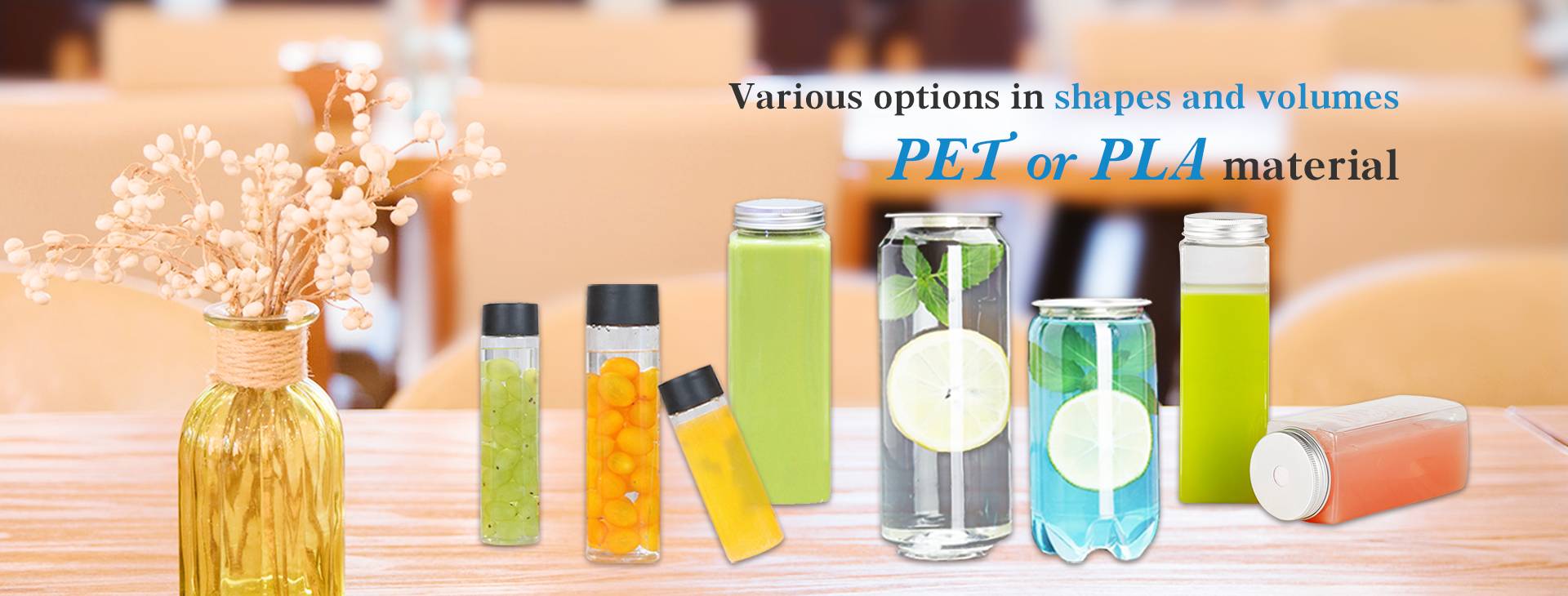
Disposable Plastic Food Container - China Manufacturer for Buyers
We are a China-based manufacturer delivering reliable Disposable Plastic Food Container solutions for distributors and foodservice brands worldwide. Our portfolio covers sturdy take-away containers, portion control sets, and deli-style trays, all designed for easy stacking, leak resistance, and safe heat tolerance. We source food-grade polymers and use tight-fitting lids to keep aromas and moisture locked in, reducing spills during transit. Customization options include lid color, embossing, size variants, and printing for branding, with short lead times and scalable production. We ship globally from our facilities in China, equipped with inline quality checks and ISO-compliant processes. For buyers seeking consistency, competitive pricing, and dependable supply chains, we offer flexible MOQs and responsive service. If you’re a distributor or retailer looking to stock a trusted Disposable Plastic Food Container range, let’s connect and align on specs, packaging, and delivery schedules.


Disposable Plastic Food Container Ahead of the Curve Sets the Industry Standard
A next‑generation disposable plastic food container is redefining convenience and quality for global foodservice and retail buyers. Engineered from food‑grade, BPA‑free materials with options in recyclable PP, PET and compostable blends, the design delivers superior strength, leak resistance and stackability while remaining lightweight for shipping efficiency. Precision molding ensures consistent wall thickness, secure lids and microwaveable performance, meeting international food‑safety standards (FDA, EU, LFGB) and passing rigorous QC inspections. Built for scalability, these containers support OEM/ODM customization — sizes, compartment layouts, tamper‑evident seals and full‑color printing — enabling brand differentiation across markets. Short lead times, efficient packaging and logistics solutions reduce total cost of ownership, making this product an ideal choice for distributors, caterers and retailers seeking reliability, sustainability options and competitive pricing on a global scale.
| Parameter | Typical Range / Value | Notes / Measurement Method |
|---|---|---|
| Primary materials | Polypropylene (PP), Polyethylene Terephthalate (PET), High-Density Polyethylene (HDPE) | Common food-contact polymers chosen for stiffness, clarity or heat resistance; material specified by resin code #1, #2, #5. |
| Recyclability (typical) | PET: widely recyclable where curbside PET exists; PP/HDPE: recyclable in many regions where designated streams accept #2/#5 | Local collection infrastructure determines end-of-life; sorting and contamination rates affect actual recycling yield (measured by municipal recovery rates). |
| Compostability / Biodegradability | Conventional PP/PET: not compostable; certified compostable bioplastics exist (industrial composting required) | Industrial compostability verified under EN 13432 / ASTM D6400 for certified alternatives; conventional resins do not meet those standards. |
| Heat resistance (typical) | PP: up to ~110–130°C (short cycles); PET: safe up to ~70–80°C; HDPE: ~90–100°C | Measured by softening/melt onset and functional tests (repeated microwaving or steam exposure). Usage instructions should reference time/temperature limits. |
| Microwave suitability | PP: generally microwave-safe for short reheating; PET: not recommended for hot liquids or long heating | Microwave-safe classification based on migration testing and thermal deformation thresholds under standard protocols. |
| Typical thickness / sheet gauge | Rigid containers: ~150–600 µm (0.15–0.6 mm) depending on size and stiffness required | Measured by micrometer or caliper; thicker walls used for larger volume containers to resist deflection. |
| Common capacities | 250 ml, 500 ml, 750 ml, 1000 ml (and multi-compartment layouts) | Standard sizes for foodservice and retail portions; multi-compartment designs support meal separation. |
| Transparency / clarity | PET: high clarity (low haze); PP: translucent to opaque | Optical properties quantified by haze and transmittance measurements (spectrophotometry). |
| Leak resistance (typical) | Sealable-lid systems: high performance in controlled tests; unsealed shallow trays: moderate | Validated via pressure and inversion tests; performance varies with lid design, gasket presence and tolerances. |
| Average lifecycle greenhouse gas (approx.) | Small container (~250–300 ml): ~25–80 g CO2e; large (≥1 L): ~100–350 g CO2e per unit (range depends on resin, weight, and transport) | Estimated from cradle-to-gate LCA studies for common resins; values vary with recycled content and manufacturing efficiency. |
| End-of-life pathways | Recycling (where accepted), energy recovery, landfill; composting only for certified bioplastic variants | Effective recovery depends on sorting, contamination, and local facilities; recycled content reduces net embodied emissions. |
| Typical color options | Clear, translucent, white, black, tinted (food-safe color concentrates) | Color choice affects sorting in recycling streams (e.g., dark/black pigments can reduce optical-sorting recovery rates). |
| Recommended guidance for use | Follow local guidance: short reheating for microwave-safe PP; avoid high-temperature oven use; avoid long-term storage of acidic/oily foods for repeated reuse | Consumer safety recommendations are based on migration testing and thermal stability; repeated cycles accelerate wear and potential performance loss. |
Related Products

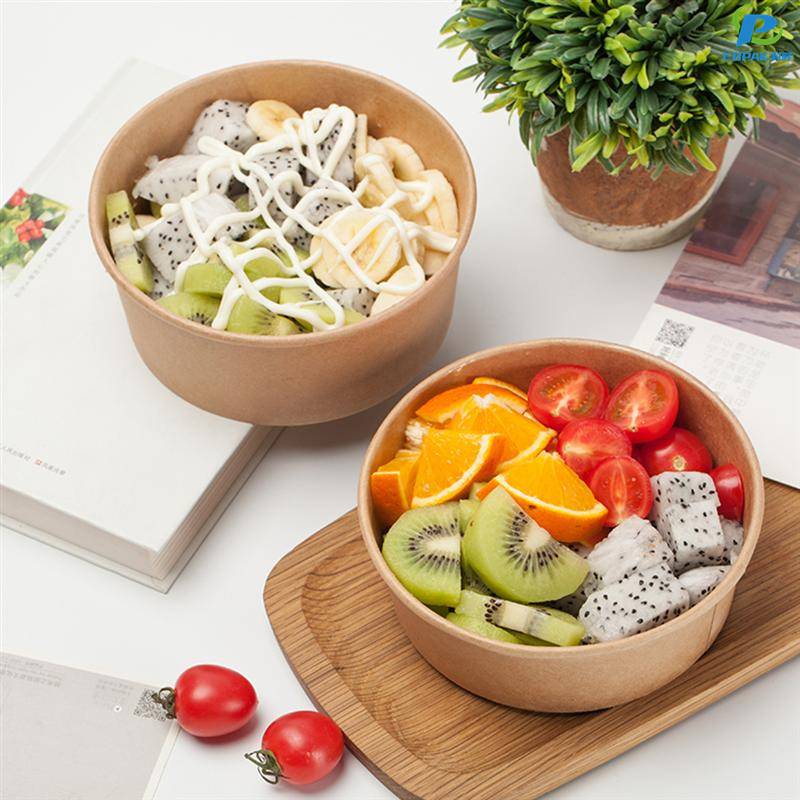


Disposable Plastic Food Container Industry Leaders Delivers Unmatched Quality
Top Selling Products








- Related Blog
- Reviews
- Reviews
