



PET Flat Lid - China Manufacturer for PET Packaging Lids
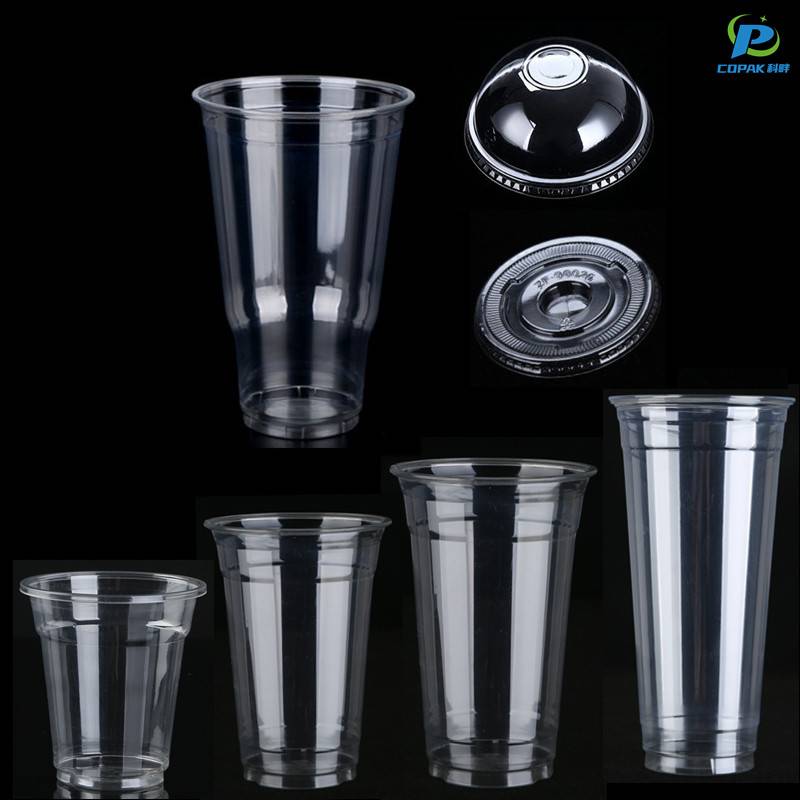
From our workshop, I offer the {PET Flat Lid} that keeps your packaging secure without slowing your line. I'm a {China} based {Manufacturer}, focused on reliable, food-grade components that meet strict QA checks. This lid fits common PET containers with a tight snap fit, delivering resealability and tolerance for pasteurization and cold-chain transport. Choose it for lightweight, stackable packaging that reduces freight and storage costs. It’s molded from high-quality PET, complies with food-safety standards, and designed for easy integration on production lines. We provide consistent thickness, low resin content, and uniform color for branding. We welcome OEM requests and can tailor lip thickness or color to match your bottle mouth. If you’re exporting to overseas markets, our supply chain is resilient and ready to scale with demand. Contact us for samples or a trial run and see how the {PET Flat Lid} can boost your product lineup.


PET Flat Lid Leads the Global Market Manufacturers You Can Rely On
PET flat lids have become the benchmark for food and beverage packaging worldwide thanks to their clarity, lightweight strength, secure sealing and recyclability. A Shanghai-based manufacturer with advanced molding lines and strict quality control can deliver food-grade PET lids that meet international standards, offer consistent dimensions, and support custom colors, branding and tamper-evident designs — ideal for retail, catering and industrial uses. Global buyers benefit from scalable production capacity, competitive lead times, export experience and compliance with international safety and sustainability requirements. Flexible MOQ, responsive technical support and a focus on continuous innovation ensure reliable supply chains and cost-effective, eco-conscious packaging solutions for long-term partnerships.
| Metric | Typical Value / Range | Regional Variation | Notes |
|---|---|---|---|
| Material | Polyethylene terephthalate (PET) or PET-based blends | Widely used across APAC, Europe, North America | PET selected for clarity, good moisture barrier and formability; additives used for stiffness or heat resistance. |
| Manufacturing Processes | Injection molding, thermoforming, extrusion-cutting | Injection molding dominant for precision flat lids in most regions | Typical melt processing temps for PET: ~250–280°C; mold design affects sealing and stackability. |
| Common Lid Diameter | 60–150 mm (most common: 70–110 mm) | Standard retail sizes consistent globally for beverage and food tubs | Diameter choice ties to cup/tub standards and dispensing equipment. |
| Wall Thickness | 0.3–1.2 mm (typical ranges depend on diameter) | Minor regional variation based on performance and local regulations | Thinner walls reduce material use but require precise molding to avoid warpage. |
| Unit Weight (typical) | ~1.5–6.0 g per lid (size-dependent) | Heavier designs more common in cold-chain or resealable applications | Weight optimized for balance between rigidity and material cost-efficiency. |
| Color & Finish | Clear (natural), white, translucent tints, and custom colors | Clear and white most prevalent globally | Clarity important for product visibility; pigments/additives affect recyclability if not compatible. |
| Barrier Characteristics | Good moisture barrier; moderate oxygen barrier | Barrier enhancement (coatings, liners) used where required | Coatings and seal liners improve shelf life for oxygen-sensitive products. |
| Regulatory Compliance (typical) | FDA food contact (US), EU food contact framework, relevant national regulations | Compliance required in all major markets; regional test standards vary | Migration testing and documentation commonly requested by buyers; traceability important. |
| Recycling & Circularity | PET is widely recyclable; contribution dependent on waste systems | Collection and recycling rates vary: higher in parts of EU and some APAC urban systems | Clear PET more valuable for recycling streams; lids may require design for easy separation or mono-material construction. |
| Market Growth (indicative) | Packaging-grade PET CAGR typically ~3–5% (market-dependent) | Growth strongest in APAC driven by urbanization and foodservice expansion | Flat lids generally follow broader PET packaging growth trends; innovation in sustainability influences demand. |
| Production Concentration by Region (capacity share) | APAC: ~45–55%; Europe: ~20–25%; North America: ~15–20% | APAC leads due to large packaging manufacturing base and raw material access | Regional shares are indicative of manufacturing capacity and investment patterns. |
| Typical Application Mix (relative share) | Beverages 35–45%; Food tubs/snacks 25–35%; Dairy/ready-meals 15–20%; Others 10–15% | Beverage and foodservice usage strong across all regions | Application mix varies by local consumer habits and retail formats. |
| Common Performance Features | Stackability, tamper-evidence options, peelable liners, reseal capability | Tamper-evident and reseal features growing in foodservice and on-the-go segments | Design choices driven by convenience, logistics, and shelf-life needs. |
| Quality & Testing Metrics | Dimensional tolerance ±0.3–1.0 mm; seal integrity, impact resistance tests | Testing standards consistent among major quality-focused buyers | Typical QC includes visual inspection, leak/seal testing, and material certification. |
Related Products



PET Flat Lid Dominates More Than a Supplier - A Partner
Top Selling Products




- Related Blog
- Reviews
- Reviews
