



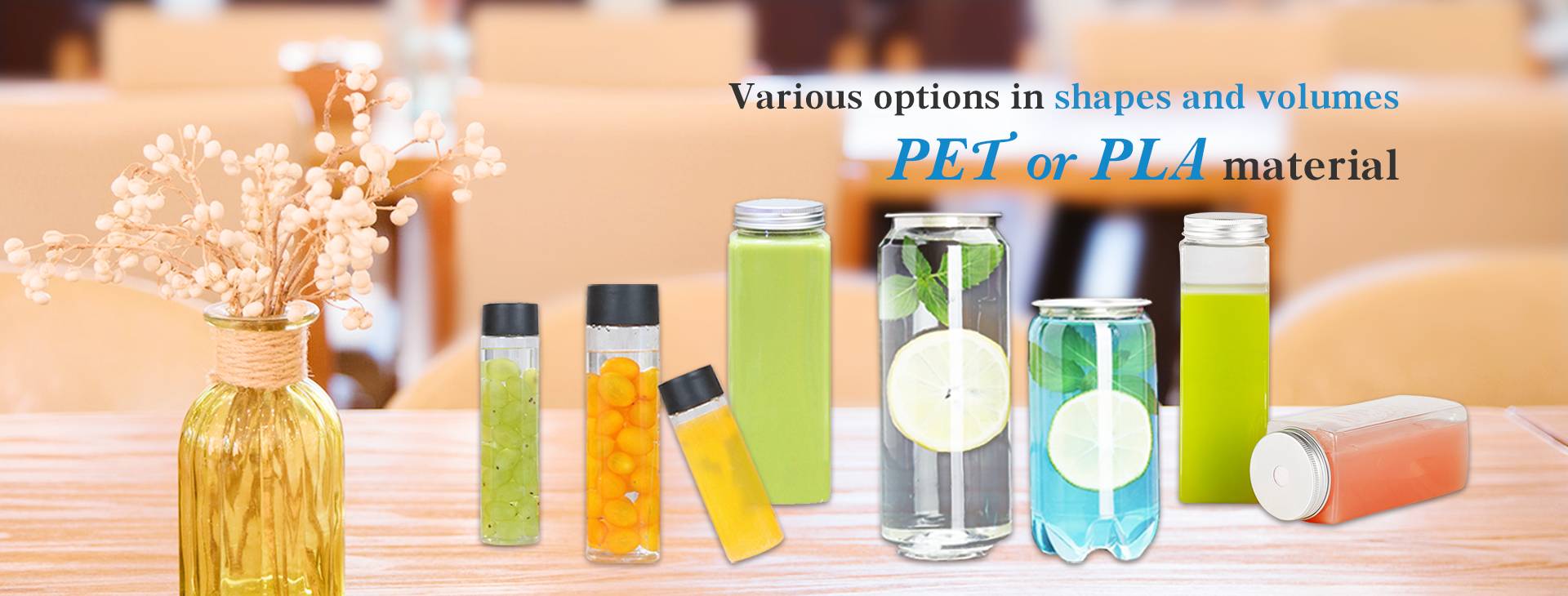
20 Oz Smoothie Cups - China Manufacturer for Bulk Supplies
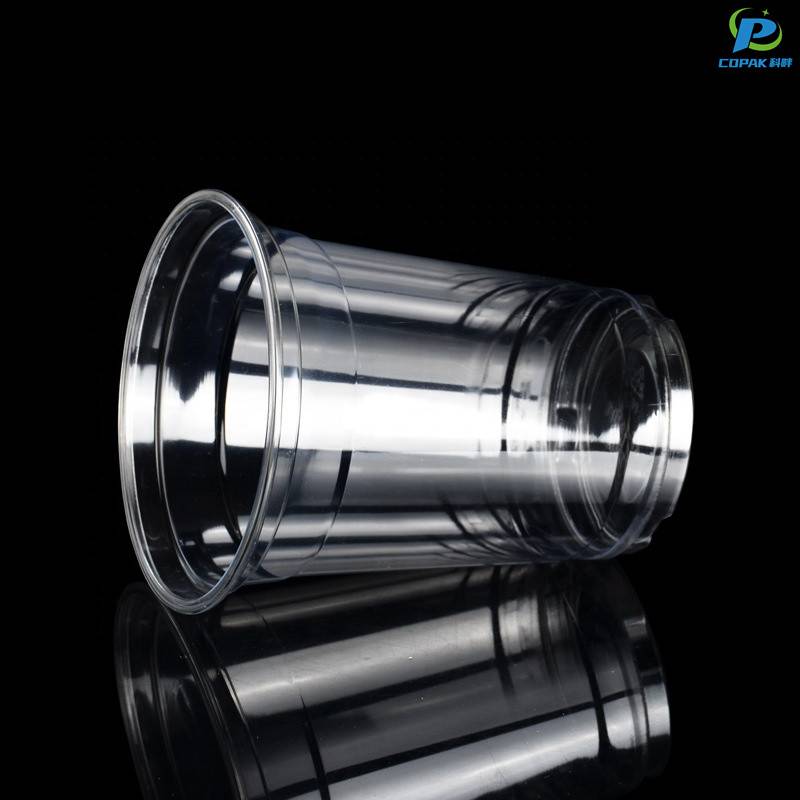
I’m a China-based manufacturer delivering 20 Oz Smoothie Cups that I know your team can rely on for consistent quality and massive daily sales. Built for cafés, juice bars, and retailers, these cups blend strength and clarity—made from BPA-free crystal-clear PET/PP plastic with tight-sealing lids to prevent leaks during transport. They’re sized for generous servings, stackable for easy storage, and compatible with standard smoothie scoops and straws. I offer customization options: your logo, color accents, and label-ready finishing to boost your brand presence. With MOQ and flexible production schedules, I can meet order volumes from pilot runs to full-scale launches. We ship from our China facilities, with reliable logistics partners and fast lead times, so you can keep shelves stocked without delays. If you're looking for a dependable supplier of 20 Oz Smoothie Cups, I’m here to help you grow your business with competetive pricing and solid support.


20 Oz Smoothie Cups Application Trusted by Pros
The 20 oz smoothie cup is a go-to solution for professionals in cafes, juice bars, catering and event services who demand consistent performance and presentation. Ideal for smoothies, iced coffees, bubble tea, parfaits and cold cocktails, these cups combine a generous capacity with a tapered, stackable design, sturdy walls and clear transparency to showcase layered beverages. Available in PET and compostable PLA options, they meet food-contact safety standards, offer leak-resistant flat or dome lids and can include anti-condensation finishes to preserve appearance and grip. For global buyers, the advantages extend beyond product features to supply reliability and customization: printed branding, color rims, reinforced bases and tailored carton packing for retail or foodservice channels. Scalable production, competitive pricing, inspection reports and certificates for international markets ensure smooth importing and shelf readiness. Samples, specification sheets and flexible MOQ options are available to streamline procurement and fast-track product launches.
| Attribute | Specification | Measurement / Notes | Professional Use Cases |
|---|---|---|---|
| Cup Volume | 20 fl oz (≈ 591 mL) | Measured by calibrated graduated cylinder | Large smoothies, blended shakes, iced blended beverages |
| Common Material | PET (clear) or PP (opaque/translucent) | PET for clarity & display; PP for higher temp tolerance | Display in cafés (PET); hot-fill alternatives or reheatable items (PP) |
| Resin Identification | PET (#1) or PP (#5) | Standard recycling codes applied | Back-of-house recycling streams; sustainable menu planning |
| Top Diameter | Typical range: 89–94 mm (common: 92 mm) | Measured with calipers; fits common 92 mm lids | Ensures compatibility with flat/domed snap lids and straw slots |
| Bottom Diameter | Typical range: 54–60 mm (common: 58 mm) | Stable fit for cup holders and dispensing machines | Drive-thru & POS cup holders, automated filling heads |
| Height | Approx. 135–145 mm (common: 140 mm) | Depends on rim profile and tapered design | Stacking height for storage & compatibility with dispensers |
| Wall Thickness | 0.45–0.8 mm (typical: ~0.6 mm) | Measured at mid-wall; trade-off strength vs. material use | Drop resistance during busy service; thermal handling |
| Typical Weight | 12–20 g (typical PET: ~15 g) | Measured on precision scale; varies by material & gauge | Waste stream planning; shipping and handling logistics |
| Temperature Service Range | PET: −40°C to +60°C; PP: −20°C to +100°C | Service temperatures (not melting point); choose PP for hotter items | Cold smoothies (PET) vs. warm beverage alternatives (PP) |
| Microwave Safe | PP: Generally yes (short cycles); PET: No | Follow microwave guidelines; avoid prolonged high heat | Reheating short items (PP) — not recommended for PET cups |
| Dishwasher Safe | PP: Top-rack, low-heat cycles; PET: Not recommended | Repeated high-heat dishwasher exposure may warp cups | Reusable program options (PP) with controlled wash cycles |
| BPA Status | BPA-free (PET and PP are not polycarbonate/BPA-based) | Consistent with common food-contact polymer chemistry | Safe for beverage contact in retail & commercial operations |
| Recyclability | PET: Widely accepted in curbside recycling (#1). PP: Accepted in many centers (#5), varies by region. | Check local recycling guidelines for PP acceptance | Design for circularity & local recycling programs |
| Lid Compatibility | Standard snap-on lids: flat, domed, and straw-slot designs (fits ~92 mm) | Verified by lid fit tests on 92 mm standard profiles | To-go orders: domed lids for overflow; flat for lids with sealing rings |
| Straw Size Compatibility | Recommended straw OD: 6–12 mm (common smoothie straws: 8–12 mm) | Straw slot or punched hole sizing influences slip & flow | Boba-style or thick smoothie straws accommodated with larger slots |
| Leak / Seal Characteristics | Moderate leak resistance upright; use latching/seal lids for transit | Single-wall cups without gasket not fully leakproof when tipped | Delivery/transport requires sealing lids or secondary packaging |
| Typical Smoothie Viscosity | ≈ 1,000–5,000 cP (centipoise) | Measured by rotational viscometer; depends on fruit, solids, ice | Pouring behavior, lid venting & straw sizing considerations |
| Filling Line Performance | Typical fill time per cup: 0.5–1.5 s on automated fillers (30–120 cups/min) | Depends on pump type, viscosity, and filler settings | High-volume smoothie bars & centralized production lines |
| Nesting & Stackability | Yes — nesting reduces storage height (~70–75% space savings) | Measured as nested stack height vs. single cup height | Back-of-house storage efficiency and dispenser refill planning |
| Regulatory Compliance | Typical compliance: Aligns with FDA food-contact guidelines and EU food-contact regulation framework | Certificates depend on specific material batches and tests | Food safety audits and supplier documentation required for menus |
| Color / Finish Options | Clear (PET) or solid/translucent colors (PP); matte or glossy finishes | Surface finish affects perceived quality and labeling adhesion | Brand presentation, promo cups, seasonal offerings (no brand names shown) |
| End-of-Life Notes | PET: Widely recyclable; PP: recyclable where facilities exist; not compostable | Material recovery depends on local infrastructure | Choose cup type according to local recycling capabilities |
Related Products


20 Oz Smoothie Cups Dominates Trusted by Pros
Top Selling Products





- Related Blog
- Reviews
- Reviews
