



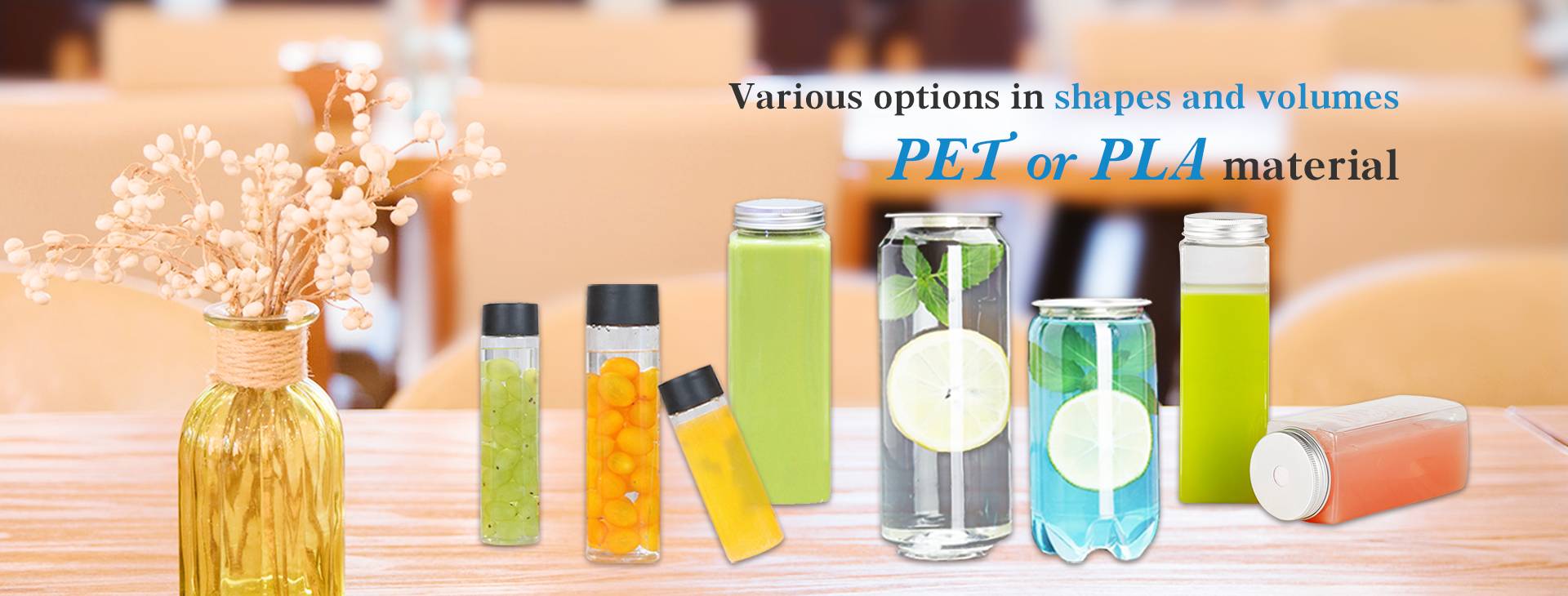
Biodegradable Juice Bottles - China Manufacturer | Eco Packaging
I’m a manufacturing professional based in {China}, crafting sustainable packaging solutions for food and beverage brands. You want {Biodegradable Juice Bottles} that perform under cold chain, resist leaching, and look premium on shelves. My factory, a trusted {Manufacturer}, blends plant-based polymers with clear, food-grade clarity, delivering bottles that biodegrade in compost within 6-12 months. I offer multiple sizes, tamper-evident caps, and hot-fill compatibility for high-volume runs and consistent color. You’ll see how partnering with me reduces plastic waste while keeping brand integrity and cost efficiency. I provide private labeling, certifications, and scalable logistics across markets, with strict QC from mold to pallet. If you’re looking for a {Manufacturer} who cares about sustainability and reliability, I’m ready to discuss your material spec, MOQ, and lead times for {Biodegradable Juice Bottles}.

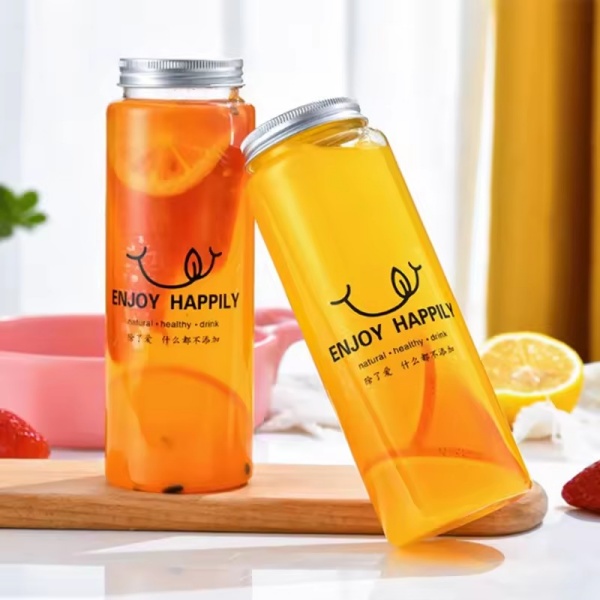
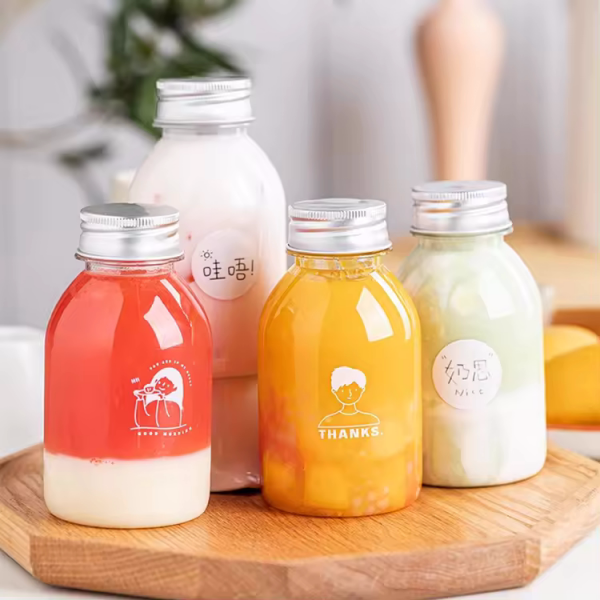
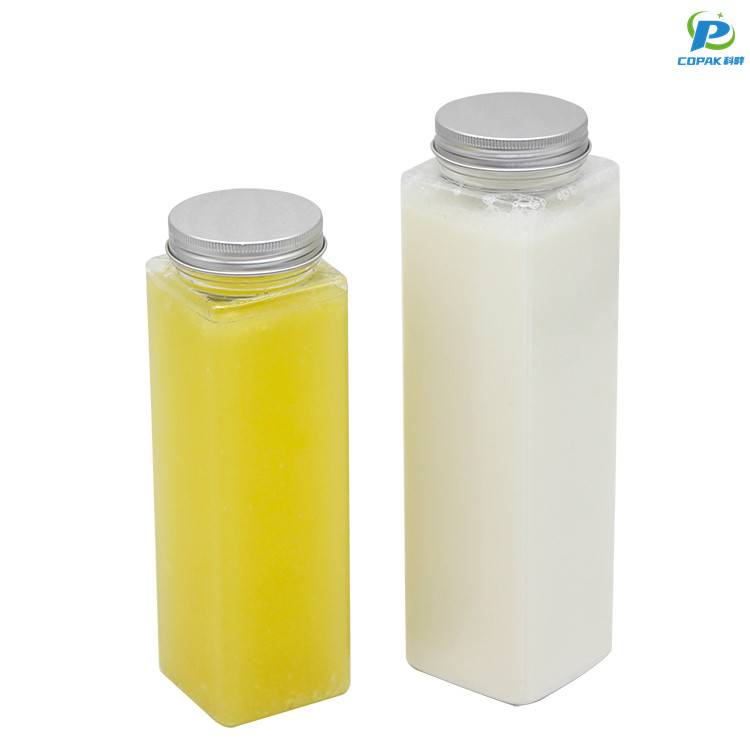
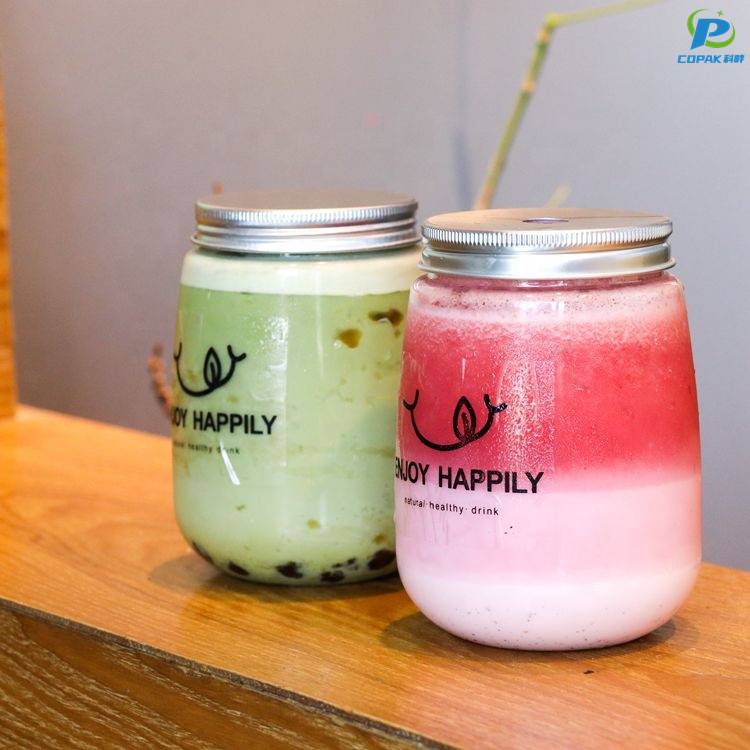
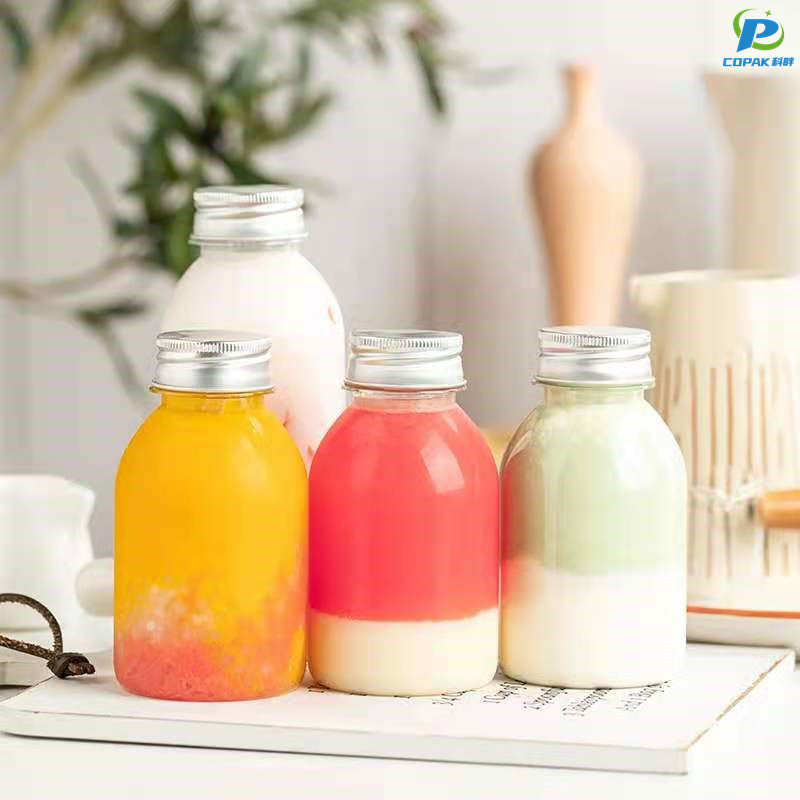
Biodegradable Juice Bottles Products Service Backed by Expertise
Eco-conscious beverage brands need packaging that performs as well as it protects the planet. Our biodegradable juice bottles are engineered from plant-based, compostable materials with food-grade barrier options to preserve flavor and shelf life while significantly reducing plastic waste and carbon footprint. Available in a range of capacities and finishes, they combine lightweight durability with attractive labeling and tamper-evident closures, making them ideal for retail, cold-pressed, and ready-to-drink lines. Backed by technical expertise and global supply experience, we offer end-to-end service from formulation and custom mold design to quality control, certification support (international food-contact and compostability standards), and flexible manufacturing to meet varying order sizes. With reliable lead times, competitive pricing, and logistics solutions tailored for export markets, we partner with global buyers to transition product lines to sustainable packaging without compromising performance or compliance.
| Product Type | Primary Material | Certification / Compostability | Typical Biodegradation Time | End-of-Life Pathway | Barrier Performance (OTR, approx.) | Carbon Footprint (approx., g CO2e per 250 ml) | Recommended Use Cases | Manufacturing / Expertise Notes |
|---|---|---|---|---|---|---|---|---|
| Rigid PLA Bottle | Polylactic Acid (PLA), amorphous grade | Industrial compostable (EN 13432 / ASTM D6400) | Industrial compost: ~12–24 weeks; Home compost: not reliably within 2 years | Industrial composting preferred; not compatible with standard PET recycling streams | Approx. 200–800 cc·m⁻²·day⁻¹ (depends on wall thickness) | Approx. 40–100 g CO2e (cradle-to-gate, feedstock dependent) | Chilled, short-shelf fruit juices and smoothies | Injection/stretch blow molding; validated by laboratory permeability testing and food-contact screening; LCA modeling for product comparisons. |
| PLA–PBAT Blend Bottle | PLA blended with PBAT (flexibilized compostable blend) | Typically industrial compostable (EN 13432); some formulations show conditional home compostability | Industrial compost: ~12–24 weeks; Home (conditional): 6–12 months | Industrial composting preferred; limited home compost potential | Approx. 150–400 cc·m⁻²·day⁻¹ | Approx. 60–130 g CO2e | Ambient or chilled juices with moderate shelf-life requirements | Co-extrusion and blow molding expertise required; compostability validated by standardized testing; polymer blend optimization for toughness and clarity. |
| PHA Bottle (PHB/PHBV family) | Polyhydroxyalkanoates (microbial-sourced biopolymer) | Industrial and often home compostable (meets applicable compostability standards when certified) | Home compost: ~3–12 months; Industrial: ~8–20 weeks | Home and industrial composting; some grades show biodegradation in marine environments | Approx. 50–200 cc·m⁻²·day⁻¹ (generally better than neat PLA) | Approx. 80–180 g CO2e (production-route dependent) | Ambient juices, products marketed for home-compost end-of-life | Injection/blow molding from fermentation-derived polymers; requires supply-chain expertise in microbial feedstocks and LCA verification. |
| Paperboard with Bioplastic Liner | Paperboard body + thin PLA or PHA liner | Paperboard compostable/recyclable; liner may be industrial compostable if certified | Paperboard: weeks–months in compost; liner: ~12–24 weeks industrial | Paper recycling if liner removable; otherwise industrial composting for certified liners | Variable; with biobarrier liners/coatings: ~20–200 cc·m⁻²·day⁻¹ | Approx. 30–120 g CO2e (dependent on fiber source and liner) | Shelf-stable juice formats, singleserve cartons, ambient distribution | Carton forming and lamination expertise; integrated packaging-supply chain approach and recyclability/compostability trade-off analysis. |
| Multi-layer Biopolymer with Enhanced Barrier | Multi-layer PLA with biodegradable barrier or coating (biobased barrier polymers) | Potentially industrial compostable if all layers certified; requires validated testing | Industrial compost: ~12–24 weeks (layer-dependent) | Industrial composting; layer composition affects recycling viability | Approx. 5–50 cc·m⁻²·day⁻¹ (engineered for extended shelf life) | Approx. 70–160 g CO2e | Pasteurized juices and beverages needing extended oxygen barrier | Co-extrusion and barrier coating processes; shelf-life testing, accelerated aging, and permeability characterization are recommended. |
Related Products
22oz 660ml empty ketchup Mustard Mayo Salad sauce squeeze bottle PET Sauce packing Plastic Bottles
Read More


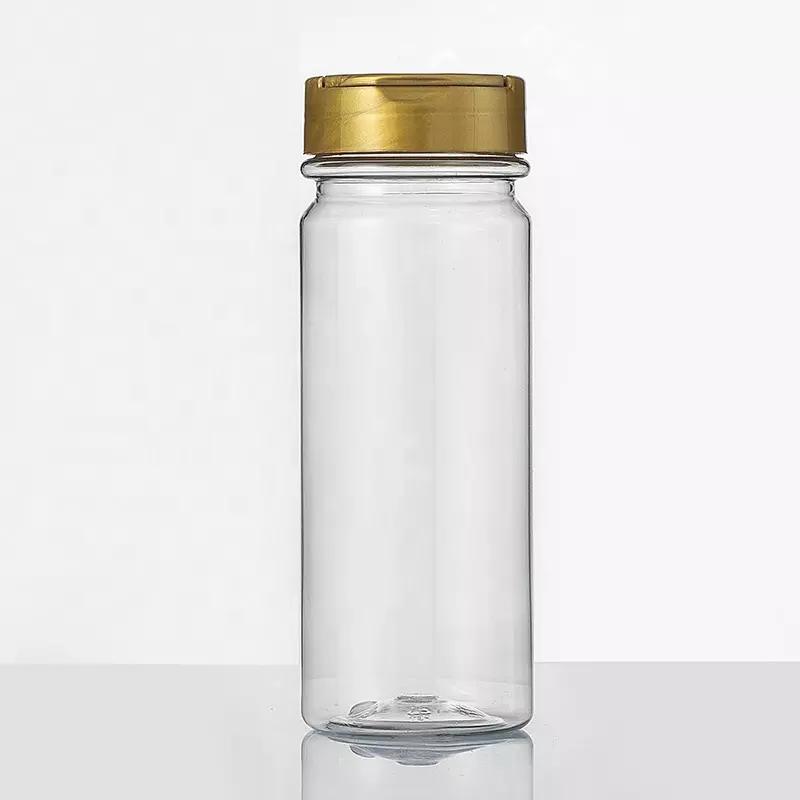

Biodegradable Juice Bottles Market Leader Your End-to-End Solution
Top Selling Products





- Related Blog
- Reviews
- Reviews
