



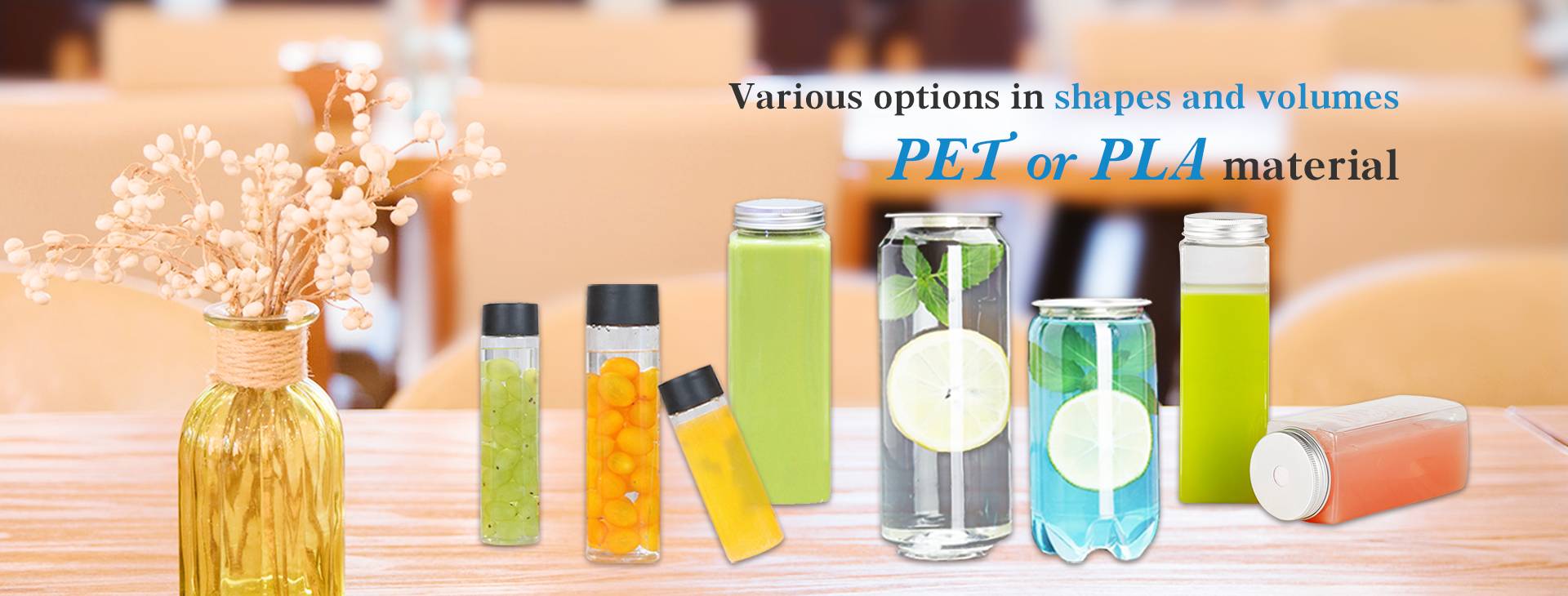
China PET Milk Bottles Manufacturer
From a China-based manufacturer, I supply PET Milk Bottles designed for bold B2B partnerships. If you’re sourcing for dairy brands, retailers, or private labels, these bottles deliver reliability, light weight, and excellent clarity while protecting flavor and safety. Our PET material is food-grade, BPA-free, recyclable, and compatible with standard filling lines. We offer a broad range of sizes from small 60ml samples to 2L family bottles, plus various neck finishes, caps, and tamper-evident options. Customization is easy: logo printing, labeling, color pigments, and cap inserts to fit your line. I commit to competitive pricing, short lead times, and steady supply as a China manufacturer, with MOQ tuned to your production schedule. Ask about sterilization readiness, hot-fill compatibility, and stacked packaging. For your next dairy project, I’ll align the bottles with your filling equipment, regulatory needs, and shelf life targets, ensuring a smooth scale-up from pilot to full production.

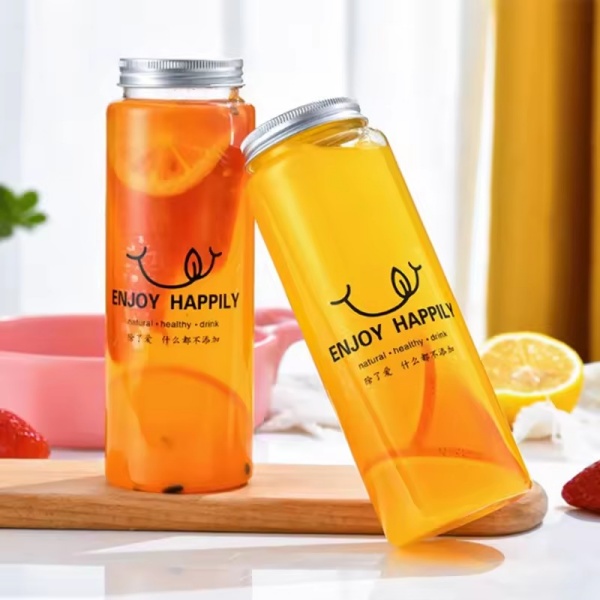


PET Milk Bottles Trusted by Pros Exceeds Industry Benchmarks
Professionally engineered PET milk bottles trusted by dairy processors and beverage brands consistently outperform industry benchmarks in safety, durability, and shelf-life preservation. Made from food-grade PET, they offer exceptional clarity, impact resistance, and barrier performance while remaining lightweight for reduced transport costs. Rigorous testing and compliance with international food-contact standards deliver the reliability procurement teams demand, minimizing returns and downtime. A Shanghai-based manufacturer with advanced production lines and stringent quality control scales to global volumes while offering tailored neck finishes, capacities, and decoration options. Certifications, fast lead times, and sustainable design—using fully recyclable materials and optimized weight—make these bottles a cost-effective, eco-friendly choice. Global buyers seeking a dependable PET milk bottle partner will find consistent quality, competitive pricing, and manufacturing flexibility ready to support their supply chain needs.
| Parameter | Unit | Typical Value | Industry Benchmark | Method / Standard | Notes |
|---|---|---|---|---|---|
| Material | PET (Polyethylene Terephthalate), food-grade | Food-contact PET (FDA/EFSA compliant) | Regulatory compliance testing | Suitable for dairy packaging | |
| Capacity range | mL | 250–1000 | 200–2000 | Design specification | Common commercial sizes |
| Wall thickness (typical) | mm | 0.30–0.55 | 0.25–0.80 | Caliper measurement (ISO 4593) | Varies with capacity & design |
| Empty weight (example 500 mL) | g | ≈22 (range 18–28) | ≤35 for 1 L bottles | Gravimetric (ISO 728) | Optimized for lightweighting |
| Tensile strength (MD) | MPa | 55–70 | ≥45 | ASTM D638 | Oriented PET mechanical performance |
| Elongation at break | % | 80–150 | ≥40 | ASTM D638 | Indicative of toughness |
| Oxygen Transmission Rate (OTR) | cc/m²·day (23°C) | 8–20 | ≤30 | ASTM D3985 | Low OTR protects flavor and freshness |
| Water Vapor Transmission Rate (WVTR) | g/m²·day (38°C, 90% RH) | 0.6–1.5 | ≤2.5 | ASTM F1249 | Controls moisture ingress |
| Haze (clarity) | % | 0.8–2.5 | ≤5 | ASTM D1003 | High transparency for product visibility |
| Color consistency (ΔE*ab) | ΔE | 0.5–1.8 | ≤3.0 | CIEDE2000 / Colorimetry | Tight color tolerances for brand neutrality |
| Heat distortion temperature (HDT) | °C | 70–80 | ≥65 | ASTM D648 | Supports pasteurization and hot-fill limits |
| Recommended fill temperature | °C | 4–85 | 4–90 | Process requirement | Supports HTST pasteurization & chilled fill |
| Sterilization compatibility | Compatible with HTST (pasteurization) and cold-fill; not for commercial retort | Supports HTST & aseptic options where specified | Functional/thermal validation | Aseptic designs require additional validation | |
| Recyclability (mechanical) | % | Material mechanically recyclable; typical recycling yield 70–90% | Material recycling yield 60–95% | Recycling yield studies | Design optimized for mono-PET recycling stream |
| Cap torque (recommended) | N·cm | 20–45 | 10–60 | Torque tester (ISO/industry practice) | Ensures seal integrity and consumer opening |
| UV transmission (300–400 nm) | % | 6–12 | ≤20 | UV-Vis spectrophotometry | Helps reduce light-induced spoilage |
| Shelf-life under refrigeration | days | 7–14 (pasteurized, 4°C) | 7–21 depending on processing | Microbial shelf-life studies | Dependent on thermal process & cold chain |
Related Products
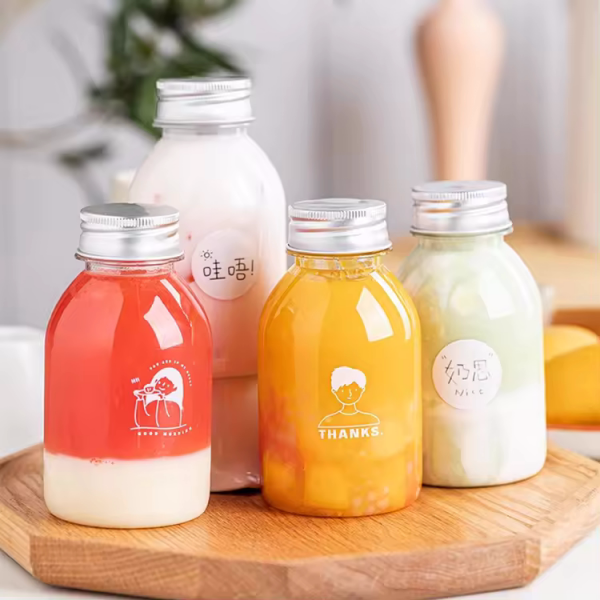

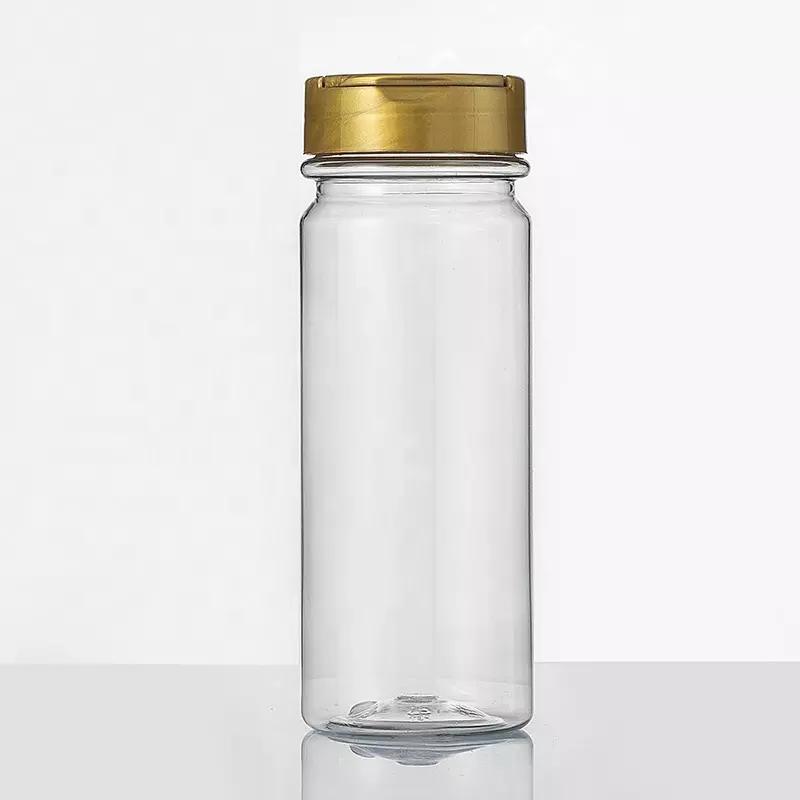

PET Milk Bottles Industry Giant Pioneers in the Field
Top Selling Products






- Related Blog
- Reviews
- Reviews
