PET Bottles

China 98mm PET Cups Manufacturer - Premium PET Cups Supplier

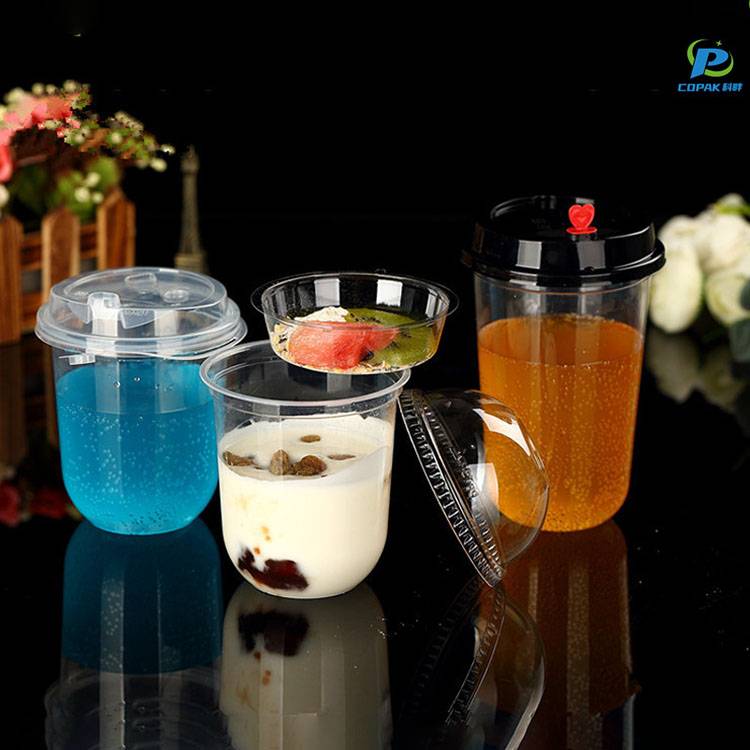
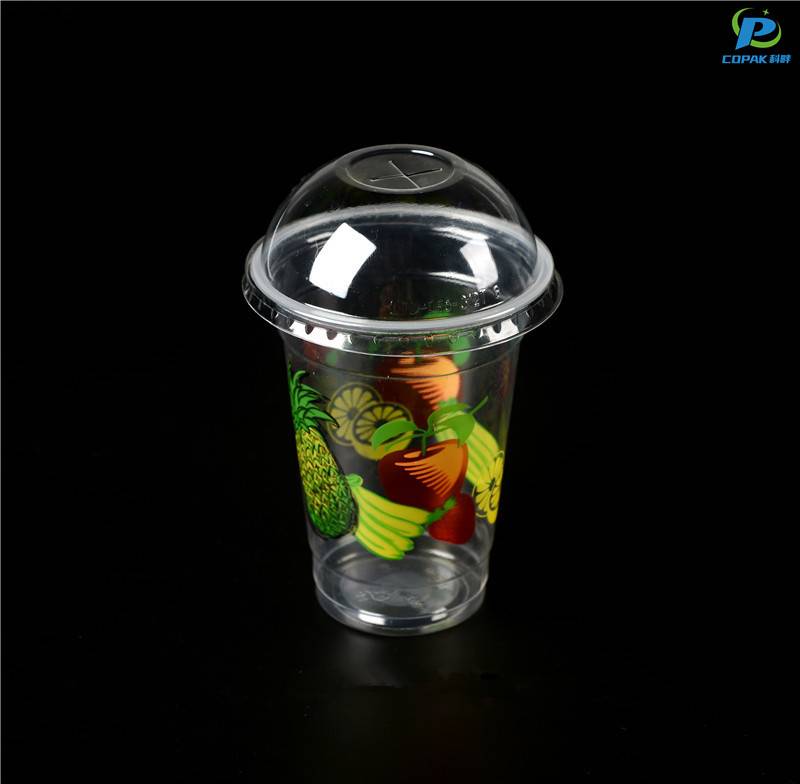
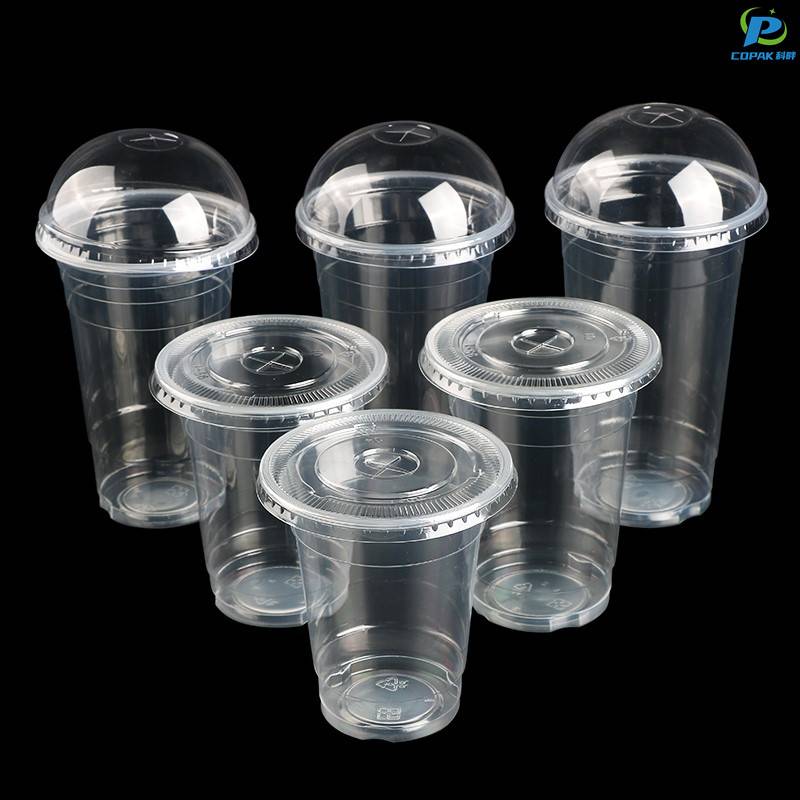
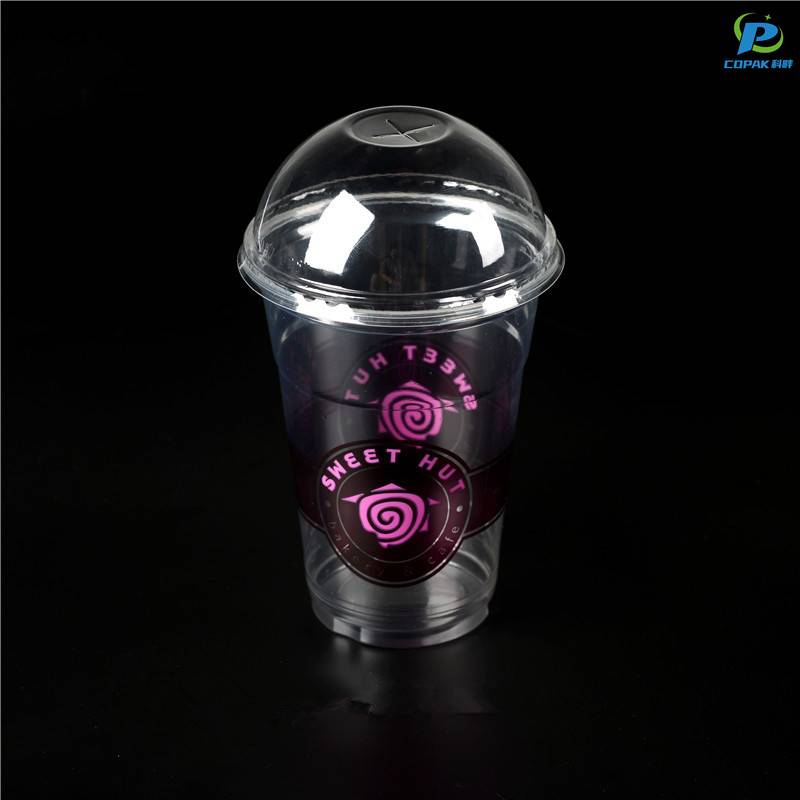
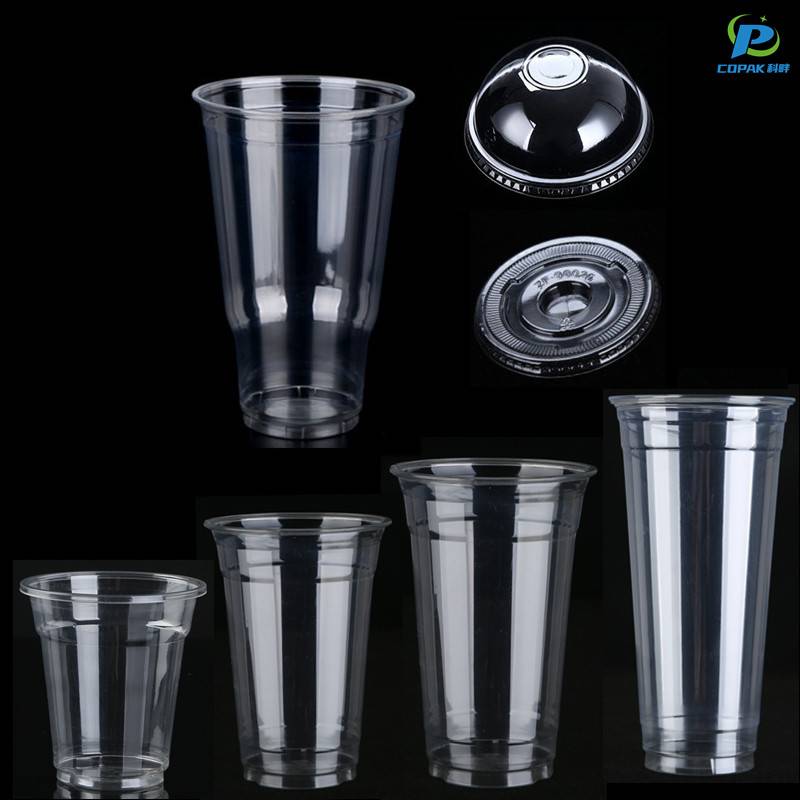
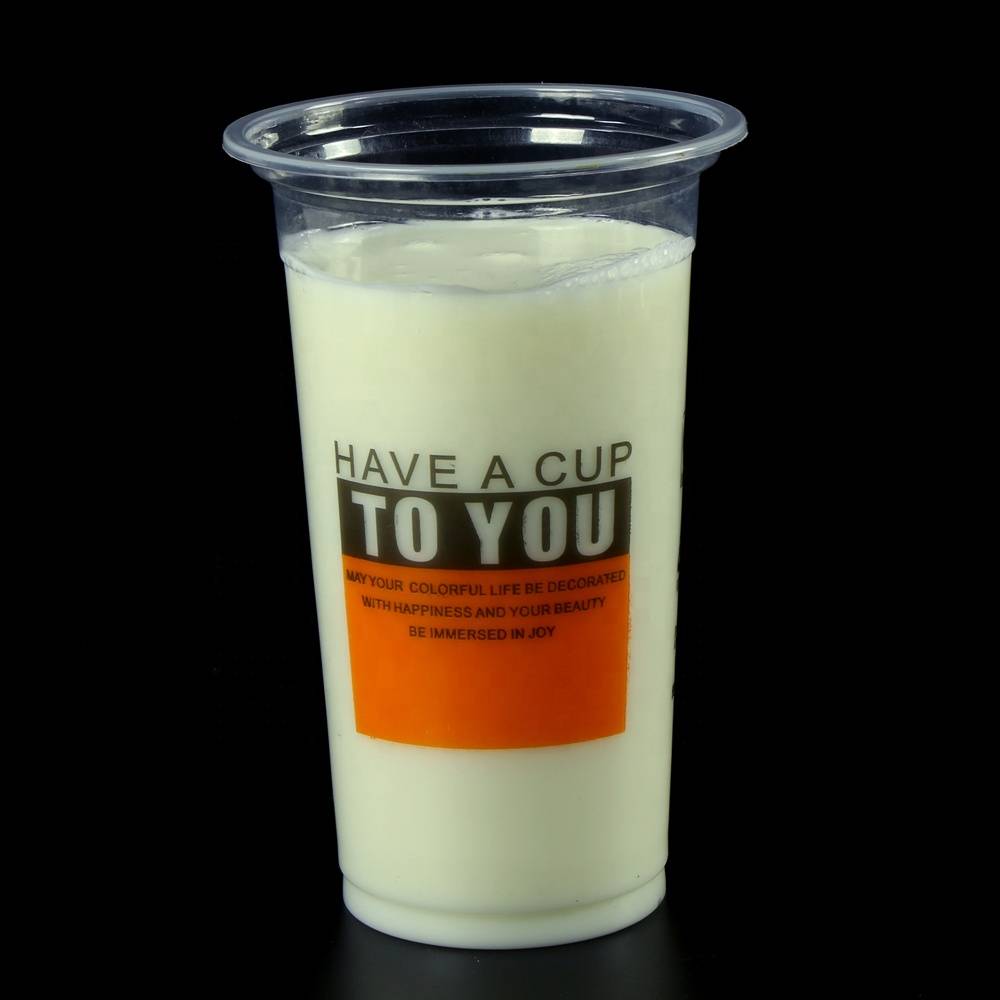
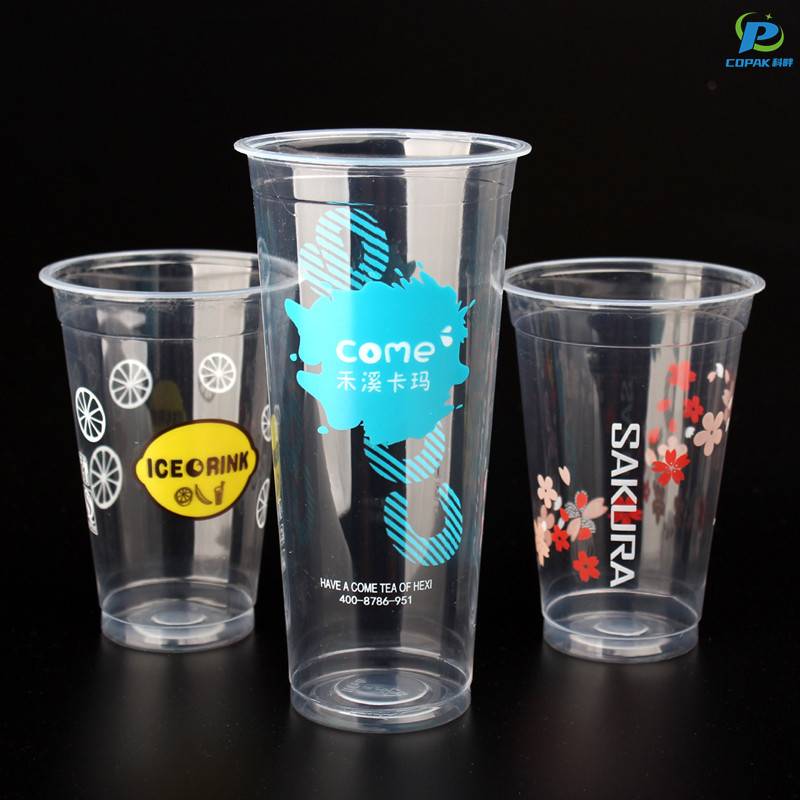
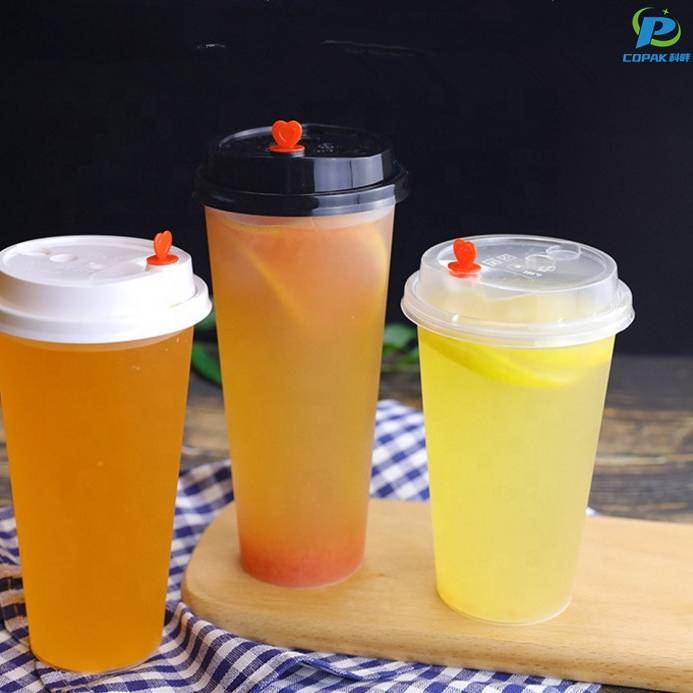
As a China-based Manufacturer, I offer {98mm PET Cups} designed for food service, take-away, and event distributors. I know B2B buyers care about consistency, safety, and speed, so I keep tight tolerances and stock-ready options. These cups are crystal-clear PET, BPA-free, with a smooth rim and tight stacking for efficient transport. The 98mm diameter fits most standard lids and bands, making them perfect for cold beverages, yogurt drinks, and samples. They’re lightweight, strong, and recyclable, aligning with sustainability goals many buyers pursue. I can customize printing or labeling on MOQ-friendly lots, and I maintain strict QA checks to minimize defects. From China, I ship quickly to distributors and manufacturers worldwide, with transparent pricing and dependable lead times. If you’re sourcing reliable packaging for your brand or retail chain, I’m here to help with flexible terms and consistent supply of {98mm PET Cups}.

Hot Selling Product

98mm PET Cups in 2025 Service Backed by Expertise

The 98mm PET cup is becoming a global standard for beverages and prepared foods in 2025 thanks to its exceptional clarity, lightweight strength and food-grade safety. Advances in rPET and lightweighting deliver the visual appeal buyers demand while meeting stricter sustainability and regulatory requirements across markets. These cups offer reliable barrier performance, consistent dimensional tolerance for automated filling and sealing, and are compatible with a wide range of lids and printing options, enabling premium shelf presence without sacrificing recyclability. Service backed by deep industry expertise ensures that procurement is seamless: technical consultation on material selection and decoration, rapid sample and prototype turnaround, precision tooling and strict quality control to ISO/FDA/EU standards, plus flexible MOQs and competitive pricing. Robust supply-chain solutions and export experience minimize lead-time risk and support global logistics, while traceability and documentation simplify compliance. For buyers wanting a partner that combines product excellence with practical, scalable service, the 98mm PET cup remains a future-proof choice.

{ 98mm PET Cups in 2025 Service Backed by Expertise}
Attribute Specification Unit / Standard Typical Tolerance / Test Notes / Applications
Top outside diameter 98.0 mm ±0.5 mm (caliper) Designed for standardized 98 mm lids and automated filling lines
Top inside diameter 96.6 mm ±0.6 mm (caliper) Critical for sealing surface and lid fit
Height (nominal) 95 mm ±1.0 mm Typical for 700–750 ml serving cups
Nominal capacity 720 ml ±2–3% (fill-volume test) Suitable for beverages, frozen desserts, bulk salads
Bottom diameter 52.5 mm ±0.8 mm Contributes to stacking and stability on conveyors
Wall thickness (nominal) 0.35 mm ±0.07 mm (micrometer) Thermoforming typical; thicker for injection-molded variants
Piece weight (typical) ~16 grams ±10% (depending on gauge) Depends on wall profile and rPET content
Material PET (Polyethylene Terephthalate) Material certification & incoming QA Clear/translucent; rPET blends possible subject to functional tests
Maximum service temperature 60 °C Thermal distortion test (ASTM D648 equiv.) Short-term contact above 60°C possible; not for prolonged hot-fill above 70°C
Sealing compatibility Heat-seal films (PE-coated, laminated films) Typical seal window: 120–150°C Peel & seal integrity tests (e.g., 180° peel) Optimized flange profile for consistent seals on automated lines
Barrier & shelf-life notes Moderate O2 and WVTR barrier; suitable for short- to medium-term chilled products O2TR: typically <2 cc/m²·day·atm for standard PET gauge Measure per application; barrier films recommended for extended shelf life Ideal for chilled ready-to-eat, cold beverages, desserts
Manufacturing methods Thermoforming (sheet) or Injection Stretch Blow Molding (ISBM) Process capability studies; dimensional control Thermoforming common for thin-gauge economical cups; ISBM for rigid clarity
Recyclability Fully recyclable in PET streams Conforms with common municipal PET collection Recycling readiness assessed by material composition checks rPET content may affect clarity; recyclability impacted by contamination
Stack / nest characteristics Stack pitch ~18.0 mm mm per cup Measured per stack of 50 units Approx. 55 cups per meter stack; optimized for automated feeders
Common finishes & colors Clear, light tint (green/amber), matte or high-gloss finish Visual & gloss inspection Surface treatment available for improved printing or adhesion
Regulatory & quality Designed for food contact compliance (e.g., FDA/EU food contact frameworks) Material test reports, migration tests as required QA sampling per batch; certificate of analysis available on request Traceability for material lots recommended for sensitive products
Prototype & production timelines Prototype: 4–6 weeks; Production: 6–10 weeks calendar weeks Lead times vary with tooling complexity and order size Rapid tooling options reduce prototype time for validation runs
Data shown are typical values for design and specification purposes; application-specific validation is recommended.

Related Products

PET Cups

98mm PET Cups Delivers Unmatched Quality Custom Solutions,

Production Volume and Defect Rate Trends for 98mm PET Cups

This chart illustrates two complementary dimensions of production performance for 98mm PET cup variants over a twelve-month cycle: monthly production volume (in thousands of units) and monthly defect rate (percentage). The line chart uses discrete monthly data points to make seasonal patterns, production surges, and quality shifts immediately visible. Production volume is plotted on the primary vertical axis and highlights capacity utilization trends, while defect rate is plotted on the secondary vertical axis to reveal inverse or correlated relationships with output intensity. Observing both metrics concurrently helps identify periods when ramping up output may have impacted quality control, and conversely when conservative production corresponds with improved yields. The synthetic dataset intentionally includes a mid-year peak in volume paired with a modest uptick in defects, followed by targeted quality improvements that reduced the defect rate in subsequent months despite high throughput. When interpreting this visualization, look for lag effects where a sustained period of elevated production precedes a change in defect rate one or two months later; such lags are common when process adjustments, tooling wear, or staffing changes affect outcomes. This dual-axis approach is particularly useful for operations managers who must balance delivery commitments and scrap reduction, and for product engineers optimizing process parameters for a 98mm cup geometry. Stakeholders can use the patterns shown to prioritize preventive maintenance, invest in automated inspection at peak periods, or adjust scheduling to smooth demand. Regular monitoring of these two dimensions supports data-driven decisions that maintain product quality while meeting volume targets. The chart is designed to be interactive, with tooltips for precise values and a legend to toggle series visibility. Regularly scheduled cross-functional reviews of the chart enable continuous improvement cycles, allocate resources dynamically, and foster accountability across production, quality, and supply teams to sustain long-term profitability and customer satisfaction and market competitiveness.

Top Selling Products

Subscribe To Our Newsletter

For inquiries about our products or pricelist, please leave your email to us and we will be in touch within 24 hours.

Follow Us

on our social media
  • whatsapp (1)
  • instagram
  • youtube