



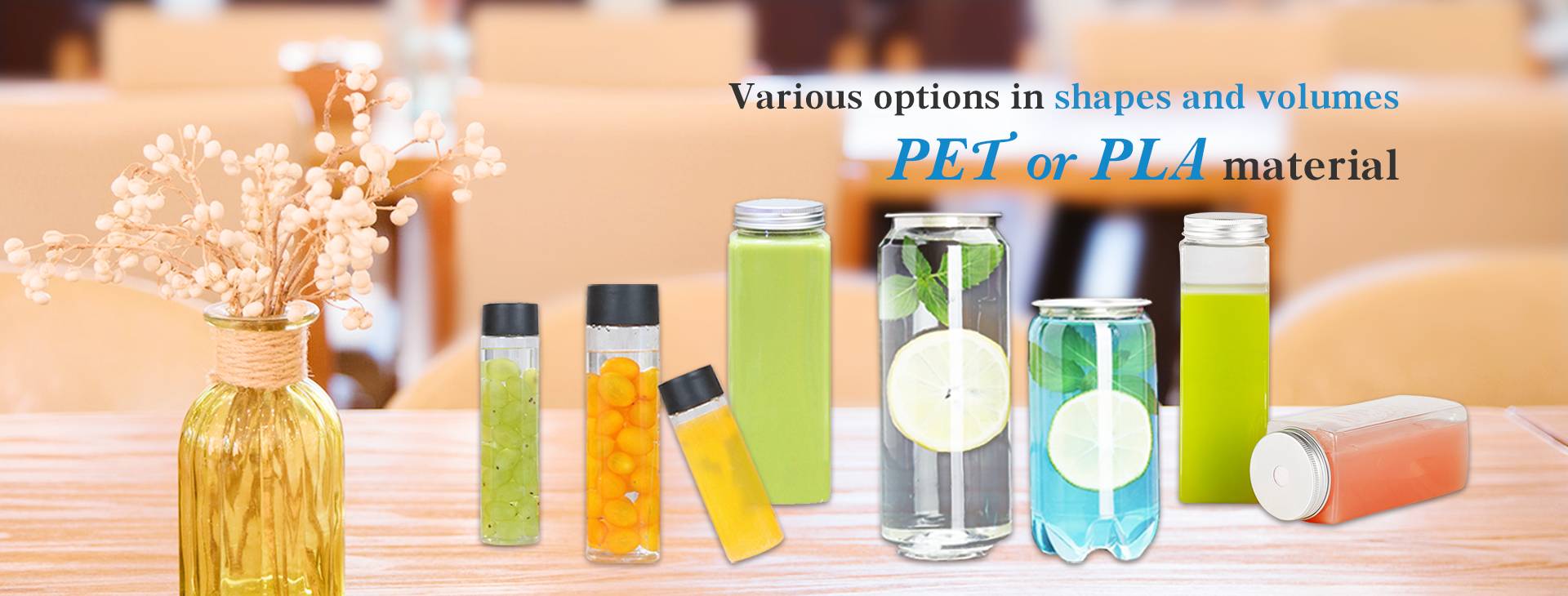
16 Oz Disposable Cups With Lids - China Manufacturer
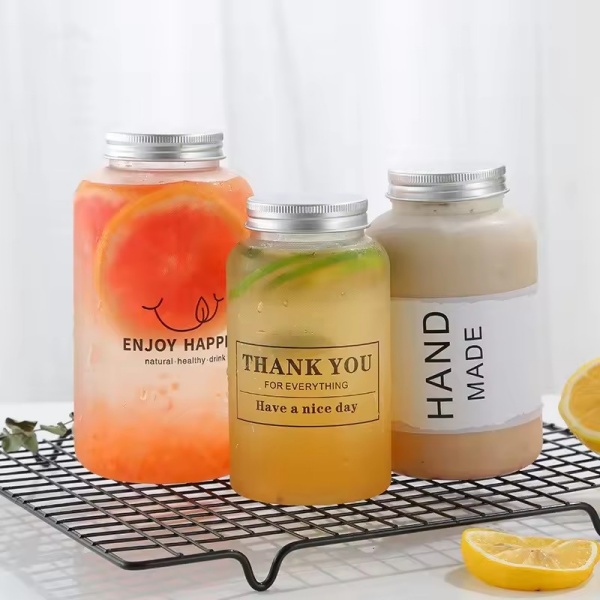
From a China-based manufacturer, I offer 16 Oz Disposable Cups With Lids that meet the needs of busy cafés, caterers, and food service distributors. I designed these cups with sturdy wall thickness, leak-resistant lids, and crystal-clear visibility for branding and product presentation. Each set ships in secure, stackable bundles that save space in transit and storage. As a B2B buyer, you care about consistent quality, affordable pricing, and fast lead times — I deliver on all three. The cups fit standard sleeve sizes and are suitable for cold and hot beverages, with a reliable seal to prevent spills during transport. I source food-grade PET/PLA materials and comply with safety standards to help you stay compliant. If you are looking for a reliable partner in China who can customize printing or packaging to your spec, I’m here to help and can quote quickly.


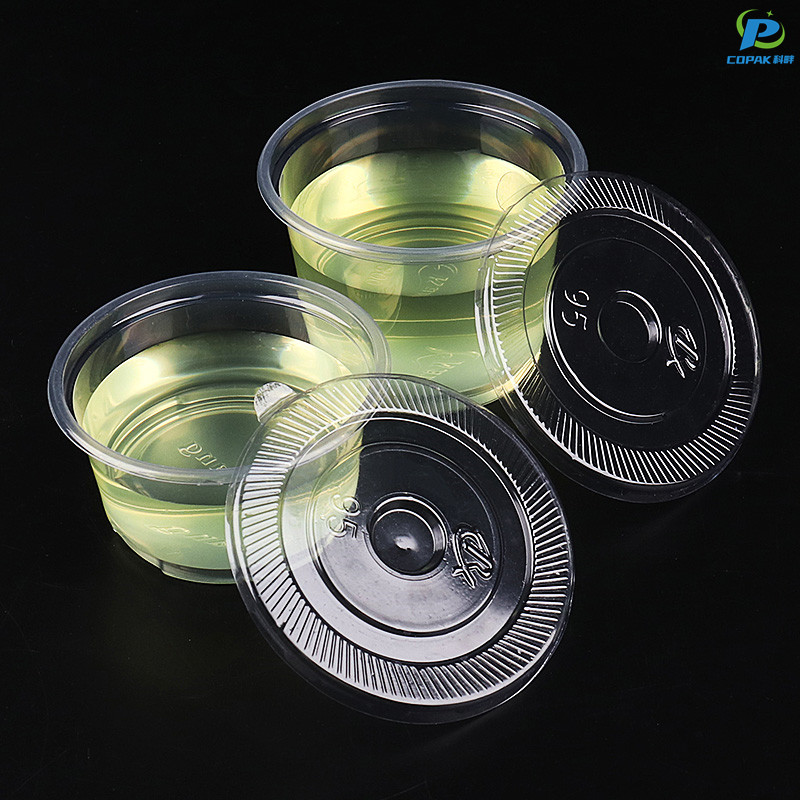
16 Oz Disposable Cups With Lids Is The Best From Concept to Delivery
16 oz disposable cups with lids are the ideal choice for global buyers looking for convenience, quality, and versatility. These cups are crafted to meet the needs of takeaway drinks, including coffee, tea, iced beverages, smoothies, and more. Their secure-fitting lids ensure spill-free transportation, perfect for busy lifestyles and on-the-go consumption. From the initial concept to final delivery, every step in the production of 16 oz disposable cups with lids is controlled with strict quality standards. Using only food-grade materials, the manufacturing process prioritizes hygiene and durability, guaranteeing safety and peace of mind. Their ergonomic design makes them comfortable to hold, stackable for easy storage, and suitable for branding applications, boosting visibility for your business. For worldwide procurement needs, these cups offer both cost-efficiency and reliable supply. Their wide adoption across cafes, restaurants, events, and retailers demonstrates their practicality and universal appeal. Partnering with a professional cup supplier ensures timely delivery, responsive service, and customizable solutions tailored to the specific demands of your market, making these disposable cups an unbeatable choice for global buyers.
| { 16 Oz Disposable Cups With Lids Is The Best From Concept to Delivery} | ||
|---|---|---|
| Product Core Specifications | ||
| Dimension | Specification | Notes |
| Capacity | 16 fl oz (≈ 473 mL) | Standard volume used in foodservice for large hot or cold beverages. |
| Material (cup) | Paperboard with polymer lining (PE or PLA); Polypropylene (PP); PET (clear rigid plastic) | Paperboard common for hot drinks; PP and PET are common for cold, clear presentations. Choice impacts end-of-life options. |
| Material (lid) | PP (polypropylene) or PET; common lid styles include flat, sip-through, dome | PP is widely used for hot-drink lids; PET is used for clear cold-drink lids. |
| Rim & Seal | Rolled rim for secure snap-fit lids; heat-seal compatible rim for tamper-evident options | Proper rim tooling ensures leak performance and consistent lid fit. |
| Wall thickness | Paperboard cups: total board caliper typically 200–350 µm; Rigid plastic cups: 12–18 µm (single-wall) or thicker for rigidity | Thickness affects rigidity, insulating performance, and material weight. |
| Typical single unit weight | Paper-lined cup: ~8–12 g; Rigid plastic cup: ~6–10 g; Lid: ~1.5–4 g depending on style | Weights are ranges for 16 oz formats and vary with material grade and wall caliper. |
| Thermal tolerance | Paperboard with lining: safe for hot beverages up to ~85–95°C short-term; PP cups: up to ~120°C (dependent on polymer grade) | Check manufacturer guidance for microwave use; many disposable designs are not intended for microwave reheating. |
| Suitable beverages | Hot coffee/tea (with appropriate lining or sleeve), cold soft drinks, iced coffee, smoothies (with dome lid) | Select lid type based on topping (foam, whipped cream) and beverage temperature. |
| Environmental & Compliance | ||
| Recyclability | PP (#5) and PET (#1) mechanically recyclable where local facilities accept them. Paperboard with PE lining is recyclable only in some processing streams. | Local sorting and processing capabilities determine whether a given material is recovered. |
| Industrial compostability | Possible for PLA-lined paper cups or certified compostable polymers meeting ASTM D6400 / EN 13432 | Industrial composting infrastructure required; certification ensures disintegration under industrial conditions. |
| Home compostability | Generally not suitable for most disposable beverage cups | Home compost conditions lack the temperature and management required by many certified materials. |
| Certifications & standards | Common references: ASTM D6400, EN 13432 (compostability); material recycling codes (e.g., PET #1, PP #5); applicable food-contact material regulations | Certifications depend on material selection and independent laboratory testing. |
| From Concept to Delivery — Typical Timeline | ||
| Concept & design | 1–3 weeks | Initial sketches, capacity verification, ergonomics, and basic material selection. |
| Prototyping & sample testing | 2–6 weeks | Rapid prototypes, fit tests with lids, leak and thermal tests, user trials if required. |
| Tooling & die preparation | 3–8 weeks | Tool lead time depends on complexity (rim/lid interface) and production volumes. |
| Production run | 1–4 weeks typical for standard batch sizes | Cycle times and batch quantities influence overall production duration. |
| Quality inspection & certification testing | 1 week (routine QA); additional time if third-party certification required | Includes dimensional checks, leak tests, and material compliance documentation when requested. |
| Packaging & dispatch preparation | 1–3 weeks | Bulk packing, labeling, palletizing, and preparation for shipment or local distribution. |
| Handling, Storage & End-of-Life Guidance | ||
| Storage recommendations | Store in cool, dry conditions, away from direct sunlight; recommended humidity control to avoid warping | Paper products are sensitive to moisture; plastic cups should avoid prolonged heat exposure to prevent deformation. |
| End-of-life recommendations | Label cups clearly: recycle where accepted, industrial compost where certified, otherwise dispose with residual waste | Clear consumer labeling reduces contamination in recycling and compost streams. |
| Environmental impact note | Lifecycle impacts depend on material choice, manufacturing efficiency, and end-of-life management | Where possible, evaluate local LCA data and consider reusable alternatives for frequent use cases. |
Related Products
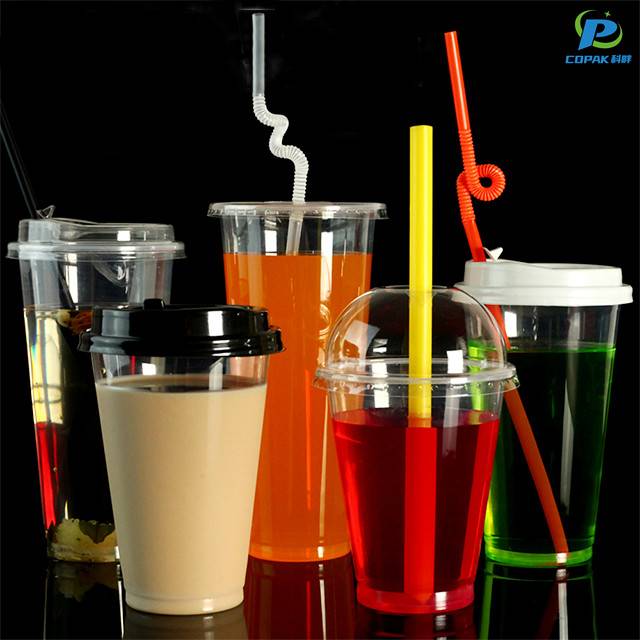


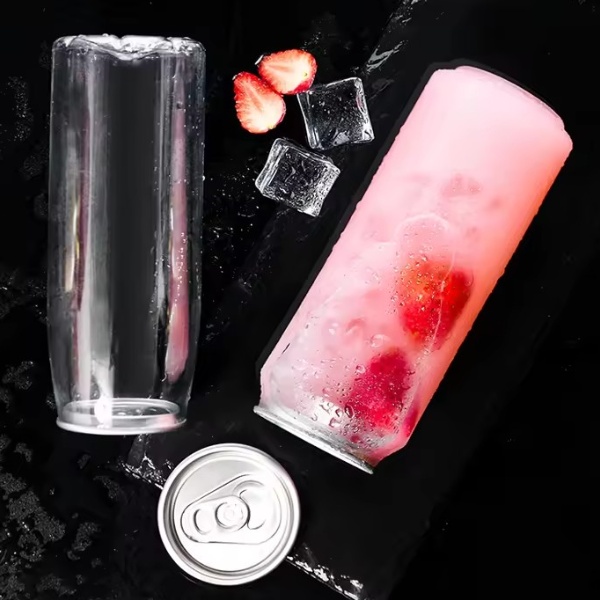

16 Oz Disposable Cups With Lids Products Winning in 2025
Top Selling Products


- Related Blog
- Reviews
- Reviews
